
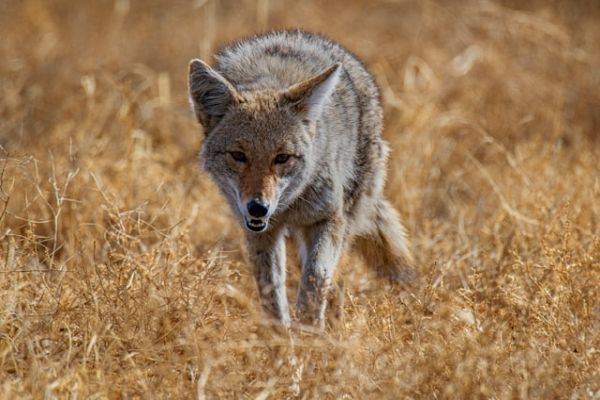
There’s a reason bolt-action rifles still dominate hunting culture. Iconic guns. Your grandfather probably had a bolt-action rifle leaning in the corner of his closet, and every host on every outdoor show from the ’90s carried one, too. Predator hunting, though? Totally different situation — and sticking with a bolt gun out of habit will lose you animals. Coyotes do not wait around. Feral hogs sure as hell don’t. If you have ever called in a pair of coyotes at dusk only to cycle a bolt and watch the second one vanish, you already know the frustration.
Common Semi-Auto Platforms and Getting Started
The AR-15 chambered in .223 Remington is the default answer here — and for good reason. Light recoil. Affordable ammo. Aftermarket support is massive — Aero Precision, Palmetto State Armory, Daniel Defense, and a hundred smaller shops all make parts for it. Need something bigger for hogs? An AR-10 in .308 Winchester puts them down at range, but you’ll feel the extra weight and recoil.
Then there’s the Ruger Mini-14, which a lot of guys prefer because it looks like a ranch rifle and not something from a Call of Duty loadout screen. And the Browning BAR? Classy. Expensive. Absolutely functional if you already own one. Beginners, though, often need a clearer breakdown of what to look for in a starter rifle before dropping money on their first build or factory setup. Start there if this is all new to you.
Why Semi Automatics Suit Predator Hunting
Speed. That is the short answer. Predator hunting puts you in situations where a second shot matters more than in any deer stand. Coyotes sprint the moment something feels off — we’re talking 35 to 40 mph. Hogs scatter in every direction when the first round cracks. A semi-auto lets you stay on target, absorb recoil, and send a follow-up without breaking your cheek weld or losing sight picture. On a calling stand where two or three coyotes respond at once, that mechanical advantage is massive.
Here’s the thing most people overlook: reduced felt recoil is not just about comfort. It is about keeping your scope’s field of view usable between shots. Bolt guns force you to move your hand, cycle, re-grip, and reacquire. Meanwhile, the animal is gone.
Situational Advantages Over Bolt-Actions
Picture this. You’re running thermal optics on a South Texas hog hunt — a Pulsar Thermion 2 mounted on an AR-10. A sounder of fifteen hogs rolls into a feeder at 80 yards. With a bolt gun, you get one. Maybe two if you’re fast. A semi-auto? Four or five is realistic before they clear out.
Night predator hunting specifically rewards the rate of fire because you are already operating with limited visibility and tighter engagement windows. The same goes for dense brush scenarios in states like Georgia or Alabama, where a coyote might give you a two-second window between pine thickets. You cannot afford to cycle a bolt in that situation — just don’t bother pretending otherwise.
Even calling setups benefit. Experienced hunters like Al Morris from the Bone Collector crew have talked about how doubles on coyotes require a platform that keeps up with the action. A bolt gun works fine for a single responding coyote at 200 yards. Multiple animals inside 150? Grab the semi-auto.
Accuracy and Effective Range
“Semi-autos aren’t accurate.” You’ve probably seen this claim on every forum from Reddit’s r/hunting to the comment section on Meat Eater’s YouTube channel. Honestly? That used to be a fair criticism — back when gas systems were sloppy, and tolerances were loose. Not anymore. Pick up a LaRue Tactical OBR or a JP Enterprises LRP-07, and you’re looking at sub-MOA groups all day long. That is tighter than most hunters can actually shoot from field positions.
For predator hunting, your practical engagement distance sits under 300 yards the vast majority of the time. Often under 150. At those ranges, the accuracy gap between a quality semi-auto and a bolt gun is functionally zero. Barrel quality and ammunition selection matter far more than action type — some pros say a Hornady V-Max in .223 will do exactly what you need it to do out of either platform.
So stop worrying about benchrest-level precision for animals you’re shooting inside 250 yards. Seriously — nobody cares about your group size when a coyote is hauling away your neighbor’s barn cat.
Know Your State’s Rules First
Before you buy, check your state’s regs. Plenty of states won’t let you use a semi-auto on deer or elk, but have zero restrictions for coyotes and varmints. Others cap magazine capacity — California’s ten-round limit being the obvious example. And watch out for caliber minimums too, because some states won’t let you hunt certain species with a .223 at all.

Look — owning a semi-auto does not mean you get to mag-dump into a field and call it hunting. Put your shots where they count. Every time. The real benefit is a quicker follow-up when your first round doesn’t drop the animal clean, or when a second coyote pops up ten yards from the first.
Bottom Line
Nobody’s saying sell your bolt gun. For long-range precision work on a single animal, it remains a great choice. But predator hunting asks something different from your gear — it demands speed, capacity, and fast target transitions that semi automatic platforms deliver better than anything else in the safe. So yeah — use the right gun for the job. Doubles on coyotes, hog control at night, thick brush where you get maybe two seconds of shot window? That’s semi-auto territory, and dragging out a bolt rifle because “that’s how I’ve always done it” is just costing you animals. Gear should serve the hunt. Not the other way around.
Read the full article here