
On Thursday, April 16, the US Senate voted 50 to 49 to kill key protections for a public land watershed that flows directly into the Boundary Waters Canoe Area Wilderness in northern Minnesota. Today, President Donald Trump signed the bill (HJ Res 140) into law.
News of the vote sent shockwaves through conservation communities because it paves the way for a high-risk Chilean copper mine that’s likely to pollute the area’s pristine hunting and fishing grounds with toxic acid runoff. With the federal mining moratorium that should have protected the Boundary Waters for the next 17 years now effectively dismantled, BWCA advocates are refocusing their efforts.
As the Executive Director of Sportsmen for the Boundary Waters, Lukas Leaf has been fighting for the Minnesota wilderness area for over a decade. He tells Field & Stream that, while the Senate vote is the biggest blow his organization has suffered to date, he still sees a path to durable protections for the Boundary Waters.
“This is far from shovels in the ground,” Leaf says. “Even the spokespeople for Twin Metals (the subsidiary of the Chilean corporation lobbying for the mine) acknowledge that this is still years away. It is within the state’s power to deny permits, and the use of the Congressional Review Act in this manner is ripe for litigation.”
The vote straddled party lines almost entirely with just two Republicans—Sen. Susan Collins of Maine and Sen. Thom Tilles of North Carolina—voting NO. It came despite unified opposition from hunting and fishing groups, environmental advocates, tribal coalitions, and a large contingency of outdoor industry brands that spanned gamut from onX to Patagonia.
The Implications
As Field & Stream has previously reported, Antofagasta has fallen afoul of environmental regulations in the recent past. Earlier this year, regulators fined the company close to $1 million in its home country of Chile for failing to follow water-monitoring rules. In 2022, a Chilean regulator (Superintendencia del Medio Ambiente) filed charges against an Antofagasta subsidiary for harming local wildlife with their copper mining operations.
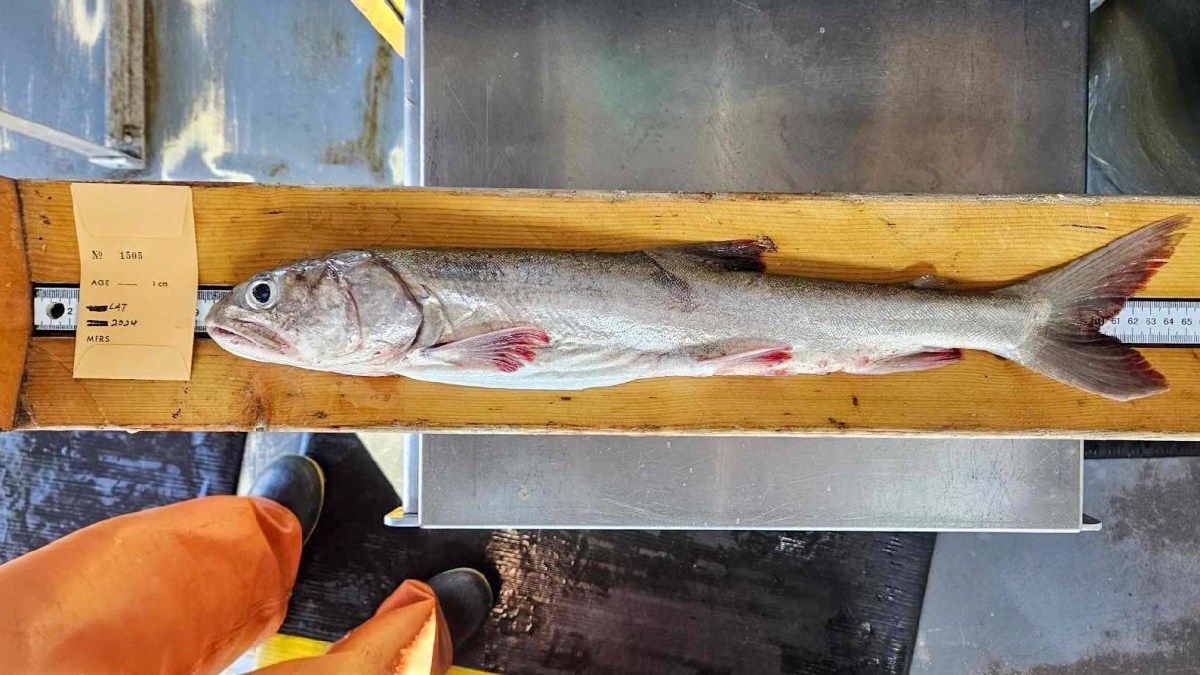
If allowed to proceed in northern Minnesota, the company’s operations will threaten an area that produces 20 percent of all the fresh water in the National Forest system. Failure to contain the mine could harm everything from native lake trout, northern pike, and smallmouth bass to ruffed grouse, black bears, and whitetail deer.
Support for the Mine
Antofagasta’s checkered history of non-compliance didn’t deter Montana Senator Tim Sheehy (R) from voting for the mine earlier this month. Sheehy, a member of the so-called Public Lands Caucus and a native Minnesotan, has come under intense scrutiny for his vote in a state where the vast majority of constituents support special protections for wilderness areas like the Boundary Waters, according to recent polling.
“Let’s be clear: this resolution does NOT approve mining in the Boundary Waters. It removes the irresponsible withdrawal of mineral rights that was enacted under the Biden administration in an extremely aggressive use of a Public Land Order that contrasted with the will of local elected officials and most community members who support the mining industry in their town,” Sheehy wrote in a press release sent to Field & Stream soon after the vote. “This Public Land Order was not done with the arc of conservation in mind, nor was it done with the unanimous buy-in of community leaders as has been advertised. It was issued from Washington, D.C., with the express purpose of killing a potential mining project.”
Support for Protections
Public Land Order 7917 established the 20-year mineral withdrawal in the Rainy River Watershed that Sheehy and his Republican colleagues in the House and Senate voted to overturn. The rule took years to flesh out and drew some 675,000 comments from the American public—more than 95 percent of which supported longterm protections for the Boundary Waters. Both the Department of the Interior and the US Forest Service conducted extensive Environmental Assessments—as is required by the National Environmental Policy Act (NEPA)—before issuing the rule.
As Leaf alludes to, the Senate vote invoked the controversial Congressional Review Act in order to scrap the moratorium. Enacted in 1996, the CRA allows Congress to overturn certain federal rules. It’s a way to bypass a filibuster and erase regulatory actions with a simple-majority vote.
The House passed the bill that overturned protections for BWCA back in March. It was introduced by Minnesota Rep. Pete Stauber on Jan. 12, 2026. There was little time for public debate before it showed up in the Senate earlier this month. Because Congress has never used the CRA to overturn a Public Lands Order, it created a precedent for future use. “I have to believe that some of these Senators were sitting at home regretting their decision after this vote,” Leaf says. “They’ve opened Pandora’s Box by using the CRA in this manner. What’s going to be targeted next? It could be some of their pet projects. It could be public lands protections in their own states.”
The Fight Continues…
In the aftermath of the Senate’s vote, Leaf expects to see expedited federal permits for the Twin Metals mine coming down from the Trump Administration. But mine construction is years away no matter how you slice it, he says.
There will almost certainly be a flurry of lawsuits challenging the legality of using the CRA to overturn the 20-year mining moratorium. Those suits are likely to appear either the US District Court of the District of Columbia or the US District Court for the District of Minnesota. And there are critical state-level hurdles that Antofagasta must clear. The Minnesota Department of Resources (DNR) will have to approve and issue its own permits, for example, and those could be harder to come by.
Read Next: Sweeping Forest Service Overhaul Puts Public Lands at Risk, Critics Warn
Minnesota has powerful tools for protecting clean water, Pete Marshall of the Friends of the Boundary Waters Wilderness, told the Minnesota Post in an April 22 article. He’s advocating for an “opt-out provision” from the Minnesota Department of Natural Resources that he says could stop mine development before it begins. “What the DNR does today, in 2026, builds the foundation to stop this dangerous mine at the state level,” Marshall said, during an April 16 press conference. “Minnesota does have clear legal authority to stop this mine. The question is does [Gov. Tim] Walz’s administration have the courage to use this authority?”
content_conservation,content_stories
THE 1871 CLUB

Recommended Products
Read the full article here