
On June 3, an Australian TV interviewer asked Defense Minister Richard Marles a rather direct question. Under the initial AUKUS agreement, Australia was getting three Virginia-class boats—two used, one new —and the new one carried roughly triple the missile capacity of the other two.
Canberra dropped the new boat. It took a third used Virginia instead.
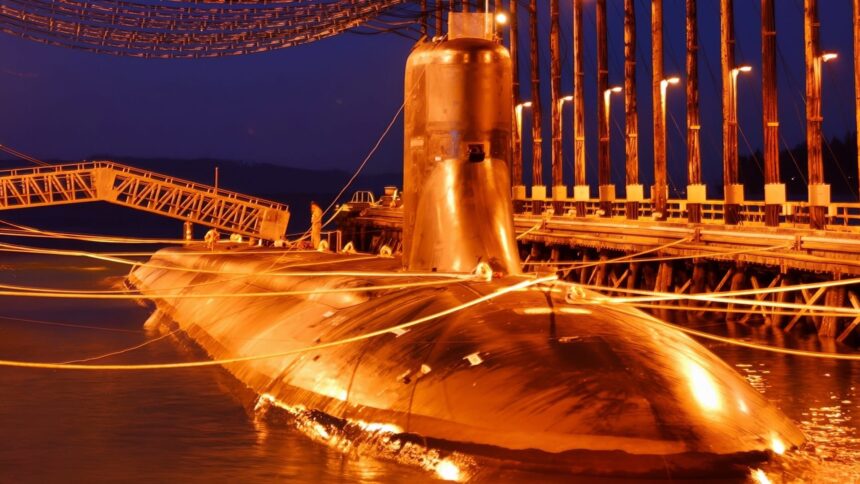
Seawolf-Class Submarine USS Seawolf. Image Credit: Creative Commons.
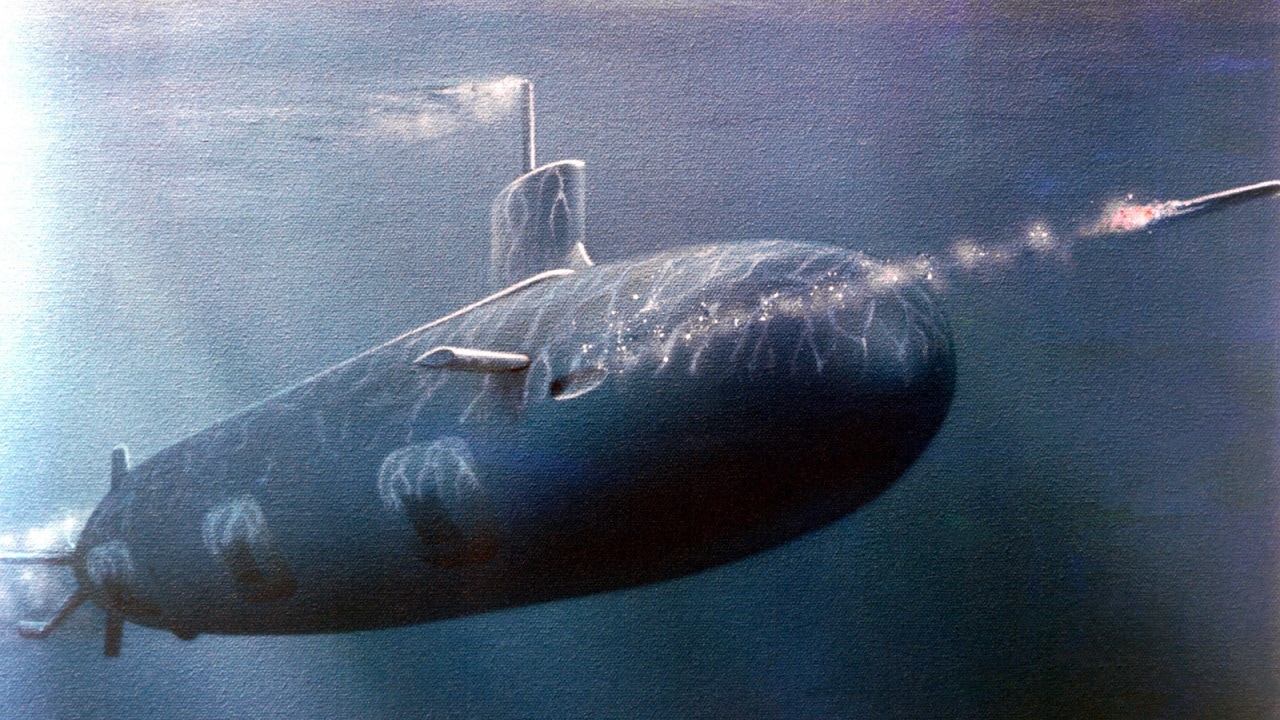
An artist’s concept of the nuclear-powered submarine SEAWOLF (SSN-21).
Why trade away that much firepower?
Marles didn’t defend the missile count. Instead, he talked about crews who could move between common boats, and technicians who wouldn’t need three separate training pipelines.
The alternative, he said, was running Collins alongside two different Virginia variants and a future AUKUS-class boat: four submarine types for a navy that size.
He chose consistency over raw capability, on camera, without much hesitation.
Washington has already had this argument with itself, and it doesn’t remember winning. It did.
The Seawolf-class story gets told the same way almost every year: the Navy planned 29 of the most capable attack submarines ever designed, built three, and has been paying for that mistake ever since.
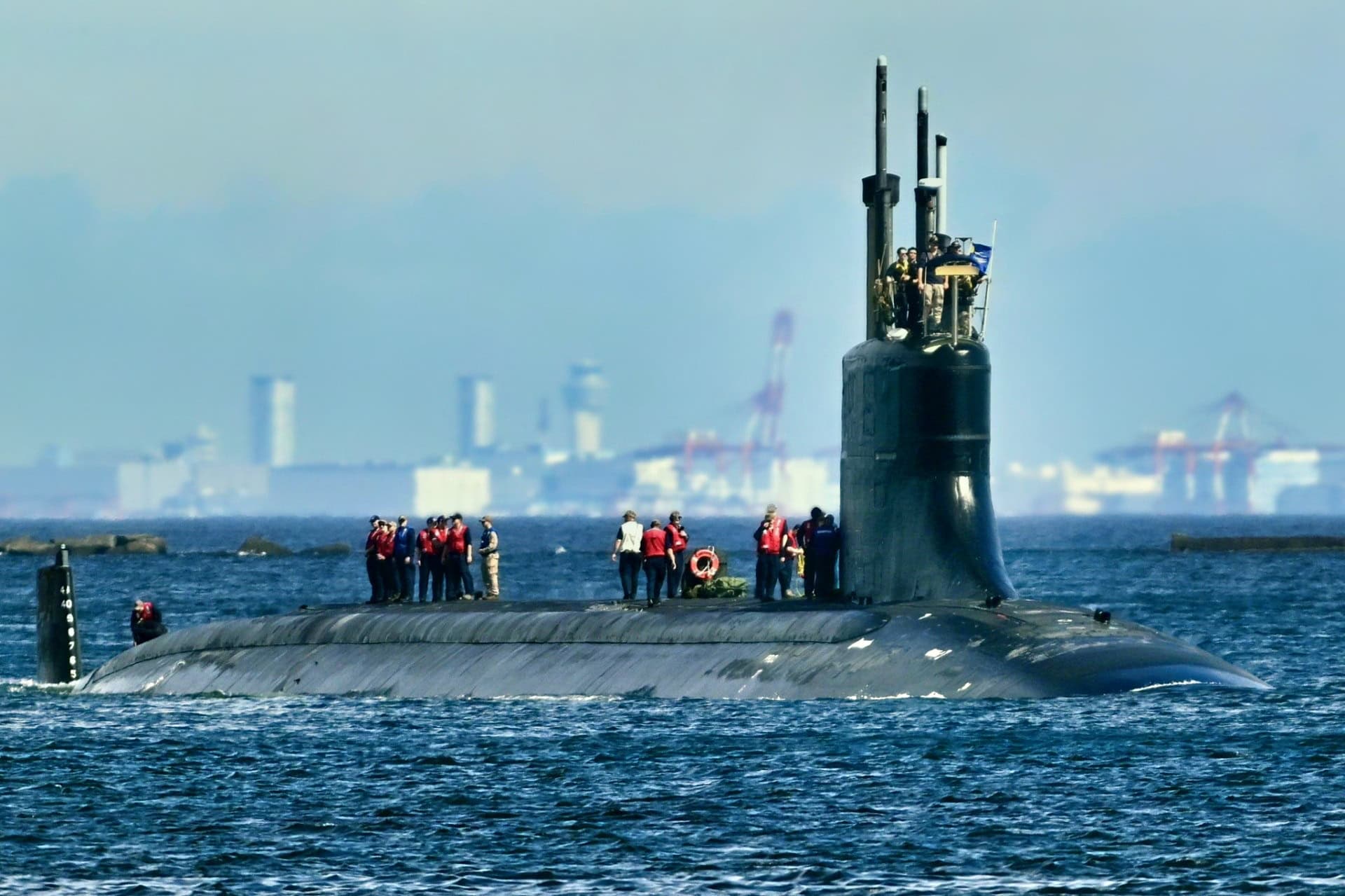
Seawolf-Class Submarine. Image Credit: Creative Commons.
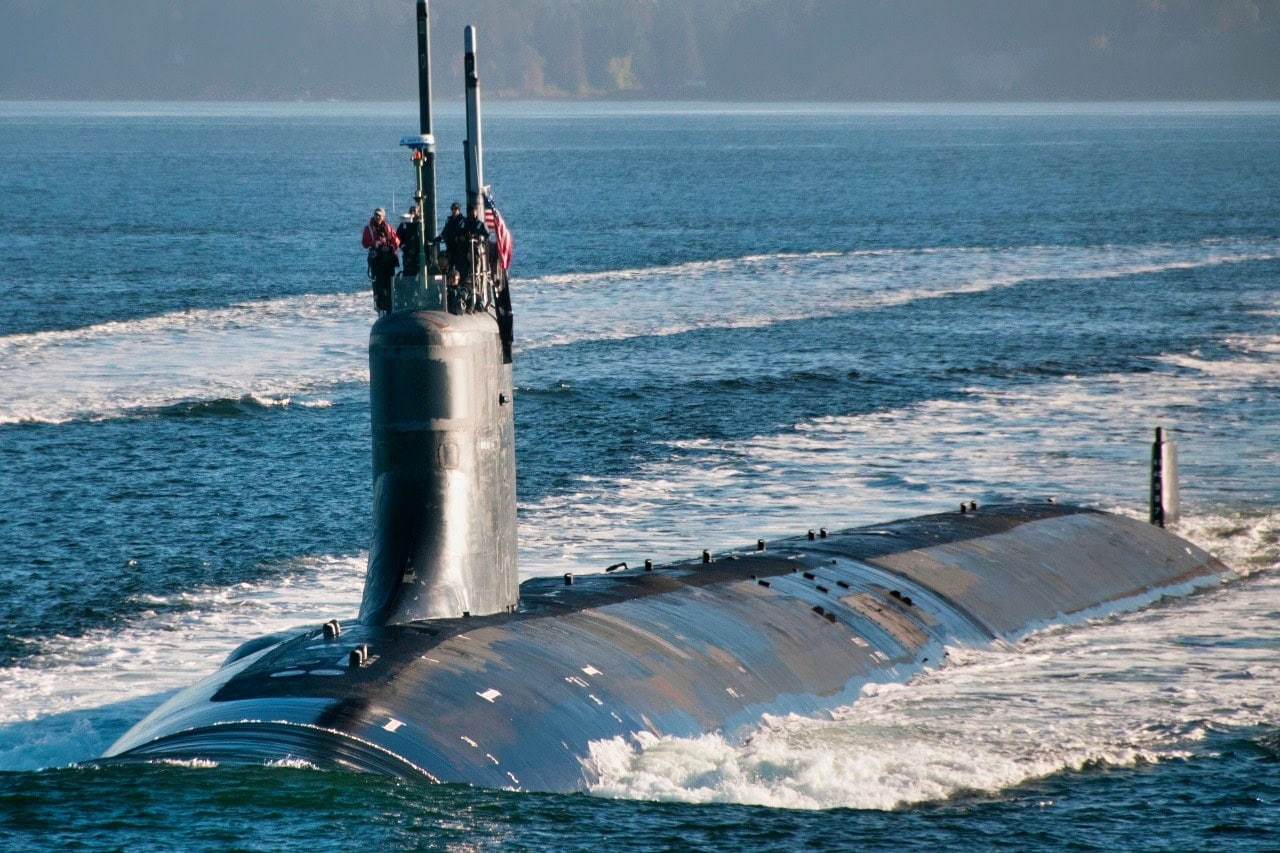
PUGET SOUND, Wash. (Sept. 11, 2017) The Seawolf-class fast-attack submarine USS Jimmy Carter (SSN 23) transits the Hood Canal as the boat returns home to Naval Base Kitsap-Bangor. Jimmy Carter is the last and most advanced of the Seawolf-class attack submarines, which are all homeported at Naval Base Kitsap. (U.S. Navy photo by Lt. Cmdr. Michael Smith/Released)
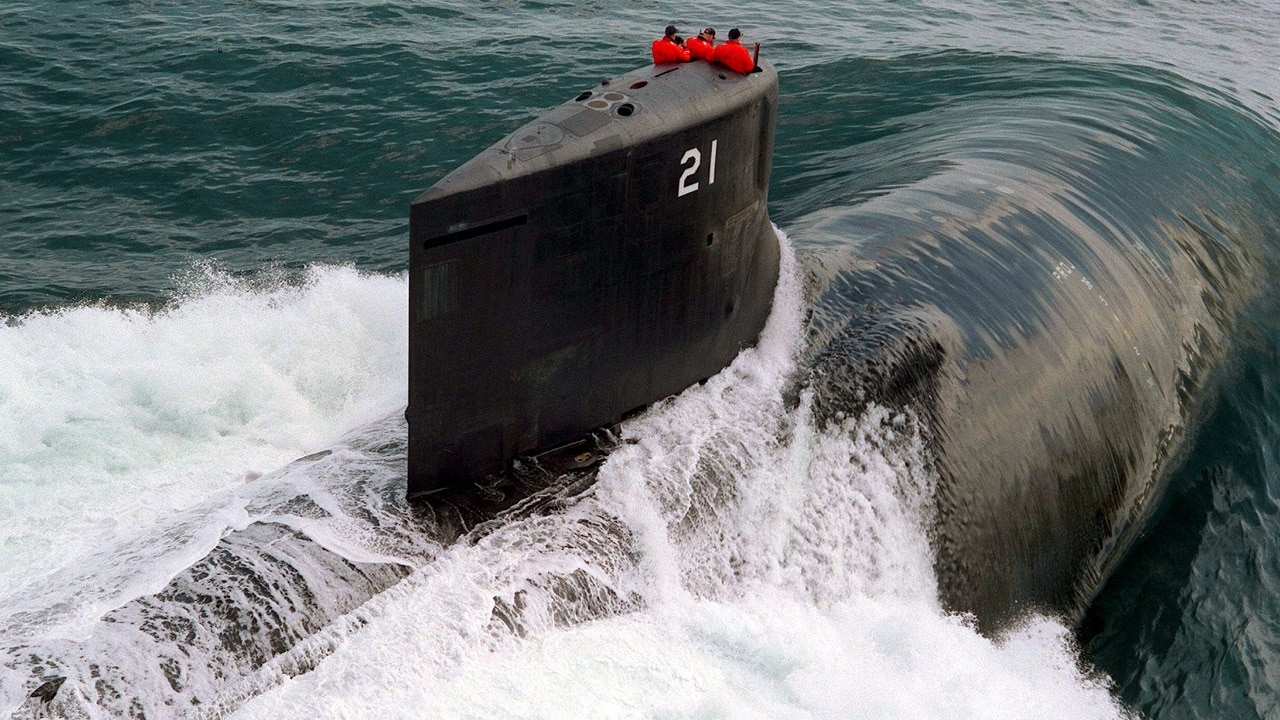
The U.S. Navy’s newest attack submarine, USS Seawolf (SSN 21), conducts Bravo sea trials off the coast of Connecticut in preparation for its scheduled commissioning in July 1997.
It’s a clean story, with a villain and a body count measured in missing hulls.
It also skips the one decision that actually explains anything: why the Navy built a third Seawolf at all.
What the Third Boat Was Actually For
Start with the requirement, because the standard story leaves it out. In 1992, the Joint Staff conducted its own study on how many attack submarines the Navy needed and updated it the following year.
The number was 51 to 67 boats, with 10 to 12 of them quiet enough to match Seawolf’s acoustic performance, by 2012.
That figure isn’t a barstool exaggeration invented after the fact. It’s the military’s own accounting of the job.
None of that killed the program, and none of it saved a third boat either.
The Navy lost 17 of the planned 29 hulls in August 1990, cut to 12 as the Soviet Union wobbled toward collapse.
The Bush administration tried to end the program after a single boat in January 1992; Congress said no and restored funding for a second.
In October 1993, the Bottom-Up Review settled it, setting the attack submarine force at 45 to 55 boats, well below what the Joint Staff wanted, and approving a third Seawolf not to reach that number, but to keep the submarine industrial base alive long enough to build something the country could actually afford to keep building.
Read that twice, because it’s the whole argument in one place.
The Joint Staff wanted a dozen boats with Seawolf-level quieting.
The Pentagon built three, twenty-six short of the original plan, and justified the third not as a step toward the 10-to-12 requirement but as a bridge to a submarine it believed the country could afford to keep building. Twenty-nine versus three has always been the wrong comparison.
Ten-to-twelve versus three is the one that should bother people, because it runs in a straight line from an operational requirement to an industrial constraint.
The Free Fleet Nobody Actually Gets
Run the “what if 29” version honestly and it stops being fun fast.
It usually just adds twenty-six submarines to today’s Navy for free, as though Electric Boat could have kept stamping out Seawolves at Cold War prices after the Cold War’s money went home.
It doesn’t work that way.
A serial Seawolf run through the 1990s and 2000s means the design effort, yard space, and workforce that instead built Virginia get spent elsewhere, later, or not at all.
The acquisition path that produced Virginia can’t simply coexist unchanged with the hypothetical 29-boat Seawolf fleet. Something in that sequence gives.
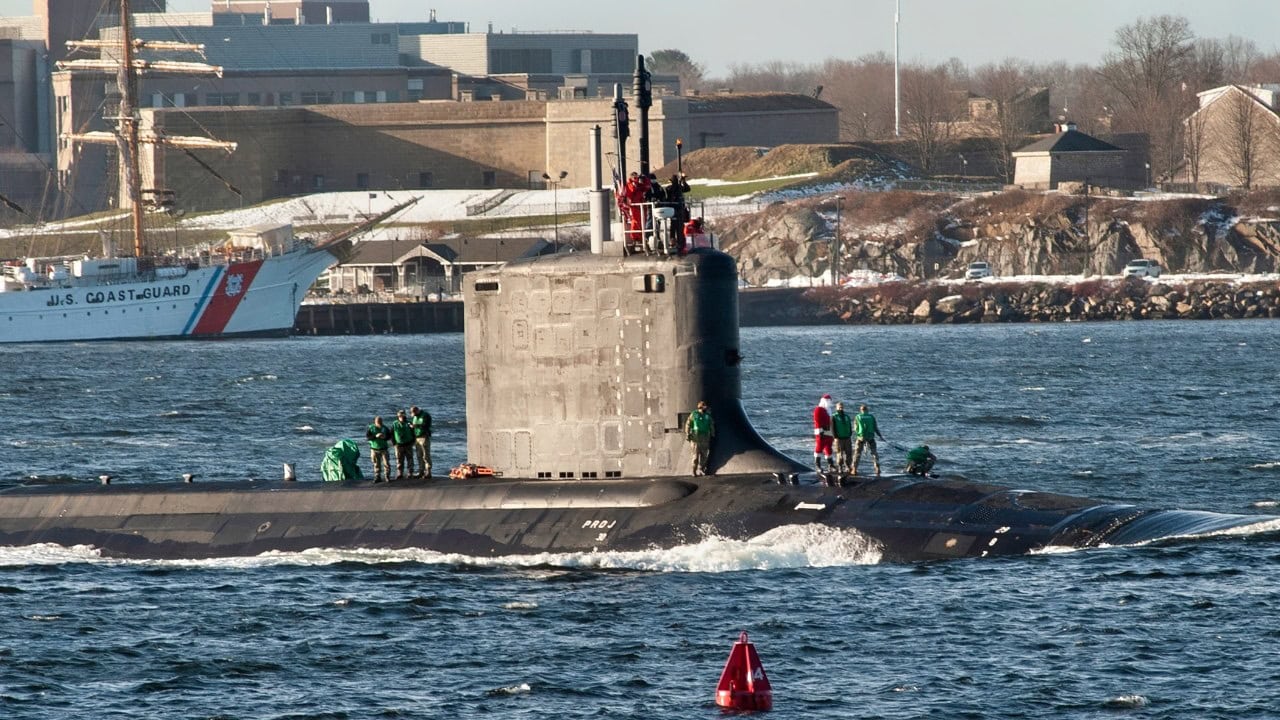
The Virginia-class submarine USS Vermont (SSN 792) makes her way up the Thames River and past Fort Trumble and the Coast Guard Cutter Borque Eagle as she returns home to Submarine Base New London on Thursday, December 24, 2020. The nineteenth and newest Virginia-class submarine she is the third U.S. Navy ship to be named for the Green Mountain State. (U.S. Navy Photo by John Narewski/Released)
None of this proves Virginia was obviously the right call.
It still hasn’t hit the two-boats-a-year production pace the Navy has sought since 2011, running closer to 1.2, and Admiral Daryl Caudle told Congress in May that a fix won’t arrive before 2032.
Twenty years is a long time to be almost right.
But that shortfall is a story about workforce and supplier depth the Navy let atrophy for two decades.
It doesn’t undo the 1993 bet, which never promised results, only that producibility gave the Navy its only real chance at sustained numbers.
An unproven bet and a broken one aren’t the same thing.
Canberra Makes the Same Trade
Marles wasn’t choosing between a stronger submarine and a weaker one.
He had the stronger one and turned it down, because what determines whether a small navy can fight isn’t the missile count on its best boat.
It’s whether that boat’s crew, maintainers, and supply chain scale across the rest of the fleet.
The individually most capable submarine isn’t the same thing as the most capable submarine force.
Canberra proved that at the scale of three hulls, in public, this year. Washington proved a rougher version of it in 1993, at the scale of an entire industrial base.
The AUKUS bridge that lets Australia make this choice exists because the United States had a Virginia fleet large enough to lend from, the 1993 logic still paying its way three decades on.
The Test Nobody Has Scheduled Yet
The Navy is designing SSN(X) as though none of this happened.
The requirement calls for Seawolf’s speed and payload, Virginia’s quieting and sensors, and Columbia’s availability, all in one hull.
The Congressional Budget Office puts the price near $8.7 billion apiece against the Navy’s own estimate of $7.1 billion, on a boat around 10,100 tons submerged, roughly 11 percent bigger than Seawolf.
The first one isn’t due until 2040, five years later than planned.
The price tag isn’t the interesting part.
Everyone already knows SSN(X) will be expensive. What matters is that even Virginia, the submarine deliberately conceived as the affordable, producible alternative to Seawolf, has proven extraordinarily difficult for today’s industrial base to deliver at the rate the Navy promised.
That should make the Navy more cautious about loading SSN(X) with every desirable attribute, not less.
Freeze the design around everything the requirements writers want, and the country may end up with a magnificent submarine it can only afford in boutique numbers.
The Bottom-Up Review forced a blunter question in 1993: not how good this boat can be, but how many of them the country can actually build and keep.
Somewhere between now and the design freeze, someone at the Pentagon needs to ask that question out loud, before the requirements office answers it by default.
Canberra just showed what an honest answer looks like. Whether Washington is willing to give one twice in thirty years is the real test, and nobody has put it on the calendar yet.
About the Author: Dr. Andrew Latham
Andrew Latham is a professor of international relations and political theory at Macalester College in Saint Paul, MN. You can follow him on X: @aalatham.