
Aircraft AR-1 lifted off from Naval Air Station Joint Reserve Base Fort Worth, Texas, on September 23rd. An aviationist reported the jet took off shortly after noon local time, with an F-35C as a safety chase aircraft. The F-35 jet bears Royal Canadian Air Force insignia, including the bilingual “RCAF-ARC” titles and the Canadian roundel. A Canadian flag is also on its tail.
Lockheed Martin Canada announced on Wednesday that “The first CF-35A took to the skies for the first time today.”
Canada’s F-35 Project Gets Harder From Here On In
If only the rest of the project were so simple.
Back in January 2023, Ottawa said it would buy 88 F-35As to replace the aging CF-18 Hornets.
This major acquisition has been under review since last March, and Prime Minister Mark Carney warned that any jet deal must “be right for Canada, for Canadians and for our security.”
While it remains unclear when the review will conclude, it is moving forward. In May, Defense Minister David McGuinty told lawmakers that his department was probing whether the F-35s were still “the best choice for the country.”
He reiterated that only 16 jets had been ordered so far and that no concrete commitment existed beyond that. That said, CBC reports that Ottawa has made long-lead payments towards another 14 F-35s while the review slogs on.
Canada Air Force CF-18. Image Credit: Creative Commons.
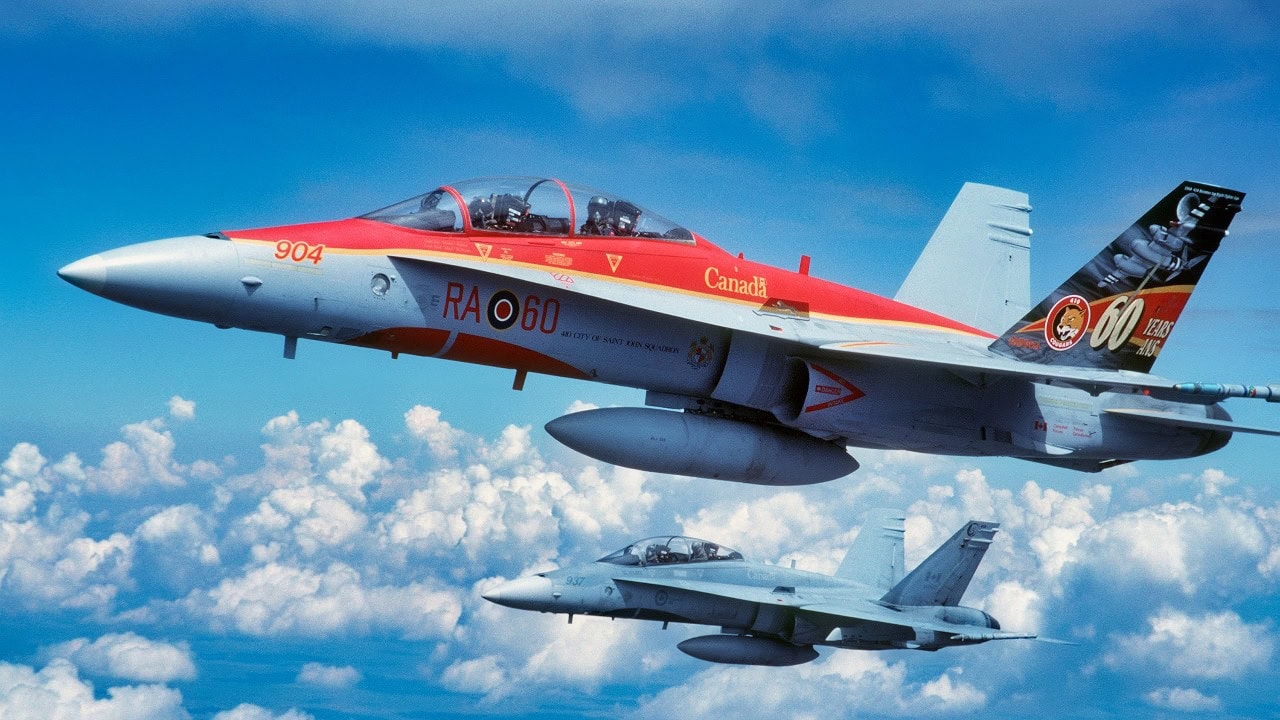
Two Canadian Forces, 410 Squadron CF-188B Multi-Role Fighters, one painted in special anniversary colors, flying over the Utah Test and Training Range (UTTR) for planned engagements during the Tiger Meet of the Americas. The Inaugural Tiger Meet of the Americas brought together flying units from throughout North America that have a Tiger or large cat as their unit symbol. The Tiger Meet of the Americas closely mirrors the North Atlantic Treaty Organization (NATO)/Europe Tiger Meet in its goal of fostering camaraderie, teamwork and tactics familiarization.
Some of the first of these 16 aircraft are well on their way towards being operational.
Canadian pilots are set to train on the jets at Arizona’s Luke Air Force Base starting in late 2026.
The first F-35s are set to arrive on Canadian soil in 2028, with Initial Operational Capability planned for 2029 and Full Operational Capability in 2033.
This comes on the heels of Canada retiring its CF-18 fleet, which is set to be completely out of service by 2032.
What Fighter Canada’s Air Force Wants
The RCAF has been especially vocal about the aircraft.
In January, RCAF commander Lt. Gen. Jamie Speiser-Blanchet told Parliament the F-35 is “the only fifth-generation advanced technology fighter aircraft available to Canada.”
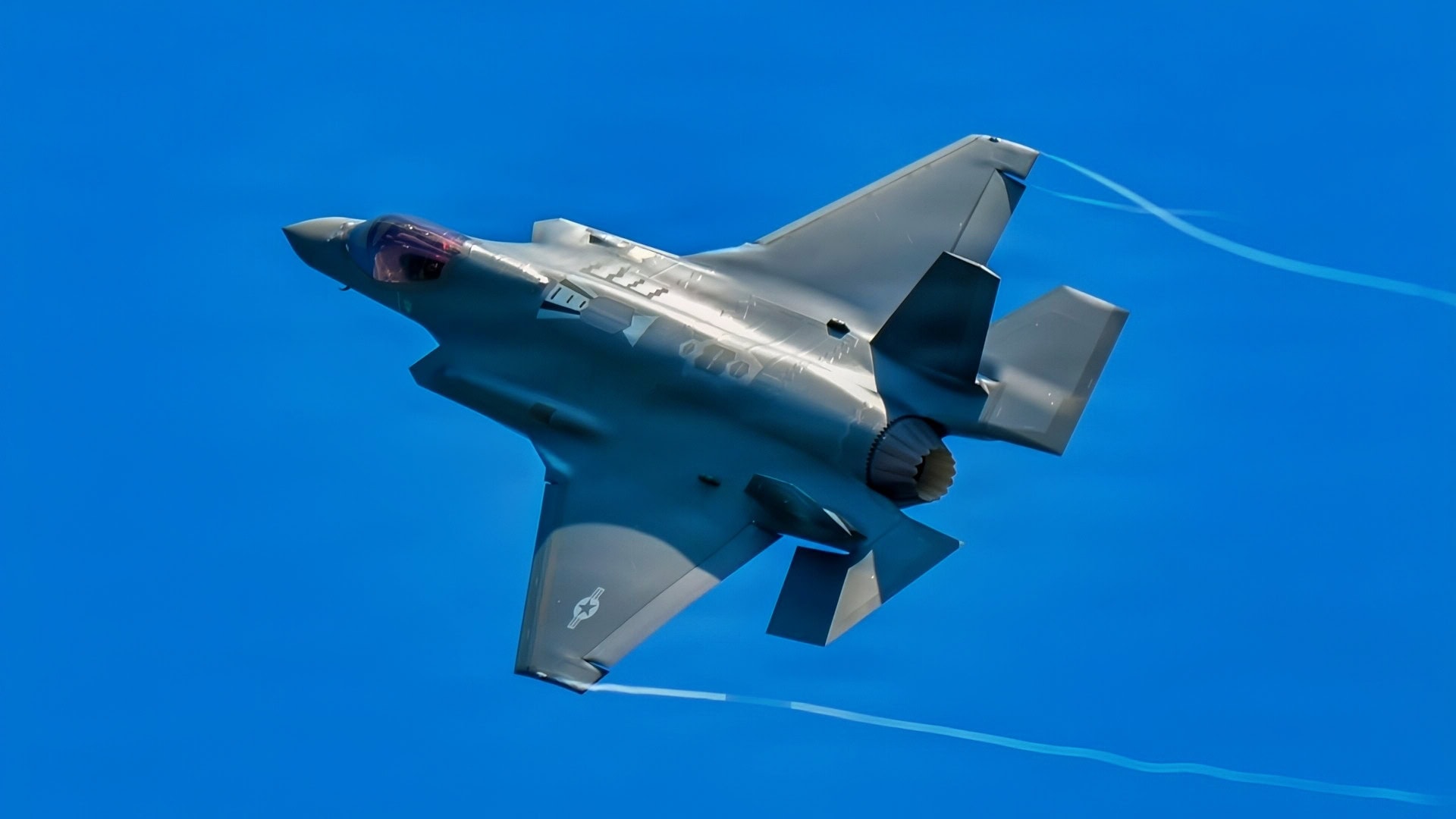
U.S. Air Force pilot Maj. Brian ‘Brass’ Burke, 104th Fighter Wing unit conversion officer, flies an F-35A Lightning II over Barnes Air National Guard Base at exactly 1:04PM EST, officially marking the historic first arrival of the fifth-generation fighter aircraft at the Wing on June 11, 2026.
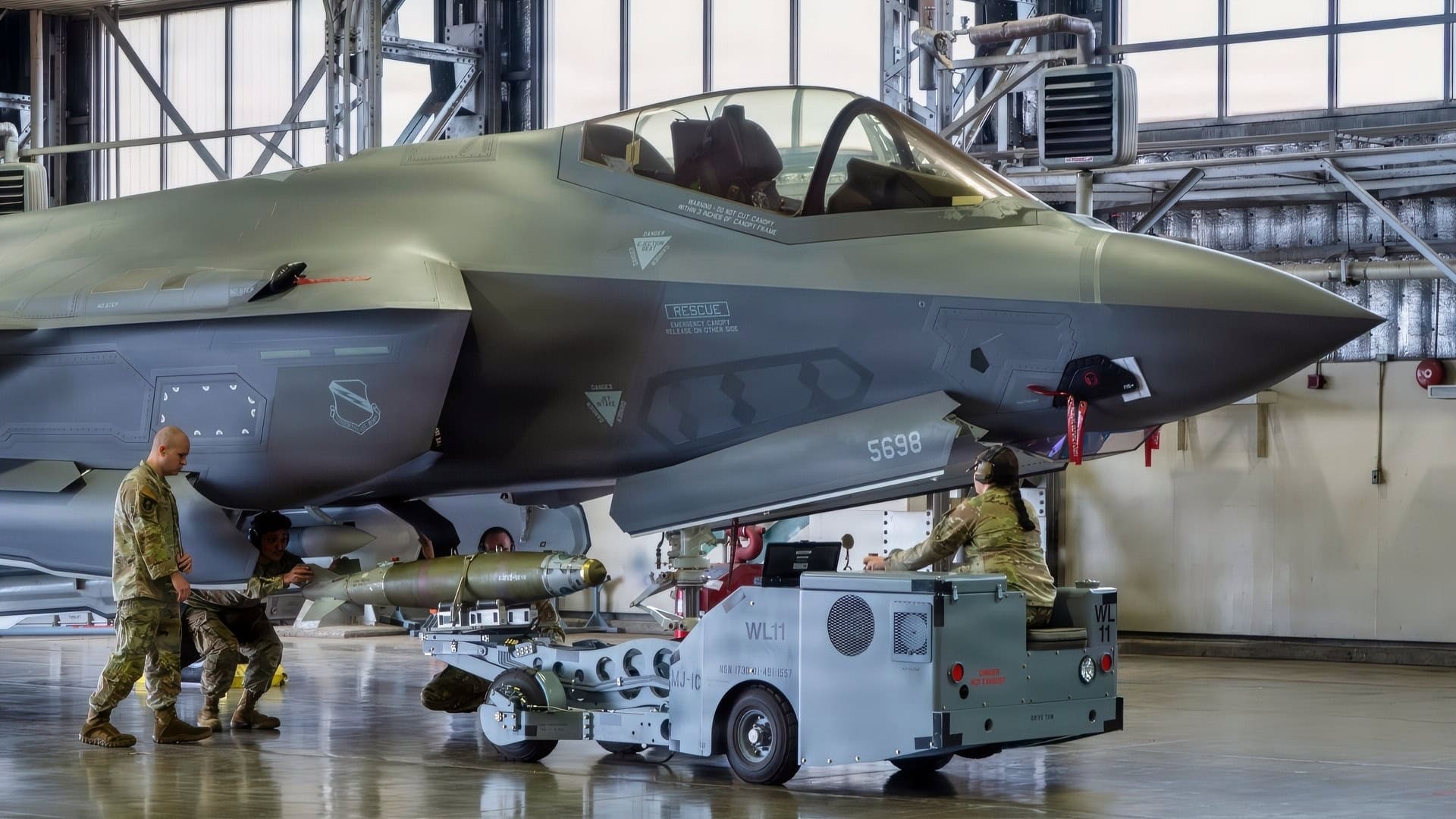
U.S. Airmen assigned to the 35th Aircraft Maintenance Squadron load a munition onto an F-35A Lightning II during a weapons loading demonstration at Misawa Air Base, Japan, Sept. 11, 2026. The demonstration highlighted the precision and technical proficiency required to safely generate combat-ready aircraft and sustain the 35th Fighter Wing’s ability to deliver airpower across the Pacific. (U.S. Air Force photo by Airman 1st Class Angelica Winther)
She added it “is the only one, at this moment”, capable of countering the most advanced threats being developed by Russia and China.
In another exchange, Speiser-Blanchet pointed to the jet’s “advanced stealth capabilities, data and sensor fusion and increased lethality.” Those systems, she said, let it “engage before being detected.”
The political argument, however, has since gone beyond aircraft performance.
Secretary of State for Defense Procurement Stephen Fuhr has questioned claims Canada cannot operate two fighter types, saying “many of our allies … run a mixed fleet with fighters.” “I don’t necessarily subscribe to the fact that we can’t do it,” he told CBC.
Saab is pushing its Gripen E as an option. In July, the Swedish company and Canada’s CAE signed an agreement covering training and support should Ottawa add Gripens.
Saab CEO Micael Johansson said the proposal would create “a world-class, sovereign training and mission support capability in Canada.”
Cost and Politics
The F-35 bill is also increasing.
Canada announced an acquisition estimate of C$19 billion. The Auditor General reported in 2025 that the estimate had reached C$27.7 billion, “almost 50% more than originally anticipated.” At least another C$5.5 billion in requirements needed for Full Operational Capability was not included in that budget.
The deal also has an industrial stake. Over 110 Canadian companies have received over C$5.2 billion in F-35 contracts so far, and 37 Canadian companies currently hold active program contracts.
The debate has become entangled with the deterioration of Canada-US relations. British Columbia Premier David Eby argued last month that “when your friend kicks you in the back… you don’t then go and buy $12 billion of fighter jets from that person.”
Washington has pushed the other direction. U.S. Ambassador Pete Hoekstra warned in January that “NORAD would have to be altered” if Canada withdrew from the planned fleet. “If Canada is no longer going to provide that [capability], then we have to fill those gaps,” he told CBC.
For now, the contradiction is apparent on the runway in Texas: Canada’s first F-35 is flying, but its government has yet to decide how many will follow.
About the Author: Georgia Gilholy
Georgia Gilholy is a journalist based in the United Kingdom who has been published in Newsweek, The Times of Israel, and the Spectator. Gilholy writes about international politics, culture, and education.