

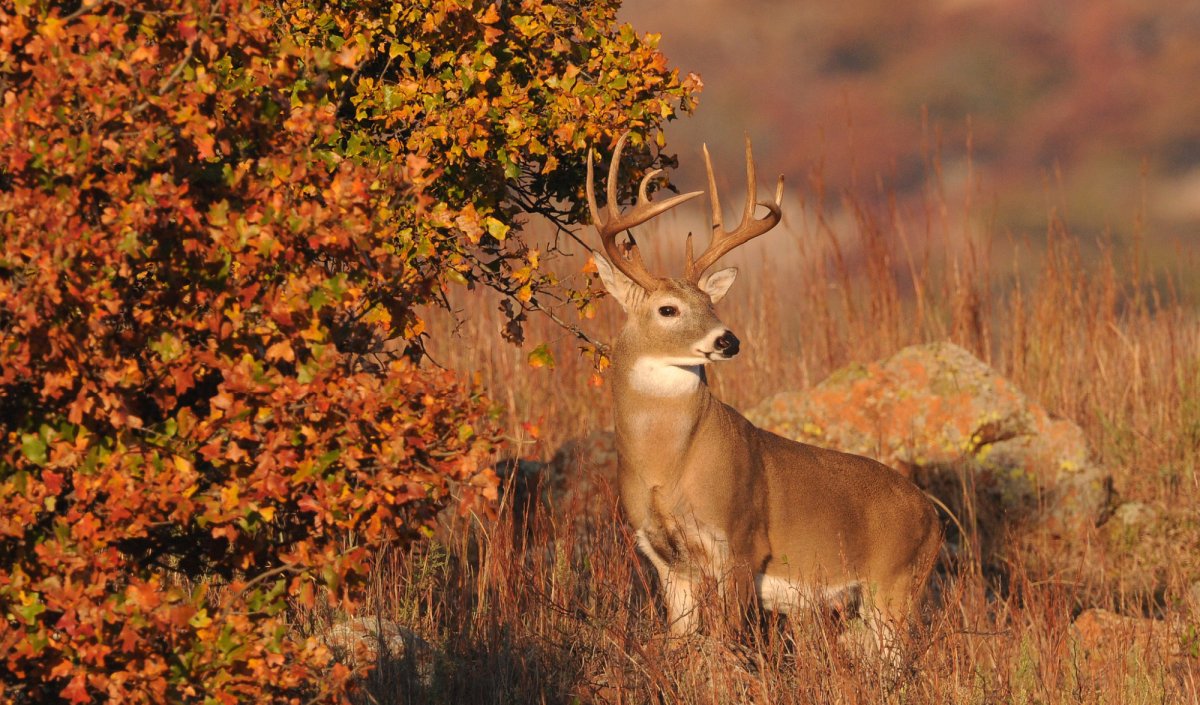
The reclusive and nocturnal nature of whitetail bucks is as apparent in October as in any other month, maybe more so. To make matters even more challenging, old deer are summer-fat and wear heavy fur coats; it’s no wonder they move so little and so slowly.
You can sit back and wait for the stars, the moon and a cold front to properly align and incite bucks to prowl during daylight hours. Or you can have more fun by trying some tricks or even a spectacular ruse to tag the buck of your dreams.
Here are 10 of the sneakiest tricks hunters I know have tried, along with eight bonus tactics to round out your master strategy.
1. Bare It All
Ronnie “Cuz” Strickland of West Point, Miss., was in a good predicament. Twelve oaks were dropping acorns 400 yards up and down his favorite ridge. Unfortunately, all of the turned-over leaves, tracks and other feeding sign were in a bare, sandy creek bed far from his tree stand. Deer could easily get at the nuts and remain out of reach of his bow. But Cuz had a brainstorm: Rather than moving his setup closer to the creek and the water oaks, he got a rake and cleared the leaves in a 40-yard swath beneath his stand back in the thick woods. He even raked a quiet path out to his truck.
Cuz waited a few days for his scent to dissipate. A light rain helped him the evening he crept back in. Seven does walked single file past the other oaks to the bare earth around his stand, where they gnawed the nuts because they were easier to find. The eighth deer to come along was a fat eight-pointer, and Cuz lanced him with an arrow.
2. Find Forbs
Until old bucks enter the rut just before Halloween, they’re fat and happy. Crops, clover, green browse, acorns and other mast are everywhere. Bachelor groups and loner males bed 50 to 150 yards from the feed and simply waddle over for a close, easy meal. So which food source should you hunt? Get this: None of them!
Instead, I occasionally sneak off and hunt a cut hayfield or an out-of-the-way pasture or gas line, especially for a few days after a good soaking rain. The moisture allows hundreds of weeds and broad-leafed forbs to pop up amid the native grasses. Herbivores like deer love the tiny, tender plants, which provide a tasty twist to their diet. I’ve watched small groups of deer and singles walk past soybeans, clover or corn to nibble greens in a pasture. When they do that, you need to be there.
I generally don’t bother hanging a tree stand because forbs come and go, and deer movement to and from them is iffy. Once I glass a few deer heading to a pasture or power line, I sneak over and set up in a ground blind. I don’t always get a bowshot, but sometimes I still hit it big. On several occasions I’ve found an 8- or 10-point shooter that I didn’t know was in the area because he hadn’t hung out with the other deer in crop fields and plots that fall.
Another thing I like: Nobody else hunts a food source like this. While other archers are packed around acorns and alfalfa (pressuring bucks and turning them even more nocturnal) sometimes I hit the jackpot in my forbs spot.
3. Act Like a Nut
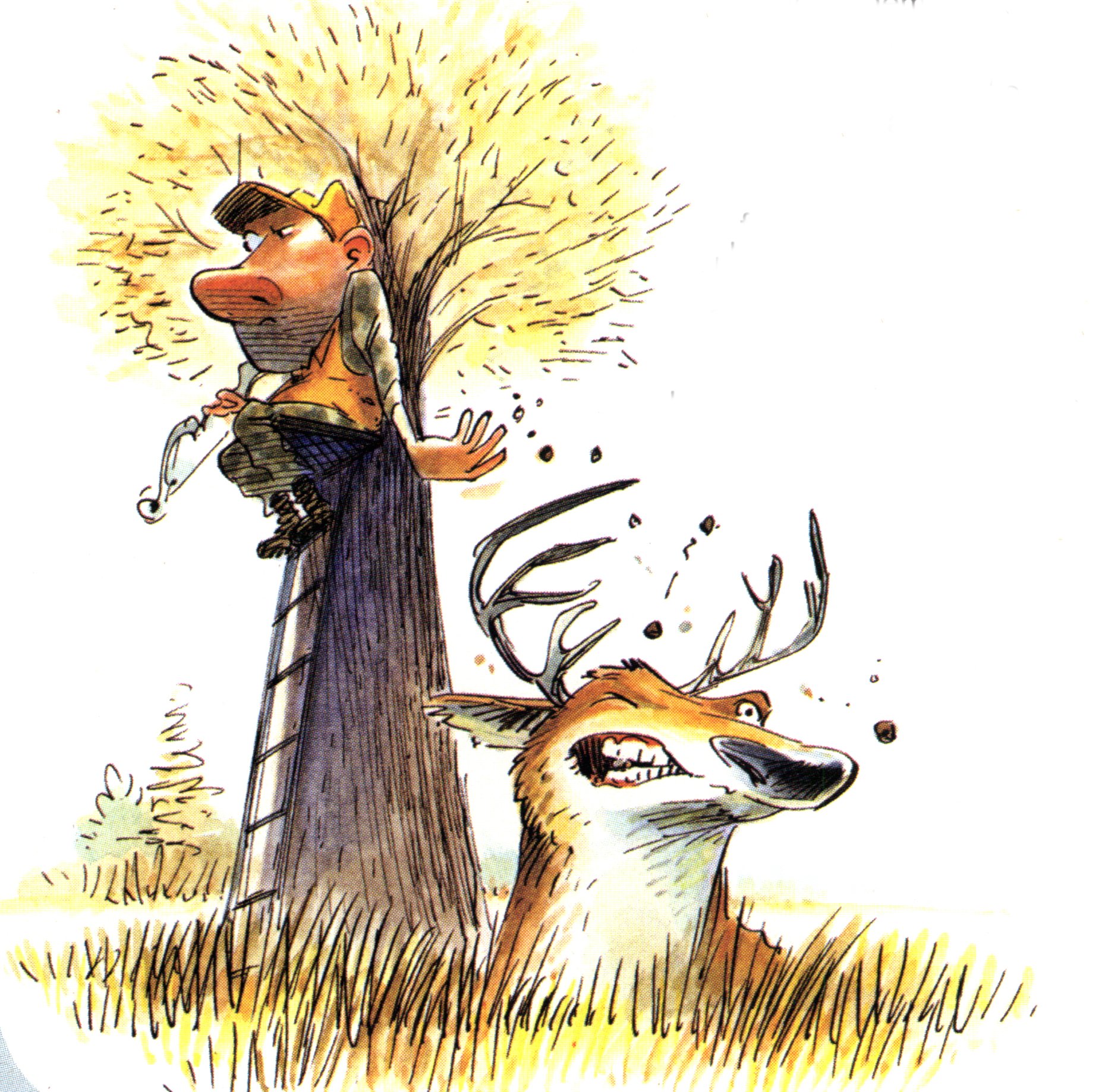
I asked readers of my blog, for their sneakiest tactics and Tom Fassbinder of Guttenberg, Iowa, won the prize. In July Tom scouts for oaks with big crops of nuts; he hangs stands nearby where the wind will typically be in his favor come October. When he comes back to hunt those stands, he pulls gravel from his pocket and drops several rocks plop, plop, plop every few minutes. “You can flick them in different directions for added effect,” he says. The little stones sound like acorns falling into the leaves, a sound that can attract deer. Tom notes you can wear latex gloves to keep your scent off the stones.
Read Next: Here’s What All Deer Hunters Should Know About Acorns and Oaks
4. Don’t Just Stand There
Most people hunt around food sources on evenings in October. Not Ralph Reynolds. The former Mr. Missouri bodybuilding champion is a total morning person. “I’ve seen big deer do goofy things, like get up and mill around from eight to ten a.m., even on the warmest days,” he says. Once during the early blackpowder season in Kansas, Reynolds shot a 156-inch buck that wandered through a piece of public timber at 8:30 a.m. The next season, on yet another morning hunt, he smoked a 17-pointer that grossed 202 inches.
But Reynolds isn’t a sitter. He sneaks to cover downwind of a crop field, still-hunts at a creep and glasses brushy draws and strips of timber. “Bucks haven’t been hunted for a year and they’re vulnerable,” he says. “You have to be smart and go slowly, but some mornings you can stalk to within muzzleloader or even bow range.”
5. Pay Attention to Details
Videographer Terry Drury finds that even though the October whitetails he hunts in Illinois and Iowa haven’t been pressured for a year, they’re still super-sensitive to odors and noises. “If you get sloppy and spook one doe, she’ll bolt and all the other does and bucks in the timber will run,” he says. “You can contaminate a great spot for days and ruin it for the rut.”
With his prey on such constant alert, Drury pays attention to even the smallest mistakes that may give his presence away. On every hunt Drury clicks his truck doors shut ever so lightly. He avoids allowing car keys to jingle or bumping gear, such as his bow, into his truck or trees that he passes. He doesn’t rattle or even clink a chain on a metal gate. He takes an extra minute to hop a fence silently. “When deer hit a barbed-wire fence, it twangs,” Drury notes. “When you push one down to cross it, it squeaks.” A deer can tell the difference.
On the way to his stand, Drury grinds his boots in deer pellets or dry cow pies (not fresh ones). He rinses his boots in creeks when he can. “We wear rubber boots, but every bit helps,” he says.
6. Shave Time Off Using Scents
Ever notice how slowly bucks meander through the woods during the second week of October, stopping here and there to smell and lick limbs, leaves and brush? Their olfactory senses are working overtime as the rut approaches. I play off that with a foam doe scent. I don’t waste time hassling with liquids, wicks or boot pads.
I simply carry a can as I sneak to my stand and spray dabs on limbs, leaves and logs. Even if I’m not so lucky as to have a buck follow my scent trail all the way to my stand, at least the doe-pee-scented foam helps to cover my human smell.
I spray globs the size of softballs in shooting lanes near my stands to increase the odor. Then I climb up and zap the white globs with my range finder. That way I know which sight pin to use if a deer walks by to investigate.
7. Branch Out
When the first serious scrapes start popping up in the woods around October 20, clip two or three mangled “lick branches” from above scrapes in areas you’re not hunting, carry them to your stand and wire the limbs 4 or 5 feet above a set of fake scrapes you paw just upwind of your perch.
Longtime whitetail deer researcher Leonard Lee Rue writes about the clever ruse in his book Way of the Whitetail (Voyageur Press, 2000): “The key seems to be that the overhead branch needs to be chewed upon, which leads me to believe that the saliva [of a deer] is more important than the forehead scent [for attracting bucks].” Make like a real criminal when swiping these licking branches: Wear latex gloves when you lift and relocate the limbs and as you doctor the dirt below with buck urine. Also, be sure to avoid stepping in the scrape.
8. Rub Bucks the Right Way
In Iowa last fall, Brian LaRue spotted a monster approaching. Sixty yards out the 22-pointer stopped and mauled a sapling; it then looked toward Brian’s tree and strolled into range. The hunter drilled him with an arrow. The 222-inch nontypical was one of the top bow bucks of 2005. “I’m convinced he was going for another big rub he saw on the other side of my stand,” Brian says.
That got one of my buddies and me to scheming: Let’s place a fake rub near one of our stands and see what happens. The week before I join him to hunt this fall, my buddy will pull up a couple of cedar posts that bucks have rubbed for decades on his Montana ranch (some deer will already have rubbed the posts again this fall and permeated the wood with real scent). He’ll truck them down to an alfalfa field by the Milk River and sink them on an edge where deer going to feed each day can easily spot them. Luke will consider the wind and set the posts within 25 yards of two of his best stands.
Read Next: The Secrets Of Signpost Rubs
9. Get Crafty
Renowned Iowa bowhunter Barry Wensel injured his arm a few years ago and now hunts out of ladder stands that he can climb one-handed. To hide the huge platforms, he cloaks them with artificial leaves and ferns that he buys at a craft store. “You know the kind—the brown, gold and green plastic or nylon ones with the wire stems,” he says. Wensel weaves the fake foliage around the uprights of the ladder and threads it down, around and through the seat and foot grill. When the real leaves fall later in October, leaving trees barren, his ladders stay hidden and deer are already used to seeing the fake foliage.
10. Let Down Your Hair
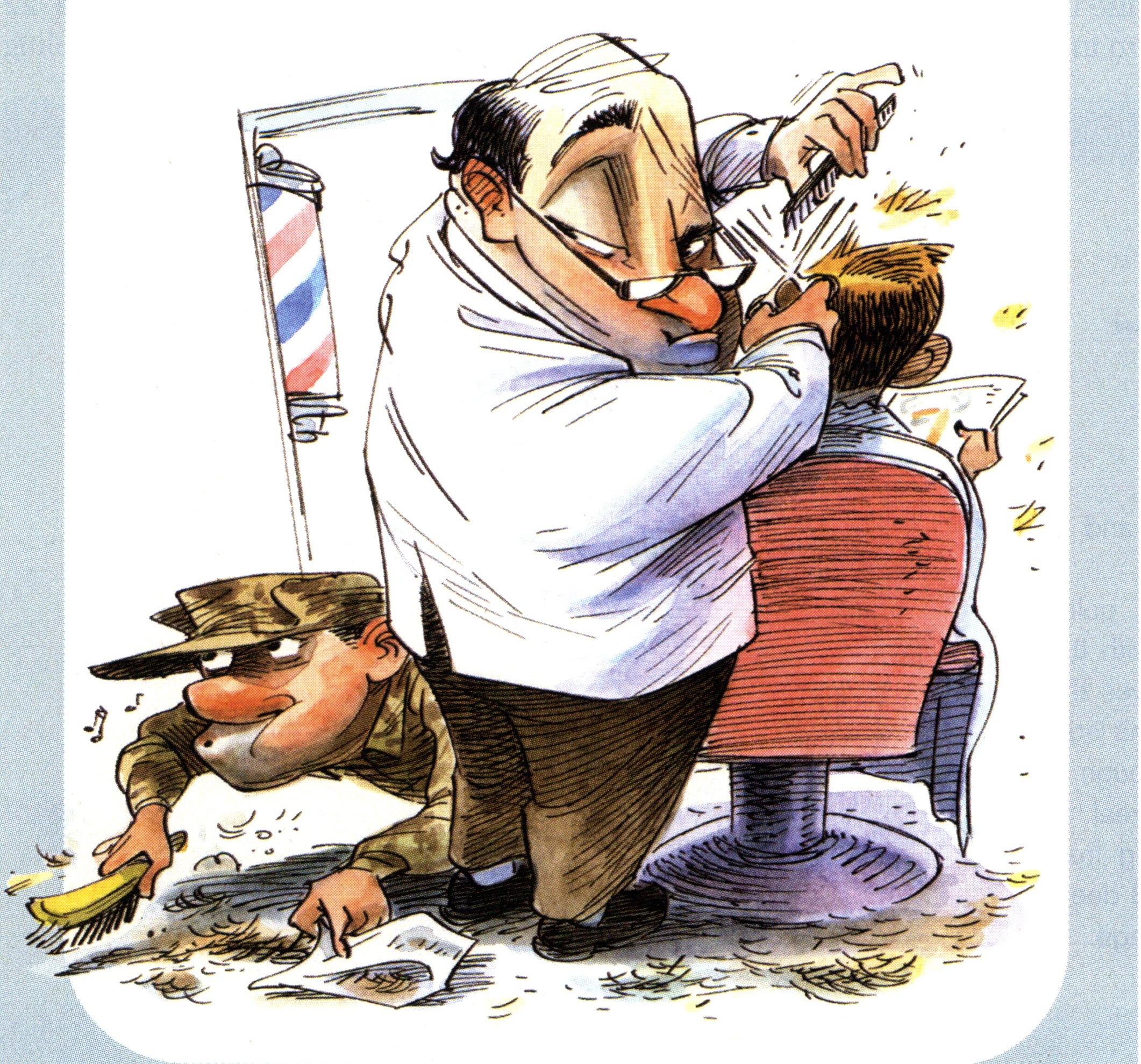
Gene Wensel, Barry’s twin brother, stinks up the joint—on purpose. One time he had a bunch of deer regularly coming to fields and pastures 150 to 250 yards from his stands. Gene went to the local barbershop and beauty salon, collected bags of hair clippings and spread them in the fields one night.
“The next day all the bucks had moved into the woods with me,” he says. “I didn’t shoot one, but at least I was closer!” Gene continues to use an old-school tactic similar to his hair trick: hanging 8 to 10 dirty socks strategically on bushes, limbs and fence posts. It tricks deer into thinking humans are ahead and funnels the animals toward his stands.
Bonus Tips
11. Find Water. Drought conditions are forecasted to last well into the 2006 bow season throughout the upper Midwest, the Dakotas and eastern Montana. Wherever it’s hot and dry, find a secluded pond or freshwater creek and shoot a buck there.
12. Focus on the Core. If you spot a monster in the first weeks of October, you know he has set up his core area in your woods. He’ll likely hang out within 400 acres or less until he begins to hunt for does around Halloween.
13. Be Cool. Say it’s a humid 70 degrees one evening and you’re watching a trail near a field. Nock an arrow and keep alert for those last 15 minutes of shooting light. A buck or bachelor group that didn’t move all day because of the heat might jog past you toward food as air temps begin to drop.
14. Hunt Behind Fronts. The best two days to hunt are the ones that fall right after a cold front blows through and drops temperatures 20 to 30 degrees. The cool blast kick-starts bucks that will begin to actively feed and chase.
15. Follow Your Does. If you’re sitting in a stand from which you can see three or four trails dumping into an alfalfa or clover field, 80 percent of the deer you’ll see that evening will be on the trail where the first does appear.
16. Don’t Be a Rattle Trap. I don’t rattle until after Halloween. (My field research shows that too much racket too early spooks more bucks than it brings in.) But I grunt sharply at every buck I see to coax or turn him into range.
17. Look for Scrapes. On ridges and flats where you found the most acorns in late September, you’ll find the first and most scrapes after October 20.
18. Pick a Hot Date. Expect good to great deer movement around the new moon, especially if it’s cool. After a string of dark nights, eager bucks should prowl for the first estrous does. Hunt the mornings as well as the evenings.
Read the full article here