
Summary and Key Points: On July 29, 1967, an electrical surge on an F-4 Phantom fired a Zuni rocket 100 feet across the flight deck of the aircraft carrier USS Forrestal and into a parked A-4 Skyhawk. Four hundred gallons of jet fuel ignited, the first bomb cooked off 94 seconds later, and seven more followed within five minutes. By the time the fires below decks were out the next morning, 134 sailors were dead, 161 were injured, and 21 aircraft were destroyed. Investigators traced the scale of the disaster to two things: safety steps bypassed on the flight deck, and Korean War-era 1,000-pound bombs built in 1953 whose weakened casings let them detonate in heat that newer Mk 80 bombs survived. America’s first supercarrier returned to sea in 1968 and served until 1993.
The US Navy Aircraft Carrier Fire History Keeps Coming Back to
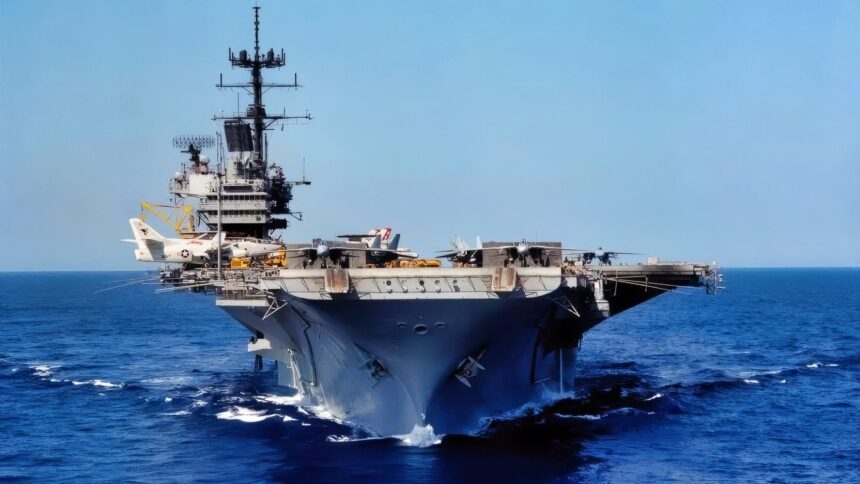
As the Cold War raged, the United States strove to maintain naval dominance over its Soviet rivals by building increasingly large, advanced aircraft carriers. One such carrier was the USS Forrestal (CVA-59), America’s first all-purpose supercarrier. But a massive fire aboard the leviathan on July 29, 1967, nearly ended her service.
That fire is considered one of the worst accidents in the Navy’s modern history, resulting in 134 sailors being killed, with another 161 being injured, and 21 aircraft onboard being destroyed by the fire.
First, let’s talk about the Forrestal herself.
The USS Forrestal
Commissioned on October 1, 1955, the USS Forrestal measured about 1,067 feet long and displaced more than 75,000 tons fully loaded.
The ship was a major advancement in naval aviation. In fact, by 1967, the Forrestal was operating in support of America’s growing War in Vietnam. Having arrived at Yankee Station off the coast of Vietnam in the Gulf of Tonkin on July 25, 1967, the Forrestal initiated operations against North Vietnam.
USS Forrestal Aircraft Carrier. Image Credit: Creative Commons.
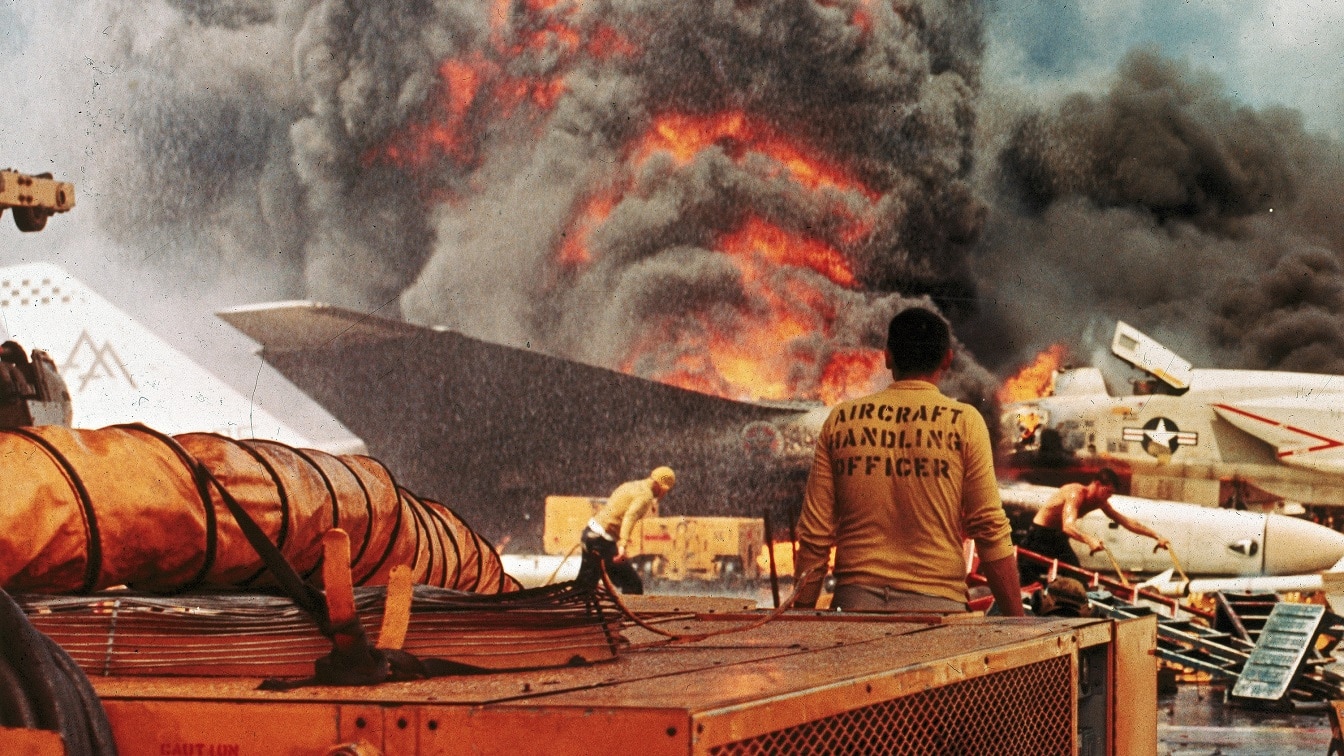
US Navy Aircraft Carrier USS Forrestal on Fire.
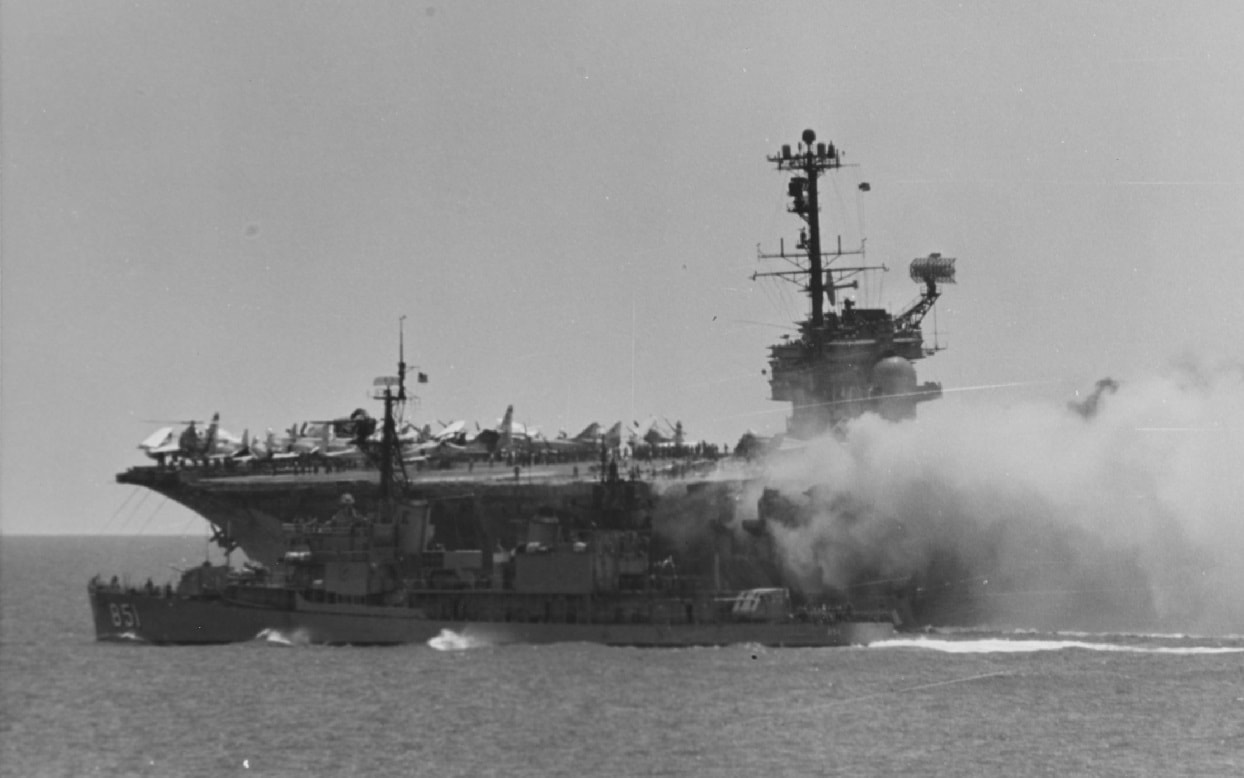
USS Forrestal on fire in 1967. Image Credit: US Navy.
The Fire Begins
In the morning hours of July 29, the Forrestal’s flight deck was brimming with activity in support of massive air operations against targets in North Vietnam. Weapons- and fuel-laden aircraft crowded the bustling flight deck. Among them were McDonnell Douglas F-4 Phantom IIs and Douglas A-4 Skyhawks.
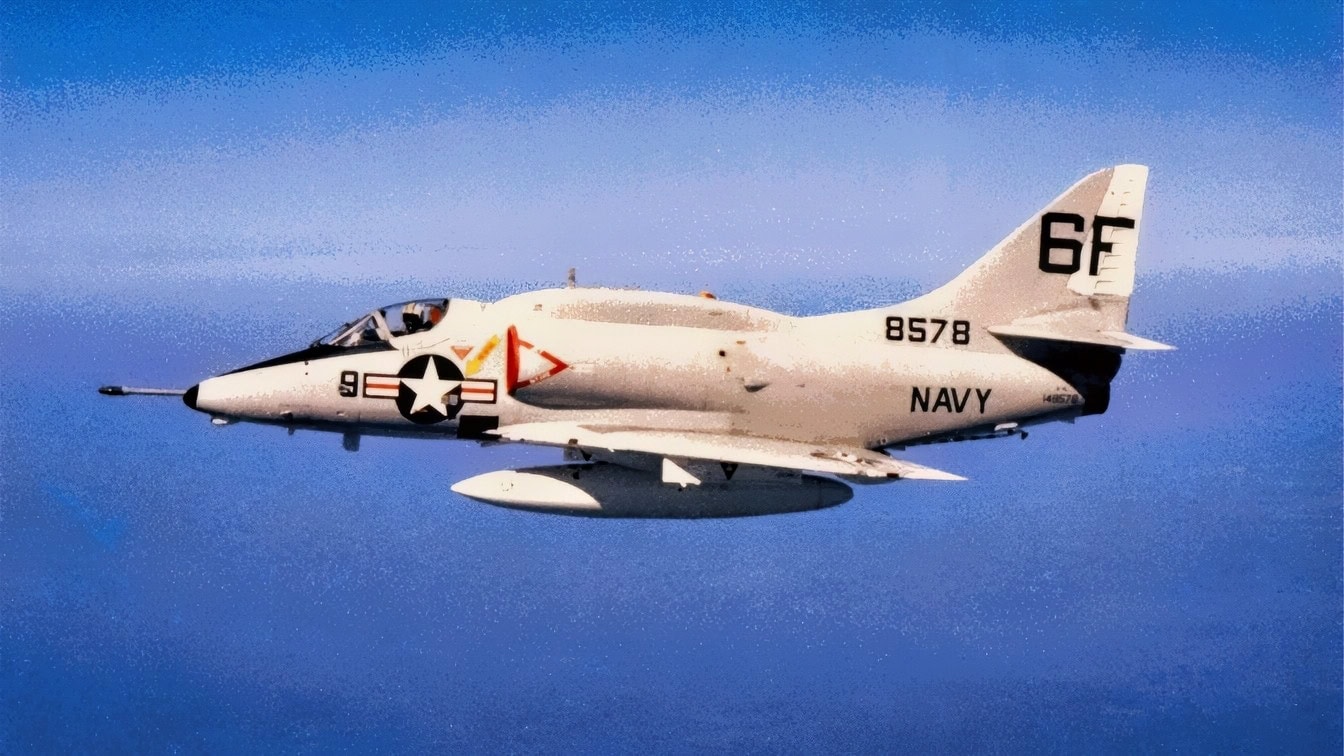
A-4 Skyhawk US Navy Photo
Not only were these birds packed together on the flight deck like sardines, full of aviation fuel, but they were loaded with devastating rockets, missiles, and bombs.
One such aviator on the flight deck that day was none other than US Navy Lieutenant Commander John S. McCain III. Indeed, scurrilous rumors followed the young naval aviator (until he became a prisoner of war in Vietnam) about how he allegedly was the cause of the infamous Forrestal fire.
But those were just rumors.
Investigators found an electrical malfunction on an F-4 Phantom that triggered an unintended rocket launch. Basically, when the F-4 in question switched from external to internal power, an electrical surge accidentally triggered the rocket’s ignition system. Two safety measures were supposed to prevent the accidental firing. But mission preparations had bypassed them. What’s more, they had removed a launcher safety pin.
The rocket traveled 100 feet across the flight deck before hitting a nearby A-4 Skyhawk.
Within seconds, the Forrestal was fighting for its life. Lt. Cmdr. Fred White piloted that Skyhawk, which was parked near McCain’s F-4.
Around 400 gallons of jet fuel spilled onto the flight deck and was ignited.
The rocket in question was a five-inch Zuni rocket mounted beneath an F-4B Phantom II.
Just a few years later, aboard America’s first nuclear-powered aircraft carrier, the USS Enterprise (CVA-65), another Zuni rocket caused a similar conflagration that nearly destroyed that iconic carrier.
Fighting the Conflagration
Anyway, firefighters did their best to contain the fire before it could reach ammunition exposed on the flight deck. Just 94 seconds after the initial explosion occurred on the crowded flight deck, another bomb exploded. Within five minutes, seven more bombs detonated.
Those explosions punched holes through the armored flight deck, allowing burning aviation fuel to seep into the compartments below.
To compound the problem, the ship’s damage-control teams made poor decisions while fighting the fire.
For instance, they employed water against the fires, which only spread burning fuel across more of the deck. Ultimately, the flight deck fire was contained within an hour.
However, the fires that spread below the flight deck continued until four in the morning the following day.
Multiple crewmen died in the berthing compartments just below the flight deck. Many of the sailors who perished there were asleep when burning fuel and smoke entered their quarters, leaving them in a hopeless situation.
When investigators got to the ship after the fire, they also found that a major contributing factor to the disaster was aging ammunition.
You see, the Forrestal had received Korean War-era AN-M65A1 1,000-pound bombs that were made in 1953. After years in hot, humid storage facilities in the Pacific, their steel casings had weakened. When the intense heat of the blast and fire hit those weakened steel casings around the bombs, they provided little protection, ensuring that the bombs in question would also ignite, contributing to the calamity.
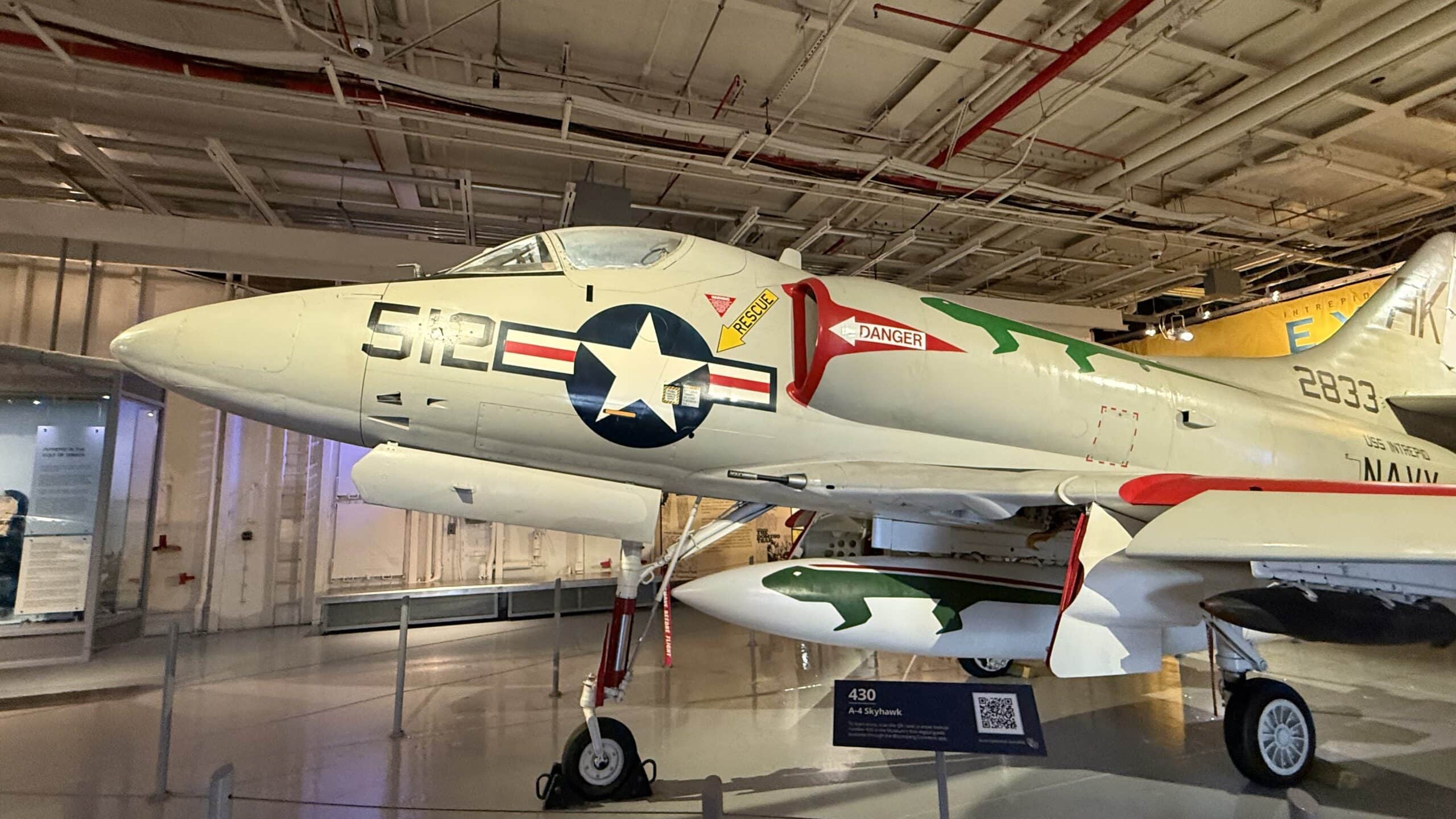
A-4 Skyhawk 19FortyFive Photo from USS Intrepid.
What’s more, many of the bombs in question contained Composition B, a powerful military explosive, that became increasingly hazardous under prolonged adverse storage conditions.
Lessons Learned
In fact, seven of those older bombs were among the first to detonate during the fire. Newer Mk 80 bombs generally resisted detonation because their steel casings were thicker and uncompromised, unlike the older bombs made in 1953, which years of exposure to the Pacific elements had weakened.
A year later, in 1968, the Forrestal returned to service and remained in the fleet until she was decommissioned in 1993.
The Forrestal fire showed how vulnerable a carrier is to weapons discharge—especially amid the chaos of major flight-deck operations. Just imagine how much more devastating it’d be for the crew of a modern carrier if a similar disaster happened that resulted from an enemy missile or drone attack.
About the Author: Brandon J. Weichert
Brandon J. Weichert is the Senior National Security Editor at 19FortyFive.com. He also manages The Weichert Brief on Substack. Weichert also hosts “National Security Talk” on Rumble. He is the author of four bestselling national security books, most recently A Disaster of Our Own Making: How the West Lost Ukraine (Encounter Books). Follow him via Twitter/X @WeTheBrandon.