
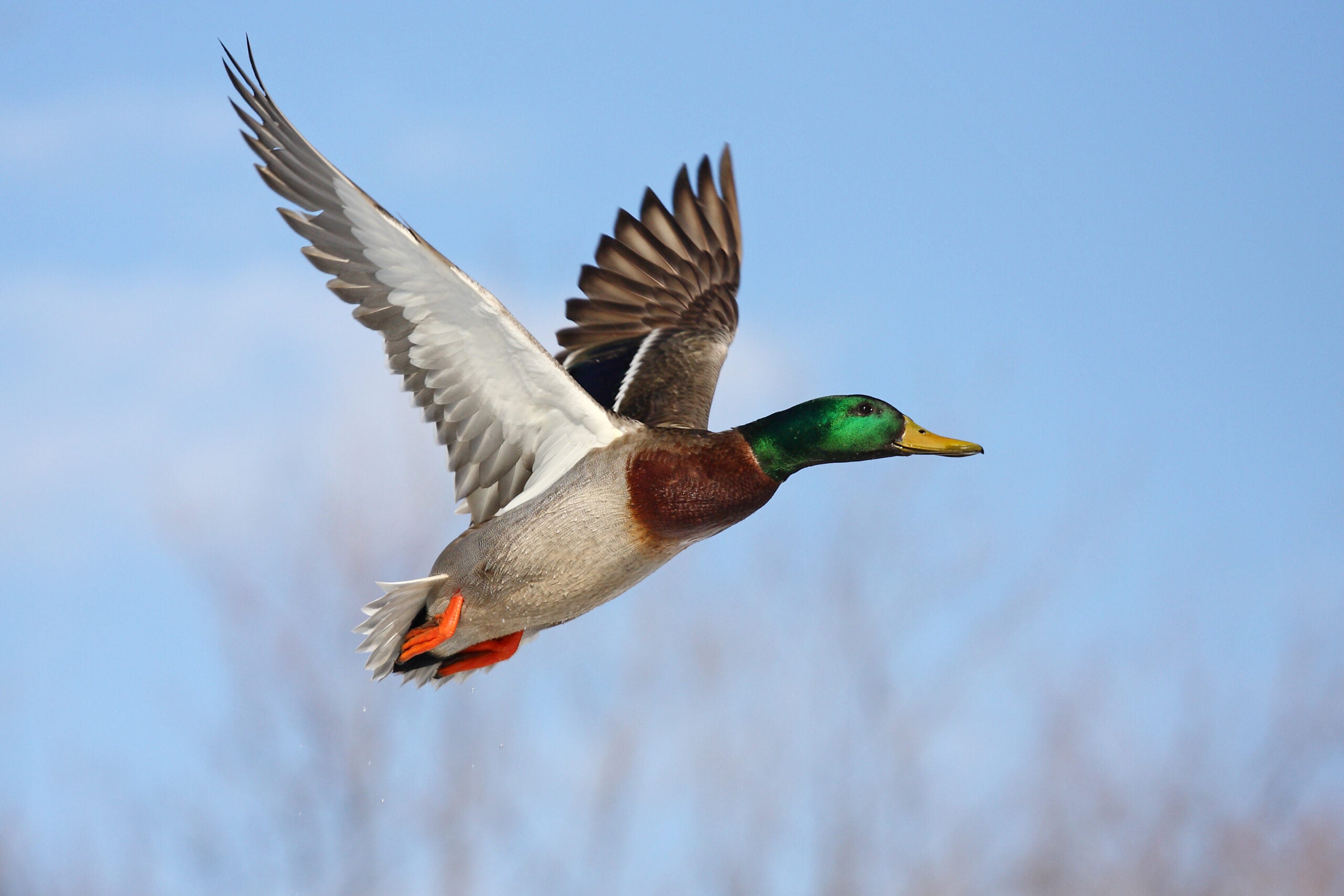
Big, hardy, and adaptable: the mallard duck is found all throughout the Western Hemisphere. Despite its international range, you can call the mallard America’s duck. Of all duck species, the mallard is the most numerous and widespread. Mallards are a common sight, both in the wild and in city parks. For many American duck hunters, there are only mallards and “other ducks.”
So, why do waterfowlers across the country obsess over Mr. Greenhead? For starters, they’re found in all four major flyways. The drakes are also gorgeous and what most hunters visualize when they think of duck hunting. Add the fact that they live in almost every wetland habitat imaginable, taste great, and come into the decoys more gracefully than most other ducks, and it’s no wonder the mallard is so sought after by hunters. Here’s everything you need to know about America’s most hunted waterfowl species, including where to find, how to identify, and how to hunt and cook mallard duck.
Appearance and Calls
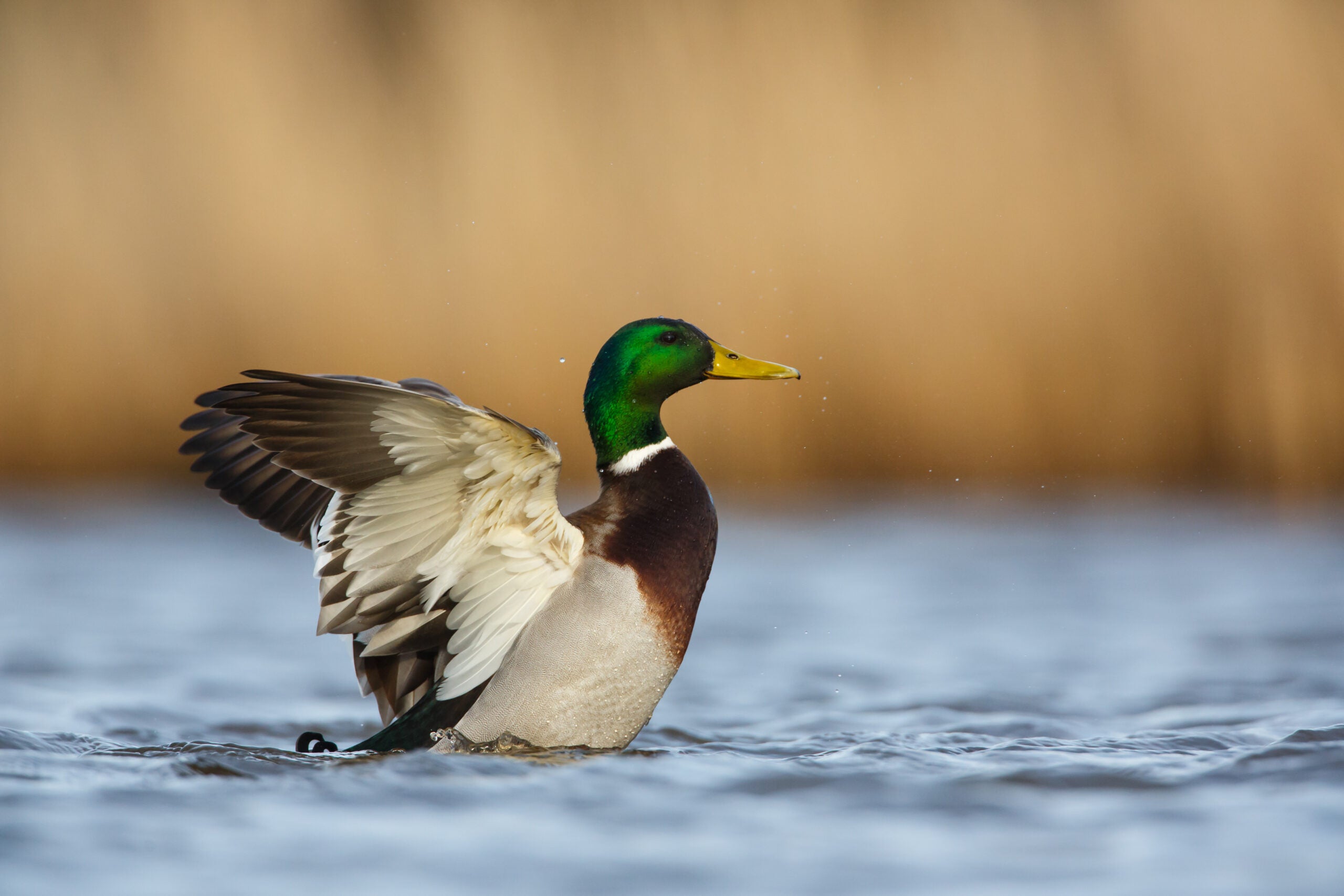
Mallards are called “greenheads” for a reason. The drake’s iridescent, dark green head, set off by a white neck collar and bright yellow bill, is the species’ trademark. They have a dark, chestnut-brown breast, gray back, and white and green tailfeathers, including two or three curled feathers that are perfect for sticking in a hatband. The hens, like all hens, are colored to blend into natural vegetation. Both hens and drakes have bluish wing speculums outlined by white bars on the top and bottom that make them identifiable in flight. Hens wear a coat of black-tipped brown feathers with an orange/black bill. Mallards range in size from 2 to 3 pounds, although some drakes get bigger.
The mallard hen makes the classic “quack” we associate with all ducks. The tones range from bossy to pleading to contented. Mallards also make a staccato chattering sound, both when feeding and, at times, in the air. The drakes make a soft, nasal quack that sounds like “dweek.”
Mallard Duck Feeding Habits
Mallards are dabbling ducks, meaning they skim and tip up to feed on seeds and invertebrates. They will also eat acorns in flooded timber, rice in rice fields, and a variety of waste grains in dry fields, and are especially fond of peas, barley, and corn. They are adaptable, too, and will eat fish in a pinch.
Breeding Grounds for Mallard Ducks
Mallards can breed almost anywhere, and they do. In North America, Mallards nest throughout the northern states and in much of the west. Ideally, though, they will nest in grasslands near water. The wetlands of the prairie pothole region in the northern plains states and prairie Canada form the heart of the North American mallard breeding range, and as water and habitat increase on the prairies, so do mallard populations.
Mallards form pairs in the late winter, with males courting by shaking and flicking their green heads at hens or raising to flap their wings. Once the female chooses a mate, she signals with a nod or holding her head submissively low. Then, the pair will choose a nest site. The drake defends the territory, often chasing other drakes through the air. Hens will scoop depressions in the ground, which can be quite far from the shore of a wetland. They will also use artificial structures, including an over-water tube on a post called a “hen house,” developed to allow mallards to raise their broods away from nest predators like coons, possums, foxes, and snakes. Hens lay nests from one to 13 eggs, and the ducklings can swim a day after hatching.
Fall Migration
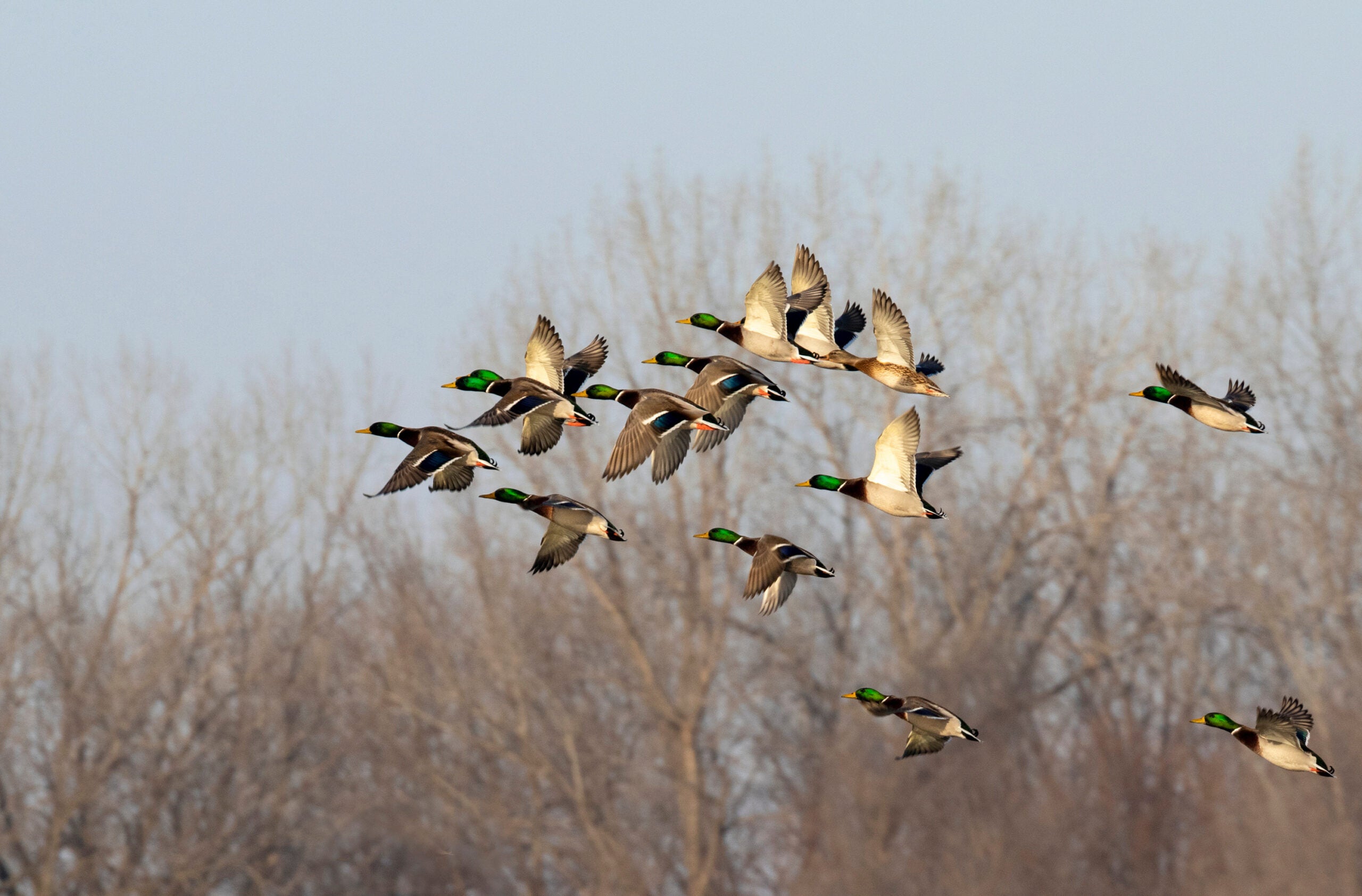
Mallards are hardy ducks and will migrate late, going no further south than they have to. They are capable of long flights, but aren’t necessarily long-range migrators. As long as mallards can find food and open water, they are content to stay, and they can be found wintering in almost every state and in Mexico. Arkansas and Mississippi hold large concentrations of wintering mallards, making both states traditional duck hunting destinations. Mallards find mild weather and lots of flooded food between the rice fields and the flooded oak bottoms in both states.
Conservation Concerns
Although mallards are adaptable and still plentiful, their numbers are dropping. They face threats on the breeding grounds of the prairie potholes region, where intensive row crop production keeps getting more industrialized. Bigger farm operations and bigger machinery mean fewer grasslands and pothole marshes, which directly affects mallard breeding success and numbers. As grassland areas shrink, mallards become more vulnerable to nest predation. Raccoons, which are not native to the northern prairies, have spread there, thrived, and can wreak havoc on mallard nests.
In the Atlantic flyway, mallards face the danger of habitat loss, but also another threat in crossbreeding with game farm mallards. Enough pen-raised mallards have been released over the many years to present a threat to the wild birds. Some researchers fear that interbreeding between wild and released mallards introduces genetic traits into the population that make the birds less capable of surviving in the wild.
How To Hunt Mallards
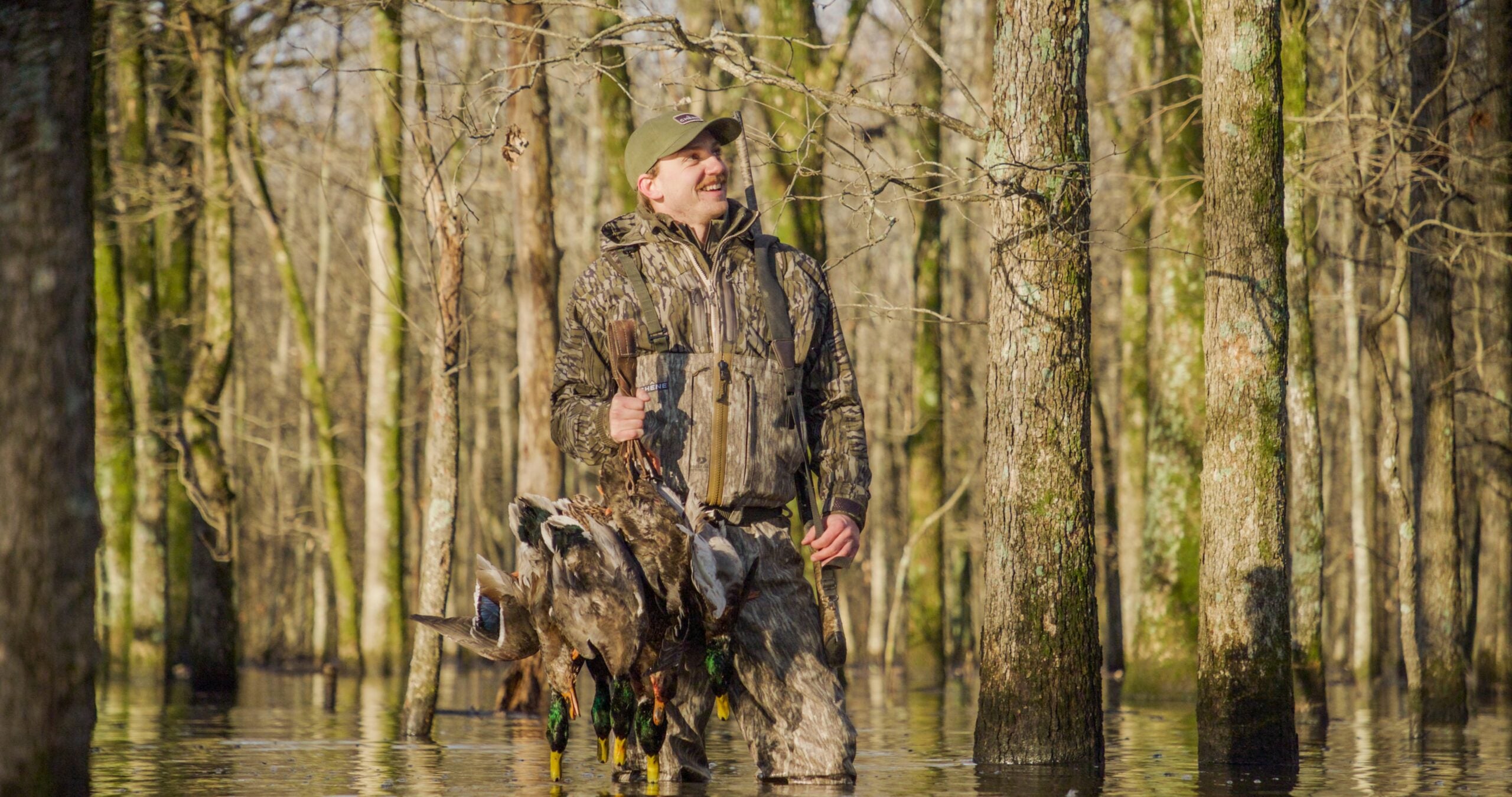
Despite a steady decline in numbers, mallards remain widespread and plentiful. They are prized by hunters, as they should be. Greenheads are big, tasty, and can be quite wary and difficult to hunt. Mallard hunts take place in a variety of habitats: creeks, ponds, rivers, big and small marshes, lakes, reservoirs, and dry agricultural fields.
As with all duck hunting, scouting is crucial to success. As a wise hunter once told me: “There are two places you can kill a mallard: where it wants to be and where it doesn’t mind going.” The “where it wants to be” is known to hunters as “the X.” That might be the place where ducks are feeding, such as a cornfield, sweetwater, or a wetland full of moist soil plants, or it could be the pond or marsh where birds come to loaf at midday.
Under some circumstances, you might hunt mallards where they come to roost in the evening, although hunting a roosting spot any more than sparingly or at the end of the year risks pushing the birds someplace else and ruining your hunting area.
Hunting the X doesn’t require a lot of decoys since you’re already where the birds want to be. One or two dozen decoys can be enough. Get there before they do, keep your calling minimal, and, as always with mallards, hide well. Field hunting for mallards is an exception to the minimal decoy rule. In the cornfields where I hunt, a spread of Canada geese and a few spinning wing decoys are the best setup for mallards.
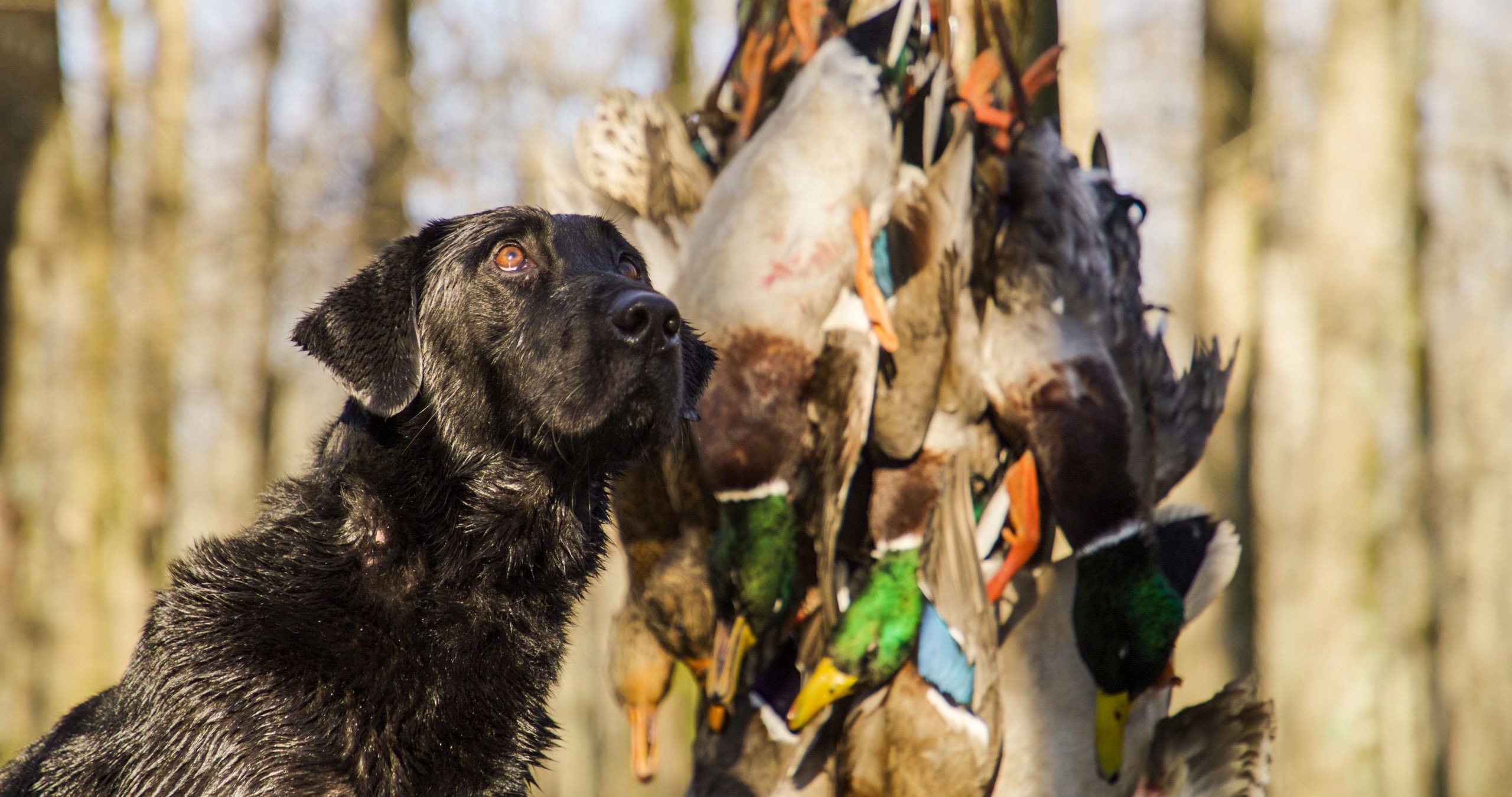
The other place to hunt mallards, “where they don’t mind going,” is also called “running traffic” because you’re on their flight path from one place to another, trying to get some to land in your decoys. It takes a big decoy spread of several dozen (some hunters use permanent blinds where they set out hundreds of decoys) and lots of skillful calling to make a traffic hunt work.
There’s no question skilled callers can convince a duck to land in a decoy spread it might otherwise pass over, so you need to learn to call. It’s also true that plenty of mallards can be killed with minimal or no calling if you’re in the right place.
Hiding from mallards is important any time or place that you hunt them. While I have had some very good mallard hunts sitting or standing in the weeds by a pothole, I always feel better about my chances in some kind of blind that affords overhead cover. Mallards will circle a decoy spread, and if they can look down and see you as they fly overtop, they will flare and leave. A good hide is everything.
Read Next: The Teal Trifecta: A Hunting Guide to Bluewings, Greenwings, and Cinnamons
Cooking Mallard Duck
When you do bag a mallard, or a limit of them, you have some of the very best-eating ducks in hand. Many hunters take just the breasts, which should be cooked very rare on a grill or in a skillet and sliced thin. It’s strong, flavorful red meat and only tastes bad and liver-like when it’s overcooked. While I may breast early-season mallards, once they get fat late in the year, they are well worth plucking and roasting whole for a short time (somewhere just over 20 minutes, often) in the oven at 450 degrees. You want a duck with golden-brown, crispy skin and rare breast meat. Once you get good at hunting and cooking mallards, the “other ducks” may not seem so appealing.
content_waterfowl-hunting
Recommended Products
Read the full article here