
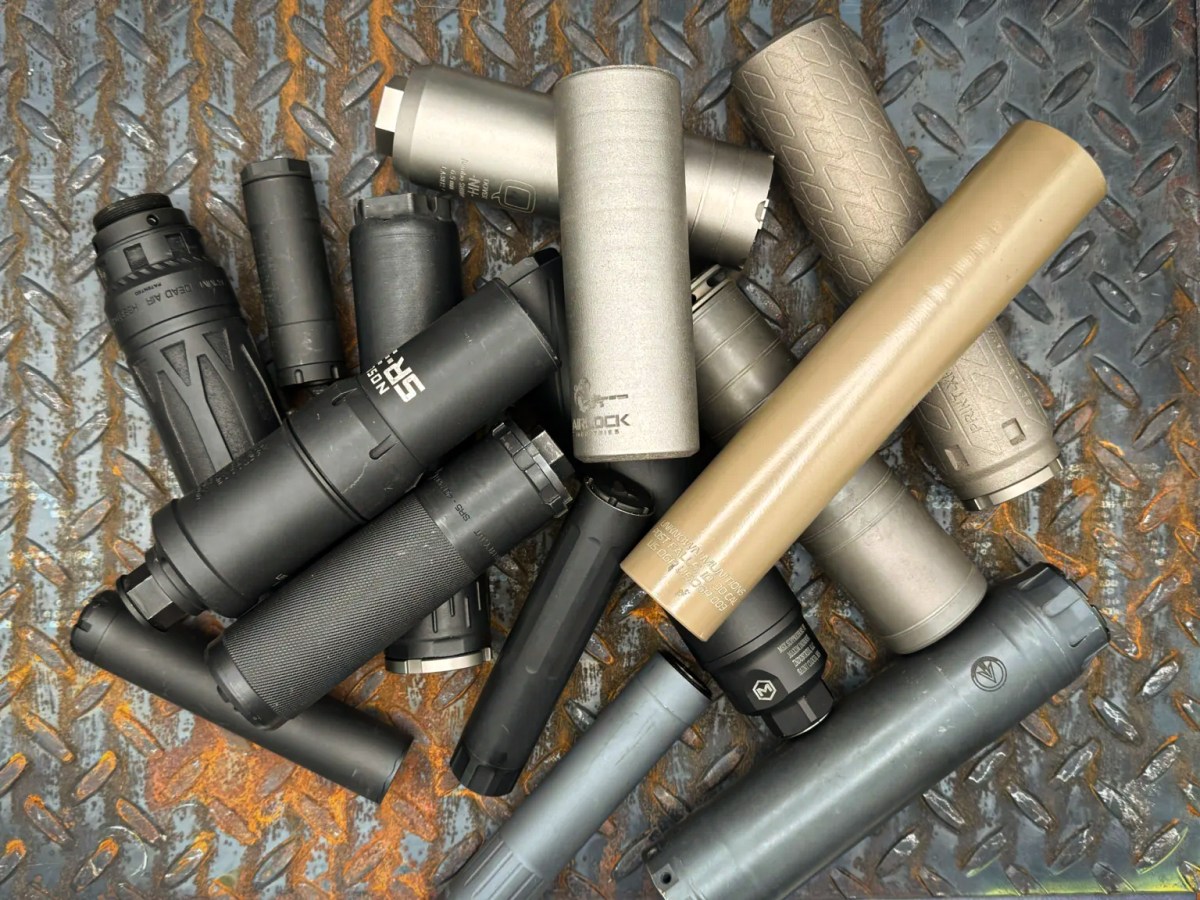
In a win for gun owners the Department of Justice will not appeal the ruling of a Texas judge in August that effectively deregulated suppressors for qualified buyers so they could be purchased over the counter with a standard background check.
U.S. solicitor general D. John Sauer formally announced the DOJ would not appeal Silencer Shop Foundation v. ATF in a letter dated Sept. 24 and filed Oct 1. The deadline for that appeal is Monday, Oct. 5.
This summer a federal district court ruled in favor of a handful of gun-rights groups and suppressor companies, essentially removing “silencers” from the National Firearms Act’s list of restricted items for qualifying plantiffs.
That ruling also resulted in confusion across the gun industry about the legal sale, purchase, and transport of silencers without using the traditional federal Form 4. The Bureau of Alcohol, Tobacco, Firearms, and Explosives plans to issue long-called-for guidance on new suppressor regulations and enforcement later this week, ATF director Robert Cekada confirmed Sunday in a reply on X.
Cekada previously told attendees at a conference in Dallas on Sept. 24 that suppressors transferred with 4473 forms — the same form used in a normal firearm purchase — would not be considered violations. He promised that ATF guidance would be forthcoming, which the ATF confirmed in an email to Outdoor Life.
Industry insiders hope the ATF’s guidance will offer clarity and instill confidence in gun buyers and shops, but realistically expect some ongoing confusion beyond early October.
In the weeks that followed the ruling some shops reported a booming business and even sold out of their silencer inventory. Silencer Shop’s homepage still reads, “We won; no registration; no wait time.” Several stores posted videos showing long lines of customers waiting to buy suppressors over the counter.
Meanwhile other shop owners and customers were uncertain if an appeal by the DOJ could invalidate suppressors transferred without a Form 4, with the most critical gun owners accusing the ATF of trying to ensnare otherwise law-abiding citizens in criminal offenses.
Cekada has also called rumors that the ATF was seeking “brutal revenge” for the ruling “clickbait” and “misinformation.” He assured the public in a post on X that the ATF would honor the court’s ruling and not take enforcement action against anyone who complied with it.
“It is our belief that the ATF is working in good faith here,” says Bill Sack, a lawyer and the senior director of legal operations for the Second Amendment Foundation. “This has taken longer than everybody would’ve wanted to get this guidance [but] we don’t believe that the ATF is doing it to be nasty or to be obstinate in the face of having some of their regulations struck down. We’re pretty confident that the people at ATF are doing the best thing they can to protect gun owners from the sorts of problems that [some critics have] articulated, that this is a trap.”
Why Suppressor Buyers Still Need the Hearing Protection Act
One lingering problem with ATF clarification once it does arrive is that 15 states will still require compliance with the federal National Firearms Act to purchase a suppressor. The best solution to this problem, says CEO of Silencer Central Brandon Maddox, is the Hearing Protection Act.
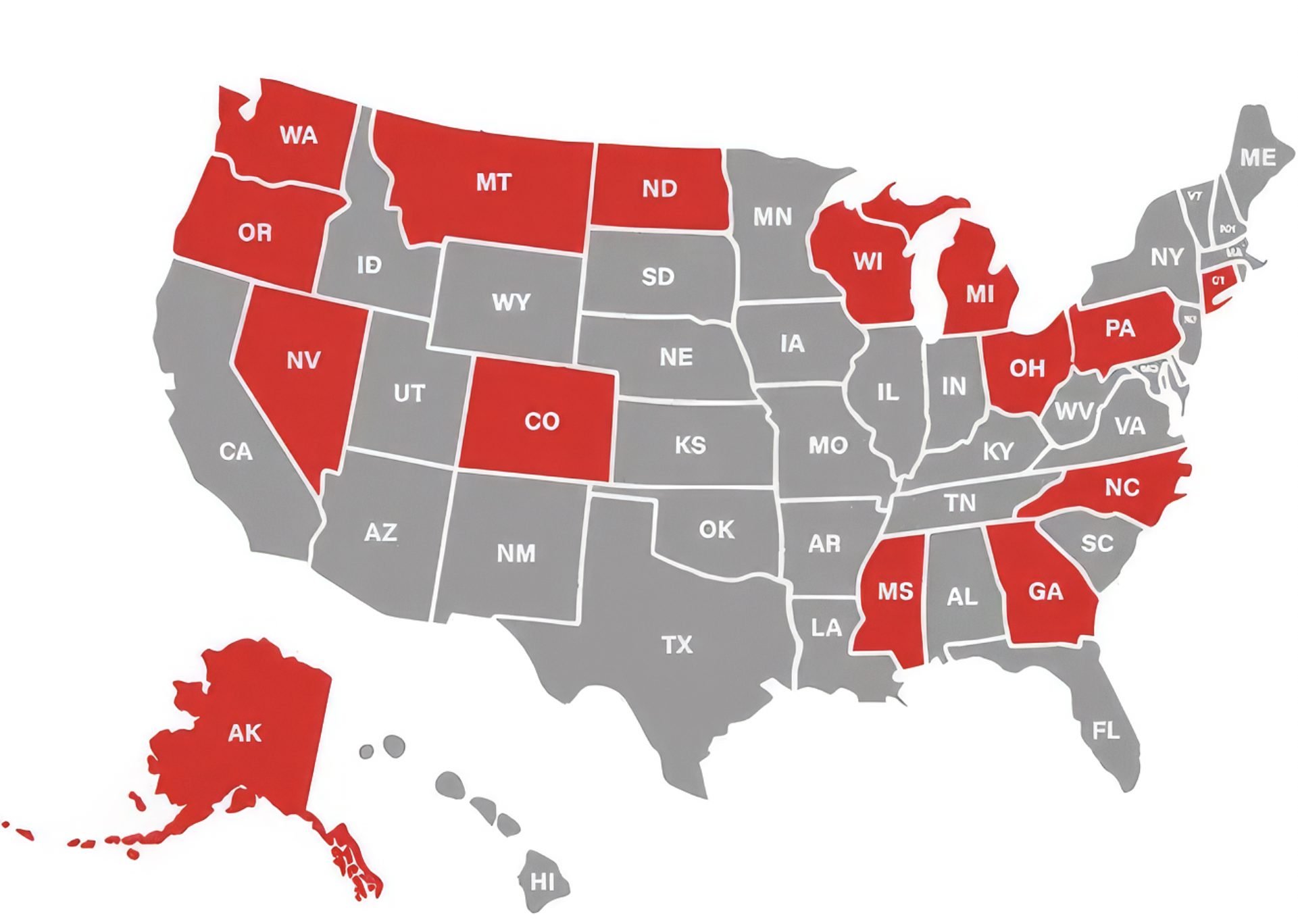
“The really big benefit to the Hearing Protection Act is it would get rid of some of these state issues. It makes it clear at a state level. Because there’s a lot of pissed-off people in the 15 states [that require National Firearm Act compliance for suppressor purchases] that are like ‘hey, you guys get to play in this new game and we don’t? That’s not fair.’”
An act of Congress like the HPA would also help prevent a future administration from undoing the current basis for the Texas ruling. That court decision is based on taxation power related to the NFA suppressor stamp dropping from $200 to $0 — not Second Amendment rights.
“Until we see the ATF’s guidance we just don’t know [what to expect for suppressor ownership],” says Maddox. “My assumption is the ATF is going to say, ‘Except for the 15 states, we’re not going to enforce it.’ Obviously, that can get changed with a new administration … [A future Democratic administration] could create a budget that puts a five dollar or five thousand dollar tax on NFA items, and we’re right back to where we were.”
Groups like the National Shooting Sports Foundation and the Congressional Sportsmen’s Foundation are actively lobbying in those states for changes to suppressor law, says Maddox, who serves on the board of directors for both groups. Ironically, the NFA compliance laws in those states were originally seen as pro-Second Amendment legislation at the time.
“The thought was to keep from creating a state law related to regulating NFA items. They just piggy-backed on federal law,” says Maddox. “But now some of those states have turned purple or blue, so it’s hard to go back and undo those things.”
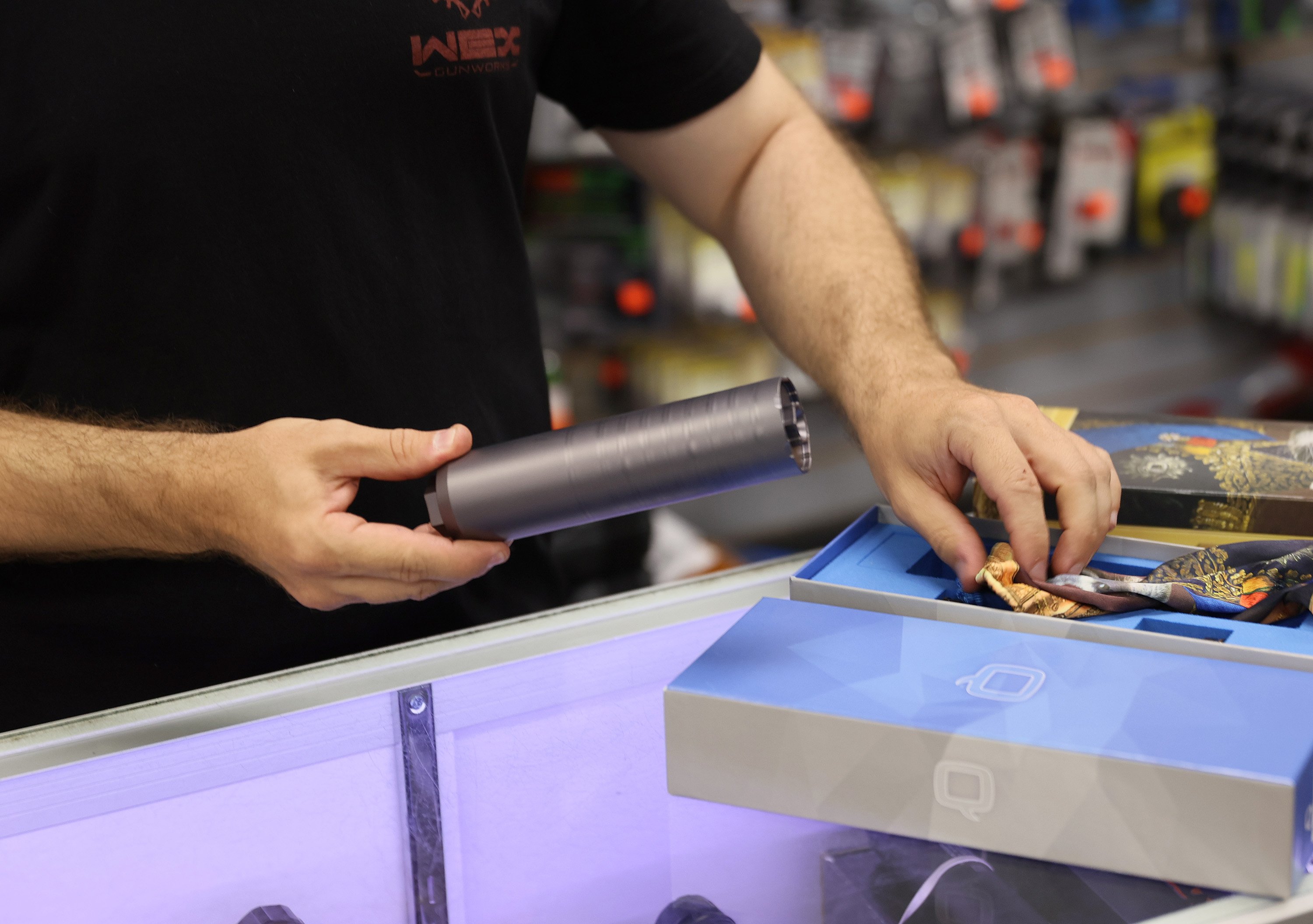
The NSSF continues to advise caution and expects ongoing attempts to clarify the law. Most gun industry groups are stopping short of advising confused customers on whether they should buy a suppressor over the counter or wait for ATF clarification or beyond.
Meanwhile, nine state attorneys general have filed a motion for clarification, which has yet to be ruled upon. The DOJ has until Oct. 12 to respond.
In a letter those attorneys general asked specific questions of the ATF, and included mention that Kansas attorney general Kris Kobach “himself may purchase a suppressor in the weeks ahead and is willing to sign an affidavit if the ATF attempts to defy the order, either willfully or mistakenly.” Those questions posed by the attorneys general include, among other requests:
- How will purchasers and dealers know that the government’s applicable registration requirements are no longer enforceable in the [Jensen] Plaintiff states?
- Will notice be provided on the ATF website that enforcement of the registration requirements is enjoined in the Plaintiff states?
- Will all firearms dealers and relevant manufacturers located in Plaintiff states be notified directly and promptly by the ATF that they no longer need to comply with the relevant registration requirements?
Read Next: Here’s Everything You Need to Know Before Buying a New Suppressor
Two More Suppressor Cases to Watch
Two cases similar to the Silencer Shop v. ATF (also referred to as Jensen v. ATF, since it was combined with the Silencer Shop case) are currently pending. Those are Brown v. ATF in Missouri and Roberts V. ATF in Kentucky.
A ruling that favors gun rights in either or both of those cases would extend over-the-counter suppressor purchases to more people, says Sack, the lawyer for the Second Amendment Foundation. SAF is a named plaintiff in Brown v. ATF.
“If we got the same style of injunction in the other cases, then we would have additional organizations that now have their members covered. The more people covered, the better, as far as we’re concerned. The closest we can get to universal application [of suppressor regulations], the better.”
One or both of those cases might prompt a judge to rule not just on NFA taxation, but to say whether existing restrictions on suppressors are unconstitutional under the Second Amendment.
“Courts typically avoid constitutional questions when they don’t need to answer them, and that’s exactly what the court in Jensen did,” says Sack, referring to a formal doctrine called constitutional avoidance. “But it is possible and we would love to get a win on the Second Amendment grounds, too.”
Should You Buy a Suppressor Over the Counter Right Now?
Until ATF guidance appears, most experts and gun industry groups won’t advise gun owners on whether they should or should not go buy a suppressor over the counter. Instead, lawyers like Sack suggest seeking legal advice from your own attorney.
“If [potential suppressor buyers] are currently in a jurisdiction where there’s not a state-level problem and their FFLs are processing suppressors on 4473 [forms] without NFA paperwork and they’re covered by the injunction because they’re a member of one of the orgs or the injunction is invoked in one of the other ways it can be, this ATF thus far has said they are not going to be prosecuting those transactions as part of the NFA,” says Sack. “That’s the only information that we have. Exactly what that means and what that means in the future? That’s why we’re waiting for additional [ATF] guidance.”
Read the full article here