
We may earn revenue from the products available on this page and participate in affiliate programs. Learn more
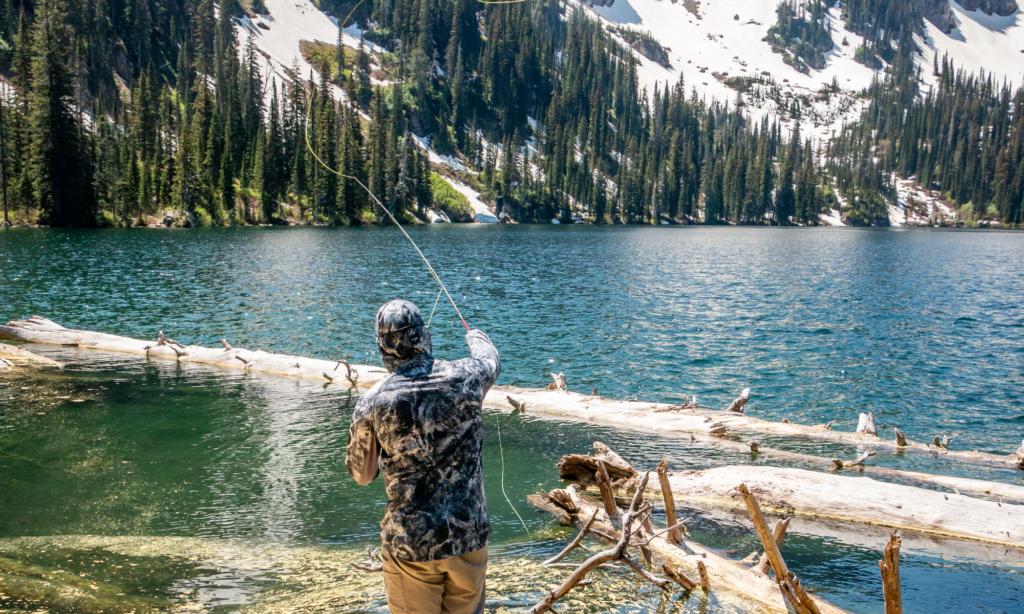
I love fishing in the mountains. I grew up in Southwest Colorado and cut my teeth doing so—first using conventional tackle with my father and later, with fly fishing gear. Fishing in alpine settings can provide fast-action fishing for trout that are simply not as pressured as those in more accessible locations. Both the scenery, and the fish, are almost always beautiful.
But fishing such locations doesn’t come without challenges, many of which I’ve faced over the years. The fish themselves can be particularly spooky, making stealthy approaches paramount. The streams and lake shores can be choked with vegetation, making casting near impossible. And the hikes—and often bushwacking—involved just getting to these places can pose serious difficulties, too.
One thing I’ve learned over a lifetime of fishing remote alpine areas is that your gear matters—a lot. Read on for a list of the best equipment for fishing in the mountains. I’ve put all of it to use while fishing in the rugged backcountry of western Montana. The main factors I considered were functionality and versatility, though I also kept in mind affordability and aesthetics.
best shoes
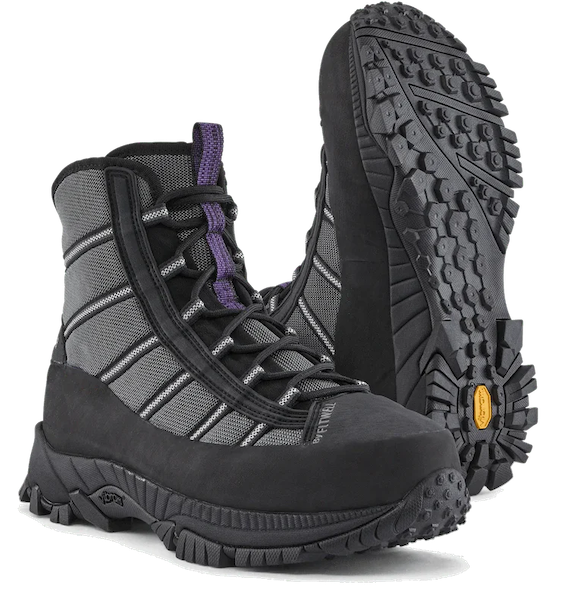
Patagonia Forra Wading Boots
Pros
- Lightweight
- Breathable
- More ankle support than typical wading boots
- Great traction
- Easy to transition between trail and water
Cons
- Trail use will wear out outsole
- Pricey
Specs
- Weight: 2.6 pounds
- Upper Material: 100-percent nylon mesh
- Midsole Material: EVA and Rubber
- Outsole: Vibram Mars with XS Trek compound
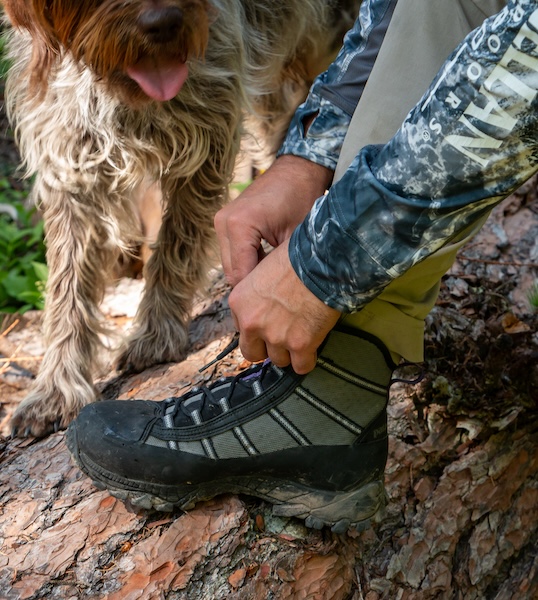
Most folks that fish alpine streams and lakes don’t use true wading boots. Instead, the conventional wisdom has been to wear normal hiking or trail running shoes, and then simply use them for wading. Or,you can bring a pair of sandals and transition to them for wading. The reason most alpine anglers don’t use wading boots is because they’re not typically made for trail use and they’re too bulky to pack.
But recently, I came across the Patagonia Forra Wading Boots, one of the only products that’s marketed for both trail and water use. I wondered if they lived up to the that claim—and after putting in hours on the water and trails with them, confirmed that they do. These are some of the lightest and most comfortable wading boots I’ve ever worn. Additionally, the high ankle, sturdy toe, and durable outsole makes them great for trail use. When they’re used on a river or lakebed, they still have plenty of grip. My one real concern is that I’m not sure how much trail use will impact their durability over the long term.
best fly rod
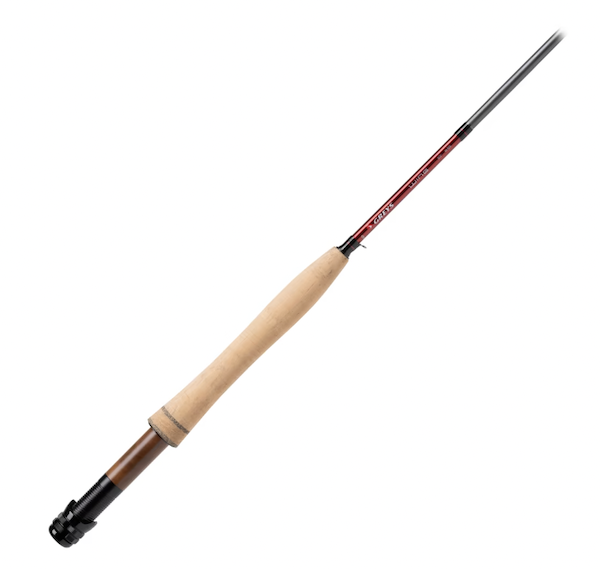
Greys Wing Travel Fly Rod
Pros
- Easy to pack
- Versatile
- Good value
- Casts well
Cons
- Lacks elite-level feel
- Aesthetic could be improved
Specs
- Rod Action: Medium-Fast
- Number of Pieces: 6
- Length: 9 feet
- Weight: 3.1 ounces
- Rod Handle Material: Cork
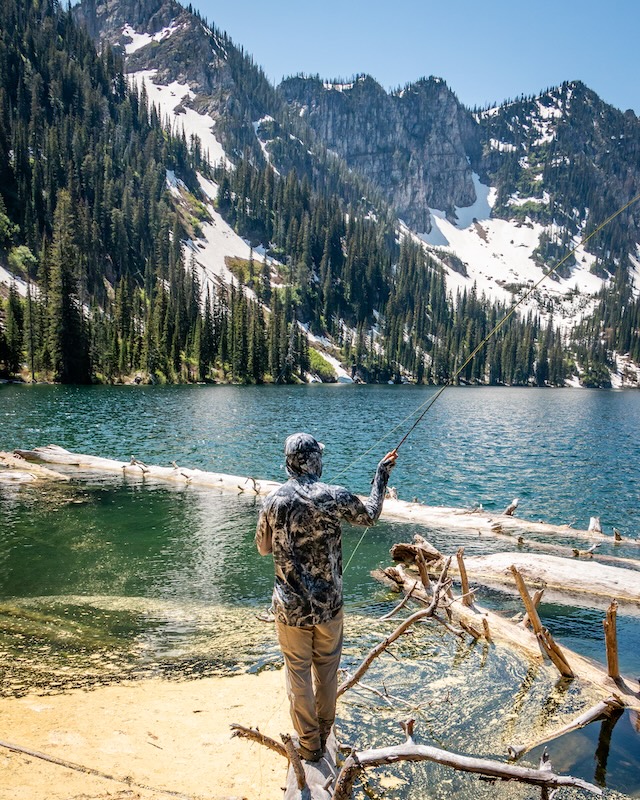
The truth is, most fly rods work just fine for alpine fly fishing, so long as you bring the correct weight for the size of the water and fish you are targeting. This is because fly rods can all pack down into rod tubes, which can then be stashed in your pack for the hike out. That said, I’ve found that long rod tubes, especially for three-piece rods, can often get in the way when you’re busting through heavy vegetation or trying to duck underneath deadfall. The ideal alpine fly fishing rod is a six-piece setup that will get caught on things less when it’s packed up and still perform well on the water. For small creeks, a 3-weight is great, but a 5-weight is a more versatile option if you’re also fishing lakes. I didn’t include a reel on this list as most fly fishing reels work just fine; a click-and-pawl is the traditional option, while a drag reel handles bigger fish better.
I really like Greys Wing Travel 5-weight. It’s a six-piece graphite rod that packs down into a rod tube that’s only 22-inches long, meaning it doesn’t extend above my head when it’s in my pack. It’s easy to put together for a 6-piece because of painted on striped guides. On the water, it’s a versatile rod that casts reasonably well. The company markets the graphite rod as medium-fast action, but I’d say it skews closer to a fast action rod. Compared to truly premium rods, it lacks feel and aesthetic design. But for most alpine lakes and streams, it’s a great do-it-all—and durable—option.
best conventional rod
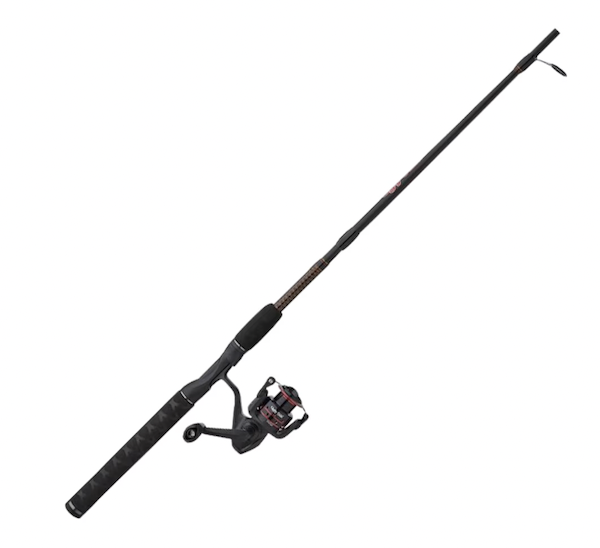
Ugly Stik GX2 Travel Spinning Rod Kit
Pros
- Affordable
- Durable
- Packable
- Lightweight
Specs:
- Length: 5 feet
- Power: Light
- Line Rating: 4 to 10 pounds
- Number of Pieces: 3
- Reel Size: 25
- Max Drag: 8 pounds
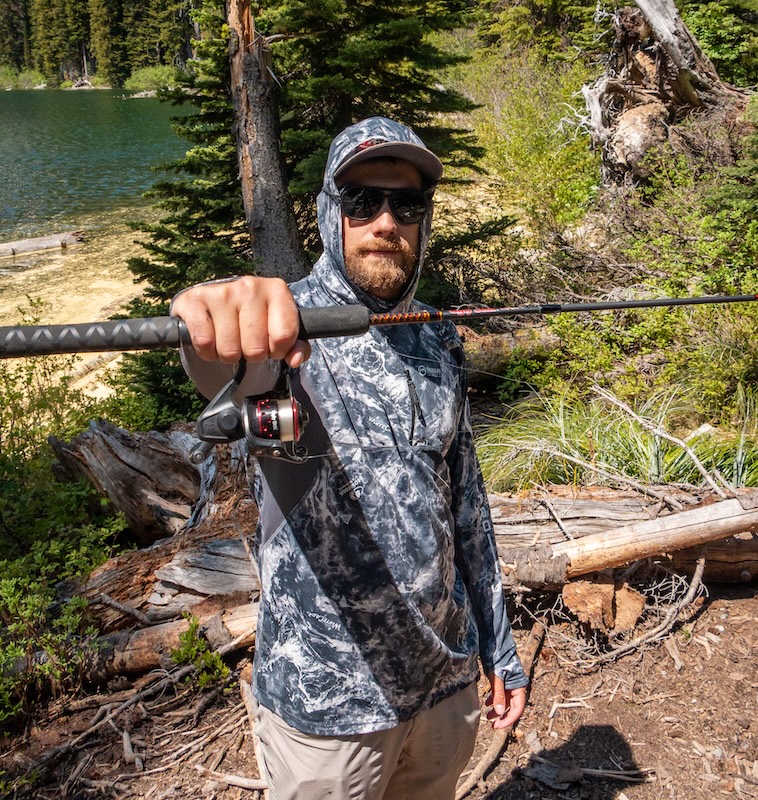
When I first started fishing mountain lakes, I used telescoping rods. Eventually, I got tired of how unreliable they could be and opted for travel rods that break apart instead of telescoping. These rods are more durable and reliable than telescoping rods—and Ugly Stick makes a great option.
Ugly Stick’s GX2 Travel Spinning Kit is affordable and comes with a rod and spinning reel—my preference for trout fishing of any kind. I particularly like the 5-foot, lightweight option for alpine fishing as anything bigger than that is typically overkill. Ugly Stick is known for making durable products, which is key for remote outings in which your gear inevitably takes a beating. In addition, I was impressed by the rod’s sensitivity, which will help you detect strikes from finicky mountain fish.
best net
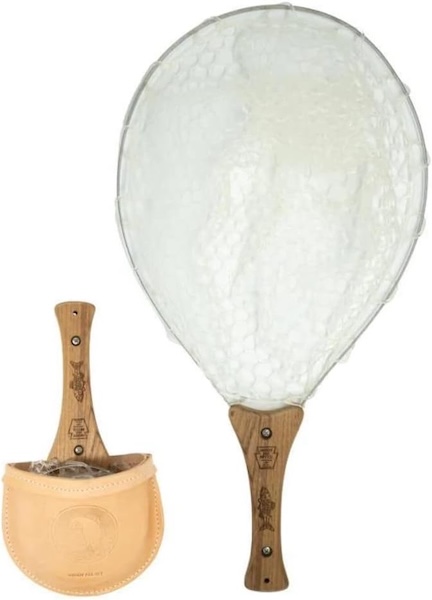
Handy Pak Compact Vintage Net
Pros
- Super compact
- No-snag rubber netting
- Classic look
- Durable
Cons
- Folding can be tricky
- Net loses shape in water
Specs
- Dimensions: 12″ x 15″ x 10″
- Weight: 13 ounces
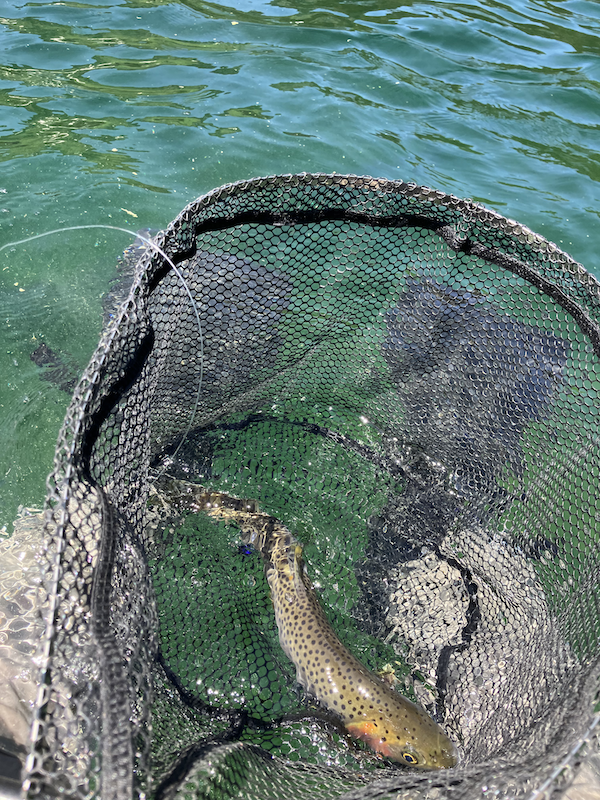
I’ve often gone on backcountry fishing expeditions without a net because I didn’t want to haul one along—and then lived to regret it when I needed to land a nice fish. Most nets are too big to stash in a backpack and then get caught on branches and other obstacles when you strap it on the outside of your pack. A great alternative is a Handy-Pak net, which folds down nicely and can be easily transported in your pack or strapped to your belt.
In case you haven’t heard of it, Handy Pak is an American-made product, with the company’s headquarters near Shamokin, PA. The collapsible net was developed in the 1950s and hasn’t changed much since then. The net uses a wooden handle, rubber netting, and a flexible metal net rim. The net is easy to expand from its folded state to be used simply by taking it out of the leather pouch and giving it a quick shake. The net’s shape does get impacted slightly by the pressure of water, but for alpine fishing, this shouldn’t significantly impact your ability to scoop up a small trout. Folding the net back up can be tricky and takes timing but after several uses becomes second nature.
best pack
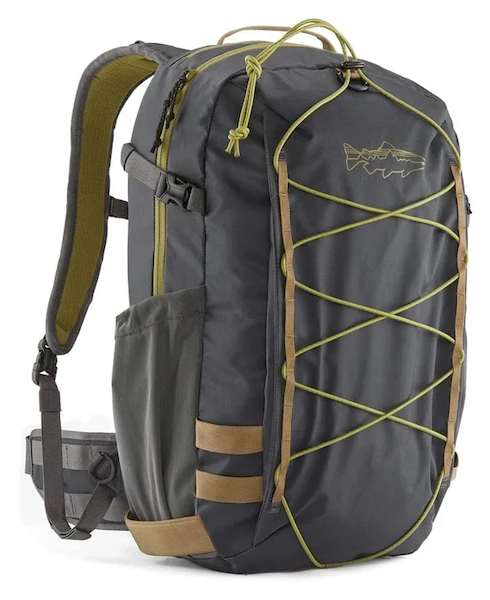
Patagonia Stealth Fishing Backpack
Pros
- Smart design
- Water-resistant
- External carry options
- Ample storage space
Cons
- Pricey
- Lacks dedicated fly or lure storage
Specs
- Capacity: 25 liters
- Weight: 2 pounds, 5 ounces
- Material: Recycled polyester
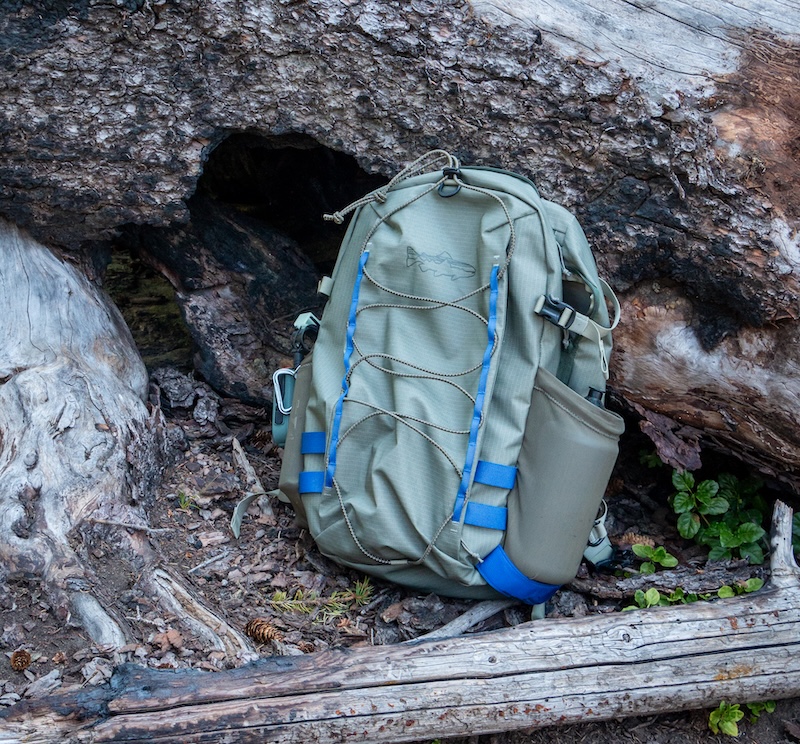
When I’m trekking up to mountain lakes, I typically opt for a backpack to store all my supplies, fishing and otherwise, instead of a sling or hip pack or vest. Patagonia’s new Stealth Backpack is a solid option.
The pack fits 25 liters, which is all you need for a day trip. It has enough—but not too many—storage compartments to stash your gear, including a top accessory pocket, a large main compartment, and a front pocket that’s great for keeping small boxes of flies or lures at the ready. There is also a pocket for a hydration bladder, two water bottle pockets, and multiple ways to store nets and other gear on the outside of the pack. The only improvement I would make would be including a built-in foam pad to easily store flies or lures.
best float tube
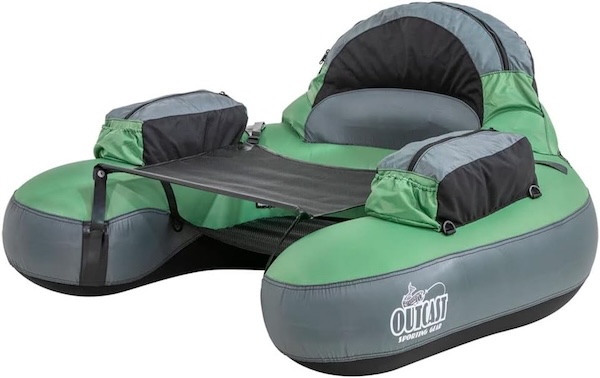
Outcast OSG Summit
Pros
- Packable
- Made of durable material
- 5-year warranty
- Simple design
Cons
- Requires adapter to pump air
- Seat leans forward
Specs
- Weight: 7 pounds
- Dimensions: 43″ x 43″ x 12″
- Load Capacity: 250 pounds
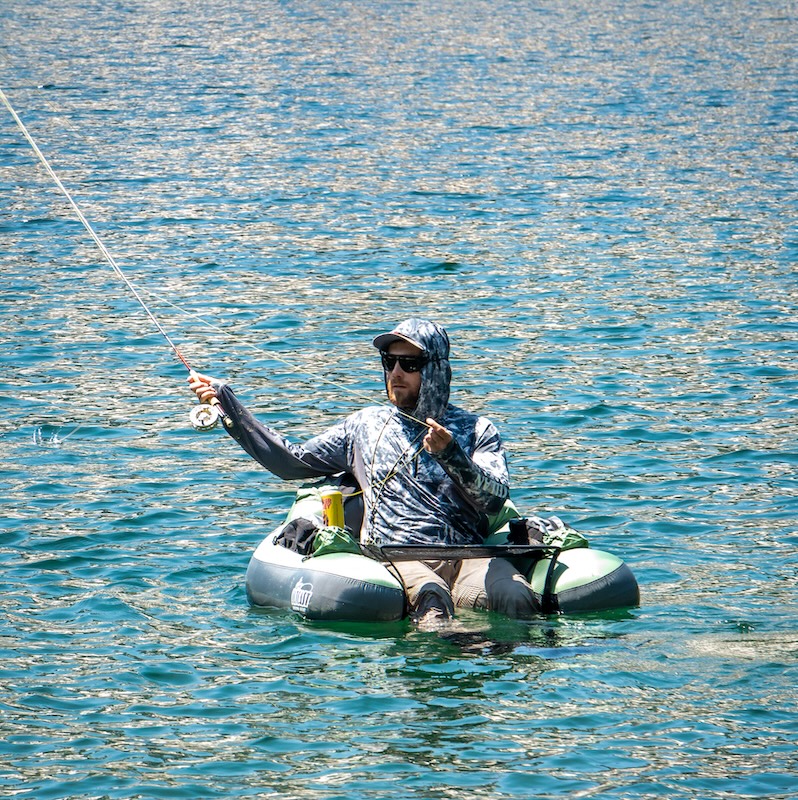
Float tubes can be difficult to use for alpine fishing when you are hiking into your fishing destination. That’s because float tubes are traditionally too heavy and bulky to easily carry for long distances. But some anglers did so anyway—because they can make a world of difference for getting to fish, especially when an alpine lake’s shoreline is choked with vegetation and difficult to cast from.
Thankfully, there are a couple of float tubes on the market today that are packable and portable. My favorite is the OSG Summit Float Tube. The tube is just under seven pounds and packs down to the size of a small sleeping bag. When you air it up, it’s just as functional as any other float tube I’ve used before—and the 600 poly/420 nylon fabric denier doesn’t feel skimpy at all. I took the tube over and around some deadfall and it didn’t puncture. The tube also has several zip pockets to stash your gear and two cupholders. The only cons are that the valves require two adapters to use with most hand pumps and that the seat leans you slightly forward when you sit in it.
best portable cooler
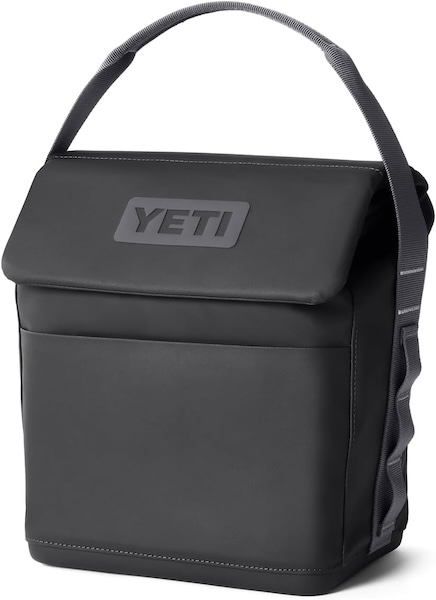
Yeti Daytrip
Pros
- Impressive insulation
- Easy to transport
- Magnetic latch
Cons
- Too big for solo angler
- Not leakproof
Specs:
- Capacity: 6 liters
- Weight: 1.5 pounds
- Dimensions: 8.8″ x 6.7″ x 10.3″
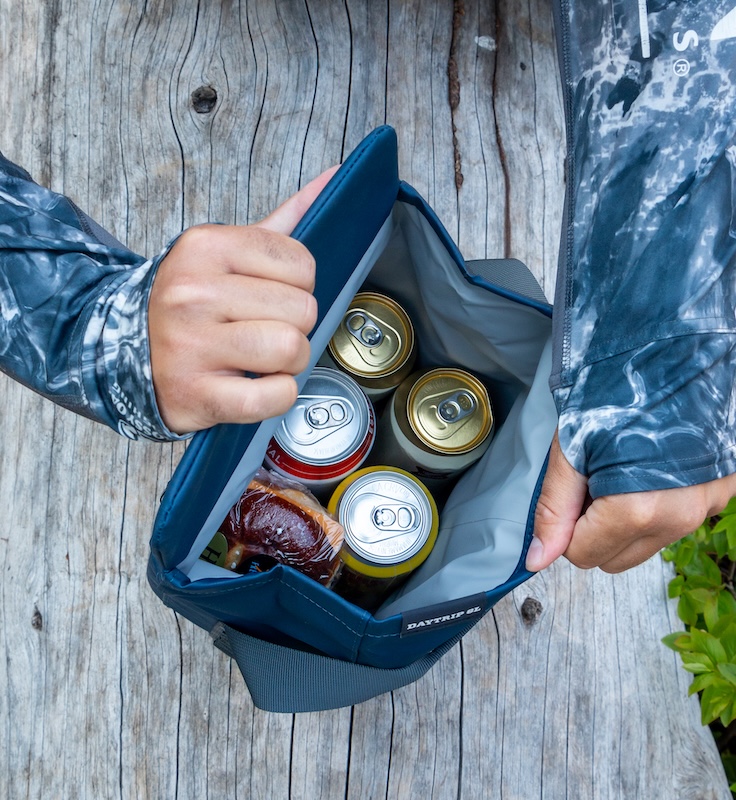
I often just pack PB&Js when I go on alpine fishing adventures. But it you want to bring food that needs to stay cold—or if you plan to bring fillets home with you, you need a portable cooler, ideally one that you can pack inside of your backpack.
Yeti’s recently updated Daytrip is a 6-liter lunch bag. It comes with the brand’ proprietary Coldcell Flex Insulation, which seemed to keep food and beverages cold for full day during my testing. The interior of the bag is roomy and comfortably fit four beer cans and two sandwiches. I liked the magnetic closure, which made it simple to secure food and beverages, though the downside is that it means the bag isn’t leakproof, so you can’t use normal ice. The bag does take up a decent amount of space in my pack, so I wouldn’t recommend it for the solo angler.
best sunglasses
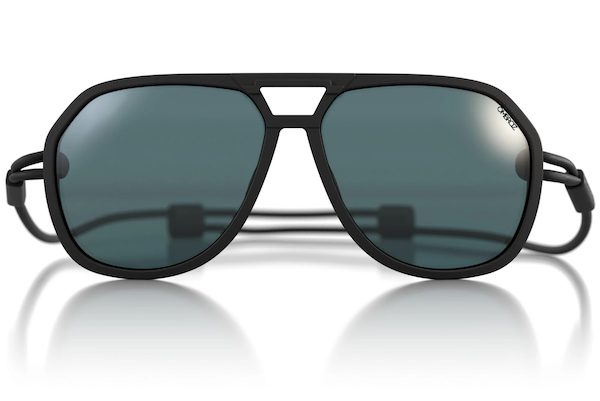
Ombraz Armless Sunglasses
Pros
- High quality lenses
- Armless design keeps ears comfortable
- Lightweight and compact
Cons
- Side shields are finicky
- Easy to lose
Specs
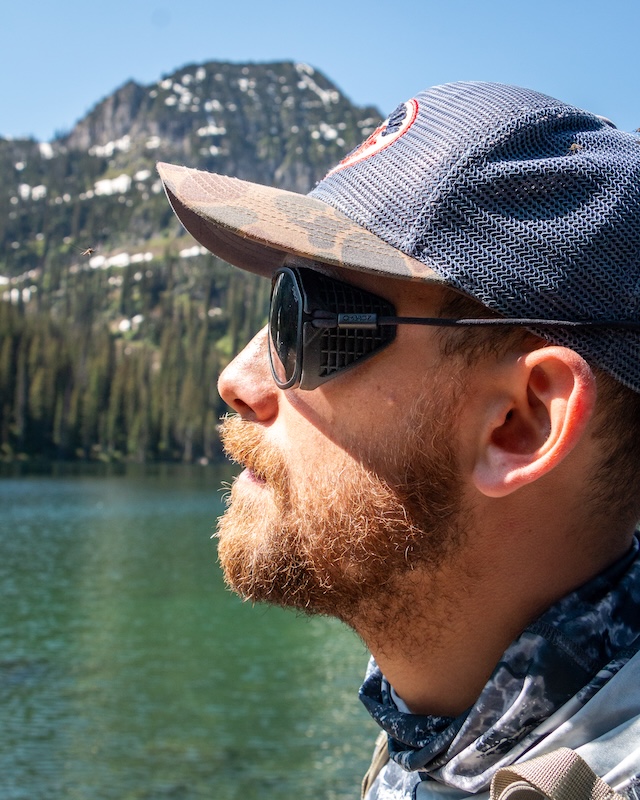
Alpine fishing demands good sunglasses, period. Sun rays are strong at altitude, and it’s important to have quality polarized lenses to protect your eyes and for the sight fishing opportunities that often present themselves in mountain creeks and lakes. Importantly, it’s also crucial to have durable sunglasses that can survive the rugged conditions of hiking and bushwhacking in the mountains.
Enter the Ombraz Armless Sunglasses. The brand has pioneered a style of sunglasses that doesn’t use the typical arms. Instead, a tension band keeps them affixed without the traditional arms. This has two benefits: it creates a sleeker, more compact product, and it keeps your ears from aching. Both characteristics are clutch for long days in the backcountry, as are the polarized Zeiss lenses, which are coated for scratch resistance. The one main drawback for this product is that it’s so compact that it can be easy to misplace and lose these. And also, I tested the side shields, which are an accessory meant for sunny days with high glare, and found them to be finnicky to affix to the sunglass’s frame and not particularly useful.
best walkie talkie
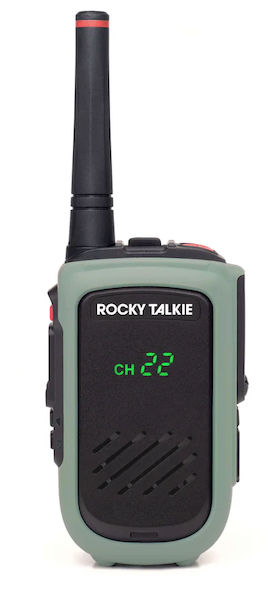
Rocky Talkie Expedition Radio
Pros
- Fully waterproof
- Crystal clear sound quality
- Functional range
- Compact
Cons
- Range impacted by terrain
Specs
- Power: 5 watts
- Battery Life: 4 to 6 days
- Weight: 9.1 ounces
- Dimensions: 4″ x 2.4″ x 1.3″
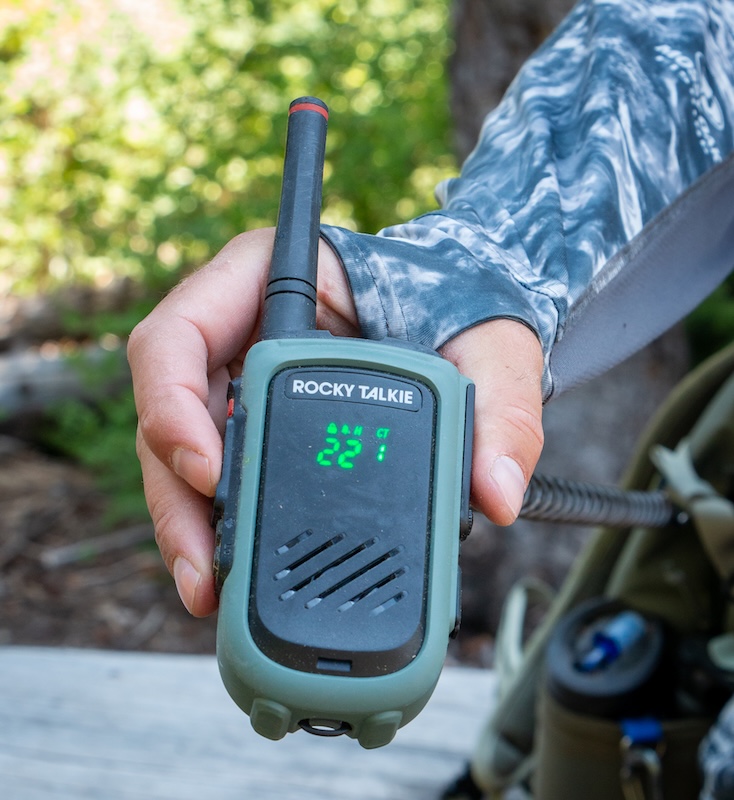
Until recently, I never considered a walkie talkie to be a piece of fishing gear. That changed once I got my hands on a pair of Rocky Talkie Expedition Radios. The compact, durable radios quickly became an essential part of my backcountry kit, because they allow me to venture to water away from my fishing buddies while still keeping in contact with them—which is not only helpful but which increases our safety.
The Rocky Talkie has hardly any static noise when you use it. The sound clarity can sometimes startle you because it feels like your friend is right there. Important for anglers is the fact that these are waterproof up to 1 meter deep. They can be clipped on with a carabiner and also have steel gator clips. The range varies significantly depending on terrain—as with any radio—but for most fishing applications, you don’t have to worry about being out of range (Rocky Talkie does offer a whip antenna that improves range but it’s bulkier than the standard antenna). If you’re heading into the alpine with buddies, I highly recommend bringing some Rockie Talkies along.
Why Trust Us
For more than 125 years, Field & Stream has been providing readers with honest and authentic coverage of outdoor gear. Our writers and editors eat, sleep, and breathe the outdoors, and that passion comes through in our product reviews. You can count on F&S to keep you up to date on the best new gear. And when we write about a product—whether it’s a bass lure or a backpack—we cover the good and the bad, so you know exactly what to expect before you decide to make a purchase.
content_all-fishing-gear-reviews
Recommended Products
Read the full article here