
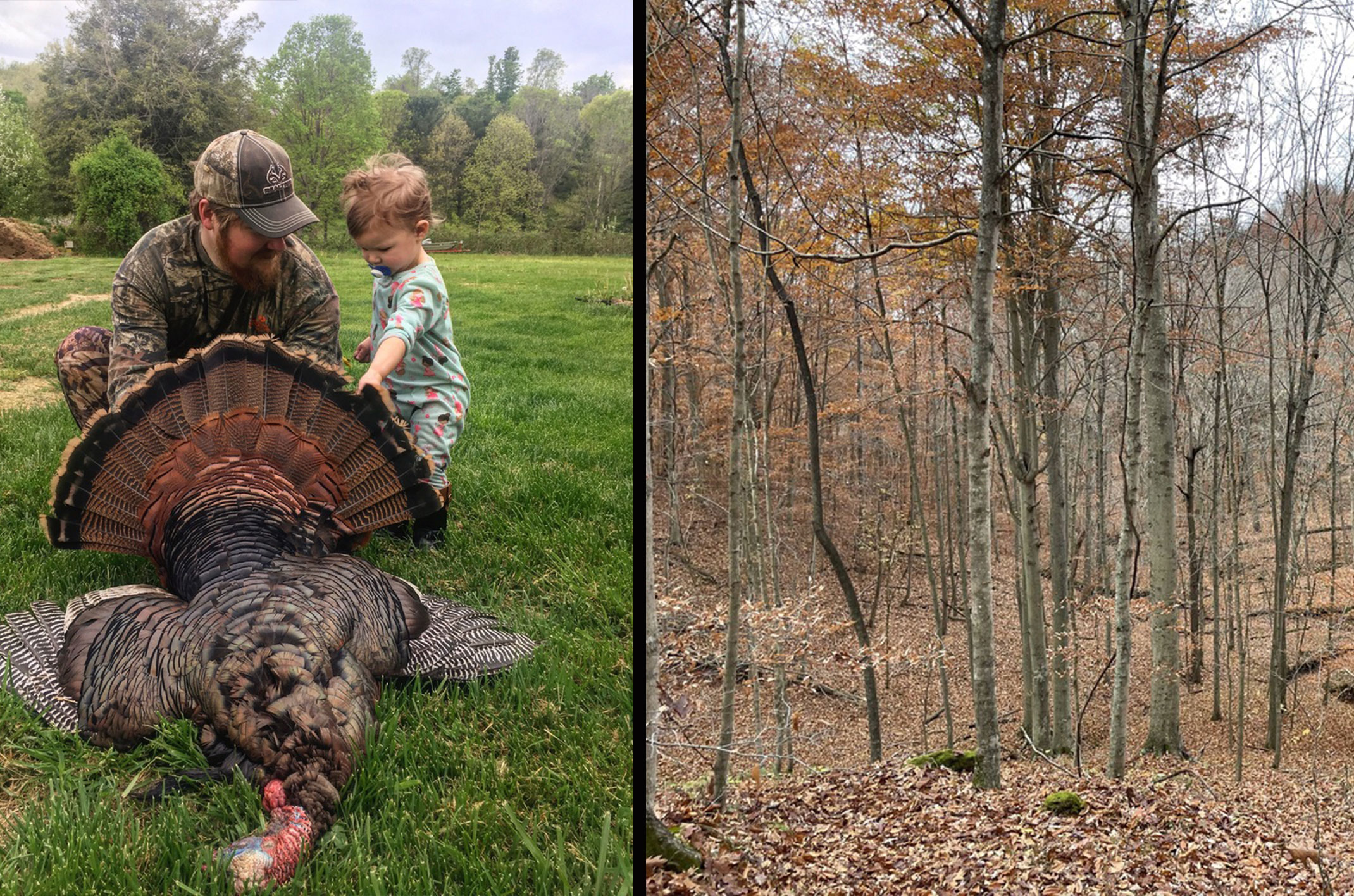
Nearly 3,000 acres of National Forest land in Ohio could soon open to oil and gas extraction via a controversial drilling method known as hydraulic fracturing or fracking. According to local news affiliate NBC 4, bidding on drilling projects inside the Wayne National Forest—popular for whitetail deer and wild turkey hunting—is set to begin this fall.
“On Friday [July 17], the Bureau of Land Management (BLM) announced companies will be able to bid on oil and gas leases on Sept. 15,” NBC 4 reports. “The lease would open up 2,840 acres of Wayne National Forest to oil and gas extraction across Washington and Monroe counties. Although the winning bidder for the land would still need to secure permits, the lease marks a major step toward drilling in Ohio’s only national forest.”
Fracking is a way of removing oil and gas from underground shale deposits. Drillers blast a mix of water, sand, and chemicals through a pipe at extremely high pressure, thereby cracking the bedrock open and releasing the oil within.

The plan to frack inside the Wayne National Forest is part of the Trump Administration’s broader push to accelerate mining, drilling, and other forms of commercial extraction on America’s public lands. Under its “energy dominance” policy, the Administration’s Bureau of Land Management (BLM) bypassed standard environmental impact studies in the Wayne in order to hit tight deadlines that will make a lease sale of 41 parcels possible by September 15.
The Wayne is the only National Forest in Ohio. It is spread out across 244,000 acres in three units in the southeastern part of the state. Though the forest is managed by USFS, the BLM has jurisdiction over its sub-surface oil and gas deposits.
Local Perspective
Ricky Jackson is an Ohio-based public land hunter and taxidermist. He opposes to the plan because of the obvious risks it poses to game species. “It’s great habitat for whitetails and turkey,” Jackson tells Field & Stream. “And the southern part of the state has our last remaining populations of ruffed grouse.”
According to Jackson, a previous lease sale of more than 1,000 acres to a fracking outfit out of New Mexico during the first Trump Administration has already resulted in lost access to portions of the Wayne. “There are huge pads,” he says, “still fenced off from that lease sale almost a decade ago.”
Jackson says the Wayne is popular with both resident and non-resident hunters, particularly in recent years, as southeast Ohio gains more notoriety as a premier destination for trophy whitetails. “The southern half of the state has the most out-of-state hunters,” he says. “We’re inundated with hunters every year. To lose 2,800 acres of habitat, that’s going to be detrimental for us.”
He also says that the National Wild Turkey Federation (NWTF) has done multiple habitat improvement projects for turkeys inside the Wayne National Forest. “If you look at the part of their website that’s specific to Ohio projects, they have ten completed projects in their archives, and five of them were in the Wayne National Forest,” he adds. “Who knows how much NWTF has invested there over the years.”
Read Next: Feds to Hand States More Control of Grizzly Bear Management
The BLM held a 30-day public comment period earlier this summer. Now that that’s over, the agency is only fielding written protests that are either mailed or delivered in person to the Eastern States Office in Falls Church Virginia. “We will dismiss a protest filed by electronic mail,” the BLM states on its website. If you’d like to send in a formal protest, you can mail your letter to the address listed here.
content_public-lands-waters
THE 1871 CLUB

Recommended Products
Read the full article here