
Your #1 source for blades and firearms news and updates…

  • Home
  • Knives
  • News
  • Hunting
  • Tactical
  • Prepping & Survival
  • Videos
Subscribe
Font ResizerAa
Blade ShopperBlade Shopper
  • News
  • Knives
  • Prepping & Survival
  • Tactical
  • Hunting
  • Videos
Search
  • Home
  • Knives
  • News
  • Hunting
  • Tactical
  • Prepping & Survival
  • Videos
banner
Create an Amazing Newspaper
Discover thousands of options, easy to customize layouts, one-click to import demo and much more.
Learn More

Stay Updated

Get the latest headlines, discounts for the military community, and guides to maximizing your benefits
Subscribe

Explore

  • Photo of The Day
  • Opinion
  • Today's Epaper
  • Trending News
  • Weekly Newsletter
  • Special Deals
Home » Dig Your Own Bait: Hit These Secret Spots to Find Giant Worm Colonies

Dig Your Own Bait: Hit These Secret Spots to Find Giant Worm Colonies

Adam Green By Adam Green July 7, 2026 4 Min Read
Share
Dig Your Own Bait: Hit These Secret Spots to Find Giant Worm Colonies

Sign up for the Quick Strike Newsletter

The hottest fishing news, tips, and tactics

If you know where and how to look for worms, you can easily fill your entire summer requirements from the abundant worm beds that exist in nature. Worms are a favorite bait of a great many anglers, and the search for worm beds is an activity that demands many of the skills of a prospector. Even modern techniques of worm production have difficulty in matching the natural supply produced in good worm country.

Moist areas along river bottoms and the edges of creeks are likely spots for worm colonies. Try places where the dry and moist soil merge. Although large bodies of standing water are not conducive to worm beds, occasional pockets of water near these large areas often produce worms in quantity.

Look for depressions that carry the waters from the spring run-off to a creek or river. A slightly deeper depression along this route acts as a pocket and continues to hold water when the edges and main channel dry up. Worms come to the moist area under their own power or are washed into the pocket along with decayed leaves and topsoil. These pockets contain vast numbers of worms.

Outdoor Life

Blue-nose or muck worms can be spotted just under the surface of the water or along the surrounding edges of muck. No special tools are required for digging worms. A bucket can be filled with a few scoops of a shovel or by hand.

The time to search for worms is after the spring run-off begins to subside. They can be found in large concentrations until the warmer weather drives them into the swamplands, where they spread over a large area, making it difficult to find them in quantity.

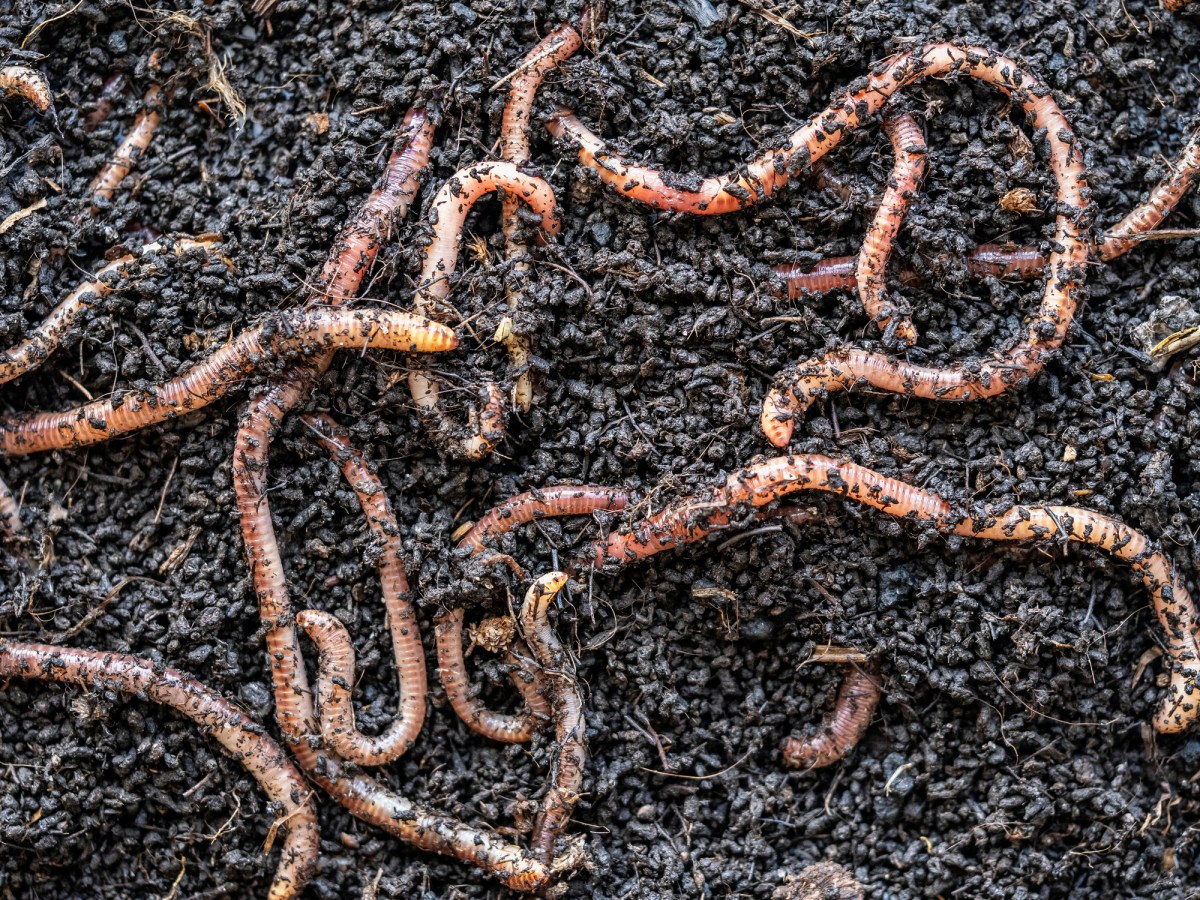
Two- to five-inch worms prove hardy when kept under cool, damp, and dark conditions. Gather your summer supply and prepare a washtub by filling it with some muck, worm bedding (it’s a lot like moss and you buy it in dry form), and decayed leaves. Dump the worms on top of a soaked piece of burlap placed over the bedding material. A day later you’ll find the healthy worms have burrowed through the burlap leaving the weak or injured ones on top. These should be picked off and discarded.

Read Next: The 6 Best Live Bait Species You Can Catch Yourself 

A dark corner of the basement is a good spot for storing the tub. If your family objects, dig a hole in the shaded area of your yard. Keep the worms cool and damp with additional wet burlap, and put a wood cover on the tub to ward off excess water. Frequent sprinkling during the hot weather is necessary if you expect the worms to remain in top shape.

Worms held for any length of time require feeding. Buy some powdered molasses from a feed or grain store, and sprinkle a few handfuls over the worm bed each week to keep your bait healthy.

This story was originally published in the June 1968 issue of Outdoor Life.

Read the full article here

Share This Article
Facebook X Copy Link Print
Previous Article 111 Million Americans Don’t Have A Job, & The US Spends More Than  Trillion Per Year On Them 111 Million Americans Don’t Have A Job, & The US Spends More Than $1 Trillion Per Year On Them
Next Article NEEVEKNIFECO ARSON PRE ORDER UPDATE NEEVEKNIFECO ARSON PRE ORDER UPDATE
Leave a Comment Leave a Comment

Leave a Reply Cancel reply

Your email address will not be published. Required fields are marked *

Wake up with our popular morning roundup of the day's top blades, firearms and survavial news and updates.

This Angler Caught 2,000 Bass Each Season by Fishing ‘the Old Way’

August 16, 2026

Grant's Victory Against the Confederate Army | Grant

August 16, 2026

Battles That Doomed Japan | Full Special

August 16, 2026

5 Ammo Brands That Will DESTROY Your Gun (Stop Buying These!)

August 16, 2026

The Unit That Hunted Drug Traffickers

August 16, 2026

You Might Also Like

TrueTimber Returns as SCWA Official Camo Sponsor

TrueTimber Returns as SCWA Official Camo Sponsor

Hunting
Baitcaster vs Spinning Reel: Which is the best for fishing?

Baitcaster vs Spinning Reel: Which is the best for fishing?

Hunting
Beretta A400 Solo Review: This New Duck Gun Brings Topline Features and Incredible Value

Beretta A400 Solo Review: This New Duck Gun Brings Topline Features and Incredible Value

Hunting
Best EDC Flashlights of 2024, Tested and Reviewed

Best EDC Flashlights of 2024, Tested and Reviewed

Hunting

2025 © Blade Shopper. All rights reserved.

Helpful Links

  • News
  • Knives
  • Prepping & Survival
  • Tactical
  • Hunting
  • Videos

Resources

  • Privacy Policy
  • Terms of use
  • Press Release
  • Advertise
  • Contact

Popuplar

16 Types of Military Helicopters Used By The US Military
Bournemouth Air Festival: The UK’s Largest Air Festival
This Angler Caught 2,000 Bass Each Season by Fishing ‘the Old Way’
We provide daily defense news, benefits information, veteran employment resources, spouse and family resources.
Welcome Back!

Sign in to your account

Username or Email Address
Password

Lost your password?