
Stillwater trout fishing requires different tactics than rivers. Start by locating stocked fish using agency stocking schedules, then target them near the bottom with a Carolina Rig and floating dough bait. For more active fishing, small spinners like Mepps or Rooster Tails draw strikes from cruising trout. Unlike stream fish, pond trout move to find food—cast, work the water column, and be patient.
- Track agency social media and stocking schedules to pinpoint exactly when and where trout are dropped.
- A Carolina Rig with floating dough bait keeps the offering visible to bottom-cruising stocked trout.
- Pond trout move to find food—unlike stream trout, they won’t hold in one spot waiting for current.
- When fish follow a spinner without striking, switch to an attractor spinner with a trailing baited hook.
- Single hooks hold dough bait as effectively as treble hooks and may simplify handling.
Trout are most often associated with flowing water—be it big western rivers filled with large browns, rainbows, and cutthroat, or tiny mountain streams in the East with native brook trout. But plenty of ponds and lakes across North America hold trout, too. Though stillwater trout fishing requires different techniques and gear. Of course, the type of stillwater you fish—whether alpine lakes, park ponds, or larger bodies of water—will determine your setup and tactics. Below are seven tips for targeting trout in a variety of stillwater fisheries. Use these techniques and start netting more lake and pond trout.
1. Stalk Stockers
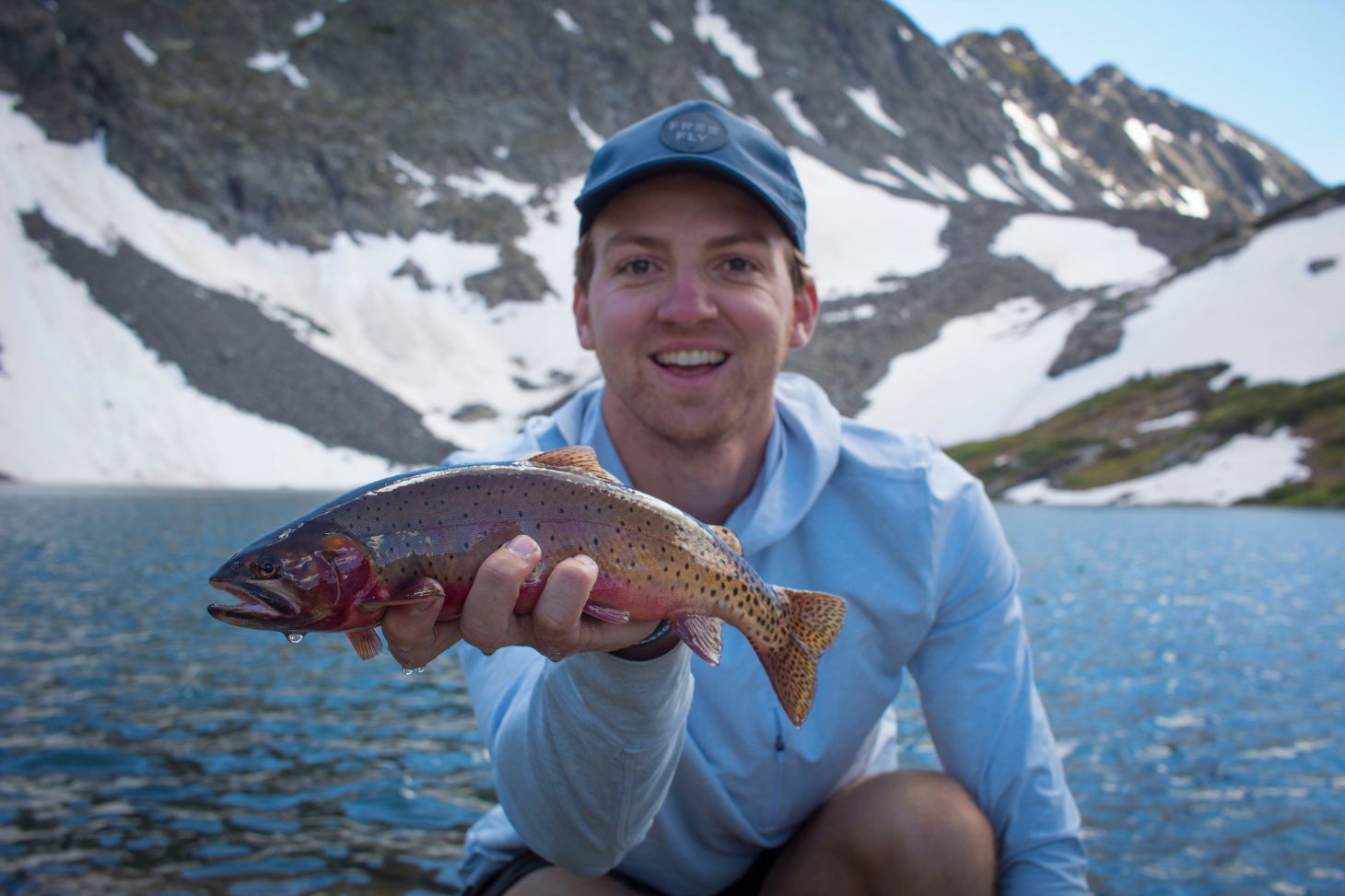
Ponds and small lakes form the backbone of many states’ put-and-take trout programs. In some cases, these waters can’t sustain year-round wild trout populations due to warm summer temperatures. But even some waters that stay plenty cold—such as alpine lakes in the West—might not have enough spawning habitat for good natural production.
States stock these bodies of water with catchable-sized trout, but sometimes also with fingerlings. Many of these fisheries are easily accessible, such as park ponds. Others are remote and must be stocked by plane or helicopter. Pinpointing such areas is as easy as following those agencies’ social media accounts or checking stocking lists and schedules on official websites.
2. Bounce the Bottom
Newly stocked trout can be tough to pattern because they’ve gone from living their lives in raceways eating trout chow to living in non-moving water without regular feeding times. A good option for targeting these confused and wandering trout is to fish on or near the bottom, and a great rig for that is a version of what bass anglers call the Carolina Rig. Put a slip sinker on the main line, tie on a small swivel, and then add an 18-inch leader to the swivel, finished with a bait hook.
A floating dough bait, such as Berkley PowerBait, will stay off the bottom and be easier for cruising trout to spot. Some anglers like to use tiny treble hooks with dough (to better hold the bait), but I’ve found that single hooks are just as effective. Remember that fish in ponds move to find food, unlike stream trout, which are usually waiting for the current to deliver their next meal. So you’ll usually catch just as many fish if you simply cast and wait.
3. Spin to Win
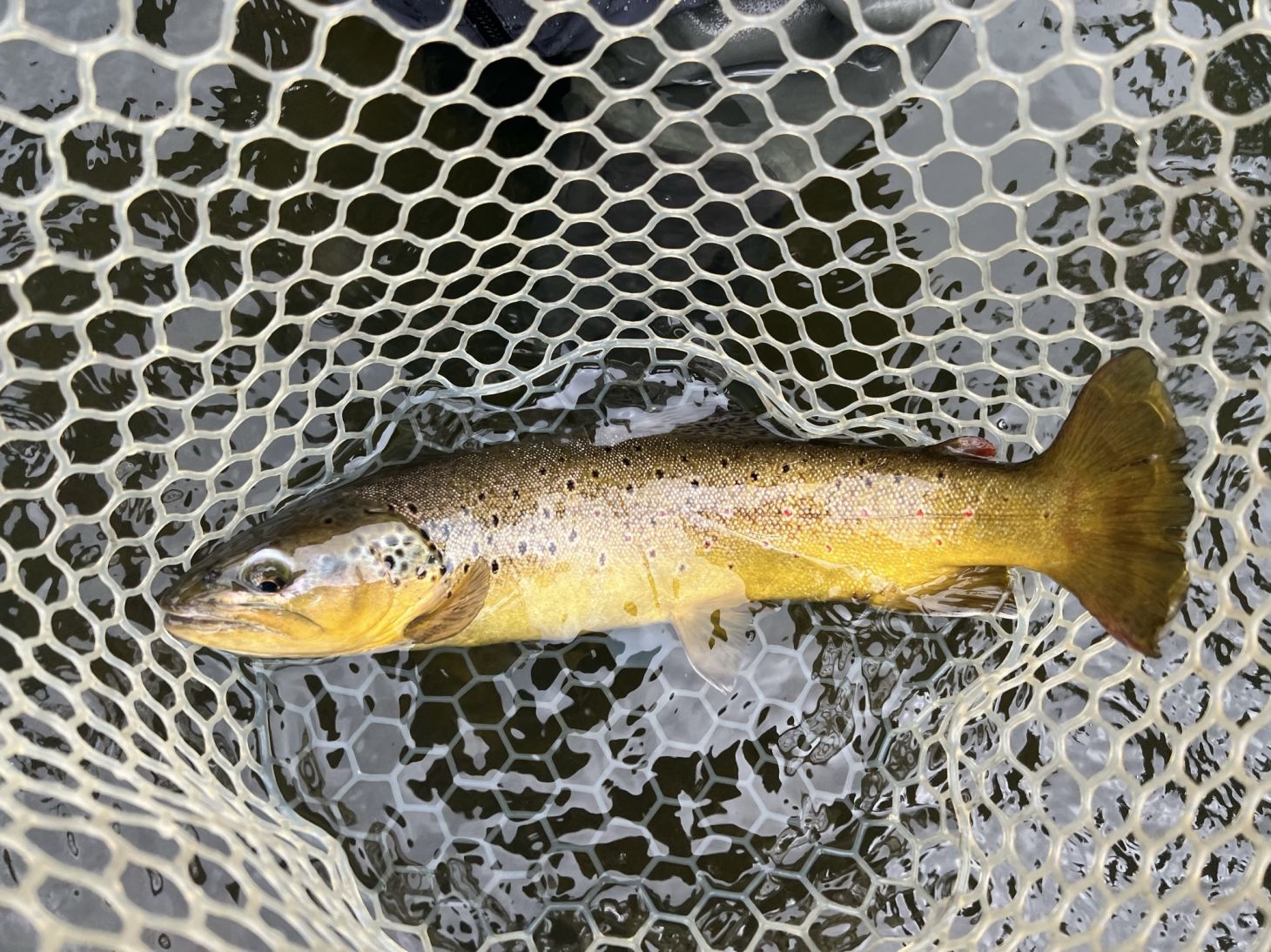
Casting and waiting has its time and place. But, let’s face it: It can be boring. A more active way to fish is to use a lure, such as a small spinner, like a Mepps, Rooster Tail, or Panther Martin. If I see fish following but not hitting the spinner, I get sneaky—switching to an attractor spinner trailing a baited hook. Some folks like a spinner harness, like walleye anglers use. Those can be a pain to cast, so I prefer a simple, double-bladed inline spinner to which I attach a leader 12 to 18 inches long with a single baited hook. A small piece of nightcrawler is almost always my go-to with this rig because, unlike dough bait or a salmon egg, it can withstand repeated casts. Experiment retrieving at different depths and retrieve speeds.
4. Get on the Water
You always catch more fish from a boat, right? Of course not. But there are many instances where being able to get on the water can help you reach more fish, especially on larger lakes and ponds. We’re not talking about the serious trollers used on the Great Lakes or other large bodies of water. Small watercraft like jon boats, canoes, and even float tubes can increase the chances of success.
My “trout” boat? It’s actually an old Tracker bass boat that I inherited from my father-in-law. It can handle fairly big water and is a comfortable platform for drift fishing or trolling. For fishing larger hike-in lakes, consider a light float tube or small packraft. It will add about 10 pounds to your pack, but it will be worth it.
5. Trolling Tactics
Again, we’re not going to get into the complicated tactics employed on big lakes by anglers in big boats outfitted with high-end electronics and downriggers. But even poor man’s trolling, as I like to call it, is a great way to catch trout on lakes and larger ponds.
When the water is cool and trout haven’t yet retreated to summertime depths, trolling a nightcrawler or a small spoon behind an attractor spinner can work well. Make sure to include a rudder in front of the spinner to reduce line twist. As surface temps increase, trout head for the depths, often hanging right around the thermocline, a delineation between cold and warm water. Electronics can help identify the thermocline.
To get deep on the cheap, a Dipsy Diver or similar diver can get baits and lures down to 20 to 25 feet deep with relative ease. Another option is a simple downrigger, such as one that clamps to a boat’s gunwale. You get the benefit of depth without the extra resistance of reeling in a fish hooked on a diver rig.
6. Dropping Bait
Drift fishing or still fishing with bait is another option. Just drop a weighted bait to the depth where you expect fish to be (electronics can be a huge help) and let the wind move you. A deadly tactic on lakes with brown trout is to anchor up and drop a submersible light. The light will attract baitfish, which in turn attract hungry browns.
7. Fish Dry Flies
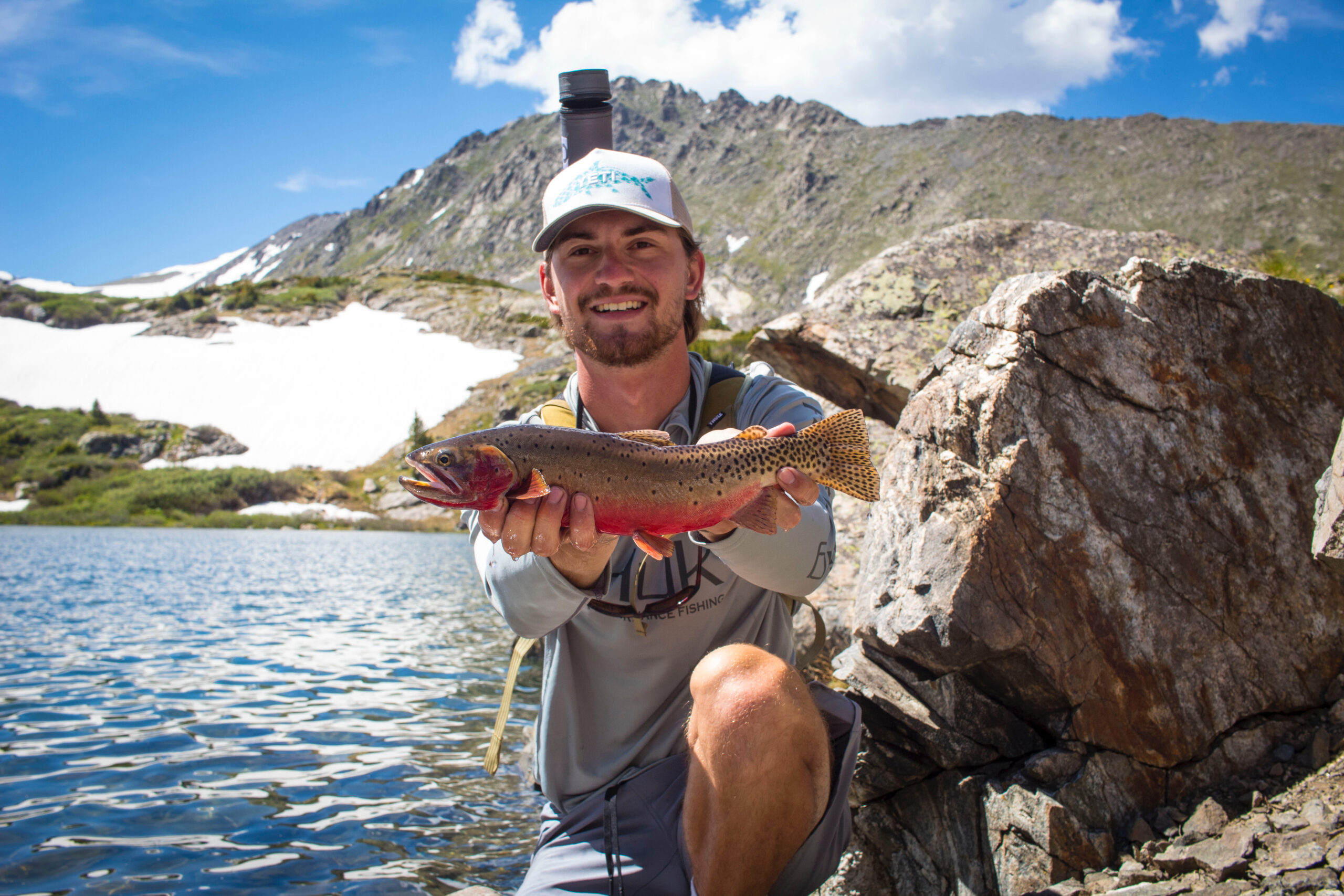
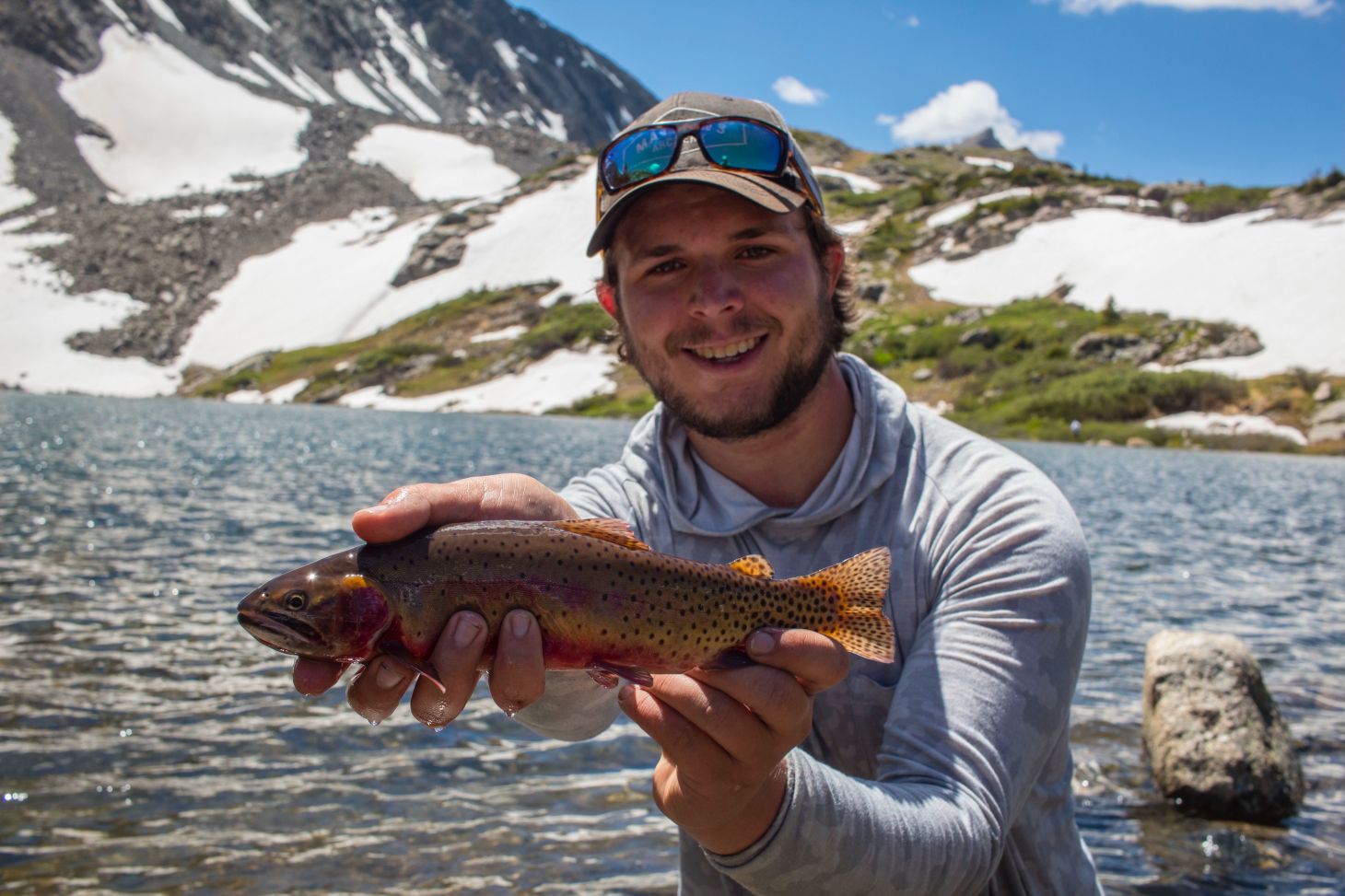
Yes, you can catch pond and lake trout on dry flies. Fly fishing with dries can be especially effective on alpine lakes that stay cold through the summer. Remember, some of these lakes aren’t very fertile, so cruising trout will feed opportunistically on just about anything they see on the surface. So, just about any fly will work.
As a youngster, the Royal Wulff, a colorful attractor fly, was my go-to fly on family backpacking adventures in Oregon’s Cascade Range. Even on more fertile waters, like brook trout ponds in Maine, attractor flies seem to work just fine. A friend who fishes those ponds often fishes pretty much exclusively with a small red Muddler Minnow, which doesn’t really look like anything that trout would normally eat.
content_trout-fishing

THE 1871 CLUB
Recommended Products
Read the full article here