
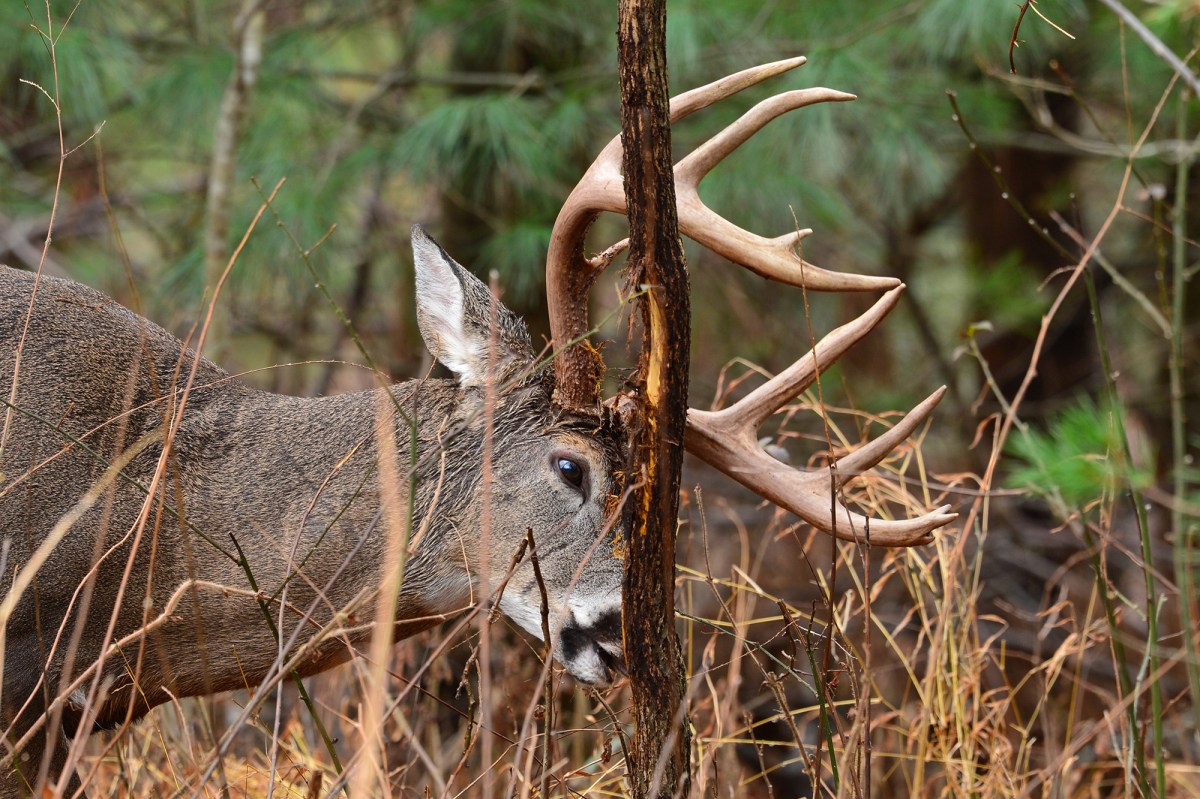
I wrote my first rub-line article for Outdoor Life more than 30 years ago. Back then, buck rubs were little more than curiosities and rarely played a part in anyone’s hunting strategy. Since then, I’ve spent a great deal of my time in the field trying to hone my mature buck hunting tactics as they relate to rub lines. For more than three decades, waiting in ambush along active rub-lines has become and will remain my No. 1 go-to tactic for killing big deer.
Here are some things I thought I knew about rubs back then, and what I know for sure now. If rub-line hunting isn’t part of your hunting strategies yet, it’s high time that it did.
1. Do Big Rubs Always Mean Big Bucks?
According to research I’ve done, the presence of antler rubs on large trees almost always means there’s at least one mature buck in the vicinity. This isn’t to say that big bucks won’t rub small trees — they absolutely will. And as for small bucks rubbing on big trees; they indeed will as well, but only after those trees have already been shredded by a big buck. I personally have yet to see an instance where a small buck initially tore up a big tree.
My first experience with the “big-rubs, big-bucks” rule happened more than 30 years ago. A couple buddies and I were doing some spring scouting when we came across a number of rubs on waist-thick spruce trees. Further investigation in the immediate area led us to the discovery of a few more rubs of the same size. Interestingly, a 13-point buck that grossed more than 180 inches was taken from that area during the following gun deer season. We never found any more of those giant rubs after that.
Read Next: What Data on 2,000 Blood Trails Tell Us About Broadheads, Shot Placement, and Deer Tracking
It should be mentioned that bucks which possess the extra-large body size common to mature animals, but wear only average-size headgear, will also rub on larger trees. And as stated, bucks of all sizes will rub on a big tree after it’s initially “opened up” by a big buck. I’ve seen countless examples of this.
My personal rule of thumb for judging if a rub-line is worth investigating is the presence of forearm-sized and larger rubs. Finding several rubs of this size will then prompt me to put up some scouting cameras to see if I can get visual confirmation that a big buck is lurking somewhere in the immediate vicinity.
2. Rub-Line Length
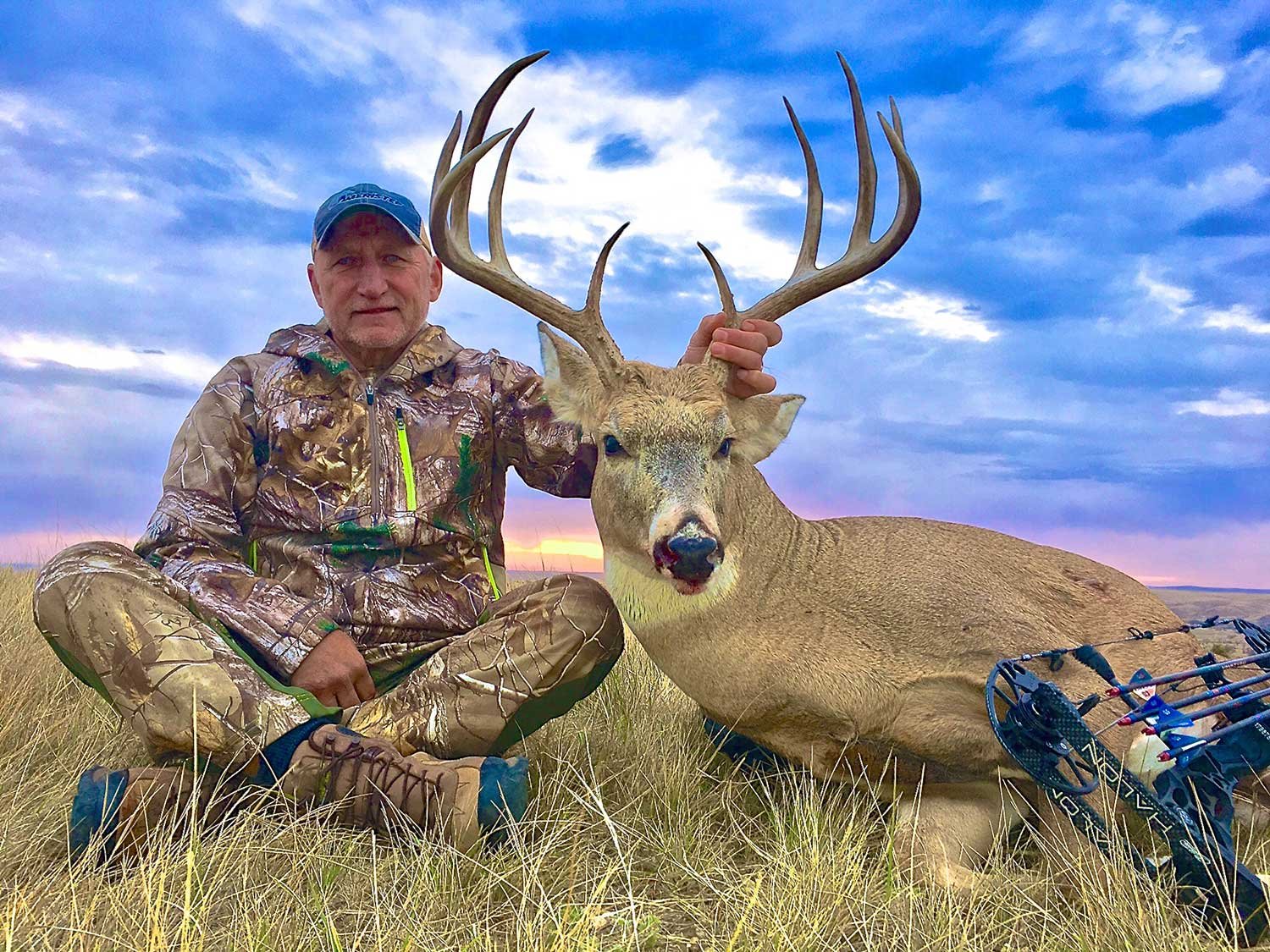
No two rub-lines are exactly the same — not in length, total number of rubs along their length, nor how many bucks are using one.
The longest rub-line I’ve personally found and hunted was more than two miles long. The buck responsible resided in a huge tract of public land in northern Wisconsin. Based on a couple firsthand sightings of that deer, along with finding his shed antlers from two consecutive years, I was able to accurately pinpoint his preferred travel route.
I believe that the environment in which the buck was living had a lot to do with his wanderlust personality. Wilderness environments don’t typically boast a plethora of delectable whitetail foods. Also, antlerless deer numbers in that area were down dramatically back at the time. So the buck had no choice but to put on some miles to find food and/or does. And he left lots of antler rubs behind during his journeys.
On the other end of the spectrum, I once hunted a buck that, for most of the pre-rut, restricted his travels to a 60-acre stretch of narrow cover located along a small river. The distance from where the deer bedded, to the large alfalfa field that served as his primary food source, was less than a half-mile. I didn’t count the exact number of his rubs I found in that half-mile, but it was enough to determine he was spending a lot of time in that 60 acres of cover.
3. Travel Times
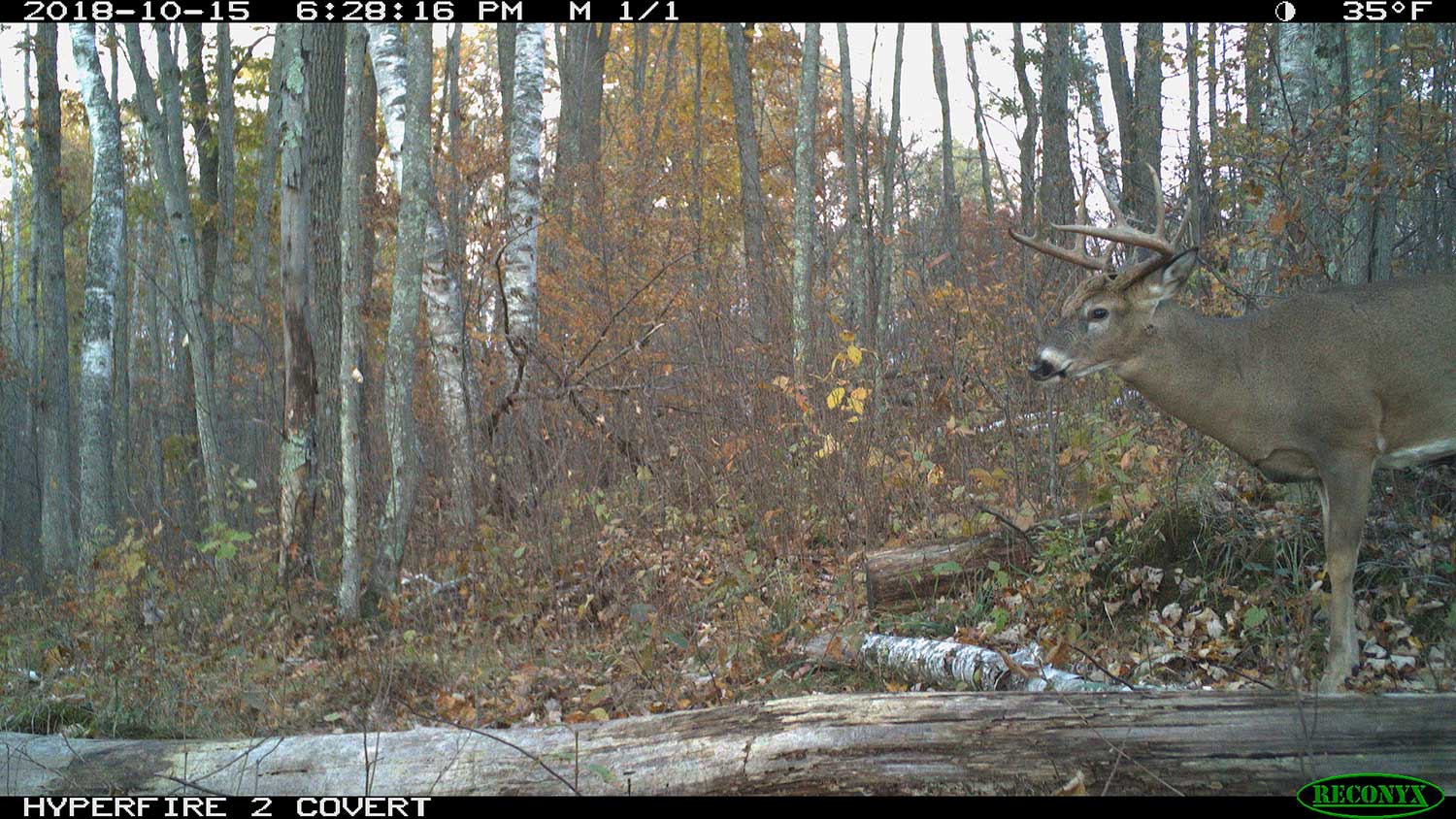
When I first started hunting along active rub-lines, figuring out buck travel times was a total guessing game. Scouting cameras completely changed that dynamic. Nowadays all it takes is a couple strategically placed cameras to figure out exactly where and when a targeted buck is moving.
Still, it’s critical that hunters take extra precautions when placing and checking trail cameras. Remember, mature bucks establish their rub-lines along routes they feel the most safe and secure using. But they’ll often times abandon those routes if they feel their safety has been compromised. A few encounters with human odor and/or actual confrontations with people can prompt mature bucks to change their habits and travel patterns.
My approach for checking for big buck travel activity along specific rub-lines is to place my scouting cameras in spots that ensure targeted bucks won’t sniff out that I’ve invaded their turf. Once my initial scouting is completed, and I’ve located some active rub-lines, I really don’t do much more in the way of actual scouting. The way I see it, that’s exactly what scouting cameras were designed to do.
4. The Best Time To Hunt Rub-Lines
While there’s no real bad time to hunt along active rub-lines, there is one specific time period that is, far and away, more productive than any other. That time frame is the late pre-rut period. In northern Wisconsin, the late pre-rut period typically occurs the last week of October. Mature bucks become increasingly more daylight active at this time, and haven’t yet abandoned their core areas to seek out hot does.
Again, whitetail bucks establish their rub-lines along routes they feel the most comfortable. Which means there isn’t a better place from which to attempt to call in bucks. I suggest going through at least a few rattling/grunting sequences on all of your pre-rut rub-line hunts, morning and evening. The strategy has paid off many times for me over the years, including on a recent bowhunt in western South Dakota.
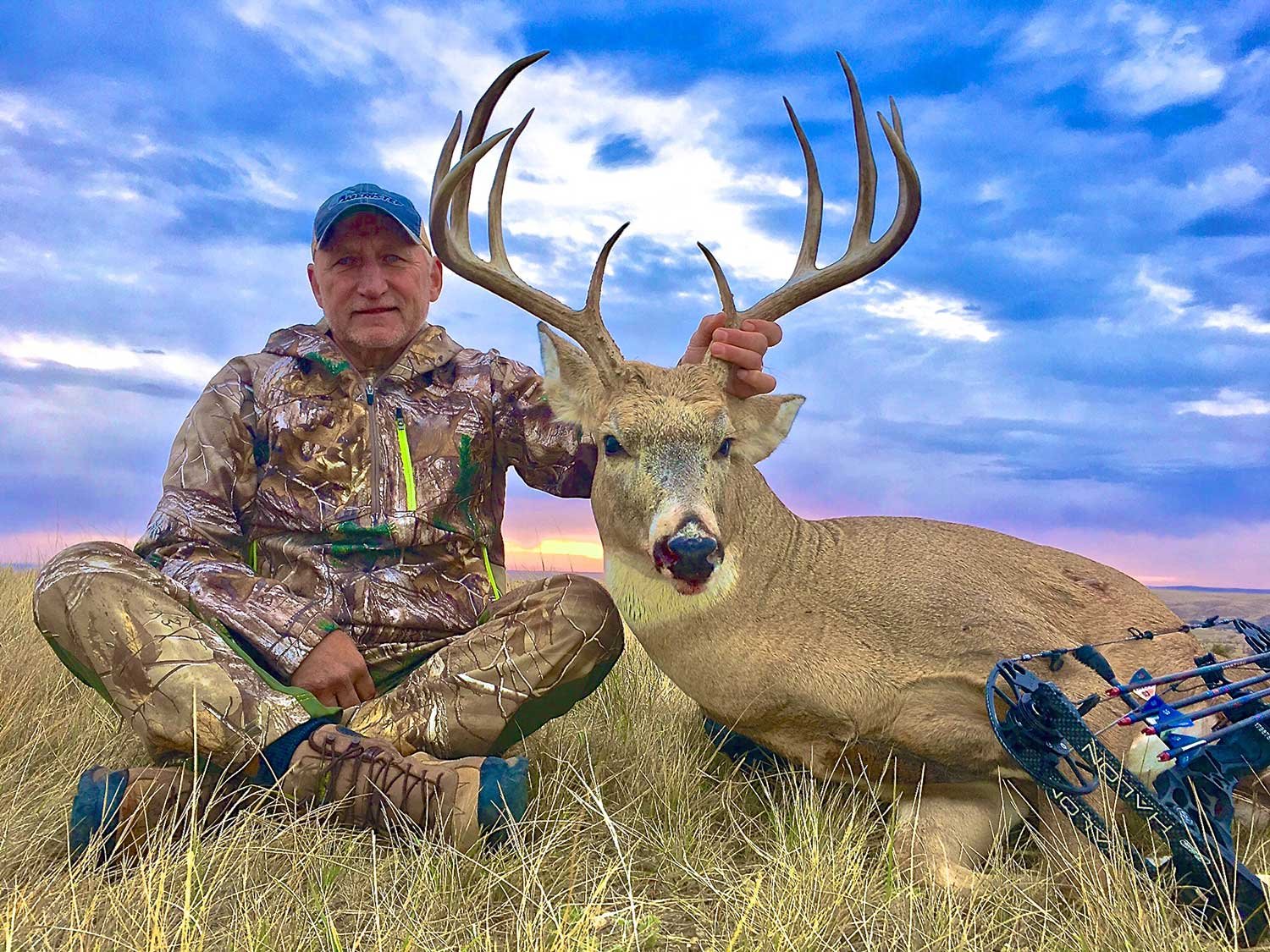
On that evening hunt during the last week of October, I was perched in a treestand overlooking a fresh rub-line that snaked along the banks of the White River. Just 30 minutes before dark, I let loose with a rather aggressive rattling sequence, followed by three subtle urps from my grunt call. Ten minutes later a 150 class 10-point buck was standing 15 yards directly in front of my stand. I don’t miss many shots like that.
5. Morning or Evening?
Rub-line hunting can be productive both during the morning and evening. And deciphering whether a particular rub-line might be better suited for a morning or evening hunt is simply a matter of placing a trail camera or two along that rub-line. You should have your answer within a few days.
I should add a word of warning here regarding morning hunts along active rub-lines. Remember that you’ll most likely be walking into those spots in the predawn darkness. And that means there’s a possibility you could bump deer on the walk to your stand. If this happens I’d suggest backing out and giving that spot at least a couple days to get back to normal. If it happens again I’d look for a different morning spot.
6. Signpost Rubs
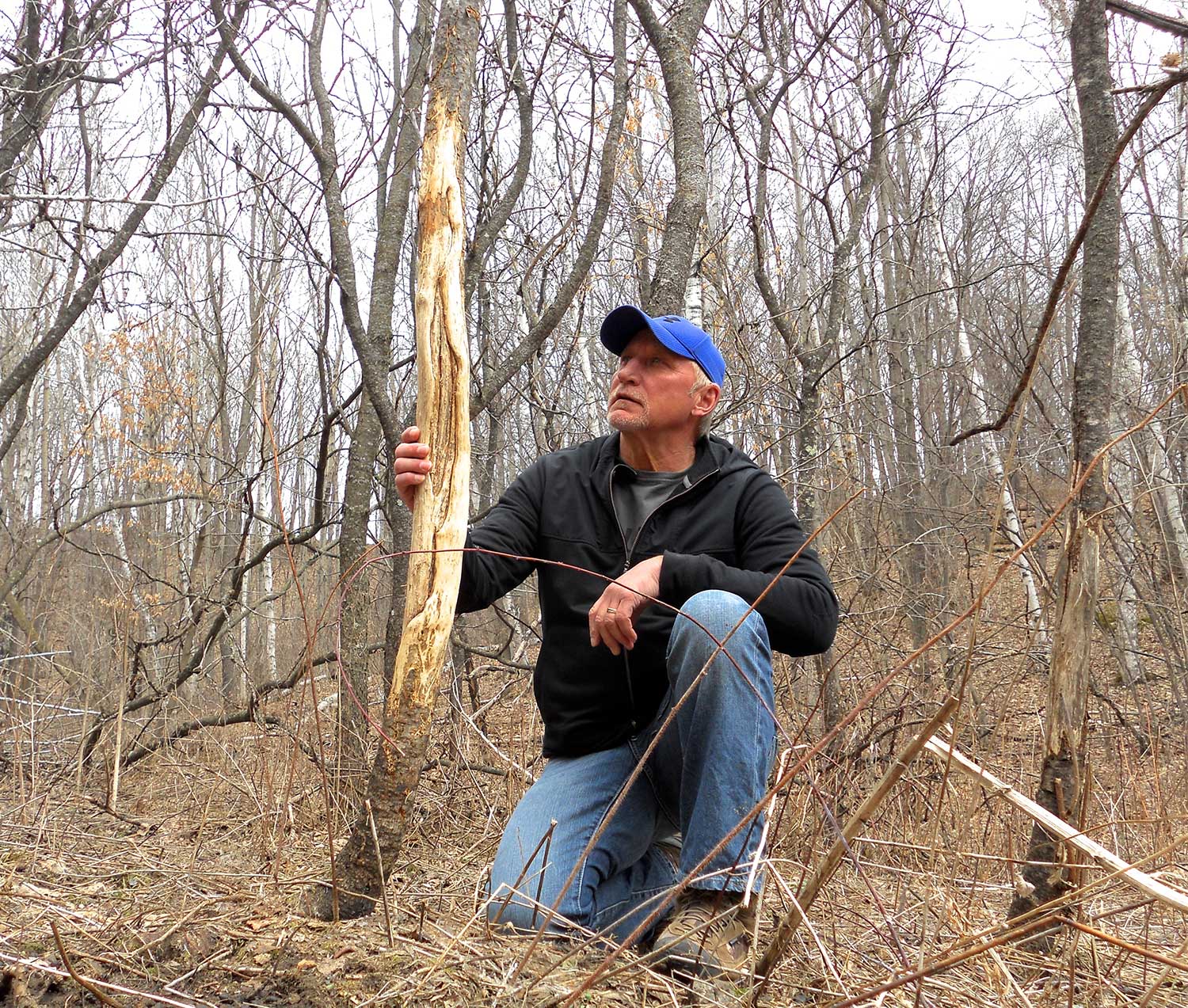
I don’t know how many signpost rubs I’ve found over the years, but I can tell you that I’ve found them just about everywhere I’ve hunted whitetails. Initially, I didn’t totally understand the significance of these rubs. Often times there was no rhyme or reason as to why a big buck should have made a noticeable rub in a particular spot.
However, my perception and understanding of signpost rubs changed dramatically once I began using scouting cameras. It would seem that signpost rubs are made mostly during the rut, when big bucks become somewhat nomadic. As they wander about the countryside, bucks will occasionally make signpost rubs. They rub these trees with both their antlers and foreheads, which deposits scent behind from their sudoriforous gland. They may also lick the rub, which leaves behind scent as well.
So in essence (pun intended), signpost rubs are both a visual and scent thing. Any buck passing through that same spot will first see the rub, walk over to it, then smell it to see who else has been there. After that, the buck will probably lick the rub before tearing into it with his forehead and antlers. Then he moves on.
I’ve sat over signpost rubs many times during the rut. But with the way mature bucks wander this time of year, it’s a feast or famine situation. It seems you’re either seeing lots of action or none. I personally watched six different bucks work a signpost rub one day. None of them was the huge buck I was after, which left me wondering just how many different rutting bucks were visiting that particular signpost rub? (Interestingly, I sat over that same signpost rub on several other occasions and never saw a deer!)
7. Late Can Be Great
As previously noted, once the rut kicks into gear waiting in ambush along active rub-lines is not the most effective strategy. That’s because mature bucks usually abandon their normal habits once the first does come into estrus. Rather than using specific travel patterns, they’re running helter-skelter all over the countryside trailing, chasing and breeding receptive does. These rut wanderings could take them miles from their core areas.
However, once the rut is over big bucks will almost always return to their core areas. After hunkering down for a period of time, those deer will once again start traveling along the exact same routes they used during the pre-rut period, i.e., their rub-lines. Though the bulk of this travel usually occurs after dark, there’s always a chance of catching a mature buck up and moving in daylight. I personally keep an eye out for approaching winter storm fronts, as this seems to spur post-rut deer into daylight active movement patterns.
I took my largest bow-killed whitetail along a rub-line during a late-season hunt. The 17-point brute showed up a full 45 minutes before dark on a cold evening in mid-December. The reason I was on my stand that day was because a major winter storm was bearing down on us.
8. Target Trees
Throughout the many years I’ve paid close attention to antler rubs, I’ve noticed an interesting pattern. It would appear that some whitetail bucks have a strong preference for rubbing on a certain species of tree. For example, I once hunted a giant deep-woods buck that loved rubbing on thigh-thick spruce trees. Another big deer I hunted and killed in the farmland around my home targeted forearm-sized poplars for his rubbing activities.
But one universal trait rubbing bucks have shown me time and again is that they prefer softer barked, odorous trees. Here in the upper Midwest, bucks seem to seek out pine, cedars, poplars, and tag alders. However, bucks that reside in other parts of the country no doubt prefer to rub on different tree species.
9. Take the Stage
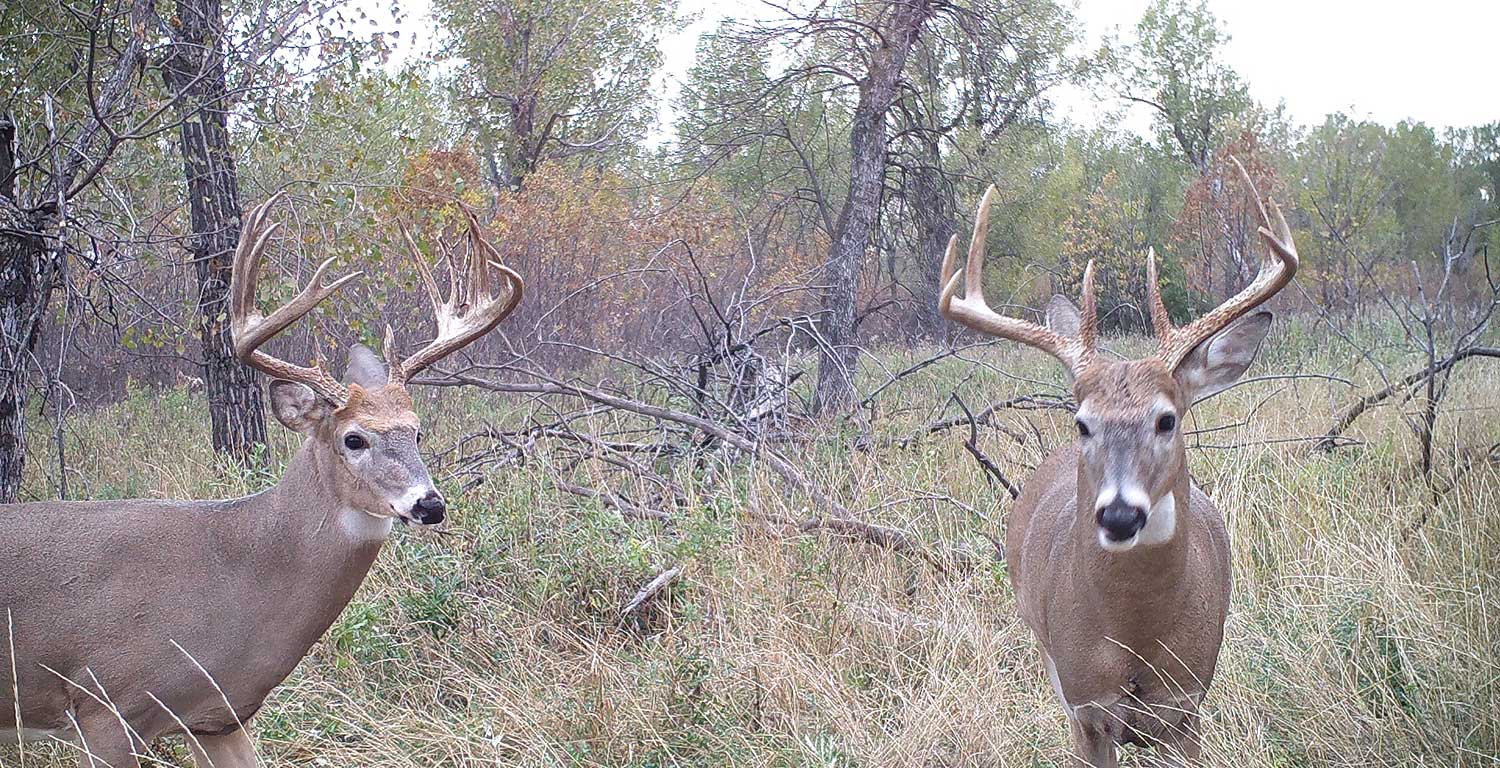
For some reason, there are just some places along buck travel routes where they feel the need to stop and get in some ‘gym time’. By this I mean those places where bucks hang out and make concentrations of rubs in a relatively small area. These rub-staging areas can be hotspots for big buck action throughout the pre-rut. While some mature bucks will avoid walking into open feeding areas in daylight, they sometimes can be caught “working out.”
Some years back, I arrowed a 10-point buck as he worked out in a staging area. He was the fifth buck I had within bow range that evening. They ranged in size from a 6-point to the 10-point I killed. In truth, I actually was about to shoot the fourth buck that showed up (a good-looking 8 point) when I heard a loud grunt erupt from some thick brush behind him, so I waited. The 10-point appeared seconds later.
Like rub-lines, bucks establish these staging areas in early fall. They then continue to visit these playgrounds throughout the pre-rut. The visits become more frequent and take place in daylight more often as the pre-rut progresses. This activity peaks just before the rut, but then drops dramatically once breeding begins.
10. Stay the Course
Through my close study of rubs and rub-lines over the years, I’ve learned that no two whitetail bucks display the exact same rub tendencies — similar, yes, but not precisely the same.
Read Next: The Truth About Rope Scrapes, One of the Most Useful Tactics in Whitetail Hunting
What this means is that every rub-line situation is going to be at least somewhat different. It’s, therefore, critical to keep an open mind when scouting for and hunting along active rub-lines. You never know when you might hit upon a particular rub strategy that will increase your big buck success rate.
Read the full article here