
Most people look at local crime only after something happens close to home.
A car gets broken into down the street. A neighbor posts about a prowler. The police are called to the gas station on the corner. Someone hears about a burglary two blocks away. Then, for a few days, everybody pays attention.
A prepper should do better than that.
Local crime maps, police blotters, sheriff reports, and neighborhood apps can tell you a lot before trouble reaches your front door. They show patterns. They reveal weak spots. They help you understand which streets are changing, which hours are riskier, and which kinds of crime are moving closer to your home.
That kind of information should shape how you secure your house, move around town, and protect your family.
The Police Blotter Is A Local Weather Report
A police blotter is not entertainment. It is a weather report for human behavior in your area.
One incident may not mean much. A single car break-in, shoplifting call, domestic dispute, or trespassing report can happen almost anywhere. The pattern is what matters.
Are vehicle break-ins happening every weekend?
Are burglaries moving from commercial areas into residential streets?
Are assaults clustering near certain bars, parks, bus stops, or apartment complexes?
Are thefts increasing around construction sites, storage units, gas stations, or parking lots?
Are reports happening at the same time of day?
When you read the blotter this way, you stop reacting to isolated stories and start watching the direction things are moving.
Crime Maps Show Hot Spots
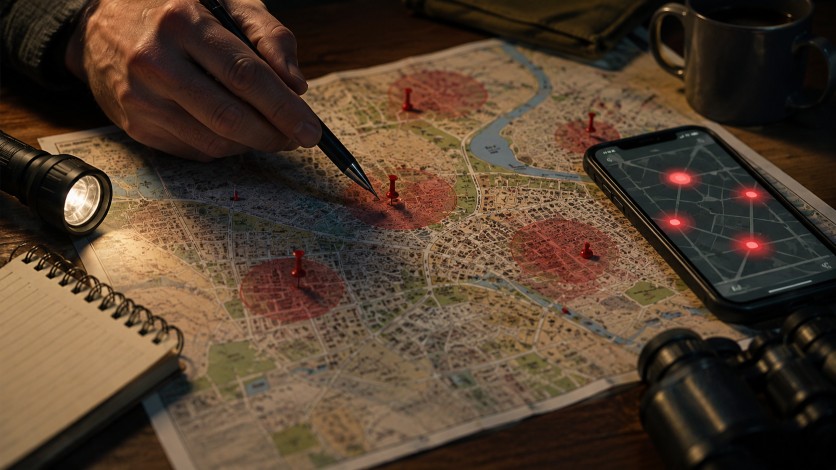
Crime maps can be useful because they turn scattered reports into a picture.
You may discover that most thefts in your area happen along one main road. You may see that car break-ins cluster near apartment lots, shopping centers, school parking areas, or trailheads. You may notice that a neighborhood you drive through at night has far more incidents than you realized.
This matters because movement is part of preparedness.
A prepper should know which routes are safer, which parking areas deserve caution, which gas stations to avoid late at night, and which parts of town change after dark. The goal is not fear. The goal is better judgment.
A good map helps you see what memory misses.
Watch For Repeated Small Crimes
Small crimes are often early warnings.
Repeated package thefts, vehicle rummaging, garage break-ins, shed thefts, vandalism, porch prowlers, and stolen bicycles may not sound dramatic. But they tell you something important: people are testing the area.
A neighborhood with constant small theft is a neighborhood where criminals are learning habits. They learn who leaves tools outside. They learn which cars are unlocked. They learn which homes are dark at night. They learn who has cameras and who does not.
That is why petty crime should not be ignored.
For your household, these reports should lead to simple action. Lock vehicles. Remove bags, tools, and electronics from sight. Reinforce sheds. Add lighting. Trim hiding places near doors and windows. Do not leave ladders outside. Secure gates. Make package delivery less visible.
Small changes made early can prevent larger trouble later.
Time Of Day Matters
A crime map without time is only half useful.
Look at when incidents happen. Some areas may be mostly quiet during the day and rougher after dark. Some thefts happen overnight. Some shoplifting, panhandling, or aggressive behavior clusters during business hours. Some road-rage, drunk-driving, or assault patterns show up late at night around bars or event areas.
Time helps you make practical decisions.
Maybe your wife should not stop at a certain gas station after 10 p.m. Maybe your teenager should not cut through a certain parking lot after work. Maybe you should move your dog walk earlier. Maybe you should avoid withdrawing cash at night. Maybe your family should use a different route home after evening church or sports practice.
You are not trying to live scared. You are trying to stop handing easy opportunities to trouble.
Neighborhood Apps Need Discernment
Neighborhood apps can be useful, but they can also be noisy.
Some posts are solid. A clear photo of a prowler, a repeated package thief, a stolen vehicle report, or a warning about attempted break-ins can help a community pay attention. Other posts are rumor, panic, gossip, or misunderstanding.
A prepper should use these apps with discipline.
Look for repeated reports from different people. Pay attention to posts with dates, times, locations, police report numbers, or clear descriptions. Be careful with emotional claims that provide no details. Do not join online mobs. Do not accuse people without evidence. Do not turn every unfamiliar person into a threat.
Information is useful only when judgment stays in control.
Let Trends Shape Home Security
Local crime should shape your security upgrades.
If the reports show car break-ins, focus on parking habits, motion lighting, cameras facing the driveway, and keeping vehicles empty.
If sheds and garages are being hit, upgrade locks, secure tools, mark valuable equipment, and stop leaving garage doors open.
If package theft is common, use lockers, delivery boxes, work addresses, or trusted neighbors.
If burglaries are increasing, review doors, strike plates, window locks, alarm options, lighting, cameras, and the visibility of valuables.
If there are repeated trespassing or prowler reports, trim shrubs, improve perimeter lighting, repair fences, and make approaches to your home less comfortable.
The best home security is not random. It answers the problems actually happening near you.
Movement Plans Should Change Too
Preparedness is not only about the house. It is also about how your family moves.
A local crime pattern may change where you shop, where you buy fuel, which ATM you use, where you park, which roads you take, and when you travel. It may change where your children wait for pickup or which route an elderly parent uses to walk home.
Make this practical.
Have two or three routes to important places. Know which roads become unsafe during unrest, flooding, heavy traffic, or late-night activity. Avoid predictable routines when possible. Keep fuel above half a tank. Teach family members to park under lights, keep doors locked, stay off the phone while walking, and leave early if a place feels wrong.
A prepared family does not drift through town half-asleep.
Talk To Real People
Maps and apps are useful, but they are not enough.
Talk to neighbors. Talk to small business owners. Talk to delivery drivers, church members, local repairmen, and people who walk the area every day. They often notice changes before official reports make the pattern clear.
An older neighbor may know which alley has become a problem. A shop owner may know when thefts are rising. A mail carrier may know which streets have package issues. A church member may know which parking lot has become risky after dark.
Local knowledge is one of the oldest prepper tools.
Use it respectfully. Listen more than you speak. Do not spread rumors. Confirm what you can.
Keep Your Own Notes
A simple notebook can help you see trends.
Write down incidents that matter within a few miles of your home, workplace, church, school, and regular shopping areas. Note the date, time, location, type of crime, and source of the information.
After a month or two, review it.
You may see that certain problems are moving closer. You may find that one route has repeated trouble. You may notice that thefts rise before holidays, during construction, after storms, or around paydays and public events.
A prepper who keeps notes is harder to surprise.
The Goal Is Awareness, Not Paranoia
Crime information can make some people anxious. That is why it needs to be handled with purpose.
You are not studying crime maps so you can live in fear. You are studying them so you can make better decisions. You are learning where trouble gathers, how it moves, what it targets, and what habits make a household easier or harder to victimize.
That knowledge should lead to calm action.

Lock what should be locked. Light what should be lit. Avoid places that have earned a bad reputation. Change routes when patterns demand it. Teach your family to notice what is around them. Build relationships with trustworthy neighbors. Report real problems. Stay within the law. Do not look for trouble.
The police blotter is telling a story about your area.
A wise prepper reads it before that story reaches his driveway.





Read the full article here