

A man can stretch food. He can sleep cold. He can work through pain. But when water turns bad, runs low, or disappears, the clock starts ticking fast.
That truth was understood long before bottled water, electric pumps, and plastic filters. Native tribes, pioneer families, and Amish communities all survived by learning one lesson well: if you do not understand your water, you do not understand your land.
They found it differently. They protected it differently. They used it differently. But all three saw water as something to be respected, guarded, and managed with care.
There is real wisdom there for any prepper willing to pay attention.
Native Wisdom Began With Observation
Native people knew the land in a way most modern Americans never will. They did not look for water with a map app or a county record. They found it by reading signs.
A spring might show itself where a hillside stayed green after the surrounding ground turned dry. Animal trails often led toward dependable water. Birds, insects, damp soil, shaded draws, and certain plants all pointed toward moisture. A low place that held green life longer than the rest of the country was worth studying.
That kind of water knowledge came from paying attention season after season.
Native people also understood that finding water and trusting water were two different things. A stream might run clear and still carry sickness. A pool might look calm and still be fouled upstream. Water coming straight from rock or from a clean spring seam was often prized because it had less exposure than open surface water.
That is still a good rule today. When you find water, ask what is above it. Livestock, dead animals, flood runoff, camps, chemicals, and stagnant pools all change the answer.
The first lesson from Native water wisdom is simple. Slow down. Read the land. Watch closely. Let the ground tell you where life is hiding.
Pioneers Built Around Water Or They Failed
Pioneer families did not have the luxury of picking pretty land and figuring the rest out later. If they settled on weak water, they paid for it in sickness, labor, and sometimes in graves.
That is why springs were so valuable. A good spring gave a family a more dependable source than hauling from a river or creek every day. The best springs ran cool and steady, and if they were protected well, they served a household with less trouble than most other sources.
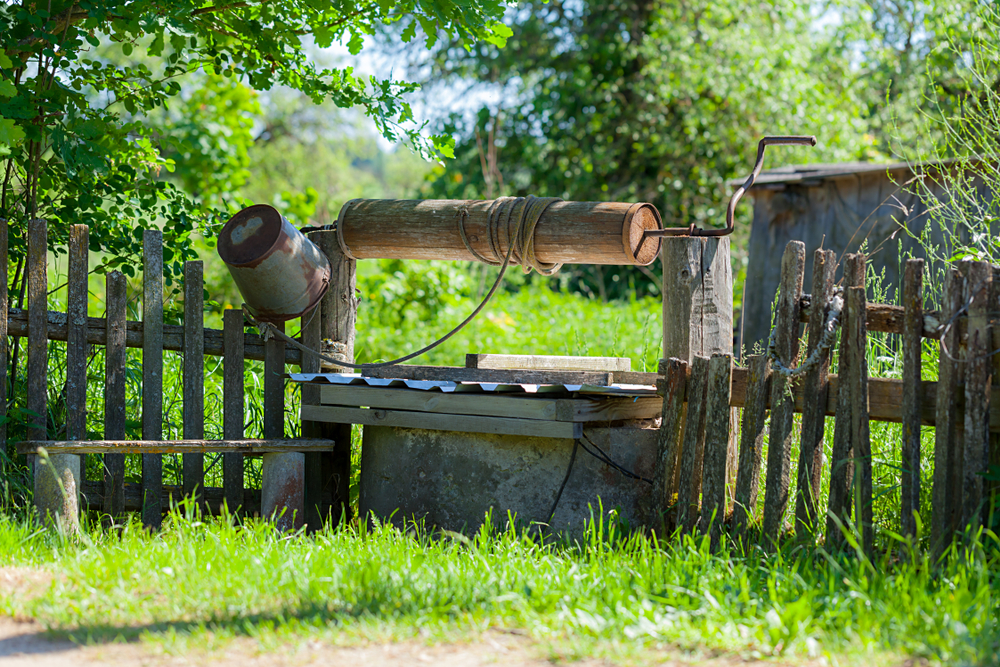
If no spring was available, pioneers dug wells. That was brutal work, but it was worth it. A well gave control. A family no longer had to depend entirely on open surface water. They could draw water closer to the house, protect it better, and use it more efficiently.
Rivers and creeks still mattered, especially for washing, livestock, and heavy use. But pioneers respected the danger that came with them. Floodwater, mud, dead animals, manure upstream, and human waste from camps or settlements could turn a creek into a sickness line fast.
The strongest homesteads usually worked from more than one source. One source for drinking. Another for washing. Rainwater for certain chores. A backup if the main source failed. That was not theory. That was survival.
A prepper ought to think the same way now.
Amish Water Habits Are Built On Stewardship
The Amish still live close enough to the old ways that they have something useful to show the rest of us. Their approach to water tends to be plain, practical, and disciplined.
Many Amish homes rely on wells, cisterns, gravity-fed systems, hand pumps, and careful household habits. Water gets used with intention. Waste gets noticed. Leaks get fixed. The source gets protected.
That part matters.
A lot of modern people think water safety begins when they pour from a faucet or run something through a filter. The Amish way points to something older and wiser. Water safety begins where the water begins.
A broken spring box, a loose well cap, livestock standing in runoff, chemicals stored too close to the casing, and surface water draining toward the well instead of away from it are the real beginnings of a water problem.
The Amish understand that steady use and careful protection are part of daily life, not something you think about only after a storm or blackout.
That is a lesson preppers ought to take seriously.
Finding Water Today Still Requires Common Sense
Modern tools help, but they do not replace the basics.
Walk your land. Walk it after a hard rain. Walk it again after dry weather. Look for places where the ground stays soft, where green growth hangs on longer, where a slope seeps, or where animal traffic gathers. Watch for signs of moisture in shaded ravines and at the base of hills.
If you are buying land, ask harder questions than most people do.
Is there a well?
How deep is it?
How is it powered?
Is there a manual backup?
Is there a spring on the property?
Has the water been tested?
Where does runoff go after storms?
How close are septic systems, fuel storage, livestock areas, or crop chemicals?
A good-looking property can still leave you weak where it matters most.
Testing Water Requires Judgment
Too many people trust their eyes. Clear water fools a lot of folks.
Real water judgment starts with looking, smelling, and thinking. Notice the color. Notice the smell. Notice whether the water is moving or standing still. Notice algae, dead fish, livestock traffic, or anything upstream that could foul it.
Then treat the water like it deserves respect.
For a home source like a spring or well, proper testing is worth doing whenever you can. For field use or emergency use, think in layers. First remove dirt and debris. Then purify. Then store it in clean containers.
Boiling remains one of the most dependable methods available. Good gravity filters are worth having. Chemical treatments make sense as a backup. But every one of those tools works best when you start with the cleanest source you can find.
Good judgment always comes before good treatment.
Protecting The Source Matters As Much As Storing Water
A prepper who thinks only about stored water is missing half the job.
If you have a spring, protect it. Keep runoff from pouring directly into it. Fence animals away. Repair collection points before they fail. Keep trash, chemicals, and fuel far from the area.
If you have a well, protect the cap and casing. Make sure the ground drains away from it. Watch the site after heavy rain. Keep the area clean. If the well depends on electricity, fix that weak point with a hand pump, a generator, solar backup, or stored reserves.
If you use river or creek water, set rules for your household. Draw from the cleanest point available. Stay away from floodwater if possible. Avoid muddy edges, stagnant pockets, and known livestock crossings.
And yes, every serious household should keep stored water. Pumps fail. Storms knock power out. Springs get muddy after heavy rain. Storage buys you time, and time buys you calm thinking.

The Old Lesson Still Holds
Native people read the land carefully. Pioneers built their homes around dependable water. The Amish protect the source and use it with discipline.
That is water wisdom.
It comes from observation. It comes from restraint. It comes from knowing that water is not just another utility. It is the line between order and trouble.
A prepper who understands his water stands on firmer ground than the man who owns expensive gear but has never walked his own property after a storm.
In hard times, the family that knows where its water comes from, how to protect it, and how to make it safe will have one of the biggest advantages there is.






Read the full article here