

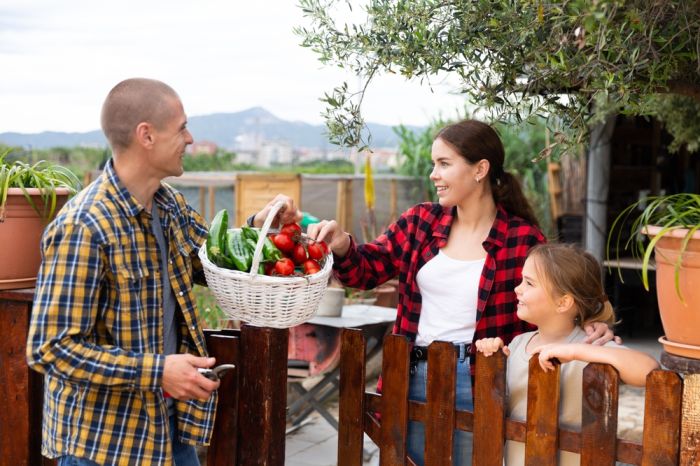
A lot of people talk about community when times are good.
Hard times reveal whether that word means anything.
When money is thin, shelves are uncertain, and everybody feels the squeeze, most families turn inward. That is understandable. A man has a duty to protect his household. A mother has every right to guard the pantry, the budget, and the peace of her home. But that does not mean service disappears when resources get tight. It means service becomes more thoughtful, more practical, and more disciplined.
A strong prepper household should not become careless with what it has. It should become more useful.
That is the balance worth aiming for.
1. Start With The Right Order
Serving others begins with order at home.
If your own house is in chaos, your help will usually be weak, emotional, and badly timed. If your bills are behind, your pantry is nearly empty, your children are anxious, and your marriage is strained, then trying to rescue half the neighborhood will only create more damage.
A prepper family serves best from stability.
That means your first responsibility remains your own household. Food, safety, finances, health, and peace in the home come first. That is not selfishness. That is stewardship. Once those things are reasonably in order, you can look outward with a clear head.
Service without order often turns into guilt-driven overextension. Service with order becomes a real strength.
2. Understand That Help Does Not Always Mean Money
When people hear the word “help,” they often think of giving away food, cash, or gear.
Sometimes that is needed. Many times it is not.
In lean seasons, one of the most valuable things you can give is useful effort. Time, labor, judgment, and calm presence often mean more than a bag of groceries handed over in a rush.
An older neighbor may not need your stored food. He may need his fence repaired before the storm comes through. A young mother may not need money. She may need someone to watch the kids while she gets to a doctor appointment. A church family may not need a check. They may need someone with a truck, a chainsaw, or two steady hands.
That kind of service preserves your margins while still making you a blessing.
3. Offer Skills Before Supplies
This is where preppers have a real advantage.
A lot of preparedness-minded people know how to do things that others have forgotten. They can fix small engines, patch a roof, sharpen tools, preserve food, clean up storm damage, set up rain catchment, split wood, build shelves, organize storage, rotate pantry goods, repair gates, or teach basic first aid.
Those skills are community assets.
If resources are tight, offer what you know before you offer what you own. Spend an afternoon helping someone install weather stripping, clean a gutter, organize their emergency supplies, or set up a basic water storage system. Show a younger couple how to cook from dry beans and rice. Help an elderly neighbor replace batteries in flashlights and smoke alarms. Teach somebody how to start a small garden bed instead of just handing them vegetables all season.
That kind of help multiplies.
A bag of food gets eaten once. A useful skill can keep serving a household for years.
4. Use Small Gifts With Intention
There is still a place for small physical gifts, especially when they are chosen with care.
A dozen eggs from your hens. A jar of soup. Fresh bread. Extra seedlings in spring. A bag of rice and beans. A stack of firewood. A spare flashlight with batteries. A few home-canned jars from last season. A hand-me-down coat for a child who needs it.
These are not huge gestures. That is often why they work so well.
Small gifts can relieve pressure without wrecking your own reserves. They also feel human. They tell someone, “I saw your need, and I thought about it carefully.”
The key is restraint. Help from your surplus, not from your panic layer. Give in a way that preserves your family’s stability.
That means you do not empty your own shelves to prove that you care. You give from a place of thoughtfulness, not from pressure.
5. Build Habits Of Neighborly Strength
The best service often starts before a real crisis.
Check on older neighbors after a storm. Offer to pick up one extra item when you are already headed to town. Share seedlings in May. Bring over soup when somebody is sick. Help stack wood before winter. Watch a house while a family is away for a funeral. Swap phone numbers and keep a quiet eye on each other’s place.
These habits build trust.
That matters because trust is one of the most valuable resources a community can have when times get hard. A neighborhood where people already know who is dependable will respond better to shortages, outages, storms, and personal emergencies than one where every house lives like an island.
You are not just helping in the moment. You are strengthening the local fabric.
6. Keep Safety In The Picture
Service should be generous, but it should also be wise.
Not every person in need is safe to bring close. Not every situation deserves full access to your property, your children, your supplies, or your routines. A prepper who wants to help his community still needs boundaries.
Meet some needs in public. Help outside rather than inside when that makes sense. Do not advertise your stores, your tools, or your vulnerabilities. Do not invite unstable people into your home just because you feel guilty saying no. Do not put your spouse or children in a position that feels unsafe so you can feel noble.
Strong communities need generosity and judgment at the same time.
You can drop off food without opening your whole life. You can help with labor while keeping certain parts of your home private. You can pray with people, encourage them, and be useful without becoming naive.
7. Protect Your Family’s Margins
Every household has limits.
You may have limited money, limited food stores, limited emotional energy, limited time, or limited physical strength. Those limits are real, and pretending otherwise usually ends badly.
That is why a prepper family should decide in advance what kind of help it can realistically offer. Think in categories.
What can we give from the garden?
What kind of labor can we offer?
What tools can we lend?
What supplies will we not lend?
How much food can we share without hurting our own position?
Who are the people we are most responsible to check on?
This kind of thinking prevents emotional giving in the heat of the moment. It helps the husband and wife stay united. It keeps service from turning into resentment later.
A clear plan protects the family while making generosity more sustainable.
8. Teach Children To Serve Wisely
Children should see this in action.
They should grow up understanding that preparedness is not a selfish project. It is one way a family becomes capable enough to help. Let them carry soup to a sick neighbor. Let them help stack donated firewood. Let them hand out extra seedlings, weed a widow’s garden, or help clean the church grounds.
Those moments teach a child that strength carries responsibility.
They also teach something else. Service is not always dramatic. Much of it looks ordinary. It looks like showing up, carrying something heavy, fixing something simple, sharing what you can, and going home without needing applause.
That is a good lesson for any future adult.
9. The Goal Is A Useful Household
A prepper family should aim to become the kind of household that makes a neighborhood steadier.
That may mean you are the house with the extra extension cord after the storm. The house with the pressure canner in harvest season. The house with the man who can patch a roof, the woman who can organize meals for somebody in recovery, the teenager who can mow a neglected yard, or the children who know how to serve without making a show of it.
That kind of usefulness matters.
In difficult times, people remember who stayed calm, who kept their word, and who showed up with something helpful in their hands.
10. Serve With Open Hands And A Clear Mind
There is a way to help your community that strengthens everyone involved.
It begins with taking care of your own household first. It grows through small acts, practical skills, and thoughtful gifts. It stays healthy through boundaries, safety, and restraint. And it becomes powerful when it is repeated often enough to create trust.
That is the kind of service hard times call for.
Not reckless giving. Not grand gestures. Not a hero complex.
Just steady people, using what they have, while protecting the family God gave them.
That is enough to do a lot of good.






Read the full article here