

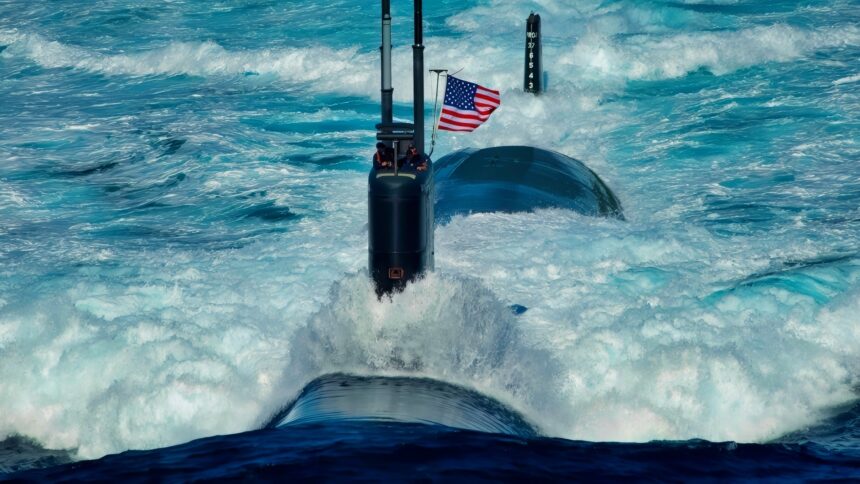
Earlier this year, the U.S. Navy announced that it was pulling the plug on the USS Boise (SSN-764), a Los Angeles-class nuclear attack submarine (SSN) that has been out of action for roughly ten years.
Originally scheduled for routine maintenance in 2016, Boise was forced to wait in port because of limited drydock space and other maintenance backlogs.
The Los Angeles-class attack submarine USS Boise (SSN 764) returns to homeport at Naval Station Norfolk after a six-month deployment. During the deployment the ship traveled more than 37,000 nautical miles while executing the chief of naval operation’s maritime strategy in supporting national security interests and maritime security operations. (U.S. Navy photo by Mass Communication Specialist 1st Class Todd A. Schaffer)
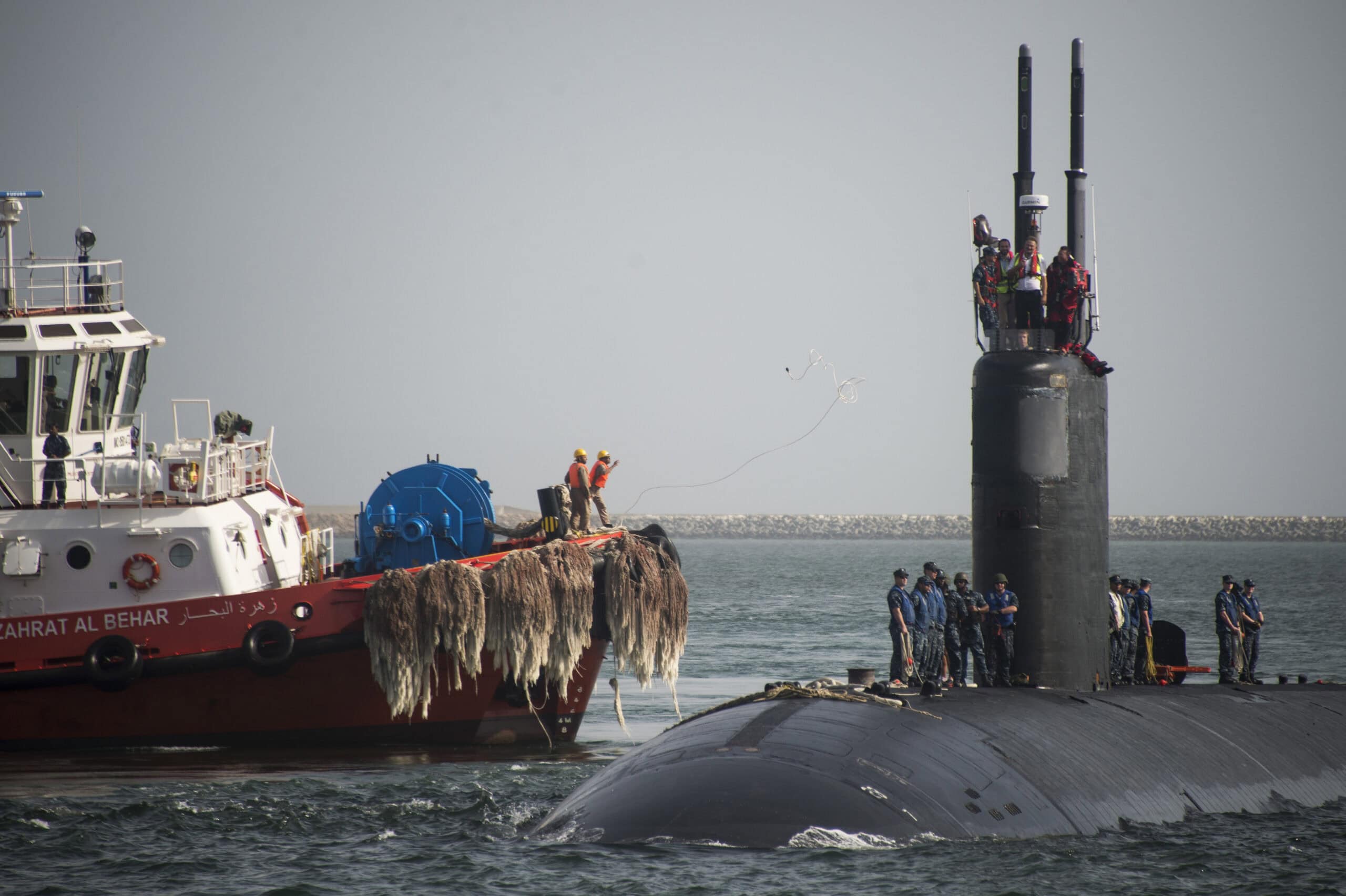
The Los Angeles-class attack submarine USS Boise (SSN 764) pulls into port in Duqm, Oman. Boise is the first nuclear vessel to conduct a port visit in Oman since 1996 and it will be the precursor to future nuclear powered vessels conducting port calls in Oman. (U.S. Navy photo by Mass Communication Specialist 2nd Class Daniel M. Young/Not Reviewed)
Finally, when Huntington Ingalls (HII) received a contract for her maintenance, further delays prevented her from entering drydock until 2021.
Five years later, the program faced numerous delays, prompting the Navy to terminate it and invest in more worthwhile programs.
The whole episode is a damning indictment of the Navy’s management and of U.S. shipbuilding as a whole.
In 2015, the USS Boise pulled into Newport News, Virginia, after a standard multi-month-long patrol.
She was scheduled for a routine overhaul in 2016, but congestion and delays at the Norfolk shipyard forced her to wait.
In fact, some sources claim she was supposed to undergo maintenance as far back as 2013, but the plan was axed due to the aforementioned delays.
Instead, she was sent on a few more patrols in 2014 and 2015, hoping for drydock space to open up by the time she returned.
Unfortunately, she would have no such luck.
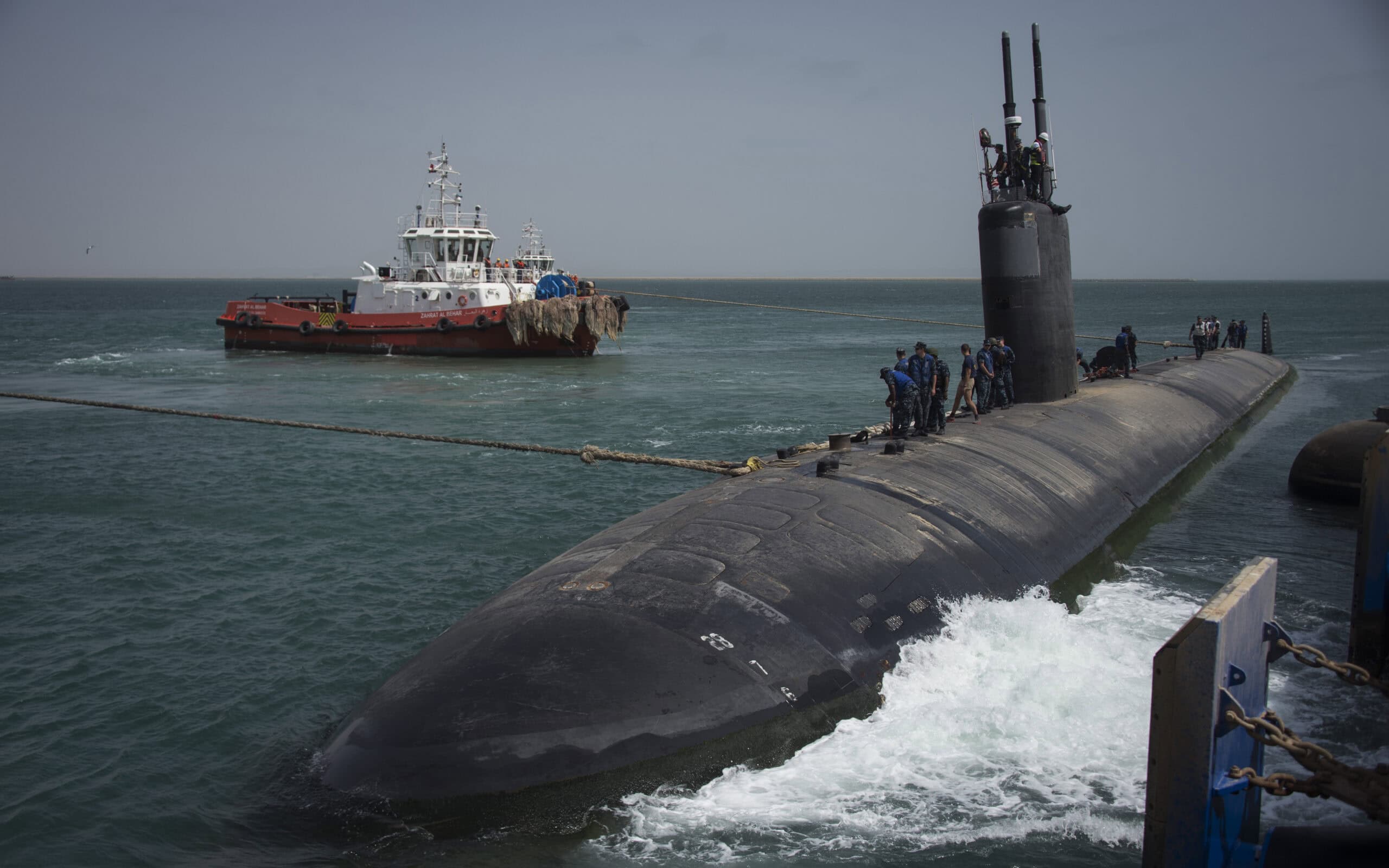
The attack submarine USS Boise (SSN 764) departs after a scheduled port visit in Duqm, Oman, Aug. 18, 2014. The Boise was the first nuclear vessel to conduct a port visit in Oman since 1996 and was the precursor to future nuclear-powered vessels conducting port calls in Oman. (U.S. Navy photo by Mass Communication Specialist 2nd Class Daniel M. Young/Not Released)
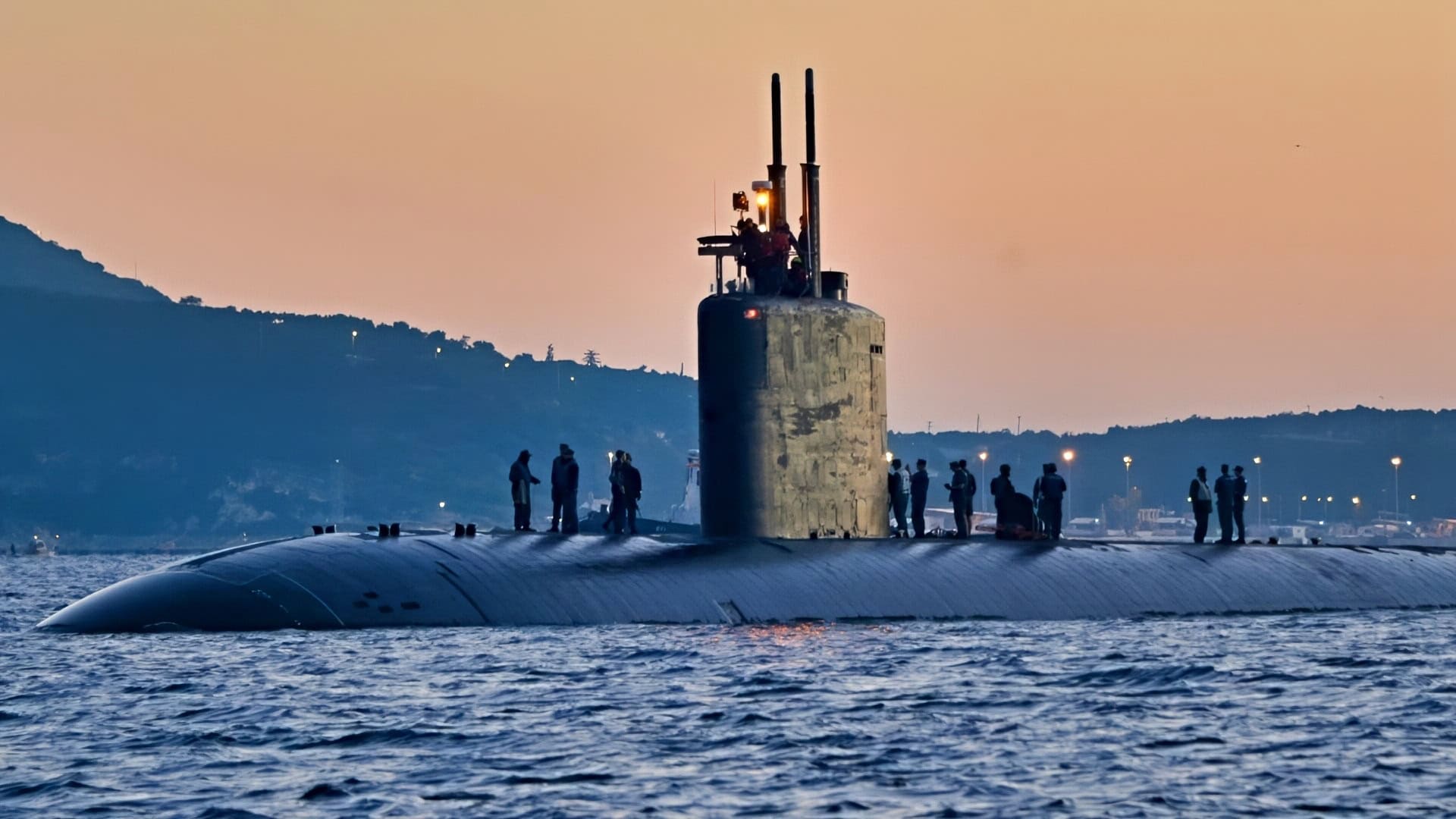
USS Boise (SSN 764) enters Souda Bay, Greece, during a scheduled port visit Dec. 23, 2014. Boise, a Los Angeles-class submarine, homeported in Norfolk, is conducting naval operations in the U.S. 6th Fleet area of operations in support of U.S. national security interests in Europe. (U.S. Navy photo by Mass Communication Specialist 2nd Class Jeffrey M. Richardson/Released)
As Boise continued to wait, she lost her diving certification in 2017, physically preventing her from undertaking any more patrols until after her overhaul, which had not even begun yet.
Finally, the Navy awarded HII a contract to perform her overhaul at a private shipyard.
Unfortunately, further delays at HII’s shipyards kept Boise from entering drydock until 2021, two years after the contract was awarded. “It’s been disappointing to us,” said then-Chief of Naval Operations Adm. Mike Gilday. “It’s an area where industry has to step up, with the Navy stepping up, to deliver these ships on time.” Gilday derided the Navy and the public sector for failing to deliver ships on time and for mismanaging its various maintenance programs.
Originally, Boise was planned to finish her overhaul and rejoin the fleet by 2021. However, by the time she reached her port, the pandemic was already in full swing, meaning that Boise was certain to miss her delivery date.
It seemed that she was cursed to never complete her overhaul.
The longer the work continued, the more it was delayed.
By 2025, her delivery date had been pushed back to 2029.

NORFOLK (Dec. 21, 2010) The Los Angeles-class submarine USS Boise (SSN 764) returns to homeport at Naval Station Norfolk after a scheduled six-month deployment. Boise conducted operations in the U.S. European Command area of responsibility, supporting national security interests and maritime security operations. (U.S. Navy photo by Mass Communication Specialist 2nd Class Danna M. Morris/Released)

NORFOLK, Va. (Dec. 23, 2008) The Los-Angeles class attack submarine USS Boise (SSN 764) returns to Naval Station Norfolk following a scheduled deployment. While deployed, Boise participated in five anti-submarine warfare exercises with several European Allies and performed two missions that supported Commander, U.S. Sixth Fleet objectives and national security interests of the United States. (U.S. Navy photo by Mass Communication Specialist 1st Class Todd A. Schaffer (Released)
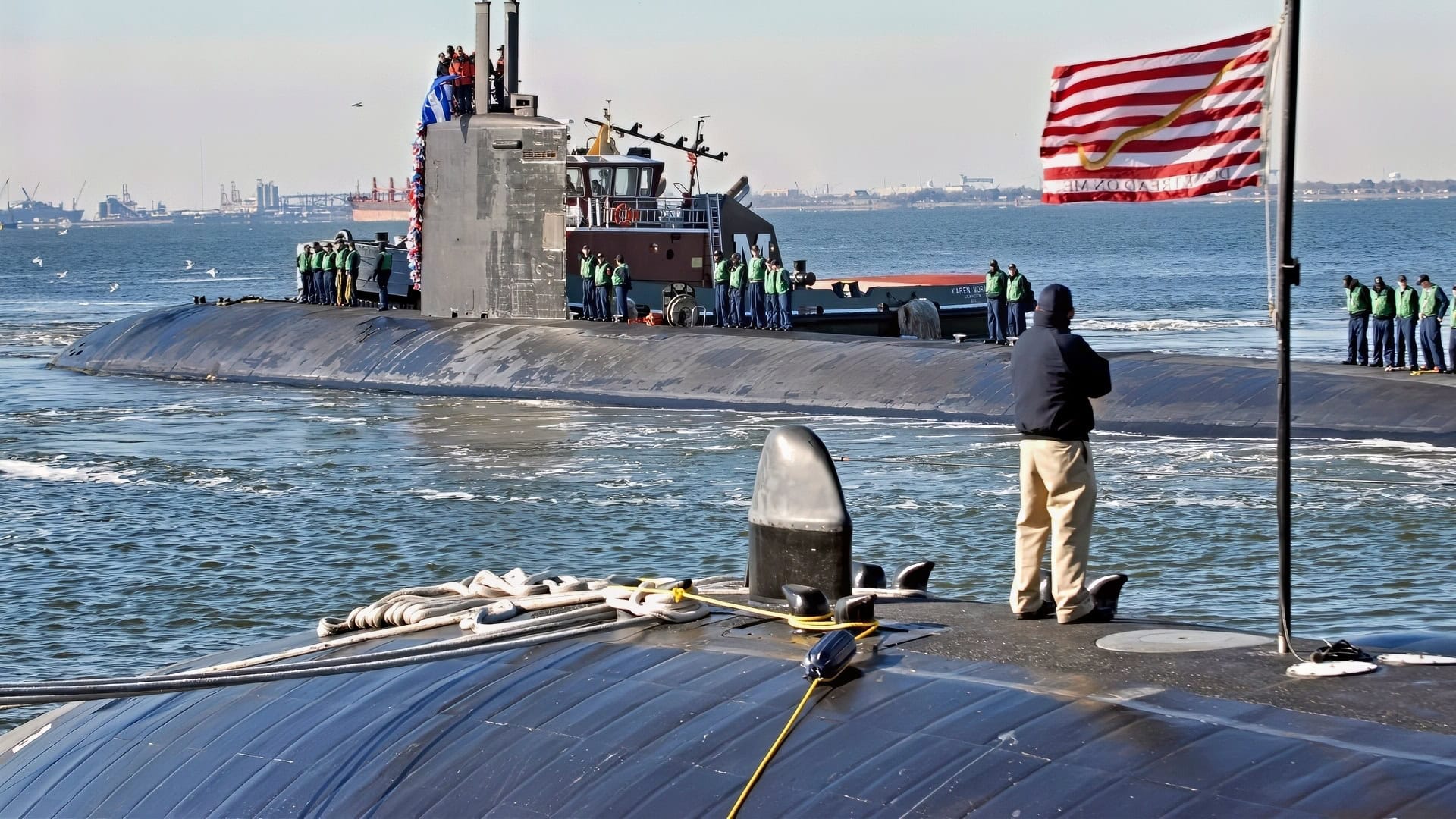
NORFOLK, Va. (Dec. 23, 2008) – The Los-Angeles class attack submarine USS Boise (SSN 764) returns to Norfolk following her regularly scheduled deployment. While deployed, Boise participated in five anti-submarine warfare exercises with several European Allies and performed two missions that supported Commander, U.S. Sixth Fleet objectives and national security interests of the United States. (U.S. Navy photo by Mass Communication Specialist 1st Class Todd A. Schaffer / Released)
In 2026, the Navy officially decided to pull the plug on Boise’s maintenance and retire her early. “After a rigorous, data-driven analysis, we’ve made the tough but necessary decision to inactivate USS Boise,” said Chief of Naval Operations Daryl Caudle. “This strategic move allows us to reallocate America’s highly skilled workforce to our highest priorities: delivering the new Virginia- and Columbia-class submarines and improving the readiness of our current fleet.”
After ten years of waiting, Boise had become a sunk-cost fallacy for the Navy.
The longer she remained out of action, the more funds she would suck up that could have gone to other, more important projects.
According to Secretary of the Navy John Phelan, the Navy spent almost $800 million on Boise (along with the $1.2 billion contract to HII) and completed only 22% of her overhaul.
Furthermore, Los Angeles-class attack submarines typically have a service life of around 35 to 40 years before retirement.
Originally commissioned in 1992, Boise has been in service for 34 years.
If the ship had continued her maintenance and reentered service in 2029, well, she would have remained in service for a few more years at most before being decommissioned anyway.
From a long-term perspective, it makes more sense to decommission her early rather than spending.
Unfortunately, Boise is not an isolated case.
She was the culmination of a host of other systemic issues that have gradually eroded the Navy’s submarine fleet.
For years, government watchdogs such as the Government Accountability Office (GAO) and the Congressional Budget Office (CBO) have sounded the alarm about these institutional problems.
In 2021, a report from CBO had this to say: “After overhauls, Virginia-class submarines have returned to operations almost nine months later than expected, on average. Los Angeles-class submarines have taken four and a half months longer than scheduled, on average, to return to the fleet.”
The report continues, noting that in some cases, submarines have missed scheduled deployments or had them shortened.
“It’s a sad statement on the Navy industrial base,” naval analyst Bryan Clark said to USNI News.
As far back as 2018, the Navy has been taking steps to mitigate the problem by addressing the lack of personnel and facility space.
However, as GAO noted, “[the Navy] has not effectively allocated maintenance periods among public shipyards and private shipyards that may also be available to help minimize attack submarine idle time.
GAO’s analysis found that while the public shipyards have operated above capacity for the past several years, attack submarine maintenance delays are getting longer and idle time is increasing.” These issues reflect poorly on the Navy and come at a time when the U.S. needs more submarines, especially as China has been expanding its shipbuilding capacity.
About the Author: Isaac Seitz
Isaac Seitz, a Defense Columnist, graduated from Patrick Henry College’s Strategic Intelligence and National Security program. He has also studied Russian at Middlebury Language Schools and has worked as an intelligence Analyst in the private sector.