
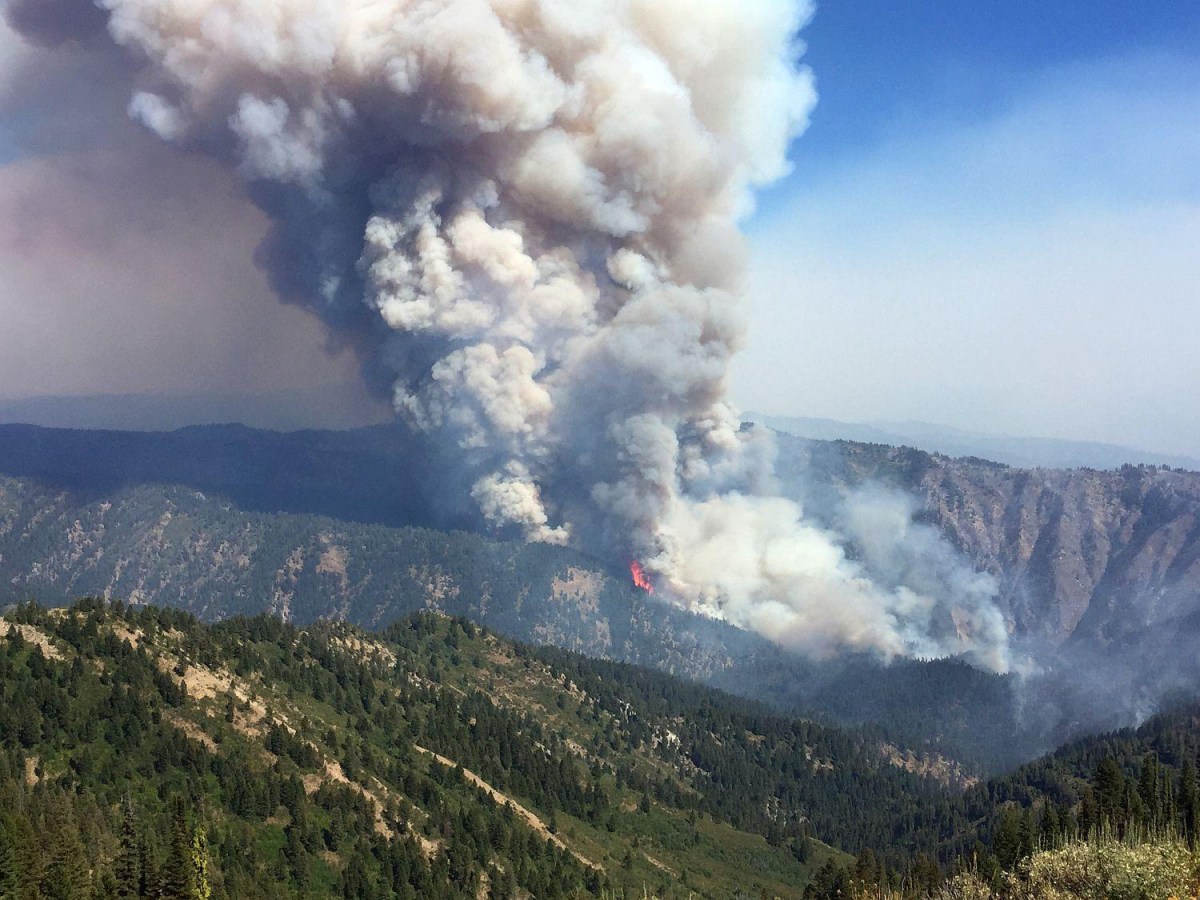
The U.S. is already experiencing its worst wildfire year in a decade. The news comes in the wake of a massive restructure of the U.S. Forest Service, which spearheads the country’s wildfire response, and ahead of even more proposed budget and staff cuts.
About 2.4 million acres have already burned across the U.S., according to a report released Monday by the National Interagency Fire Center. That’s almost double, or 195 percent of, the previous 10-year average.
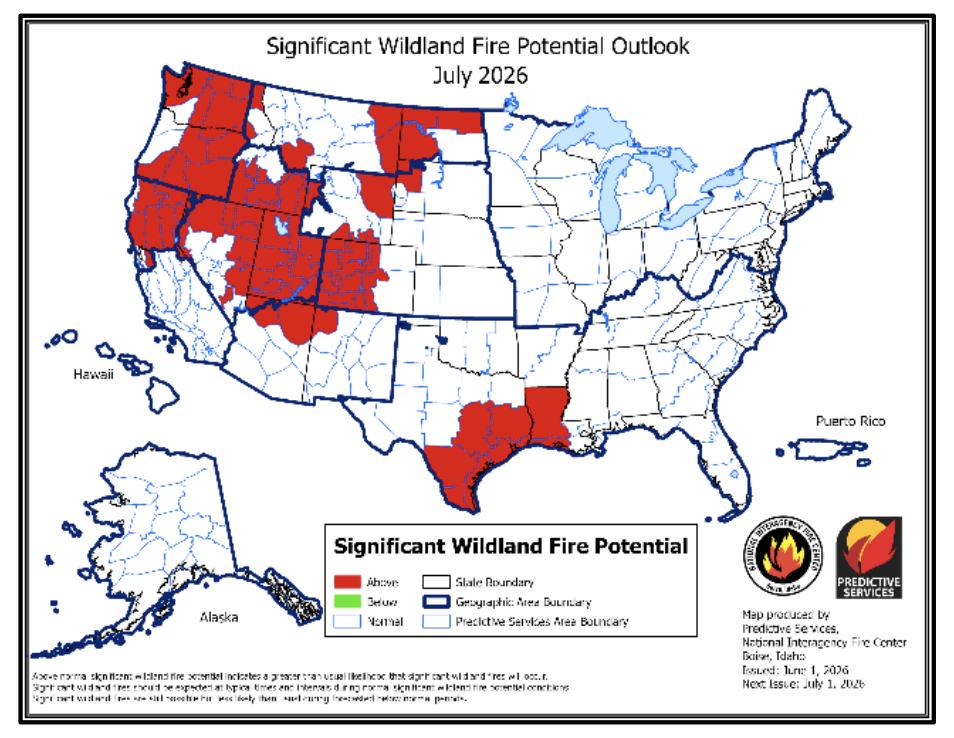
The number of individual wildfires reported has also climbed to 140 percent above average, with 30,588 wildfires reported across the U.S. as of May 31. June in particular has an “above normal significant fire potential” across much of the West. As of press time there are currently 10 large fires burning in the U.S., six of which are as of yet uncontained, according to the most recent available data from the NIFC.
Environmental factors including low snowpack, high temperatures, and persistent drought are partially to blame for the increased fire risk. Despite relief from spring rains in areas like the Gulf Coast, drought currently covers about 61 percent of the U.S. That drought has developed, persisted, and even doubled down in much of the West, the Northern High Plains, and portions of the Midwest. Eastern Montana was hit the hardest.
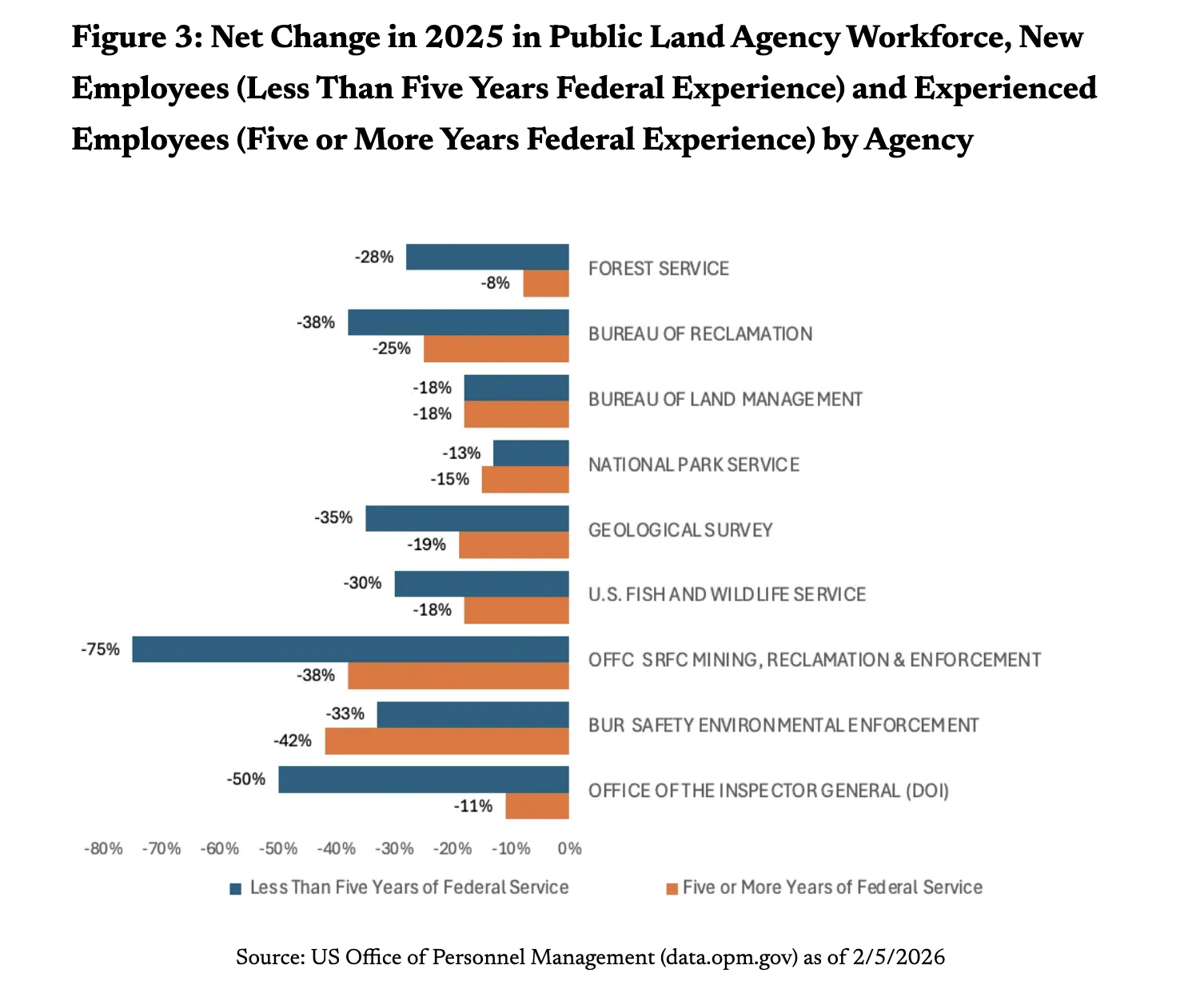
The spike in burned acreage and number of wildfires also follows a substantial loss of federal employees who actively fought fires and helped prevent them. Federal public land agencies have lost more than 26,000 rangers and staff, or 17 percent of all employees, since DOGE budget cuts kicked off in early 2025. The USFS alone lost 28 percent of employees who had fewer than five years of service, and 8 percent of those who had more than five years of service.
“In some Western states, federal agencies lost more than 30 percent of junior staff — the core of the workforce that is typically on the front lines of wildfire response,” notes the Center for Western Priorities.
Agencies also lost staff capacity in nearly every job type, including forecasters, meteorologists, and emergency dispatchers. As part of the Forest Service restructure, the U.S. Department of Agriculture announced it would be closing dozens of USFS research stations, many of which conduct wildfire research.
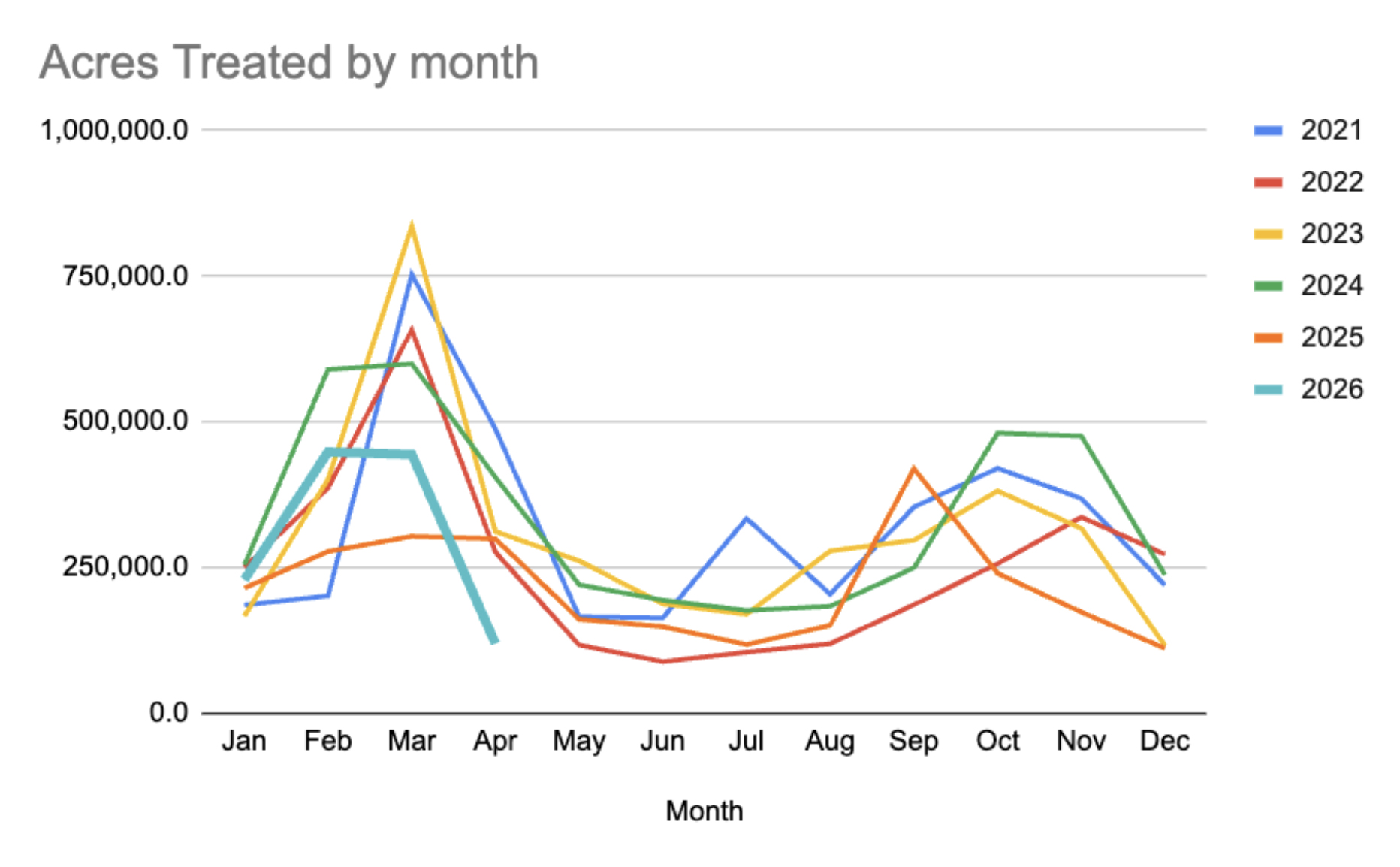
Meanwhile, a key part of wildfire management — proactive fire prevention — has also declined since the second Trump administration took office. In 2025, for example, USFS treated about 2.6 million acres for hazardous fuels; that’s down about 35 percent from the 4.1 million acres treated in 2024, according to a recent report from the Center for Western Priorities. The states that suffered the biggest reduction in hazardous fuel treatment include Montana (61 percent decline), Oregon (47 percent), Idaho (45), California (40 percent). You can dig more into the data here, but this translates to a drop in prescribed burning, thinning, and other wildfire prevention work.
While 90 percent of some forests in states like California have burned in the last 40 years, most forests across the West aren’t even close. Even mega-fires in Wyoming and Colorado have only burned 20 to 30 percent of the forests, as we reported last month. And some forests are ready to burn again, like the nearly 800,000 acres scorched in Yellowstone National Park’s famous 1988 wildfires.
“What we’re seeing with intensity and frequency of fires … and whether you call it changing weather patterns or climate change, if there was ever a time we needed more research, more technology development, [more staff], it’s now,” former USFS chief Tom Tidwell told OL this spring. “This is not a time for less.”
Here are a few other takeaways from this summer’s fire outlook:
- Fire activity increased modestly across the U.S. in May, with brief periods of increased activity mid and late month.
- Above normal temperatures are likely across most of the U.S., especially in the West, as the country transitions to summer.
- The snow drought persists in the West, with almost all snow now off except for the highest elevations of the Sierra, and the higher elevations above 6,000 feet which still hold some snow but remain mostly below normal.
Read Next: ‘Everything Is Ready to Burn.’ The West Braces for a Brutal Fire Season
You can read more about fire potential where you live here. The monthly report is designed to help wildland fire management stay proactive and get ahead of fire season to reduce costs and improve firefishing efficiency.
Read the full article here