

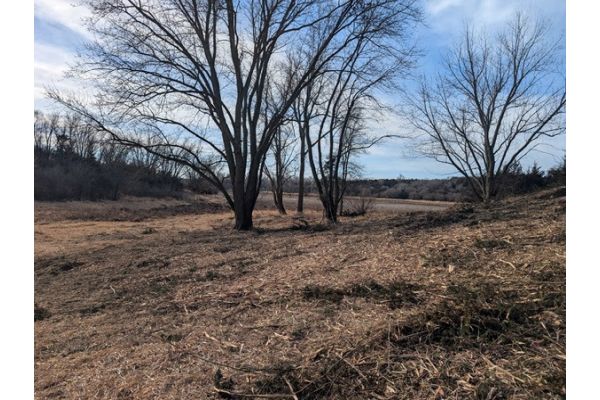
EDGEFIELD, S.C. — In partnership with the South Dakota Department of Game, Fish and Parks, the National Wild Turkey Federation recently completed a habitat improvement project designed to benefit wildlife and enhance water resources in southeastern South Dakota.
For the NWTF, projects like the Pattee Creek Grassland Restoration Project are about improving the landscape and more. Healthy grasslands and reliable water sources are essential for wild turkeys, especially during the nesting and brood-rearing seasons. Without open habitat and access to food and water, turkey populations struggle to thrive.
Restoring Grasslands Along Pattee Creek
The Pattee Creek Grassland Enhancement Project — located on public land at the Pattee Creek Game Production Area near Fairview in Lincoln County — will restore 75 acres of grassland along Pattee Creek and near Lake Lakota.
The $25,000 project, supported in part by the South Dakota NWTF Super Fund, focused on controlling invasive Eastern red cedar that had spread into the grasslands and along creek edges.
A contractor cut and mulched cedar trees that were crowding out native grasses and forbs. As Eastern red cedar spreads across the region, it shrinks open spaces that wildlife rely on and limits growth of plants that provide food and cover. These trees can use up to 50 gallons of water per day, reducing availability for nearby streams, wetlands and surrounding vegetation.
The Roots of Cedar Encroachment
While Eastern red cedar is native to the region, its rapid expansion is largely tied to decades of fire suppression and large-scale tree planting during the 1930s Prairie States Forestry Project, when millions of trees were planted in shelterbelts to reduce wind erosion. Over time, the trees spread beyond their intended boundaries. Birds also dispersed seeds, allowing new trees to quickly take root in open grasslands. This encroachment has been a growing issue across the state, gradually eroding grassland habitat and draining water resources if left unchecked.
For more in-depth information on the Eastern red cedar’s impact on South Dakota, read the full article by South Dakota Public Broadcasting: Eastern red cedar tree encroachment a growing threat to ranchers, grasslands.
Removing cedar helps reverse this trend. For wild turkeys, this means better nesting cover and brood-rearing habitat. Poults rely on open spaces with a mix of grasses and forbs that have ample insects that are critical to survival in the first weeks of life. Red cedar and other invasive species also tend to outcompete beneficial trees like cottonwoods. Turkeys depend on riparian corridors where cottonwoods grow, often using them as roost trees. Smaller cedar trees, especially those three to five feet tall, create cover for predators, limiting a turkey’s ability to spot danger. Restoring these habitats boosts the odds for successful nesting and brood rearing.
Other wildlife, including pheasants, songbirds and pollinators, also benefit from projects like the Pattee Creek Grassland Restoration Project. Many of these species need water during dry periods, and reducing cedar helps more water remain in the ecosystem, supporting both plants and animals.
Multiple Benefits Across the Landscape
“Projects like this are a prime example of having multiple landscape benefits,” said Clayton Lenk, NWTF district biologist. “Not only are we promoting quality habitat for grassland-dependent species, but we are simultaneously increasing the amount of water availability by removing species like red cedar that are known for utilizing a disproportionate amount of water.”
The project aligns with the NWTF’s Four Shared Values, primarily focusing on improving water quantity and quality and habitat. Removing invasive trees encourages growth of native vegetation along streambanks, where riparian areas stabilize soil, filter runoff and maintain healthy waterways.
Looking Ahead: Ongoing Management
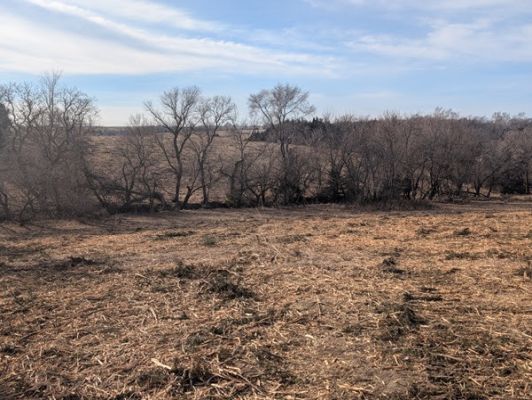
South Dakota Game, Fish and Parks will continue removing additional cedar in the coming weeks using department equipment to expand the restored area. Managing these lands with prescribed fire will reintroduce the natural disturbances needed to keep cedar at bay and rejuvenate native grasses. Ongoing management is critical to prevent new growth and protect past restoration efforts.
Long-Term Benefits for Wildlife and Water
Completed in February 2026, the Pattee Creek project shows how focused habitat work on public lands delivers lasting benefits. Healthy grasslands support a wide range of wildlife while helping water move naturally through the landscape, especially important for wild turkeys during the nesting and brood-rearing seasons.
“As NWTF has learned through some of the research projects funded, especially the Gregory County project that is wrapping up, the cedar overgrowth/encroachment is a significant habitat problem for wildlife,” said Dr. Don Massa, South Dakota NWTF State Chapter president. “It creates an environment where predators thrive, water supplies are diminished, and the beneficial plant species are choked out. There was a time that we thought the hens nested in this thick cedar cover, but we have since learned that they actually are avoiding these areas.”
By restoring grasslands and improving conditions along Pattee Creek, this project strengthens both habitat and water resources. Efforts like this demonstrate how thoughtful land management can enhance overall riparian health on public lands.
About the National Wild Turkey Federation
Since 1973, the National Wild Turkey Federation has invested over half a billion dollars into wildlife conservation and has positively impacted over 25 million acres of critical wildlife habitat. Since 2022, the NWTF has also invested over $2.3 million in critical wild turkey research that, when leveraged with partner contributions, has resulted in more than $22 million to guide the management of the wild turkey and to ensure sustainable populations. The organization continues to deliver its mission by working across boundaries on a landscape scale to create healthy forests and wildlife habitats, clean and abundant water, resilient communities and robust recreational opportunities. With the help of its dedicated members, partners and staff, the NWTF is committed to creating a nation united by the life-changing power of the outdoors.
Read the full article here