
We may earn revenue from the products available on this page and participate in affiliate programs. Learn More ›
There are a lot of different opinions about monolithic copper bullets — both in how they shoot, and how they perform on game. You’ll find both advocates and detractors, and debates can be heated at times. One of the most common things you’ll hear about all-copper bullets is that their accuracy can be finicky. Over many years, I’ve found that some rifles shoot copper bullets like the Barnes TSX, TTSX, and LRX, and the Hornady GMX and CX very accurately, while other rifles don’t. One theory that we hear often is that to get your rifle to shoot copper bullets better, you must clean the bore of all fouling from other types of ammunition; the fouling from other bullets is assumed to disrupt the accuracy of all-copper slugs. That’s an idea that I decided to put to the test.
Sample Size Solves Many Mysteries
Much of the shooting lore that’s been perpetuated for decades can easily be solved by simply using an adequate sample size. At Outdoor Life, we have been using 20-shot samples for a few years now, and it’s dispelled many accuracy misconceptions and greatly simplified load development by reducing misleading results. If we want to know how a rifle shoots a certain type of ammo, we fire four five-shot groups, aggregate those into a single 20-shot group with the same point of aim, and analyze group size and mean radius. With a 20-shot sample, we’ll see variation by up to 15 or 20 percent normally. That’s still a much more precise number than with three- or five-shot groups. Those will regularly vary in size by 50 percent or more. In other words, a rifle that averages one-inch five-shot groups will print groups that vary between about half an inch and one and a half inches — though each rifle and ammunition combo is a little different. Using 20 total shots gives us a more consistent and realistic look at a rifle’s precision with any given ammo.
If we apply the same evaluation to this theory about copper bullets, we will get a pretty reliable answer.
Rifle Fouling Theory
The common theory we are putting to task is that copper/gilding metal fouling from cup-and-core or bonded lead-core bullets disrupts how a monolithic copper bullet interacts with the rifling. Some shooters say they have had the precision of their rifle, with copper bullets, improve after carefully cleaning fouling from other ammunition — at least within their sample sizes. The question is whether this is a real change or simply an illusion of small sample size and the confirmation bias of seeing what you want to see.
Shooting Editor John Snow and I, after many thousands of rounds of testing, have regularly seen changes with the first one to three rounds fired after switching ammunition — or when starting with a clean bore. This doesn’t always show up, and it’s not very predictable, but there does seem to be a settle-down period when the barrel is fouled with one bullet/powder and you switch to another. Often, we will shoot one “fouling group” before beginning our recorded accuracy data when we switch ammo.
To the Test
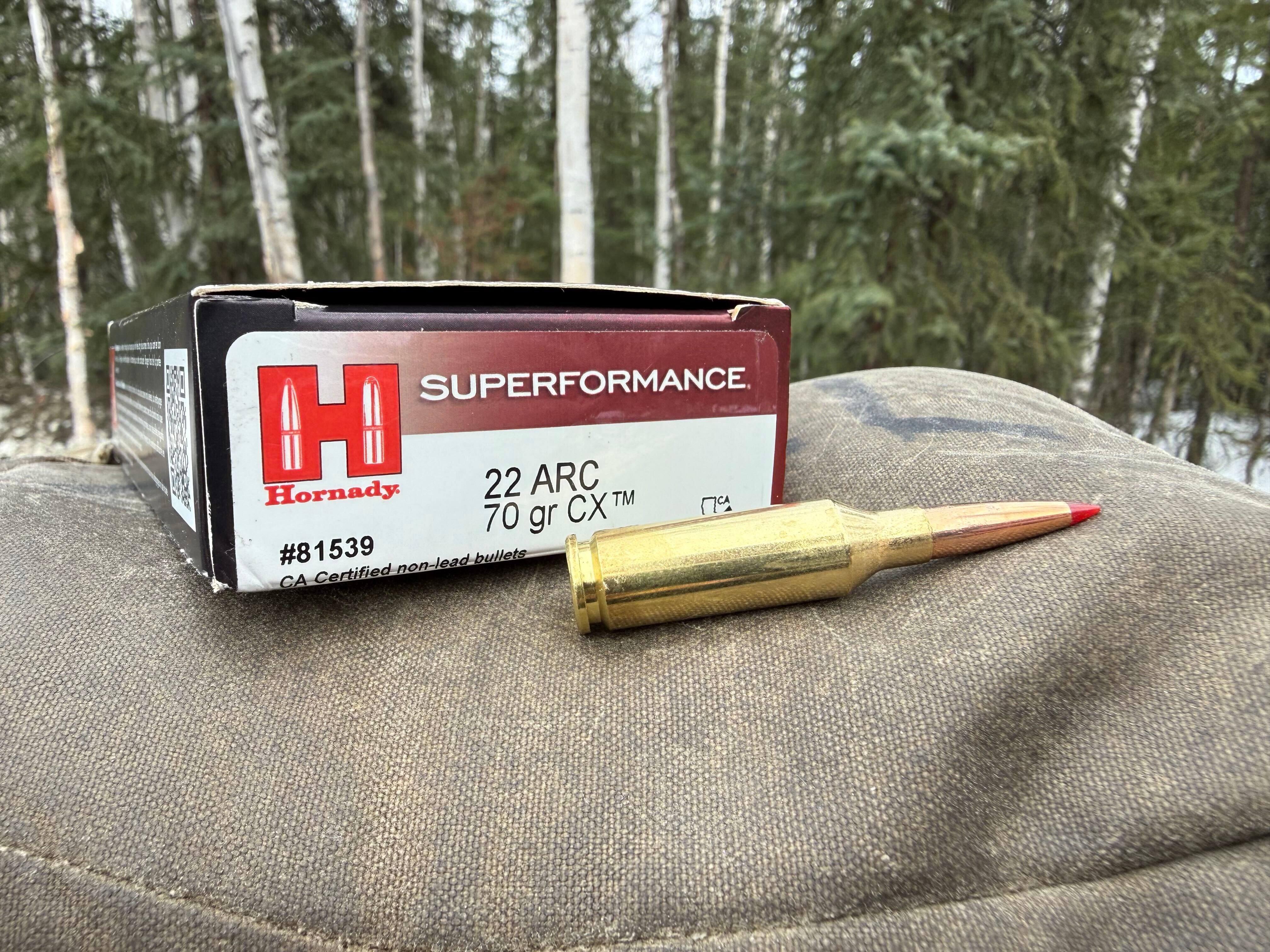
I tested two different copper loads in two different cartridges. I fired Hornady’s 70-grain CX bullet through my 20-inch 22 ARC, and Barnes 55-grain TSX through a 20-inch .223 — both very accurate rifles with Proof carbon-fiber barrels.
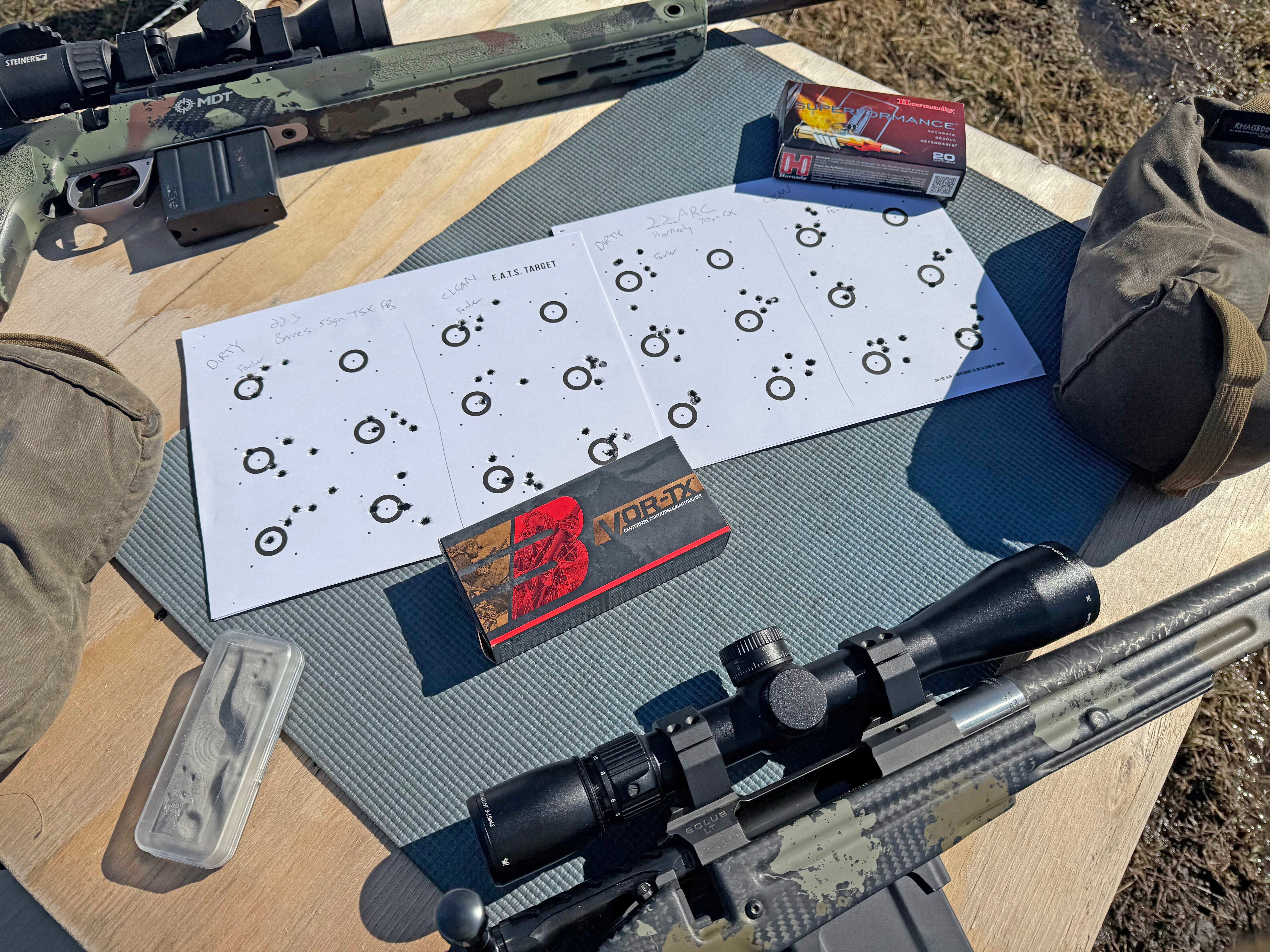
At the beginning of the evaluation, each barrel had approximately 300 rounds of different ammunition with no cleaning. Here was my procedure:
- Fire one five-shot fouling group with each rifle/ammo combo
- Fire four five-shot groups with each rifle/ammo, allowing barrels to cool between
- Clean barrels well, and inspect with bore scope to make sure most copper fouling was gone.
- Fire one five-shot fouling group with each rifle/ammo combo
- Fire four five-shot groups with each rifle for record
- Aggregate both “dirty” and “clean” groups into 20-shot aggregates
- Compare group size and mean radius values to see if they are greater than 20% different.
Results
| Rifle | 20-shot Group Size (Dirty/Clean) | Mean Radius (Dirty/Clean) | Percentage of Change for Group Size | Percentage of Change for Mean Radius |
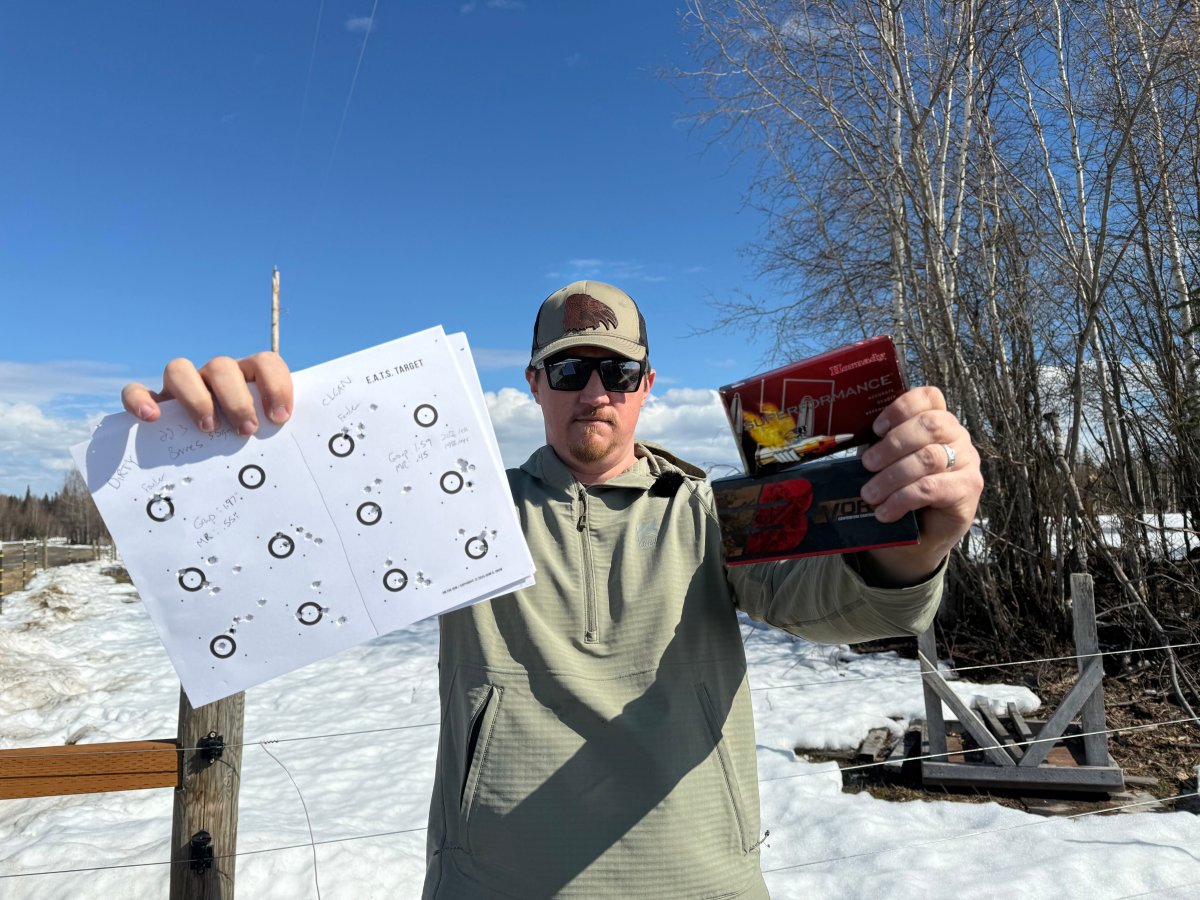
| 22 ARC (70-Grain CX) | 1.53 in. / 1.66 in. | .41 in. / .40 in. | 8.5 percent larger group clean | 2.4 percent more accurate clean |
| .223 Rem (55-grain TSX) | 1.97 in. / 1.59 in. | .55 in. / .45 in. | 19.2 percent smaller group clean | 18 percent more accurate clean |
In this evaluation, we saw virtually identical results from the 22 ARC, with both group size and mean radius well within the limits of normal variation. The .223 showed an 18 to 20 percent smaller group size and mean radius after being cleaned. This could be indicative of an improvement, but it’s really still within the typical noise between group sizes. I’d want to see a more substantial improvement to confirm an actual change that will hold up over time. Essentially, we didn’t see any statistically relevant improvements that clearly indicate cleaning makes a difference.
Read Next: Rethinking Rifle Accuracy: What is Mean Radius, and Why Should We Care?
Final Thoughts
To conclusively prove that removing previous fouling won’t generally improve copper bullet performance would take more extensive testing, but I think this is a good indicator. It tracks with all of the accuracy testing I’ve done previously. I haven’t seen any real difference in how copper bullets perform — whether I start with a clean bore or not. I certainly do see changes when switching ammo, but only in the first few shots. My takeaway is that if you fire a couple fouling shots when switching ammo, and use a larger sample size than you might be used to, you’ll know how well your rifle shoots, regardless of whether it’s starting clean or not. The great thing is that you can use this same protocol to test this and many other theories for yourself.
Read the full article here