
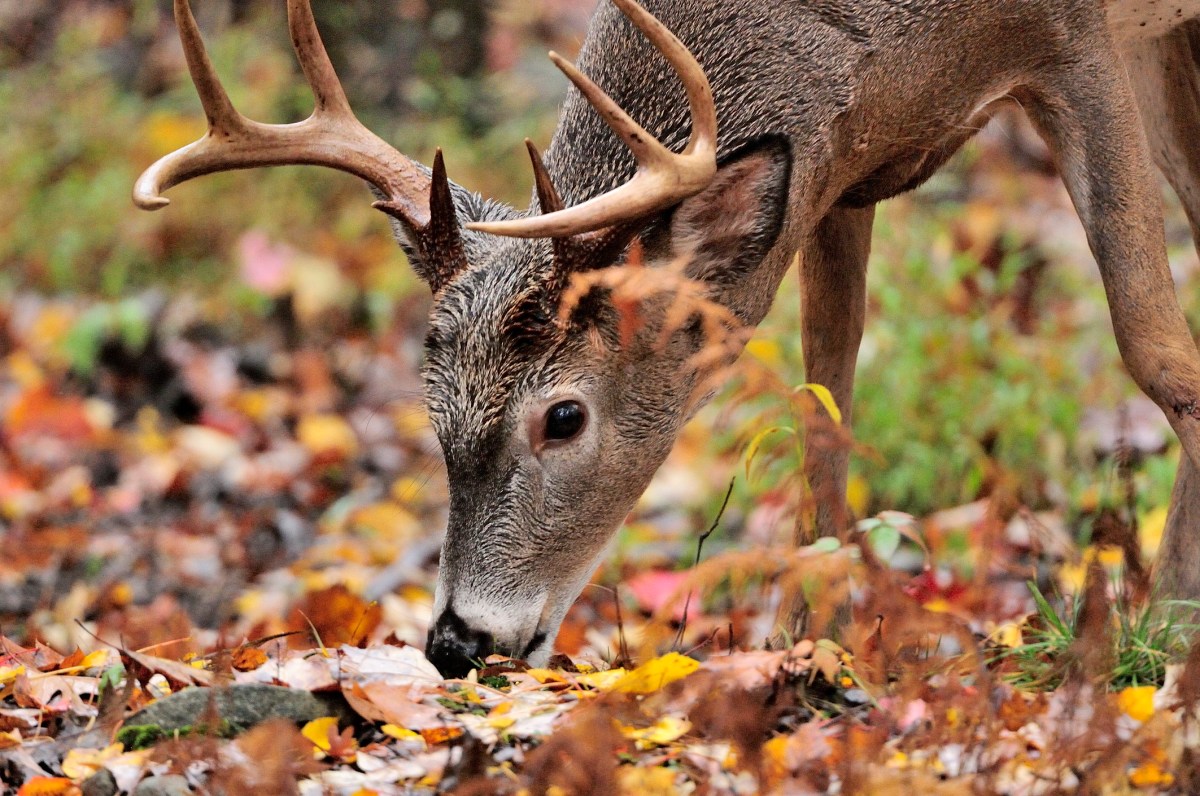
Food plots are great, agricultural crops are good too, but during the right window in mid-fall, nothing draws in deer like acorns. These oak tree nuts are packed with nutrients, they’re often available in large quantities, and they allow deer to feed while staying within the cover of the woods.
But not all oaks and their acorns are created equal. There are about 90 different native oak species in the U.S. To keep this simple for deer hunters, we’ll break down the oak tree world into two categories: white oaks and red oaks. Understanding acorn crops and how deer use these two food sources will make you a more successful hunter this fall. —A.R.
Predicting Acorn Crops and Deer Activity
During some years, there’s a massive acorn crop. Other years, not so much. This varies region by region and sometimes even tree to tree. Several years ago, a tree expert of some sort told me the main reason oaks didn’t produce acorns every year is because of a natural defense mechanism. If oaks were bountiful each season, he said, eventually the mammals and birds that eat acorns would become so abundant over time that none of the acorns would ever be spared. Consequently, fewer oaks would sprout up out of the forest floor to replenish the woods. Oak trees battle this by having bumper crops some years, overwhelming the acorn predators (and ensuring that some of the seeds mature), and then producing minimal crops the next year.
READ NEXT: What Do Deer Eat?
Weather also plays a factor. Unfavorable weather during pollination and seed development periods can result in reduced production of acorns. Late spring freezes, extremely high temperatures, summer droughts and other extreme weather stressors can reduce acorn pollination and production, according to Purdue University.
I’ll leave it to you to judge why you will or won’t have a lot of acorns where you hunt this year. But I can say for certain that deer relish acorns and will abandon feeders—and anything you care to plant in a food plot—to get at them for as long as they last. —C.M.
Identifying Oaks and Acorns
For most outdoorsmen and women, identifying an oak tree is pretty simple. But what kind of oak species are we looking at? You can dive down the rabbit hole on tree identification (this article is a good start), or you can hit the easy button and use the PictureThis tree identification app. The app is fast, simple, and accurate.
Taking a bird’s-eye-view, you can also identify potential oak tree stands through online scouting. Some apps like HuntStand allow you to see a satellite view of your hunting area by month. Because oaks tend to hold their leaves longer, you select for November and December and look for hardwood areas that still hold leaves in the canopy. It’s a good bet that those are oak trees. Even using google Google Earth can give you a jump start. You’ll be able to rule out stands of evergreen, marshy areas and brushy areas without canopies. Look for large, rounded treetops on hills and ridges.
After you’ve located and identified your oak trees, it’s time to look at the quality of the acorns themselves. One trick whitetail expert Scott Bestul taught me years ago was to look for acorns without caps, because deer prefer these (for reference, all the acorns in the photo above are capped). Capped acorns, Bestul says, tend to be wormy and deer avoid them. So if you find a stand of giant oaks, all dropping acorns without their caps, you’ve likely found a good feeding area.
When you’re scouting for a good acorn crop, bring a pair of binoculars with you and glass the canopy. You’ll find that some trees are absolutely loaded with acorns, while other trees have fewer. —A.R.
Read Next: Red Oak vs White Oak Trees: What Every Deer Hunter Should Know
Deer Love White Oak Acorns
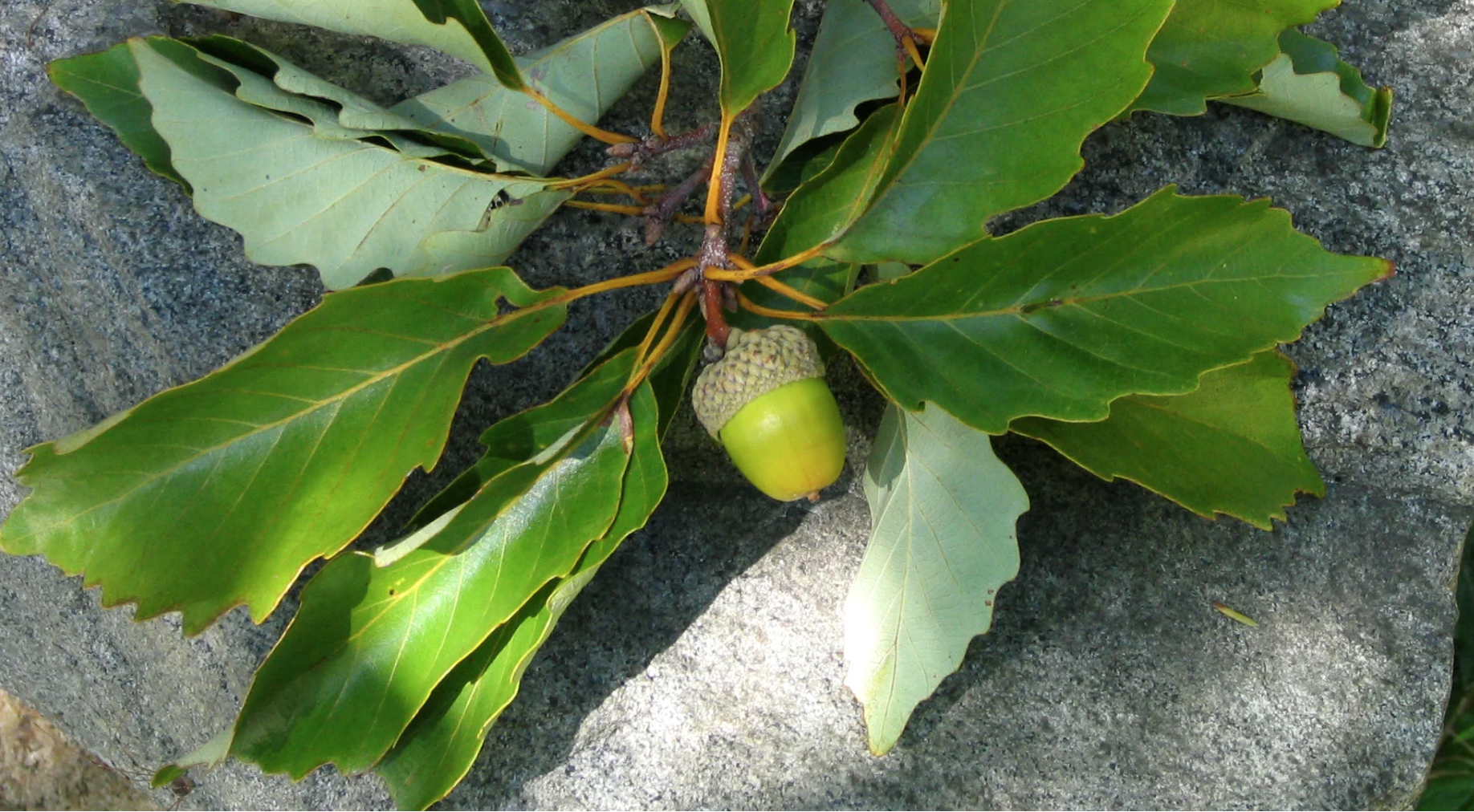
Now let’s get into the difference between white oak acorns and red oak acorns. In the upper South and other regions, white oak acorns are preferred—chestnut white oak acorns, in particular. These produce large, meaty acorns, and it’s said that in pioneer days settlers even used ground chestnut oak acorns as a substitute for wheat flour. Many, if not most, white oak leaves are multi-lobed with rounded edges. The leaves of chestnut oaks, however, are similar to the late, great American chestnut (hence the name), though more oval in shape.
The Deep South’s swamp chestnut oak, which produces arguably the most important acorn to bowhunters in that region, has fairly large, teardrop-shaped leaves that taper to a point, with rows of pointy “teeth” ranging down either side. The swamp chestnut’s leaves are a bit thinner in width than those of the upland chestnut oak, but broader than another important white oak: the chinkapin. The swamp chestnut’s acorns also tend to be more oval in shape than those of its cousins.
Perhaps that’s more than you want to know about chestnut oaks, but they’re worth consideration because deer seem to prefer their acorns above all others. If you locate a few chestnut oaks—or even one—that will drop acorns this fall, you should put up a stand there and hunt as often as you can. When you start scouting for deer sign, use binoculars to look for acorns, too. If trees are going to bear them at all this year, they should be visible by now. —C.M.

How To Hunt Acorns For Deer
Save Red Oaks for Later
So why don’t red oak acorns attract deer as well as white oak acorns early in the fall? There are theories about that too, the most prominent of which relates to the higher level of tannic acid present in red oak acorns. It’s said that it takes several days of frosty weather to dilute the tannic acid and make red oak acorns more palatable to deer. So, they typically wait until later in the season before visiting the water oak and willow oak flats, and ridgeline red oaks. Again, deer react differently to different food sources depending on the region. But the point remains. If you can find white oaks early, you might want to save the red oak stands for later. —C.M.
Read the full article here