

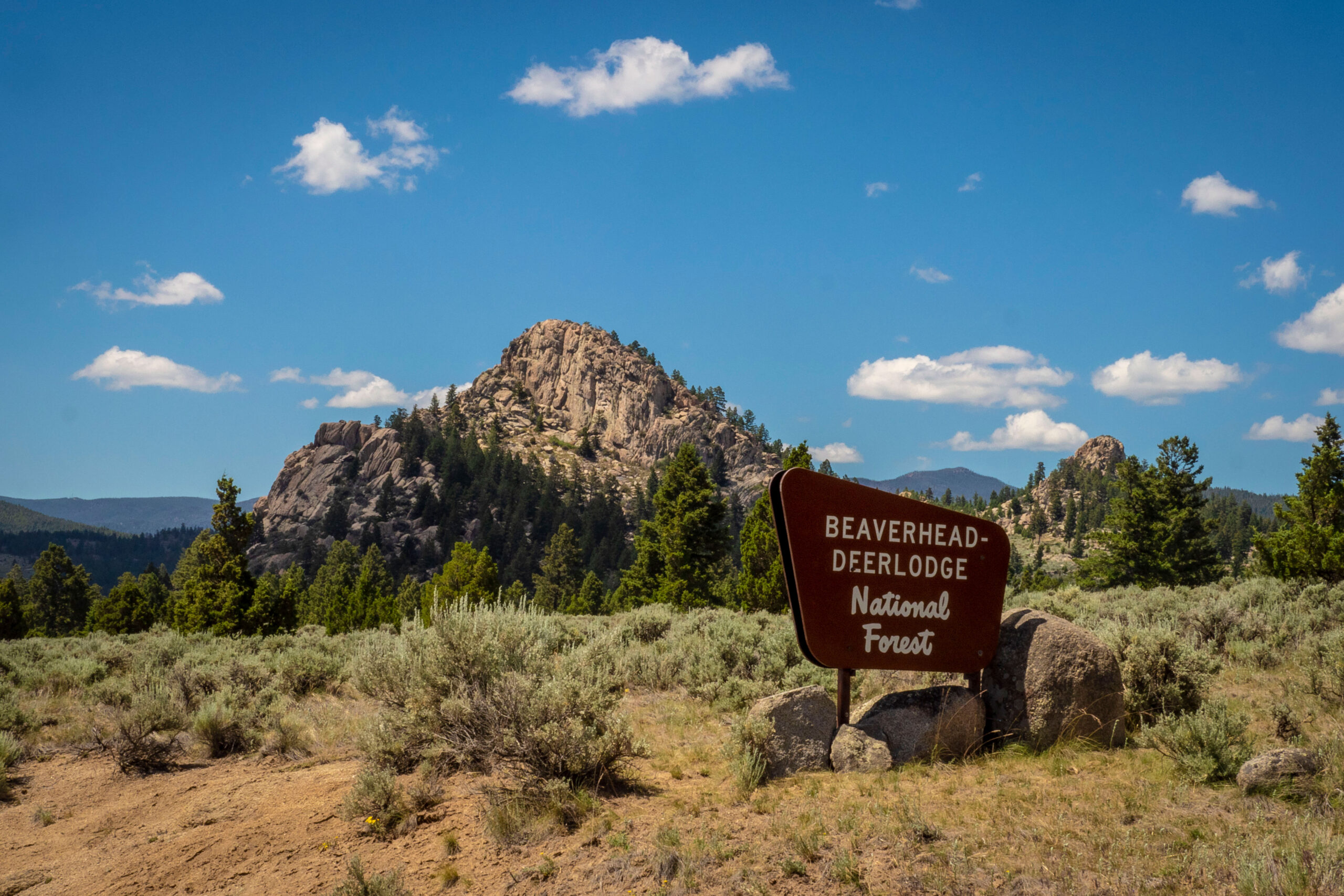
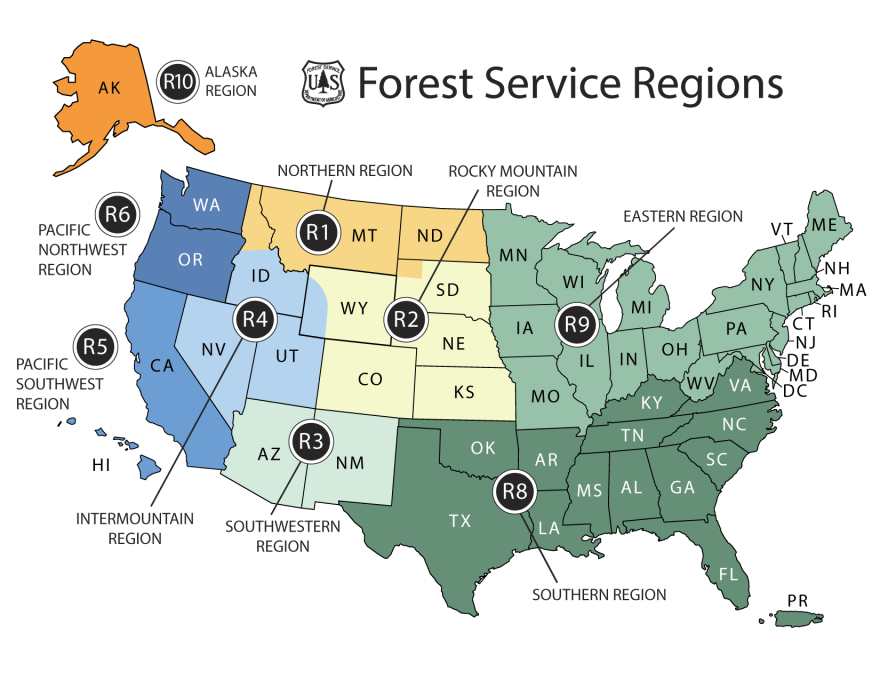
The US Forest Service manages 193 million acres of public land across the country, including some of the best hunting and fishing destinations in the world. The work requires a robust network of employees, offices, and administrative sites. But in late March, the Department of Agriculture (USDA) announced plans to eliminate all of the agency’s nine regional hubs. The move will also shutter 57 ecological research stations in 33 states.
The plan, which the USDA called “common sense forest management” in a recent press release, has sparked a firestorm of criticism with public land advocates calling it a coordinated attempt to dismantle the storied agency. They argue that the elimination of USFS’s regional model—which dates back to the early 1900s—will force out key employees (not unlike the downsizing ushered under DOGE in early 2025). They also fear that moving USFS headquarters from Washington D.C. to Utah—the hotbed of a fervent anti-public lands movement led by Senator Mike Lee—will put cherished Forest Service lands in danger of strategic mismanagement, state transfer, and, ultimately, outright sell-off.
In its recent press release, the USDA called the move a “sweeping restructuring” and said it will allow USFS to move to “a state-based model” with 15 state directors distributed throughout the country. “Moving the Forest Service closer to the forests we manage is an essential action that will improve our core mission of managing our forests while saving taxpayer dollars and boosting employee recruitment,” said USDA Secretary Brooke Rollins, in the press release. “Establishing a western headquarters in Salt Lake City and streamlining how the Forest Service is organized will position the Chief and operation leaders closer to the landscapes we manage and the people who depend on them.”
A Former Chief Weighs In
Mike Dombeck served as Forest Service Chief from 1997 to 2001. During his tenure, he oversaw the implementation of the Roadless Rule, which safeguards some 58 million acres of backcountry from new commercial-scale logging roads—a rule that the USDA is currently trying to revoke. Dombeck tells Field & Stream that moving the agency’s headquarters from Washington D.C. to Salt Lake City wouldn’t streamline the agency but would instead sow chaos and distrust.
“The Chief’s primary role is to interface with national policy,” he says. “The Chief needs a staff that understands policy issues in detail—so we’ll end up flying these people back and forth to Washington, D.C. And of all states, Utah is the state whose politics and policy are most strongly opposed to public lands and the concept of public lands. I find that troubling.”
Dombeck says he’s particularly worried about Rollin’s plan to shutter 57 ecological research stations, which will leave the agency with just 20 operating research stations nationwide. “The Forest Service is one of the premier forest-land research organizations in the world,” he says. “To dismantle a large portion of that system by fiat when we’re dealing with invasive species problems, unprecedented wild land fire issues, climate change, and many other things—that’s not something you would do if you really cared about the long-term interest of the land.”

Dombeck says that gutting the agency’s research wing will have negative impacts on wildlife habitat and, ultimately, the species that hunters and anglers like to pursue on USFS lands. “The places where this work is being done, these are the reservoirs and locations of the best hunting and fishing that the common man has left in this country, whether they’re after a bull trout or a trophy bull elk,” he adds. “I don’t know what the administration’s end game is when it comes to our public lands, but there’s a high amount of distrust and skepticism that they’re working in the benefit of maintaining public lands in the spirit of Teddy Roosevelt.”
Land Tawney, President and CEO of American Hunters and Anglers, likens the planned Forest Service overhaul to reshuffling the deck chairs as the Titanic goes down. “We already saw the firing of more than 5,400 employees and the loss of so much institutional knowledge under DOGE,” Tawney tells F&S. “The employees in these regional hubs have an intimate knowledge of the forests in their region and working relationships with people in surrounding communities. Now you’re going to upend that and ship it off to Utah where Mike Lee, the reigning politician, is a sworn enemy of the very idea of public lands? It makes no sense.”
Tawney also pointed to a recent comment period that showed widespread public opposition to shuttering the regional hubs. According to reporting in Government Executive, the USDA fielded 47,000 comments between August 1 and September 30. And 82 percent of those responses expressed a negative sentiment about the plan, according to the USDA’s own analysis.
Ryan Callaghan, President and CEO of Backcountry Hunters & Anglers, says he has reservations about the timing of the overhaul given the impending fire season. “We’ve already seen a massive reduction in force through layoffs and the early retirement plans that the agency laid out back in September,” Callaghan tells F&S. “Last year, we saw an early fire suppression push that put out a lot of good fire that could have reduced fuel loads on the landscape. Now we’re seeing a major drought situation and another early start to wildfire season. By the way things are playing out in the West, I wouldn’t be looking to move houses right now.”
Read Next: Montana’s Blackfoot River Threatened by Proposed Gold Mine and AI Data Center
Renowned hunter and public land advocate Randy Newberg expressed skepticism as well, in a recent episode of Fresh Tracks Weekly. “The list of anti-public landers they have in this administration makes it hard to believe their PR line that this is a move to improve efficiency at the Forest Service,” Newberg told host Marcus Hockett. He went on to challenge Sec. Rollins’ claim that she’s moving the agency closer to the lands it manages by shuttering its D.C. headquarters.
“You have 550 people in D.C.,” Newberg pointed out. “All the rest of the 30,000 employees are already out where the people are or where the forests are. That [argument] is a cooked-up facade. [They’re] hoping nobody looks at the real numbers.”
content_conservation,content_stories

THE 1871 CLUB

Recommended Products
Read the full article here