

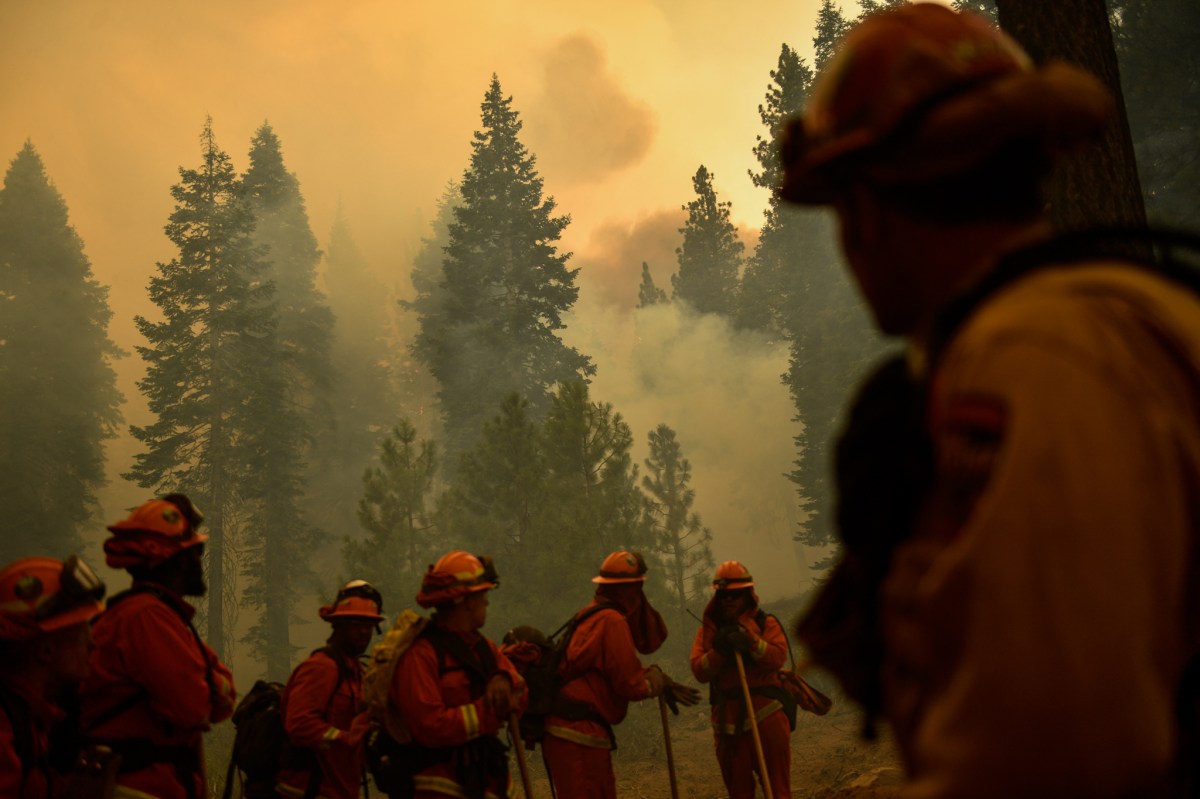
On March 12 the largest wildfire in Nebraska history ripped through 640,000 acres of grasslands, destroying homes, barns, ranches, and fences. By early April, 240 wildfires had already scorched Wyoming’s plains. At the same time, power companies across states like Colorado shut off electricity for days, worried high winds could fell a power line and ignite a blaze like the one in 2021 that destroyed more than 1,000 homes.
Editor’s Note — This is the first of three articles about the perfect storm of fire, dust bowl, and drought conditions across the West in 2026.
By all accounts, fire season across the West has arrived, months earlier than normal, ushered along by record breaking heat, drought and wind. The National Interagency Fire Center says this year’s fire season will be significant, noting regions of the Southwest and Great Basin have no snow at all. Melt-off in those areas is up to four to six weeks earlier than even the prior earliest melt-off dates.
While the shocking lack of snowpack at high elevations and crispy grasses in lower elevations portend a potentially apocalyptic wildfire season, some wildfire experts look at those predictions with an asterisk.
“The one thing that can save us from a bad fire season is if we get precipitation,” says Camille Stevens-Rumann, a Colorado State University fire ecology associate professor and former U.S. Forest Service wildland firefighter who worked on engine and hot shot crews. “But if we have a dry summer also, and see ignitions in July, then everything is ready to burn.”
A Dry Winter Followed by a Drier Spring
For many in the West, a bad wildfire season feels like a foregone conclusion. States like Wyoming experienced their hottest and driest winter in recorded history, surpassing even the 1930s Dust Bowl years. Then a climate-change fueled heat dome settled across the Southwest and creeped as far north as Colorado and Wyoming in mid-March bringing temperatures in the 80s.
“We call these compound events,” says Zachary Labe, a climate scientist at Climate Central. “You get two extreme events back-to-back which compound or exacerbate the impact but are consistent with what we expect in a warming world.”
And all that heat has rapidly melted what little snow fell even at the highest elevations in states from Montana to Arizona. Snowpack in portions of those states was already abysmal, in many places the worst in recorded history. Most Colorado ski resorts closed early this year, and some never opened at all. Nearly all of Wyoming’s basins are at record lows.
Even the northern Rocky Mountains, including Montana and Idaho, which fared better than Wyoming and Colorado, have below normal snowpack melting at above normal paces.
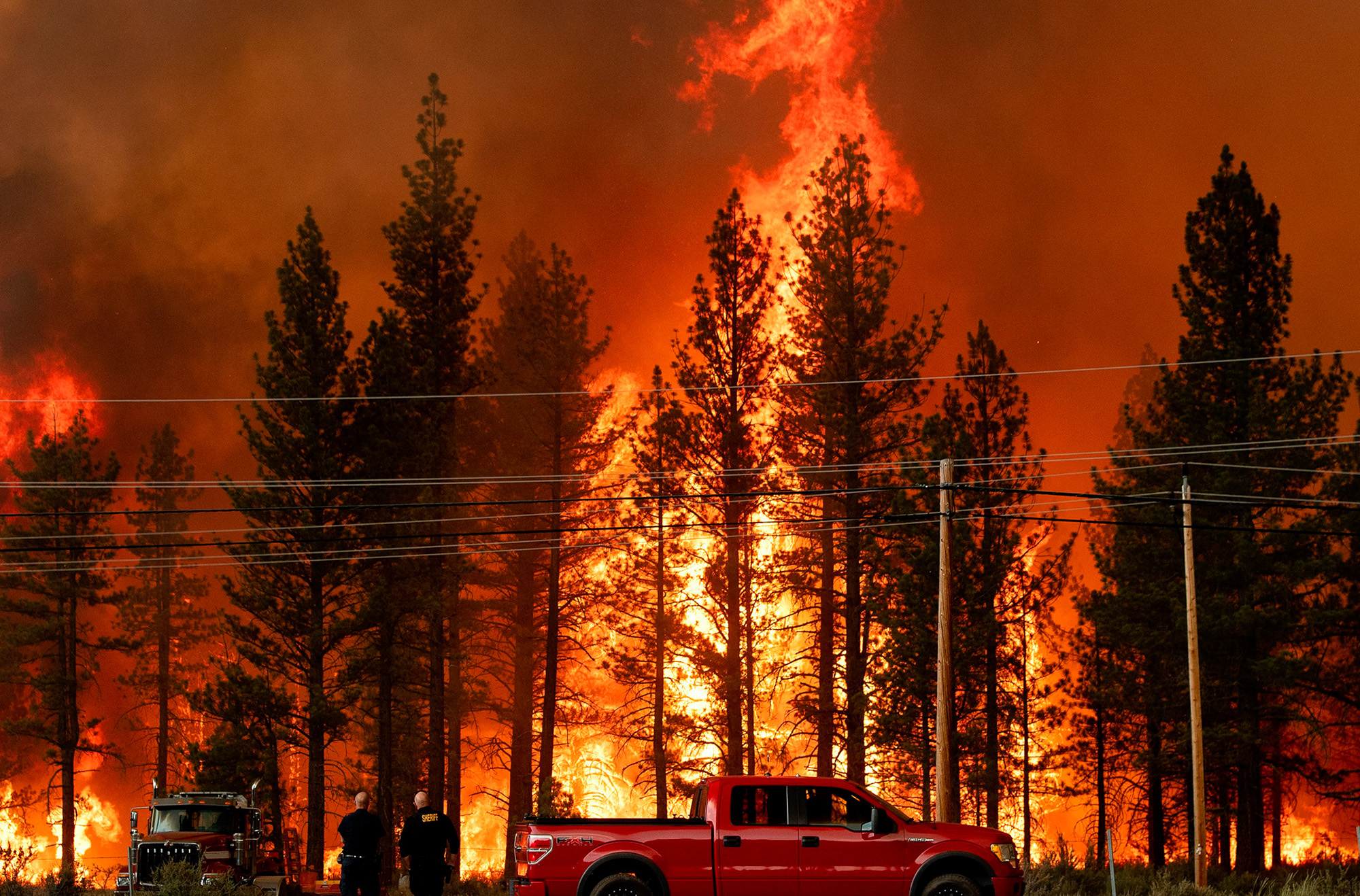
All that means trees, bushes, and grasses are ready to burn much earlier than normal, Stevens-Rumann says.
“If you think about a forest sitting under snow, it’s not going to burn, or is very unlikely to burn,” she says. “But snowpack also keeps water in a lot of places until early July. That allows many systems to be moist and when we have July fires, there are places that won’t burn because there is still moisture in them.”
- A historic wildfire season in the West is likely due to record heat, drought, and dry conditions across states like Nebraska and Wyoming.
- The lack of snowpack and earlier snowmelt increases the risk of wildfires as vegetation dries out sooner than normal.
- Unexpected precipitation could mitigate some fire risks, but dry summers will likely lead to severe fires.
- Human activities cause many wildfires, prompting land managers to implement burn bans and public land closures for safety.
- Limited firefighting resources are a concern as a high fire season could stretch from New Mexico to Washington, and longer tha normal.
But the limited snowpack many high elevations received this year is also melting at record pace due to summer-like temperatures and high winds. If areas that usually dry out in July are instead melting off in April and May, those forests could turn to tinderboxes months earlier than normal. Stevens-Rumann also worries about increasingly late snow coming in the fall. The West used to experience “season ending” snows in October — those big wet blankets that would effectively put fires to bed for the year — and now they’re not arriving until November or even December, prolonging the fire season on the back end.
Snowpack doesn’t just change fire season above 9,000 feet. It also provides water for lower elevations, saturating streams, rivers, and wetlands. As those dry earlier, so do fuels lower down, exacerbating a drought already plaguing the West’s high plains.
Many of the West’s lower elevations, those grassland and prairie ecosystems critical to everything from sage grouse and songbirds to mule deer and pronghorn, are becoming increasingly “desertified,” Stevens-Rumann says.
“One thing we know that predicts bad fire years is moisture stress in the winter and spring before,” she says. “We’ve been so moisture stressed, it’s on par with or greater than 2020.”
And 2020 was bad, as fires burned more than 10 million acres across the West including 4 percent of California’s landmass.
How the Fires Will Start
When those Smoky Bear signs scattered around the West point to high fire danger, it’s because fire officials analyzed the moisture content in pieces of wood about as thick as a finger.
If all the pieces of fuel that size and smaller — think grass, pine needles and twigs — are dry, a forest becomes much more fire-prone, says Stevens-Rumann, who likens wildfire likelihood to building a campfire. If all the twigs are waterlogged, it’s much harder to start. Use bone-dry branches and needles, however, and you’ve got the makings of a bonfire.
But overall tree health still matters.
While Western ecosystems adapted with fire — and many species like lodgepole and jack pines in fact require fire to regenerate — drought-stricken, stressed trees burn faster, and more readily, than healthy ones. The West’s forests are also suffering under a century of fire suppression policy. Before we prioritized extinguishing every blaze as soon as possible, fires burned mountainsides like patchwork quilts. The burned areas then grew back with lush wildflowers and new trees, creating natural fire breaks for future fires.
“Now we have these continual wall-to-wall forests that are thick and dense,” Stevens-Rumann says. “And those trees have grown up as an even stand age, making the whole landscape more ready to burn.”
Bad fire years are starting to feel like Groundhog’s Day, and while 90 percent of some forests in states like California have burned in the last 40 years, most forests across the West aren’t even close. Even mega-fires in Wyoming and Colorado have only burned 20 to 30 percent of the forests. And some forests are ready to burn again, like the nearly 800,000 acres scorched in Yellowstone National Park’s famous 1988 wildfires.
Burn Bans, Public-Land Closures, and More
A catastrophic wildfire season is not, however, guaranteed. Fires still need sources of ignition. While an active Southwest monsoon season could push fire-dampening humidity farther north, for example, it could also bring lightning, says Tim Brown, director of the Western Regional Climate Center.
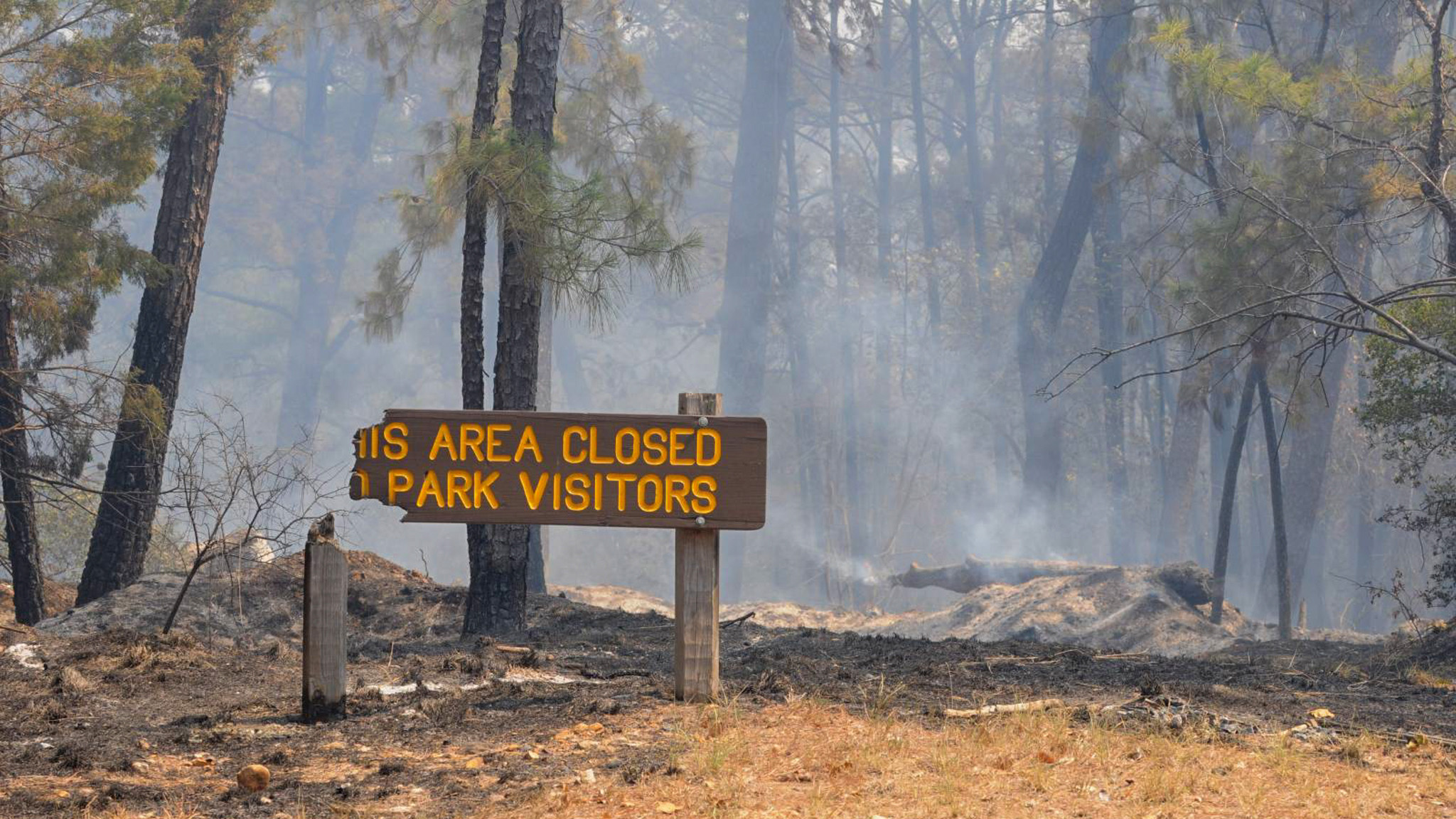
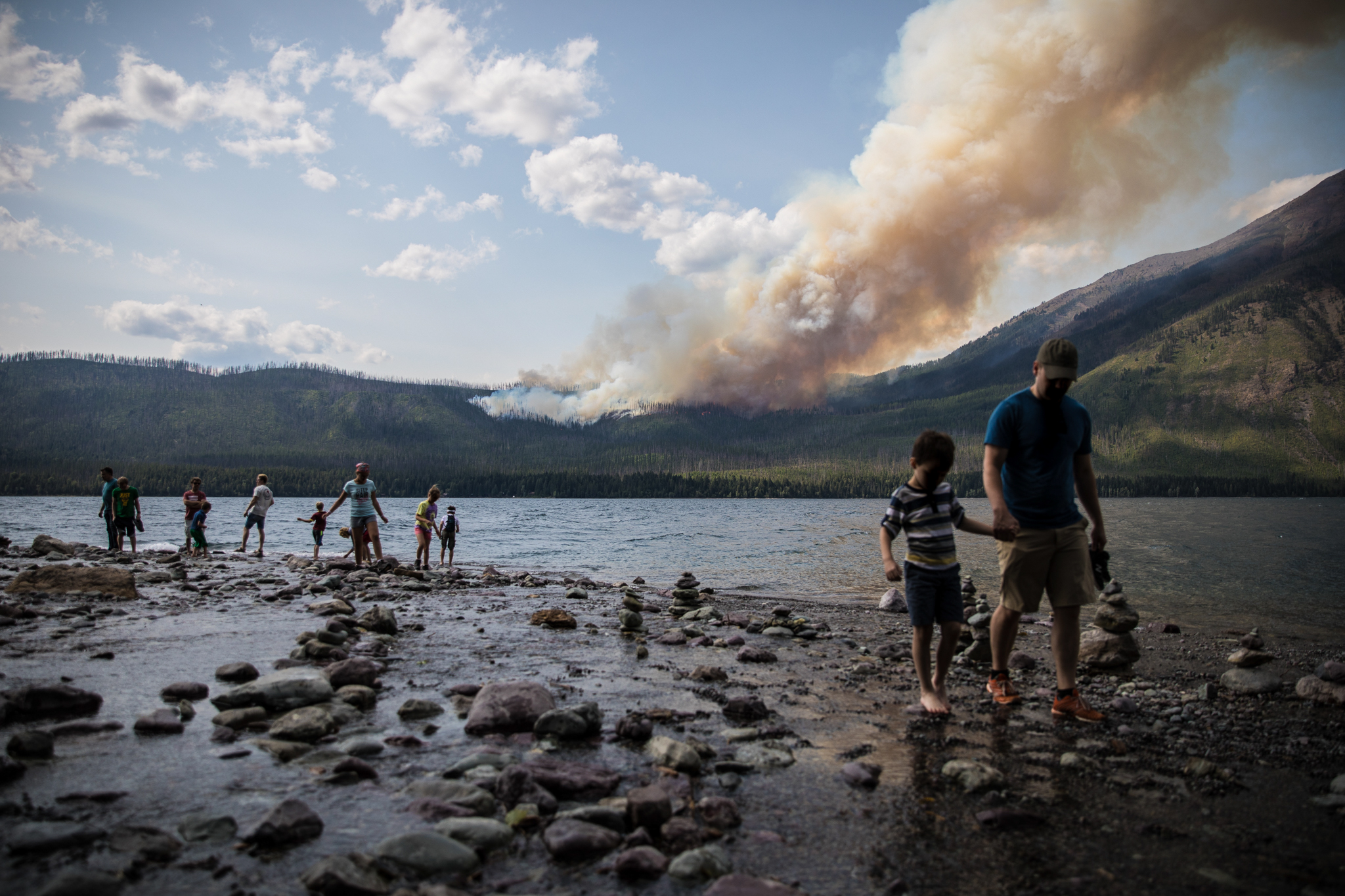
Meanwhile, humans now start more wildfires than lightning in many regions of the country, according to the Western Fire Chiefs Association. Fires begin from cigarettes flipped out windows, sparks thrown from chains, grasses ignited by hot downed powerlines, and campfires left to smolder. Many forest and public land managers respond by banning campfires, and in fact, many have already instituted restrictions. And if the dry year continues, land managers will also ban chainsaws and charcoal grills or even close public lands altogether.
Brown also says extended summer heatwaves will help determine fire season severity. The National Oceanic and Atmospheric Administration predicts above-normal temperatures this summer, which could combine with the existing drought and crisp fuels even more.
Brown and Stevens-Rumann both noted that some years have started with epic wildfires but then fizzled into milder fire seasons. The April 2016 Fort McMurray fire was the most expensive natural disaster in Canadian history, bringing fears of a historically bad summer, yet the season ultimately ended with fewer acres burning than recent averages.
Read Next: The USDA Just Finalized Faster Environmental Reviews for Public-Land Projects
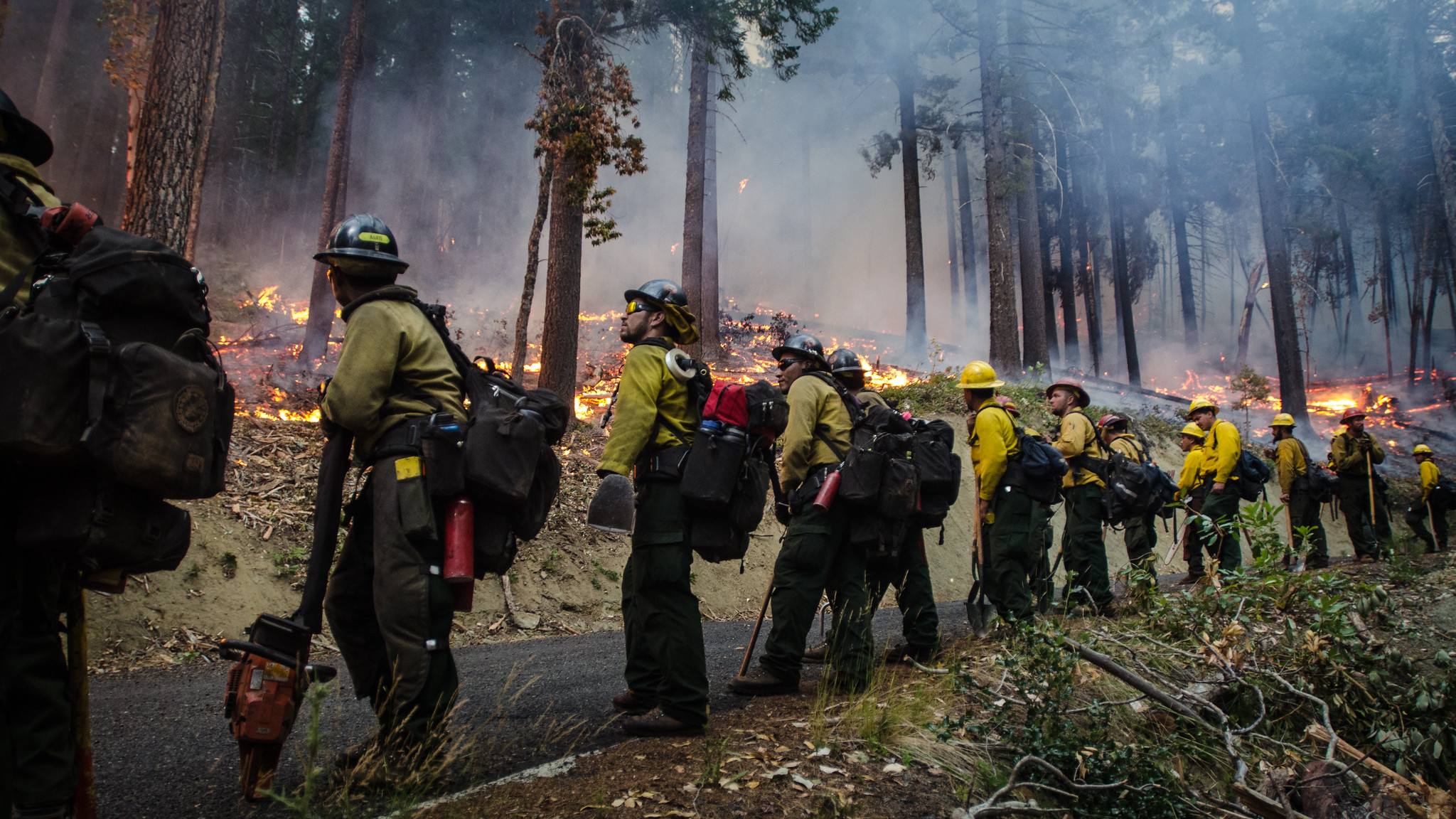
Potentially even more worrisome, if the predictions for a high fire season stretching across the West from New Mexico to Washington pan out, Stevens-Rumann cautions the country’s limited fire-fighting resources could also be strained even more than normal.
Read the full article here