
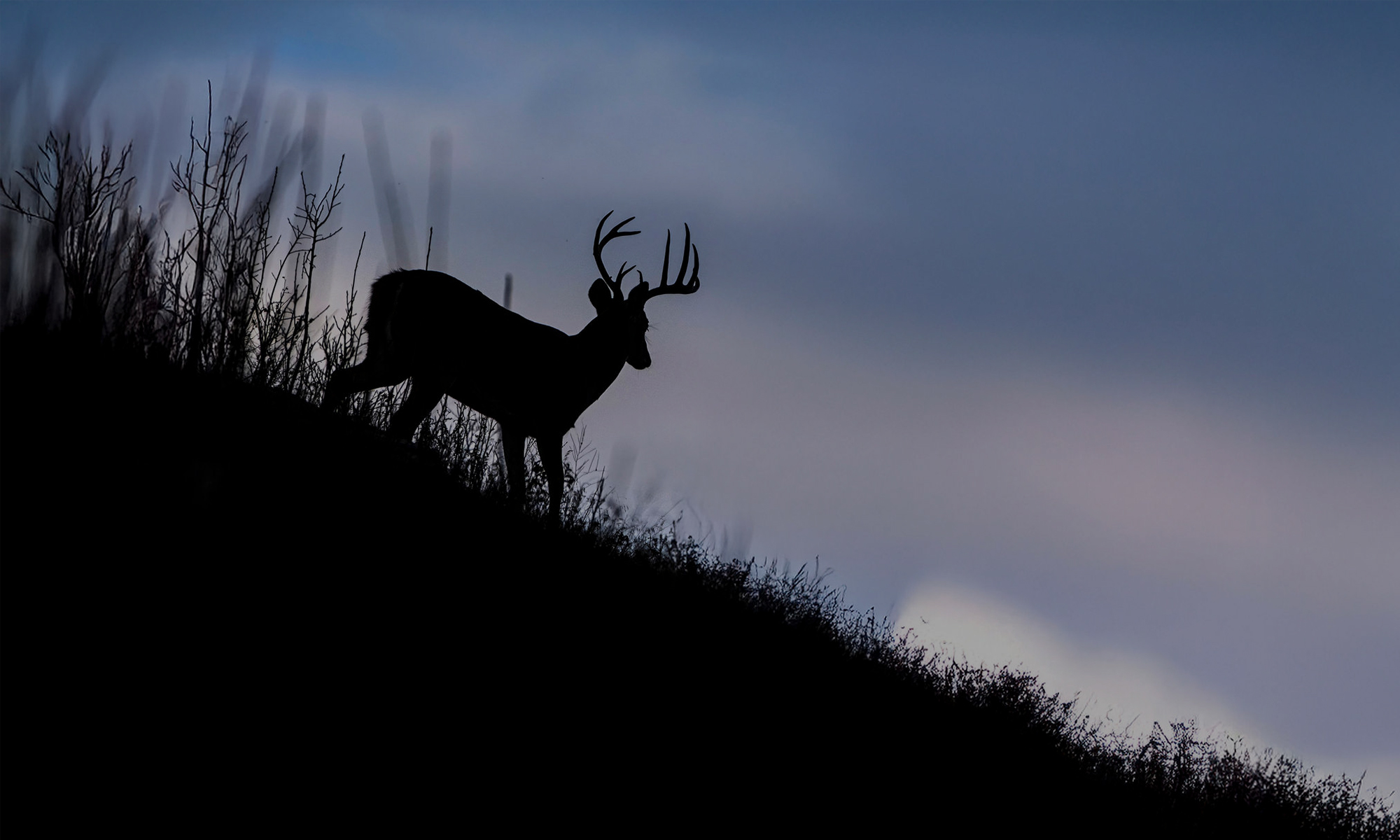
Bucks do reduce daytime movement dramatically when hunting pressure begins, but they don’t become truly nocturnal. Auburn University research shows bucks avoid stand locations for 3-5 days after a single hunt, with daylight visits dropping from 1 in 3 visits early season to just 1 in 20 by late season.
- Bucks begin changing movement patterns before hunting season even starts due to dropping testosterone, bachelor group breakups, and shifting food sources from ag fields to acorns.
- Hunting pressure causes immediate avoidance behavior. Bucks stay away from stand locations for 3-5 days after just one hunt.
- Daylight visits to hunting areas drop dramatically over the season, from 1 in 3 visits early to just 1 in 20 visits by week 13.
- Multiple factors beyond hunting pressure contribute to reduced buck visibility including seasonal food source changes and natural behavioral shifts.
It’s a phrase often repeated amongst deer hunters who aren’t seeing any bucks—they’ve “gone nocturnal.” And it’s usually not long after bow seasons start when we start hearing it. The big guys flaunting their racks in summertime fields in broad daylight have vanished, and those full-color trail-cam photos have turned to black-and-whites. It’ll be here before you know it, so now’s the time to prepare.
This widely observed phenomenon of drastically diminished daytime buck observations just so happens to coincide with the start of archery season in most states, leading many to conclude that hunting pressure flips a switch, causing bucks to hole up, moving only after dark and becoming almost impossible to kill. But is there any science to back up this idea that bucks avoid the sun like vampires once you start hunting them, or is it an illusion with many other factors at play? Well, the answer to both of these questions is, yes. Here’s what you need to know and how you can turn what you think is an unkillable nighttime skulker into a day walker you can wrap your tag around.
Factors Affecting Deer Movement in Early Fall
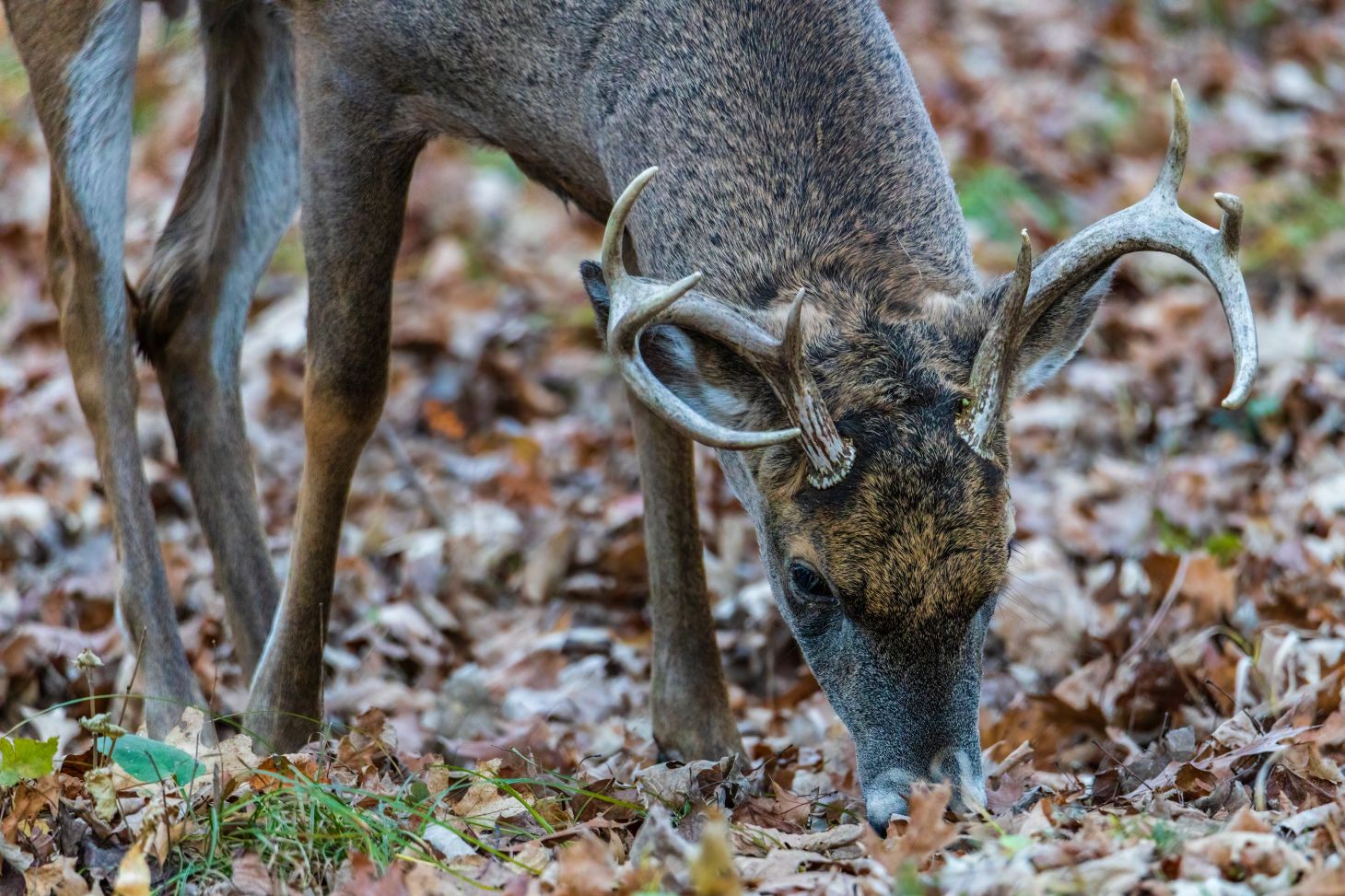
To better understand this phenomenon, we first need to look at the many things happening as summer turns to fall in the whitetail world. When daylight is at its peak during the summer solstice, between June 20-22nd, bucks are at their most docile due to low testosterone levels. As days slowly get shorter, testosterone gradually increases, leading to bucks shedding their velvet and an increased competition among their peers that causes bachelor groups to break up.
About this time, the ag fields that were so attractive during the summer dry down, and this combined with fresh acorns beginning to drop pulls deer in a thousand directions, adding to the effect of deer becoming less visible to hunters. It also changes where bucks bed and feed as they find these new food sources, making it increasingly challenging to find them. And this all happens without a single hunter on the landscape yet. It doesn’t, however, explain bucks not moving in daylight. That’s where hunters come in.
Related: The 7 Best Days of the 2026 Whitetail Rut
Studies Show That Hunting Pressure Is a Game-Changer
In a study at Auburn University, research student Clint McCoy tested how adding hunters to this cocktail of variables affects buck movement. With GPS trackers on both bucks and hunters, data was collected in “harvest zones” of attraction around stand locations, both before and after hunting season started. What the data revealed was remarkable. “It showed that in just one hunt, the bucks avoided our stand locations and harvest zones extensively,” says Clint. The bucks didn’t return to non-avoidant behavior for 3 to 5 days. Further, the number of daylight visits to these zones dropped from 1 of every 3 visits during the first 3 weeks, to just 1 of every 20 visits on the 13th week, showing just how key a factor hunting pressure was to their daylight behaviors.
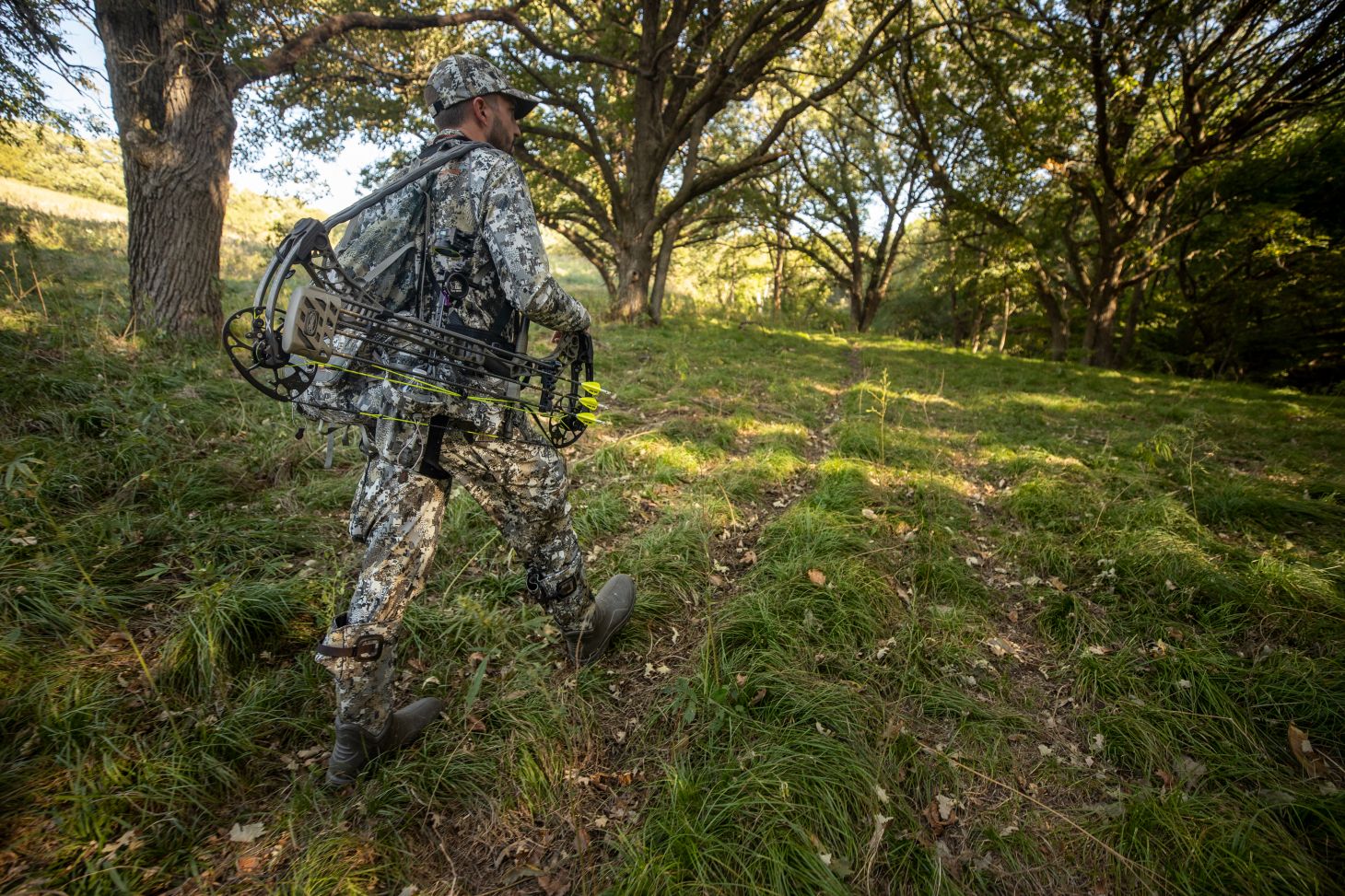
Tony LaPratt is known for starting the land-management movement and has consulted thousands of property owners around the country. According to him, hunters are their own worst enemies. “The time keepers are the does. They always come out first, then the young bucks, then the smart old bucks. When you pressure does through hunting incorrectly, too early, or too often, that pushes back the time they enter your plots, and in turn pushes back the time every other deer does.” This effectively makes the older bucks only arrive after dark—which can make them seem nocturnal.
But according to former MSU Deer Lab professor Bronson Strickland, these bucks don’t just lay up. They are active, having to feed and get water throughout the day. Their collared-buck studies showed that they are moving about the same total amounts from summer through the fall, then increase how far they move each day leading up to and during the rut. So what accounts for the “nocturnal effect” where hunters don’t see them? “What we’ve found is that a buck’s tortuosity increases when they get hunted,” says Strickland. “Tortuosity” is a measurement of how many turns bucks make; so, although they move just about as much, their motion is less in a straight line and has more twists and turns—all within the smaller confines of thicker, harder-to-hunt areas. And just like the Auburn study showed, they avoided exposing themselves to areas where hunters can observe them during daylight once the pressure was on.
The nocturnal effect hunters notice then is both true and false, depending on how you look at it. It is true that bucks show less in areas they are hunted, and they wait until dark to visit pressured areas like food plots or where your over-hunted stands are located. But it is false to think they lay on their bellies until the sun sinks well below the horizon. They move, but just in isolated, high stem-count areas away from prying eyes and flying arrows and bullets. As Strickland puts it: “They aren’t nocturnal so to say; they just might not be moving in daylight where you hunt them.”
How to Hunt So-Called Nocturnal Bucks
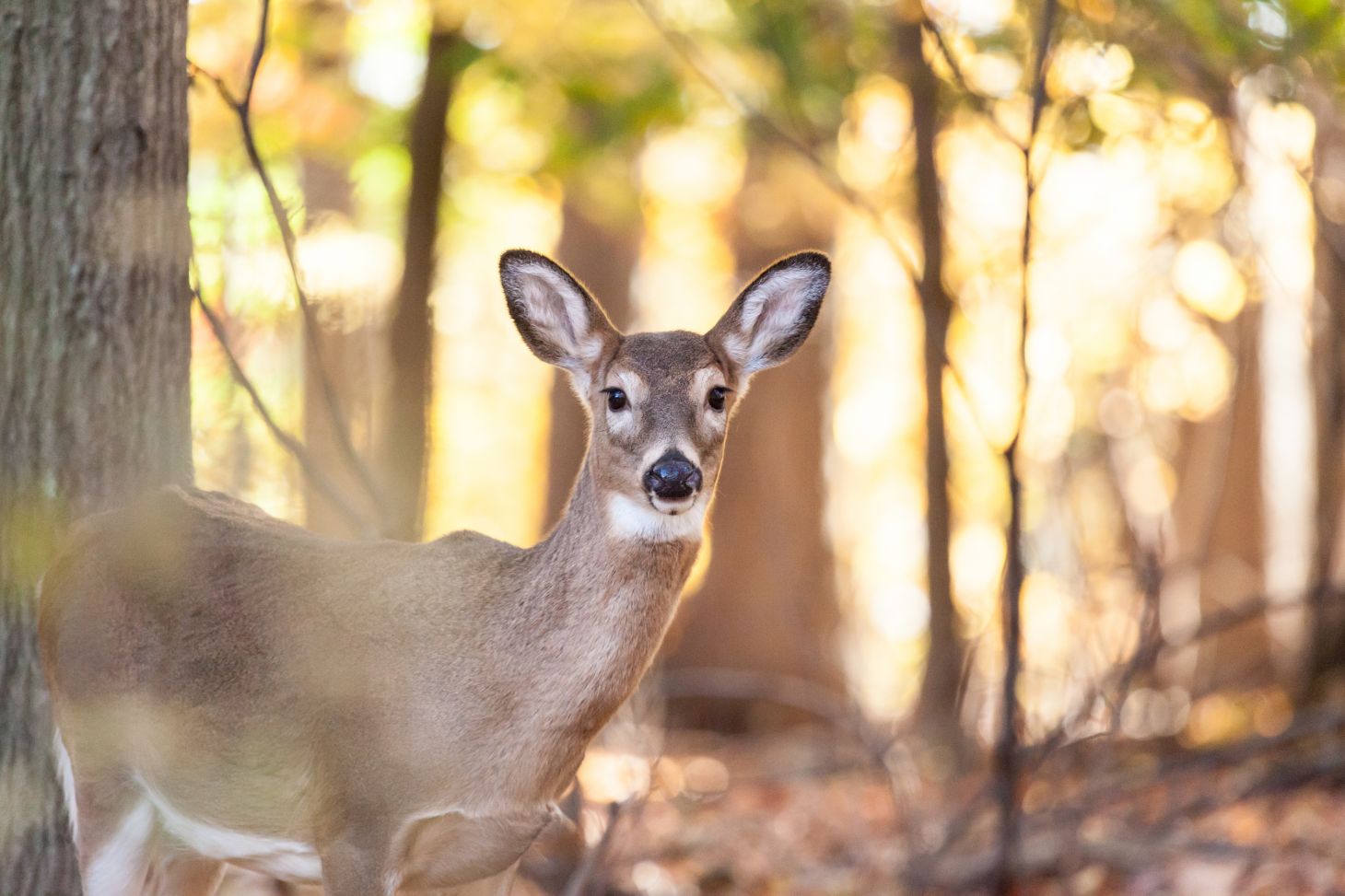
This means a couple things for hunters wanting to catch up to a buck they may think is nocturnal. First, don’t hunt any given area too much, so as to keep the “doe clock” well within daylight hours and so those lagging older bucks have time to get to your stand before dusk. If your does keep arriving later and later as the season progresses, stop hunting and allow the clock to reset—most likely several weeks depending on the relative pressure in the area.
Second, time your hunts based on the deer’s schedule, not yours. If you make a particular buck prove to you he’ll show in daylight at your stand or where you can hunt him, then your odds of taking him significantly increase at that location. Trail cameras, particularly cell cameras, are great for this, and if you’re not sure about when to strike, curb your hunting until the pre-rut when bucks are more active.
Finally, focus on those nasty thick areas everyone hates, where bucks are moving tortuously, to up your odds of having a daylight encounter. As a rule of thumb, if your brain says “that’s too hard to hunt,” then it’s a good indication a big buck would find safety there and you should find a way to hunt it. Because after all, bucks aren’t really nocturnal if you’re where they are when the sun’s up.
Read Next: 10 Ways to Beat the October Lull
content_whitetail-hunting

EXCITING NEWS
Membership Now Includes

Recommended Products
Read the full article here