

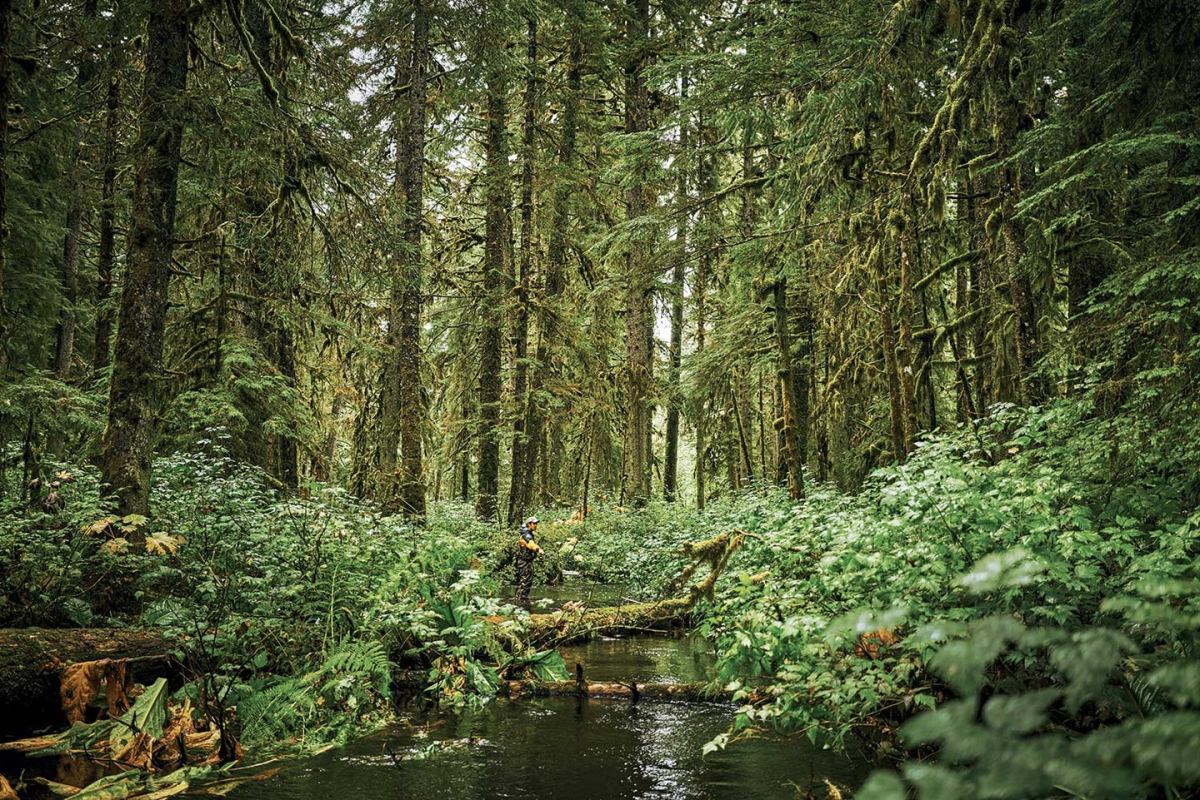
The Trump Administration today announced its intention to scrap a moratorium on road-building in remote, fire-prone backcountry areas. Rescinding the so-called Roadless Rule could result in road construction, road reconstruction, and timber harvesting across more than 44 million acres of America’s richest fish and wildlife habitat.
In today’s announcement, the U.S. Department of Agriculture, which manages the U.S. Forest Service, cited “rising wildfire risk” as the primary reason for proposing to rescind the 2001 rule. But a peer-reviewed study of fire ecology published in January that reviewed 30 years of data concluded that wildfires are nearly four times more likely to start near roads than in roadless areas.
The paper also noted that data indicates roads can help suppress fires and limit their size.
The public has 30 days to comment on the USDA Forest Service’s proposed rollback, though critics of the decision note that the administration seems to disregard public sentiment. Approximately 99 percent of the 600,000 comments submitted earlier this summer on the proposed rule change urged the administration to retain the Roadless Rule.
“When overwhelming majorities from across the political spectrum support current prohibitions on building new roads, it’s clear Washington isn’t listening,” said The Wilderness Society’s Montana state director Barb Cestero in a statement. “The release of the proposed rule and accompanying draft environmental impact statement comes while wildfires rage across the country. Repealing protections for our nation’s most intact backcountry areas is not a wildfire solution. In fact, opening the door for more roads in forests increases the chance of ignition.”
The Roadless Rule was instituted in 2001 as a Clinton administration limit on construction of new roads and maintenance of existing Forest Service roads in steep, environmentally fragile, or remote areas. Because the Forest Service didn’t have the budget to build or maintain the infrastructure, the decision to designate nearly 45 million acres as roadless was celebrated as fiscally responsible. It has had the added benefit over the past 25 years of maintaining intact big-game habitat, ensuring that headwaters trout streams remain cool, and adding to America’s backcountry inventory.
The argument for maintaining the Roadless Rule still resonates with fiscal conservatives. In a statement today, Taxpayers for Common Sense vice president Autumn Hanna noted that “Repealing the 2001 Roadless Area Conservation Rule in its entirety would recklessly expose taxpayers to billions in new liabilities from subsidized roads and money-losing timber sales … The Forest Service already manages more than 368,000 miles of roads and faces nearly $6 billion in deferred road maintenance. Opening millions more acres to road construction risks adding to that growing burden.”
In its draft notice, the Forest Service had outlined three alternatives: a no-action decision that would have kept the Roadless Rule intact, incremental adjustment of the rule, or rescission of the entire rule. Note that the Roadless Rule decision doesn’t affect Forest Service land in either Idaho or Colorado, which have state-specific rules on roadless areas administered by the Forest Service.
The decision to scrap the Roadless Rule entirely wasn’t a surprise to many critics, who noted that Agriculture Secretary Brooke Rollins, Forest Service Chief Tom Schultz, and even President Trump himself have criticized the rule as a barrier to development of timber resources on public lands.
“This proposed rule is commonsense policy sought since the first Trump administration,” says Deputy Agriculture Secretary Stephen Vaden. “It is a credit to President Trump that we can begin to put into place a rule that will allow us to properly manage our national forests, because the first step to managing forests is to have access to them.”
Indeed, scrapping the Roadless Rule may be a precursor to intensive timber management in backcountry areas, notes Ryan Callaghan, president and CEO of Backcountry Hunters & Anglers. “The Roadless Rule works,” Callaghan told Outdoor Life. “It’s our best elk hunting country, our best fishing waters, the places we go to recharge. But it also keeps taxpayers from footing the bill for thousands, maybe hundreds of thousands, of new roads that the Forest Service can’t afford to build or maintain.”
Listen: Slashing and Burning at the U.S. Forest Service
Detailed information on the administration’s decision to rescind the rule, including a draft environmental impact statement that details potential effects of the decision, will be uploaded to the Federal Register tomorrow. A public comment period on the final decision is expected to open Aug. 20 and end at midnight on Sept. 21.
Read the full article here