
Want to get serious about calling coyotes this season?
Perfecting your coyote rig is the difference between tag soup and stacking dogs.
And the irony of it all…. The majority of guys that walk into the field enter with an overpowered OR under-gunned rifle, some quad that can’t maintain zero, and a loadout that makes you flail when that hot dog flies screaming into the box.
The best part? It’s not hard to have everything perfectly planned out. You just have to plan.
Did you know coyotes are flourishing throughout the US? Believe it or not there are estimated 2.89 to 4.70 million coyotes in America. That means there are millions of pups waiting for their SOS whistle.
Here’s what a proper coyote rig gives you:
- Accurate shots at range
- Fast target acquisition
- Gear that doesn’t weigh you down
- Confidence when the moment comes
Let’s break it all down…
What’s Inside:
- Why Your Coyote Rig Matters
- Hunting Ammo That Actually Works
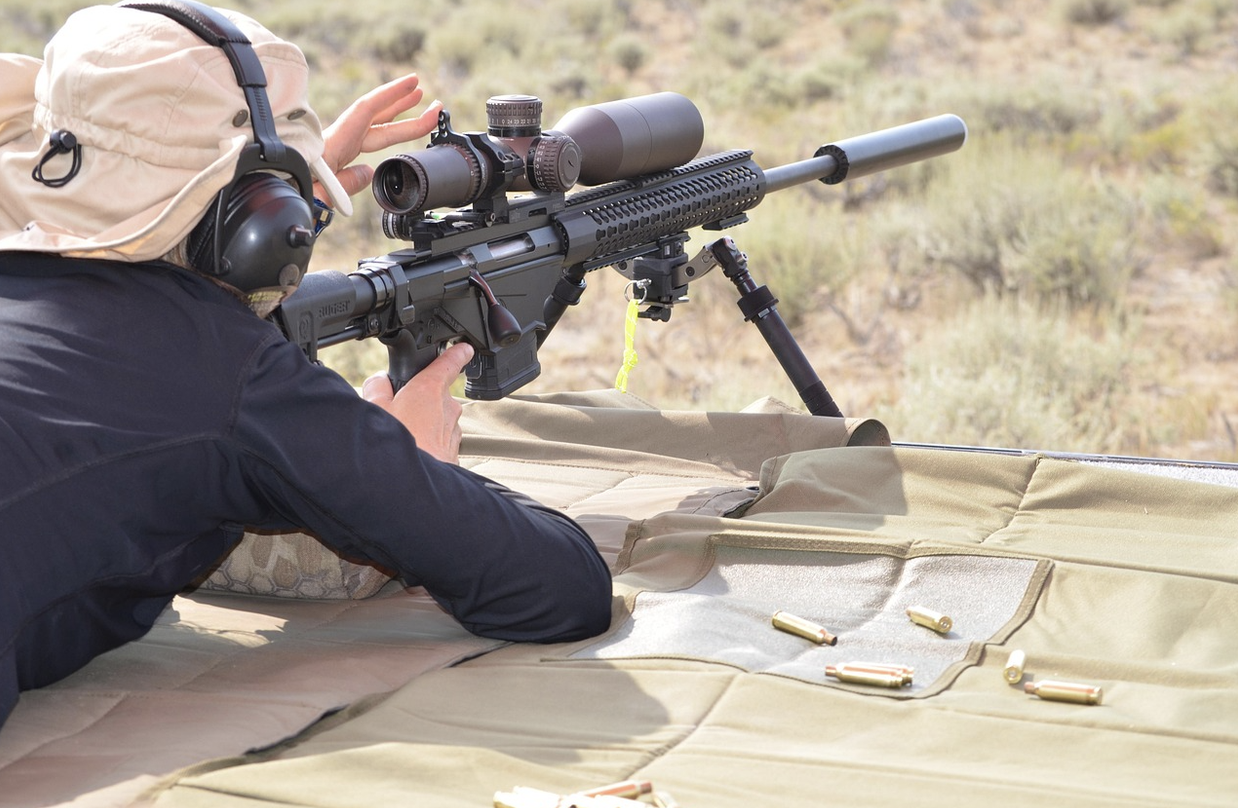
- Picking the Right Rifle
- Choosing the Right Optic
- The Full Loadout
Why Your Coyote Rig Matters
Coyote populations aren’t slowing down.
Texas by itself is home to approximately 859,510 coyotes. California and Arizona are close seconds. This is major predation on deer fawns, livestock and small game.
Here’s what most hunters don’t realise…
Building a quality coyote rig allows you not only to fill that rancher’s job order but to become a better predator hunter overall. Each component is critical. Miss with the rifle and you’ll pull shot. Spend cheap with the optic and you won’t see him step into view. Choose the wrong load and you’ll shoot right through him.
Every piece counts.
Hunting Ammo That Actually Works
This is where most guys get it wrong.
You want hunting ammo that expands consistently, deposits maximum energy, and won’t tear the pelt if you’re saving hides. For .223 shooters, that translates into specialized varmint loads. That means quality 223 ammo with polymer tip bullets. Not old milsurp FMJs from the range pile.
Some proven options include:
- Hornady V-Max in 55gr or 60gr
- Federal Premium Varmint & Predator
- Winchester Varmint X
- Nosler Ballistic Tip
Choose the right load and you’ll drop a dog in his tracks. Choose the wrong one and you’ll send him running 200 yards into the brush to die where you can’t find him.
Buy ammo in bulk as well. Coyote hunting will eat through ammo like crazy…With practice sessions, sight in, and hunting you will use way more than you think you will. So when you find ammo on sale stock up, you’ll be glad you did later in the season.
Picking the Right Rifle
Your rifle is the foundation of the entire setup.
When hunting coyotes, you need something light, accurate, and chambered in a flat shooting cartridge. The hottest coyote guns these days are:
- .223 Remington
- .22-250 Remington
- 6.5 Grendel
- .243 Winchester
The .223 Rem is by far the most popular caliber for a reason. Rifles are abundant, ammo prices are low and it puts down coyotes easily at 300+ yards.
Running an AR platform? Even better. Semi-auto follow-up shots can be really handy when a pair of dogs come running in and only the lead one drops on cue.
A few tips when choosing your rifle:
- Barrel length: 16-20 inches hits the sweet spot for balance
- Weight: under 8 lbs so you can carry it stand-to-stand
- Trigger: aim for 2-3 lbs with a clean break
- Twist rate: 1:8 or 1:9 works well for lighter bullets
No need to get fancy here. A standard AR-15, or a bolt gun chambered in .223 will kill more coyotes than a custom ever will.
Choosing the Right Optic
Your optic can make or break the shot.
Coyote hunting occurs during some odd hours of light … dawn, dusk and sometimes pitch black. Your glass needs to gather light, hold zero and allow you to acquire a moving target quickly.
Here’s what to look for in a coyote optic:
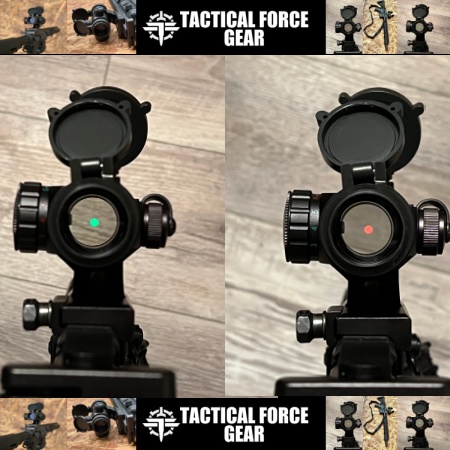
- Magnification range of 1-6x, 2-10x, or 3-15x
- Illuminated reticle for low light
- Second focal plane for simplicity (unless you’re stretching past 400 yards)
- Rock-solid tracking that won’t shift on you
When talking about calling game during the day, you really can’t beat an LPVO in 1-6x. Offers close range speed of a red dot with enough magnification for longer shots.
Planning on doing more night hunting? Get yourself a thermal or something nice digital for night vision. They’re expensive. Worth every penny when a dog peeks at 2 am and you need to make a quick decision.
Also, don’t skimp on rings/bases. A nice optic mounted on junk just wastes your money.
The Full Loadout
Now to everything else you need in the field.
Keep your loadout quiet and SIMPLE. Organized. Digging through your pack with a coyote 80 yards away is a sure way to spook him.
Here’s what belongs on every coyote hunt:
- Electronic call — FoxPro, ICOtec, or Lucky Duck lead the pack
- Hand calls as backup — batteries die at the worst times
- Shooting sticks or a bipod — steady shots equal dead dogs
- Sit pad or turkey vest — you will be sitting very still for 20-30 minutes per stand
- Camo — face mask, gloves, and jacket that match the terrain
- Rangefinder — always know the distance before you call
- Headlamp with red light — for pre-dawn setups and the walk out
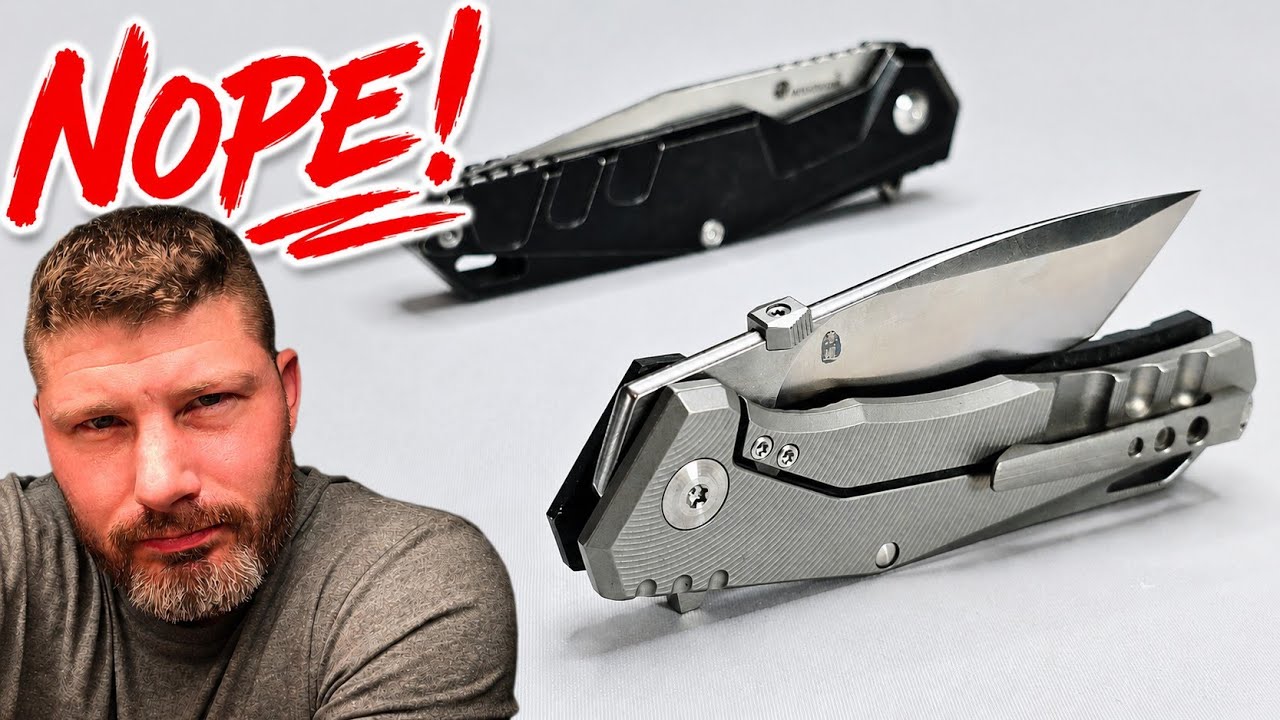
- Skinning knife — for pelts, ears, or bounty tags
An added bonus one most guys overlook: decoy. A small movement decoy out 20 yards draws a dogs eyes away from you and allows you a clean shot when he commits.
Wind blows far and wide making it the number one killer of coyote hunts. Sit with the wind at your back and expect the coyote to attempt to circle downwind of your call. Scope out your shooting lane before you press play on the caller.
Final Thoughts
Building the perfect coyote rig doesn’t have to break the bank.
Take a good .223 rifle, slap a quality optic on it, load up on some good hunting ammo. Get the appropriate calls, some camouflage and a comfortable pack- you’re good to go.
To quickly recap:
- Pick a light, accurate rifle chambered for a flat-shooting cartridge
- Grab an optic that handles low light and holds zero
- Load up on hunting ammo built for reliable expansion
- Round it out with calls, camo, and a proper loadout
Get out there and stack some dogs.
Read the full article here