
We may earn revenue from the products available on this page and participate in affiliate programs. Learn more
Bass fishing rod prices can run anywhere from the price of a super-sized meal deal at a fast-food restaurant to something that requires a considerable portion of a paycheck. Add the various lengths, powers, and actions of specific rods needed to present the different types of lures to catch bass in any pond, and the decisions can be overwhelming. Choosing the wrong rod for the presentation can make the difference between a good day of fishing and an experience akin to trying to drive a nail with a screwdriver.
The choices in this article are based on our more than 35 years of bass fishing experience and near-constant testing and upgrading as new trends in rod manufacturing have become mainstays. Our personal experience using these fishing rods—combined with in-depth conversations with rod manufacturers and rod builders—informed our decisions about the top qualities and features to look for in a rod. Additionally, we compared each rod in this lineup side-by-side to similar offerings by other manufacturers off the shelf and on the water.
Here are the best bass fishing rods to have ready on the front deck and still be able to afford some gas to get to the lake.
best overall
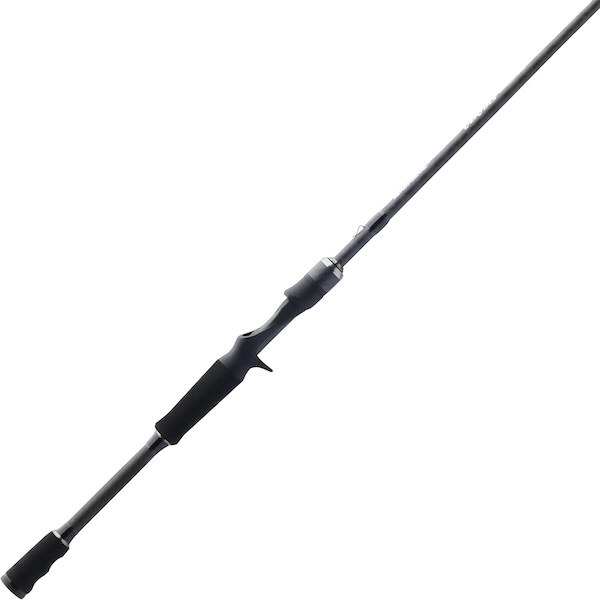
Abu Garcia Veritas Casting Rod
Pros
- Lightweight but strong
- Titanium alloy guides
- Comfortable EVA split grips
- 3-year warranty
Specs
- Length: 7′
- Action: Fast
- Power: Medium-heavy
- Rating: 12-20 pound/test line; 1/4-1 ounce lures
The Abu Garcia Veritas is a lightweight casting rod that has incredible sensitivity and feel. What’s more impressive is that Abu was able to reduce the weight of this blank without sacrificing power. It also includes titanium alloy guides with zirconium inserts for better castability and balance.
But the versatility is what separates this rod from the rest of the pack. It has the power to pull big bass out of thick vegetation while also having great sensitivity and feel to pitch finesse-style baits in those hard-to-reach places. And that’s exactly why the Veritas is taking home the gold medal—because it is an all-around bass rod for the everyday angler that won’t break the bank.
best spinning
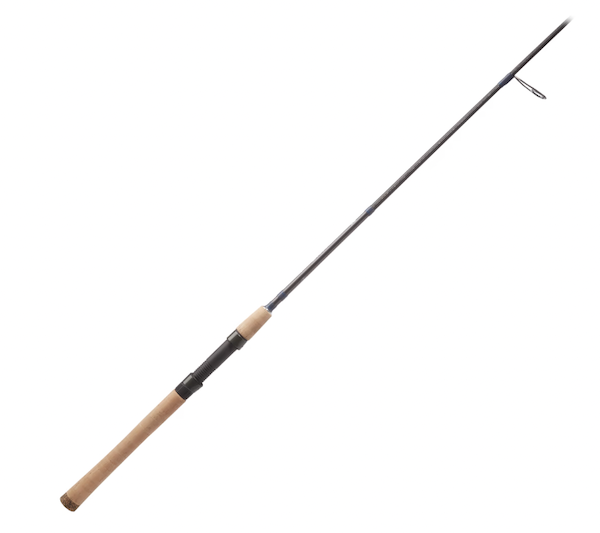
Shimano Teramar SE Spinning Rod
Pros
- Lightweight feel
- Classic style grip
- Extremely versatile
Specs
- Length: 7′
- Action: Extra Fast
- Power: Medium
- Rating: 8-16 pound/test line; 1/4-3/4 ounce lures
Bass spinning rods are very technique-specific for drop shot fishing, finesse fishing, and even small swimbaits. But for anglers who aren’t comfortable casting baitcasting reels and rods, a more generalist approach is the way to go. The Shimano Teramar SE is my preferred all-around spinning rod. This was originally designed as an all-around inshore rod and quickly made its way to my bass tackle.
The 7′ medium offering translates best to bass fishing. It’s the same length as a majority of bass spinning rods but with an action capable of throwing just about any bait. It has enough backbone to throw heavier swimbaits, crankbaits, and frogs without compromising the finesse needed for drop shot and soft plastic fishing. I’m also a sucker for classic cork grips, something that is becoming harder and harder to find on “bass spinning rods.”
best rod and reel combo
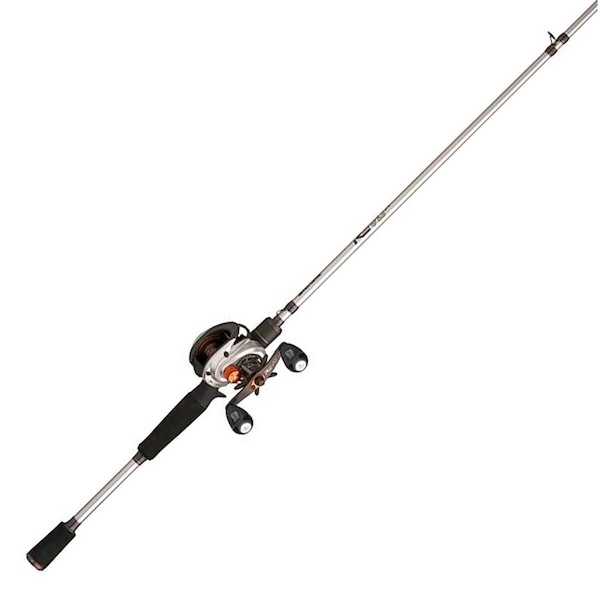
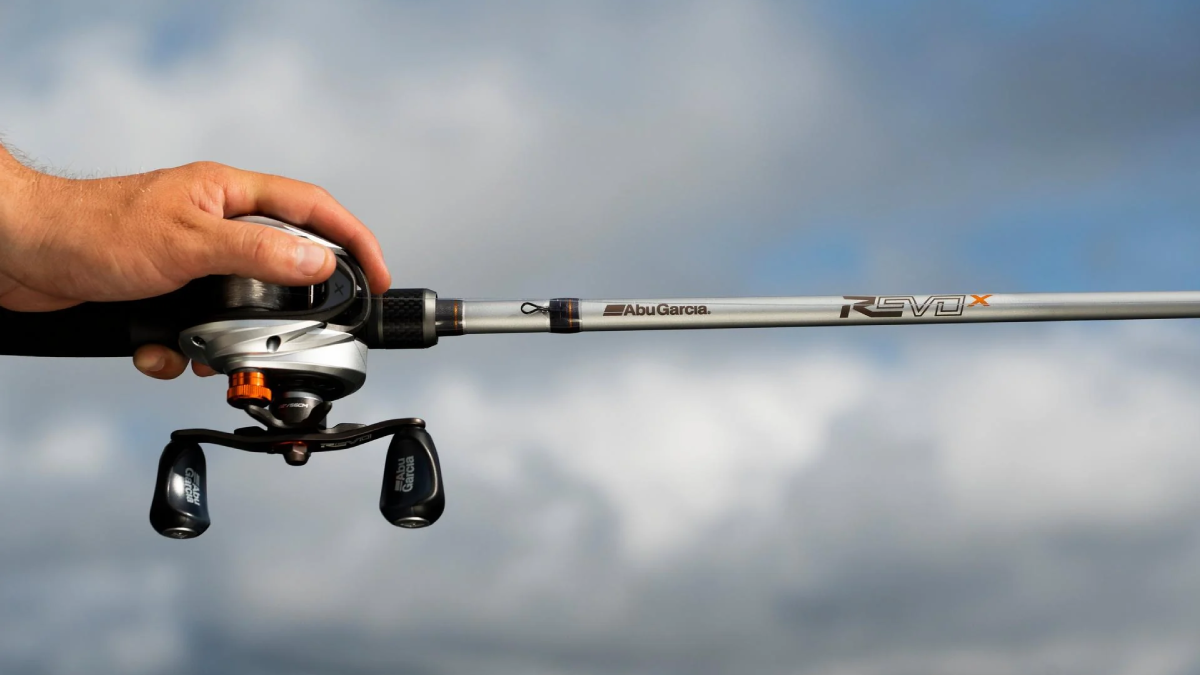
Abu Garcia Revo X Baitcast Combo
Pros
- Great for anglers new to baitcasting setups
- Stainless steel guides
- Sensitive rod blank
Specs
- Length: 7’4″
- Action: Moderate
- Power: Medium-heavy
- Rating: 12-20 pound/test line; 1/4-1 ounce lures
In bass fishing, reels are just as important as rods, especially for anglers new to baitcast fishing. Poor-quality reels are hard to set up and can be quite discouraging for new anglers. The best solution to get on the water and get comfortable with this technique is a quality baitcast combo like the Abu Garcia Revo X Baitcast Combo.
Abu Garcia is known for making some of the finest reels on the market, and the fifth-generation Revo X is no exception. It features an ergonomic design for maximum comfort and it’s easy to adjust with a single brake dial and a tension knob.
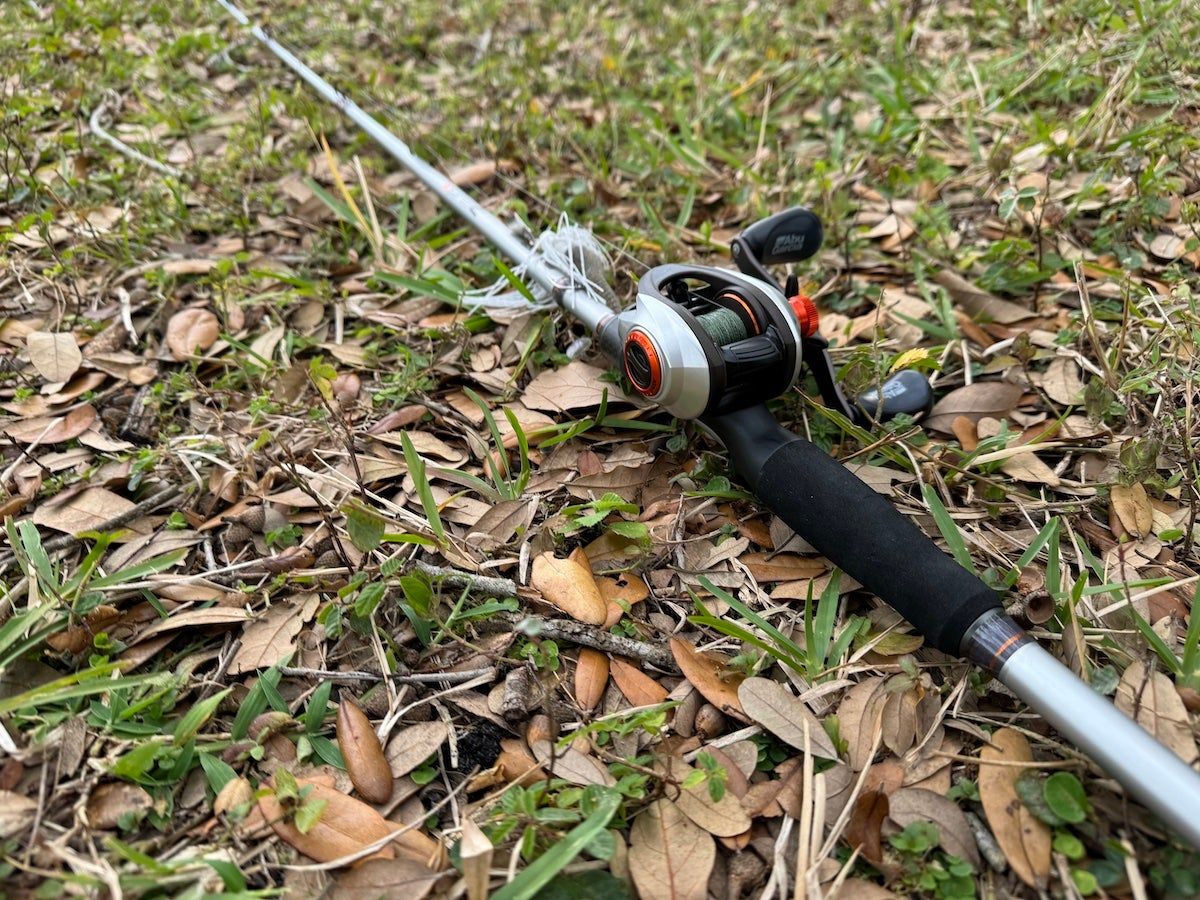
I fished the 7’4″ medium-heavy version paired with the 5.4:1 gear ratio Revo X. The added leverage for hook sets and slower retrieve speed is great for throwing jigs and dragging Carolina rigs. If you’re looking for a more all-around setup, the 7′ medium-heavy paired with 7.3:1 Revo X can do it all. There is also a spinning version of the Revo X Combo for anglers who don’t want a baitcasting rig.
best for beginners
Fenwick HMG Spinning Rod
Pros
- Lightweight feel
- Comfortable grips
- Great all-around rod
- Limited lifetime warranty
Cons
- Slightly more expensive than most “beginner rods”
Specs
- Length: 7′
- Action: Fast
- Power: Medium
- Rating: 8-14 pound/test line; 1/4-3/4 ounce lures
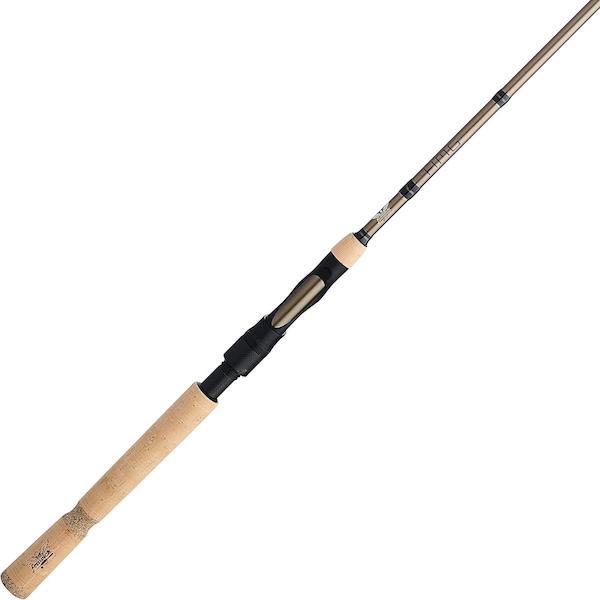
There are a lot of beginner fishing rods on the market. The key for new anglers is to look for rods that serve them well as beginners but can grow with them as anglers. One such rod is the Fenwick HMG Spinning Rod. This 7′ medium rod is an excellent all-around option for new anglers. To start, it’s a spinning rod and easy for new anglers learning to cast.
On the water, it consistently delivers accurate casts with a variety of lures. I’ve thrown everything from small soft plastics to crankbaits with no issues. The HMG is also incredibly sensitive, allowing new anglers to detect bites through the rod. This rod is slightly more than most “beginner rods” but factor in its limited lifetime warranty and versatility beginners have a rod they can use for life.
best for Topwater/jerkbaits
St. Croix Premier Spinning Rod
Pros
- Smooth, straight grip for comfort throughout the cast and retrieve
- Good length for working poppers and walking lures
- Versatile rod is suitable for both warm and cold-weather bassing
Cons
- A bit underpowered to run heavier topwater lures
Specs
- Length: 6′ 6″
- Action: Fast
- Power: Medium
- Rating: 6-12 pound/test line; ¼-5/8 ounce lures
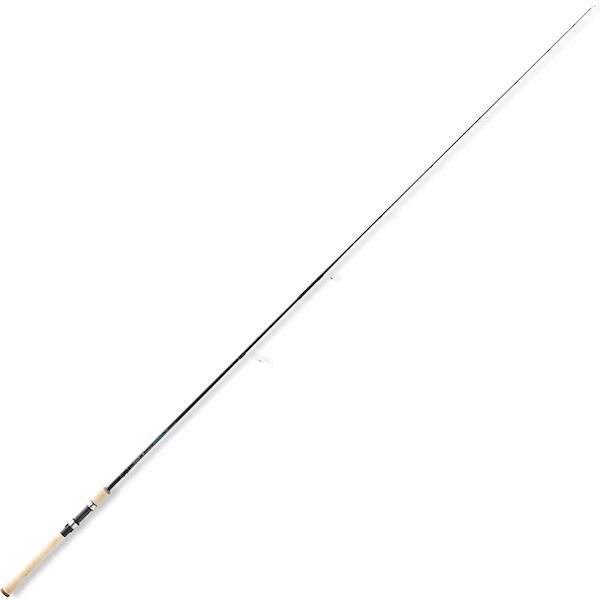
This rod plays double duty, twitching a jerkbait in cold weather, then switching to keep a Zara Spook or other topwater lure moving once the weather has warmed. The 6’6″ St. Croix Premier bucks the trend of long rods, but for good reason. Working a topwater with maximum action means quick snaps of the rod tip in a downward motion. If your rod is too long, you’re constantly slapping the surface of the water or holding the rod at an odd angle.
Stepping down to medium power helps cast smaller popper-style lures and prop baits as well. The medium power also takes full advantage of St. Croix’s SCII graphite construction; a mid-modulus material that offers excellent sensitivity for jerkbaits but maintains a bit of flexibility to hold strong when a smallmouth takes that last ditch charge to shake free. And with eight guides along its length, it may seem like it lacks some contact points with the blank, but the spacing is done well and keeps the rod balanced for accurate casts.
The thing that sets the Premier apart, at least for me, is the simple, straight Portuguese cork grip. The full length of the grip allows easy two-handed casting to keep your arms from wearing down. Most manufacturers are leaning to more tapered grips in their rods, which have their own benefits.
But for the seesaw action of a topwater or jerkbait, the straight grip gets the nod. And the straight grip style is easy to tip back and forth while walking the dog on a Zara Spook or snapping a jerkbait in a twitch-twich-pause cadence to catch prespawn bass. The only drawback to this particular model of the Premier lineup is that it does not handle large Whopper Plopper-style topwaters. However, there are plenty of other rods in the Premier lineup that fit that bill.
best for crankbaits

Lew’s KVD Crankbait Casting Rod
Pros
- EVA grip adds comfort for all-day cranking
- Composite construction offers flex of fiberglass with lighter weight of graphite
Cons
- Hook keeper placement could be better
Specs
- Length: 7′
- Action: Moderate
- Power: Medium
- Rating: 10-17 pound/test line; ¼-3/4 ounce lures
Fishing crankbaits requires long casts to enable the lure to dive to the right depth. Having this Lew’s KVD is like loading a catapult in your boat. The 7-foot length adds leverage to generate more casting energy, and the split-grip handle gives enough room to place both hands on the cast for more powerful casts. Instead of straight carbon graphite, Lew’s combines old-school fiberglass in the butt of the rod and blends it into a carbon graphite tip. The fiberglass has a slower, more forgiving flex to load up properly on the cast and retrieve, while the graphite delivers sensitivity where you need it. The composite construction creates a bulky midsection above the reel seat that may be distracting to some anglers. While she might look like a chunky monkey, the rod is still very light thanks to the graphite at the front of the blank.
The only drawback to this rod is in the hook keeper, which is placed behind the reel seat. This puts the crankbait along the rod’s handle when it is being stored, which could be an issue if you reach for the rod absentmindedly. I tend to hook the crankbait to the reel face, so it wasn’t an issue for me. But if we’re being nit-picky, this would be the one thing I’d look to fix. You can also check out some of our best crankbait rods.
What to Look for in a Bass Fishing Rod
There’s no one-size fits all approach to bass fishing. As such, you need a few different rods to handle all the techniques you’ll need to score consistently with bucketmouths. When filling your rod quiver, take the following into account.
Specifications
Length
The best rod length varies with the technique being used. Years ago, a 6-foot rod was on the long side of rod design, but now you rarely see a rod on a bass boat’s deck shorter than 6-and-a-half feet. Longer rods offer more leverage on hooksets, and they increase casting distance. However, a short rod offers pinpoint accuracy around close targets.
Power
The amount of flex in a rod is described as its power. The more effort it takes to make the rod bend, the heavier its power rating. A lighter power rod may be needed to cast lighter lures, while a heavier rod will offer more “backbone” to fight fish and heave larger lures with more force. Some manufacturers even try to offer rods like the KastKing Perigee II which has two rod tips of different powers for the angler to choose which they prefer.
Action
A rod’s action refers to where the rod begins to bend when put under a load. Faster actions bend closer to the rod’s tip, making them feel stiffer and snap a hook home quickly. Moderate and slower actions bend lower in the rod, allowing more give on the hookset and to keep fish hooked during the fight.
Sensitivity and handling in a rod comes down to how and where the rod blank bends. Heavy cover may necessitate a rod that takes complete control of the fight, but certain lures simply don’t perform on a broomstick.
Construction
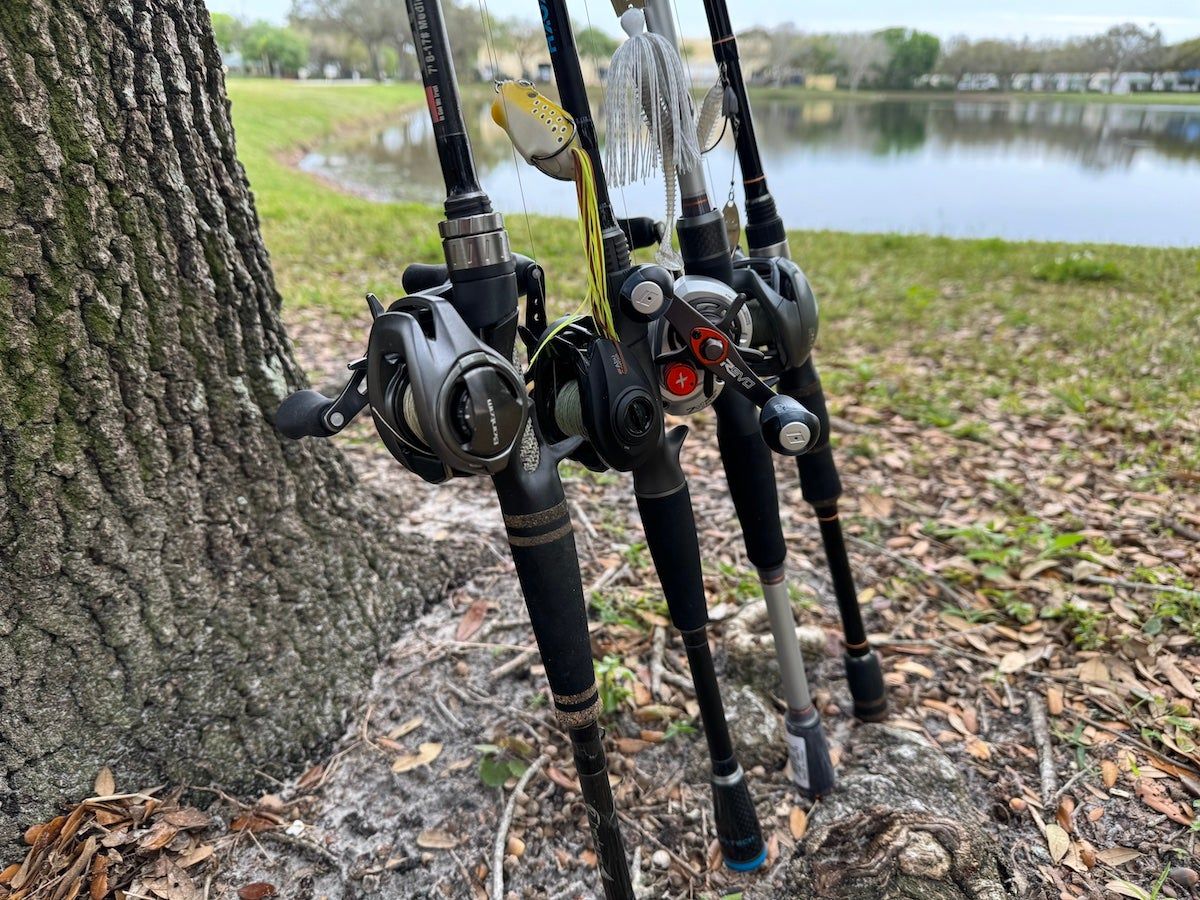
Modern rods are made of fiberglass, graphite, or a combination of the two. Fiberglass was top technology in the 1970s when it was introduced but has largely given way to graphite. You can still find glass in some specialty rods, and a handful of manufacturers mix graphite and fiberglass to create slow action rods. Most of the rods covered here are made from graphite, so I’ll examine those blanks more thoroughly.
Modulus
There really is no industry standard for the construction of a graphite rod, but modulus can give you a good indication of the quality of the build. Essentially, modulus is a measurement of the stiffness of the carbon fibers that make up the rod’s blank. Lower modulus ratings will be more elastic, while higher modulus ratings will be crisper and more sensitive. However, modulus alone doesn’t indicate a good rod. The resins and cooking process used to create the blank also weigh heavily into a rod’s sensitivity and stiffness-to-weight ratio.
Guides
You can take the best rod blank in the world and outfit it with poor guides and have a rod that falls short in feel and performance. Guide style is important, but how many guides and where those guides are placed along the blank are just as critical. A quick look down the rod from butt to tip also will reveal guides on some rods that are out of line. These off-center guides not only affect feel, but they also destroy casting distance by creating friction.
Grip and Handle
Cork or modern polymer grip material is a personal choice, but buyers should beware of any materials that aren’t made to handle extreme temperature and exposure to the elements. All high-quality rods also should feature exposed blanks in the reel seat to place a hand on a portion of the blank for better sensitivity. The custom reel seat of the Phenix Maxim casting rod takes this to the extreme, leaving enough room to nearly wrap your entire hand around the exposed blank.
Price
As the quality of components and fit-and-finish increase, so does the price. There is a point, however, where the return on investment is not going to be noticeable to the average angler. A $300 rod may be acceptable for an angler who fishes every day, but the weekend angler would be better served to get two or three rods at that level of expense.
Note: Even the best pastry chef can’t make melt-in-your-mouth cookies without good chocolate. Budget selections like the Ugly Stik Elite Spinning Rod are good for a beginner or a day when the fish will practically take the rod from your hands, but they lack the materials that provide the sensitivity to detect light strikes when the bass are moody.
FAQs
When it comes to bass fishing rods, there are two options: baitcasting and spinning rods. Of the two, baitcasting rods are the preferred method for anglers. They allow anglers to make quick and accurate casts and fish with a variety of techniques. For an all-around baitcasting setup, 7′ medium heavy rods are a great choice. They can cast most lures and are readily available.
Professional anglers tend to stick to one brand of rods, depending upon who sponsors them. But they’re not going to choose a rod that hinders their ability to perform. Some anglers may think that pro bass anglers have some secret stash of custom rods that aren’t available to the public, but that isn’t the case for most. Top rod manufacturers, such as St. Croix, Denali, G. Loomis, Daiwa, and Lew’s have many grades of rods to deliver performance at all price levels. The pros will pick from those same selections you can buy off the rack at your local tackle store.
Spinning rods are not just good for bass fishing, they’re lifesavers when the fishing gets tough. Most bass anglers may have a love affair with baitcasting rods and reels, but you’d be hard-pressed to find a tournament angler who doesn’t have at least one spinning rod ready on the deck. Weightless worms, drop-shot rigs, Ned rigs and many other light lures that are known to fill a limit require the use of spinning gear.
The rod is only one piece of the equation in bass fishing. To rig a bass rod, consider the reel, line, and most importantly, the lure that will be used. Light lures require lighter action rods, lighter line and spinning reels. Heavy lures will fare better on heavier line and baitcasting reels for better control and more power. Be sure to match line and lure to the rod’s ratings, which are listed at the base of the rod, to ensure top performance and prevent an uncomfortable day of fishing.
Spinning rods have guides that face down, while casting rods have guides that face up. The position of the guides relates to where the reel is. Casting reels are on top of the rod while spinning reels hand below the rod.
Why Trust Us
For more than 125 years, Field & Stream has been providing readers with honest and authentic coverage of outdoor gear. Our writers and editors eat, sleep, and breathe the outdoors, and that passion comes through in our product reviews. You can count on F&S to keep you up to date on the best new gear. And when we write about a product—whether it’s a bass lure or a backpack—we cover the good and the bad, so you know exactly what to expect before you decide to make a purchase.
content_fishing-rods

THE 1871 CLUB
Recommended Products
Read the full article here