
During my senior year of college, three of my buddies and I decided to have a month-long bass fishing tournament. The rules were simple: Two vs. two, and the team with the heaviest bag of five fish after 30 days wins. But there was a kicker: Anglers were not allowed to venture farther than a 50-mile radius of our apartment.
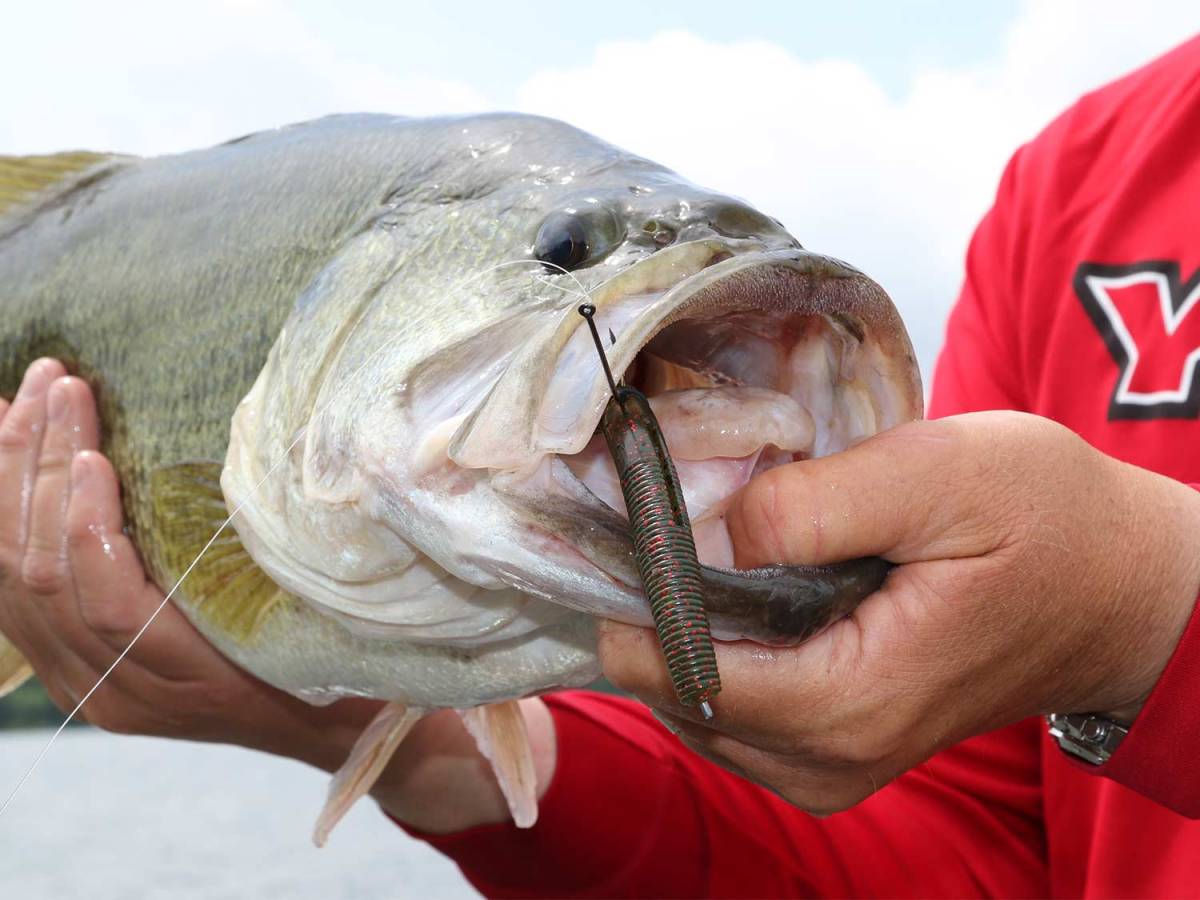
The goal was to push our fishing skills to the brink and think outside the box. This meant that Google Earth and pond hopping would play a major role in success. My buddy and I hit the obvious spots first, but it wasn’t until we were down by three pounds that we checked a muddy, choked-out canal in a town park. When my frog lure hit the weed mat, a 3-pound 8-ounce largemouth exploded from underneath. We had found our honey hole.
To this day, that disgusting-looking canal is one of my favorite fishing spots. It’s hiding in plain sight in a suburb of central New York, and I wouldn’t give up that location for anything. That’s the beauty of pond hopping. You don’t need a bass boat, world-class lake, or 15 rods to catch a trophy fish. A couple of baits, a backpack with some tackle, access to Google Earth, and a willingness to think differently will put you on the path to catching more bass. Here are five tips to help you find more bass ponds to fish this summer.
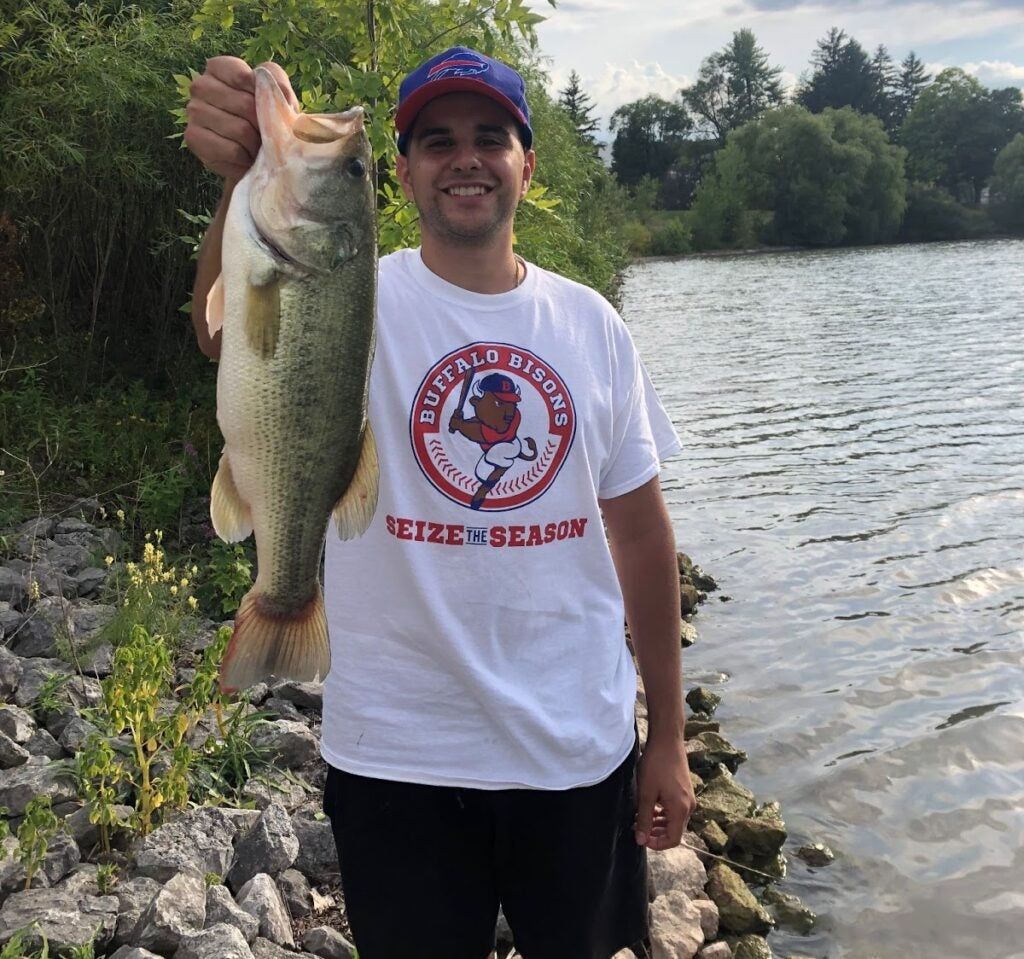
1. Use Google Earth to Scout for Ponds with Big Bass
Nowadays, almost every type of fishing or hunting adventure starts on Google Earth. Pond hopping for bass is no different, and you may be surprised how much you can do with this tool. Locate a starting point, which will most likely be your home, and begin to zoom out. As your field of view widens, you should start to notice some ponds and different bodies of water. Of course, this is all relative to your region or state.
Begin to filter through these spots and pick a pond to focus on. Zoom in and start looking for key features. Do you notice any structure? Are weeds visible on the map? Are there other bodies of water that connect? These questions should start to generate some ideas. I often focus on ponds with adjacent bodies of water. This provides options and gives you more to work with when fishing.
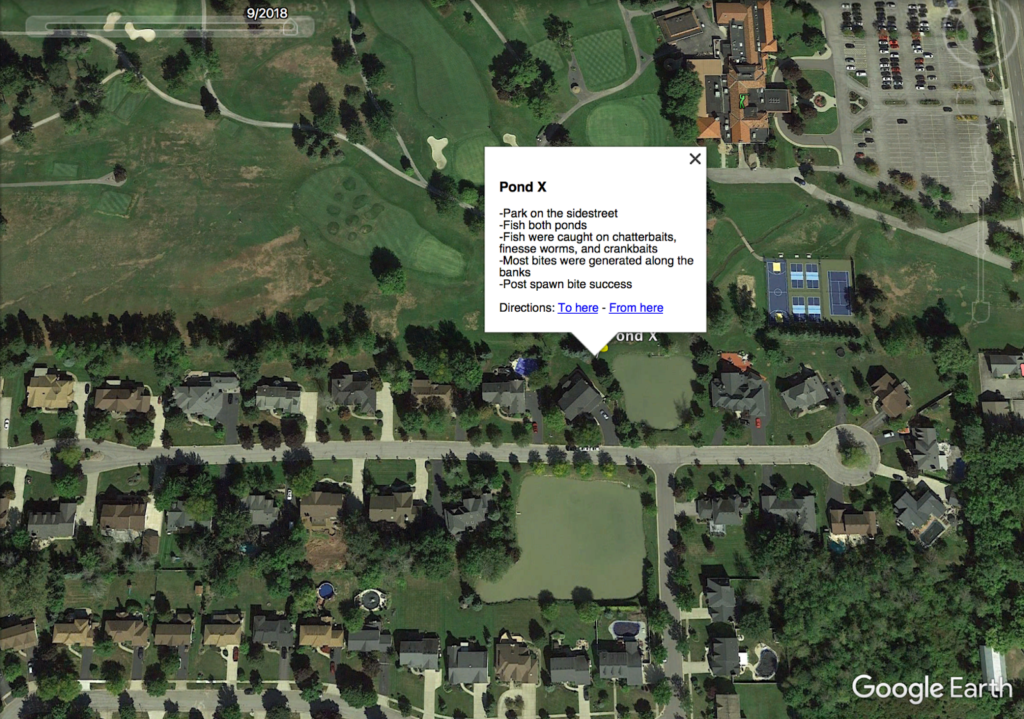
Next, use the Google Earth feature that allows you to filter the map by year. This is something that gets overlooked by anglers and can provide important info. Click the “show historic imagery” tab at the top of Google Earth and filter by year. Below is a 2018 Google Earth image of a pond with some notes marked next to the pin.
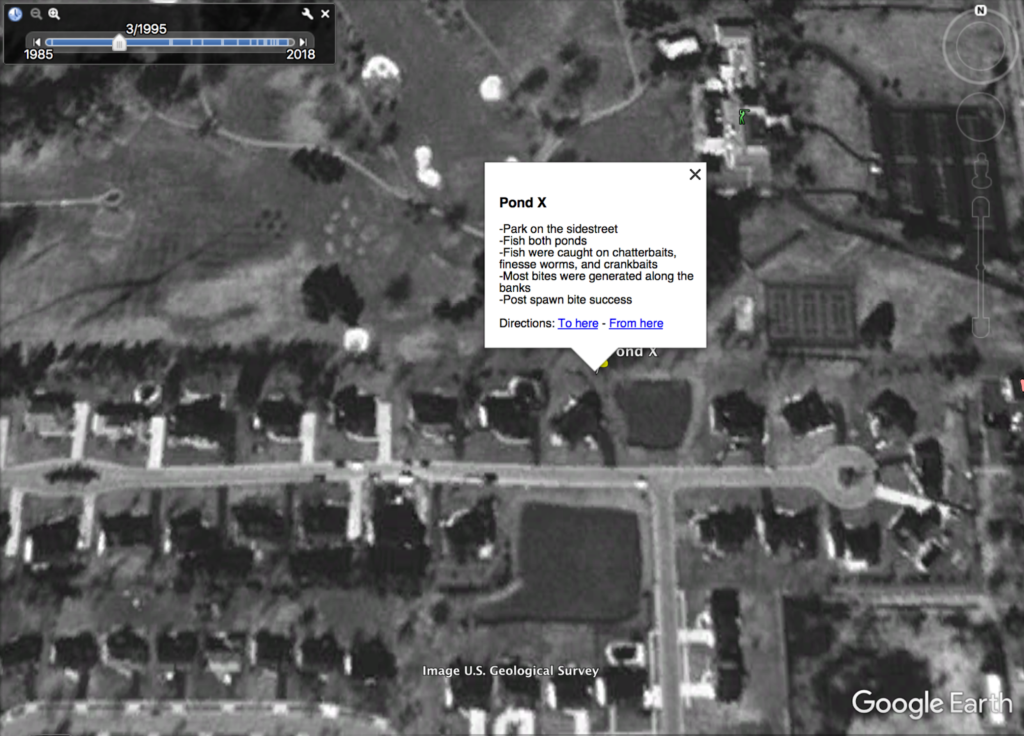
Below is a 1995 aerial photo of the same two ponds. This information indicates that if there are fish here, there is a good chance they’re naturally reproducing with some mature bass.
2. Don’t Ignore Nasty-Looking Water
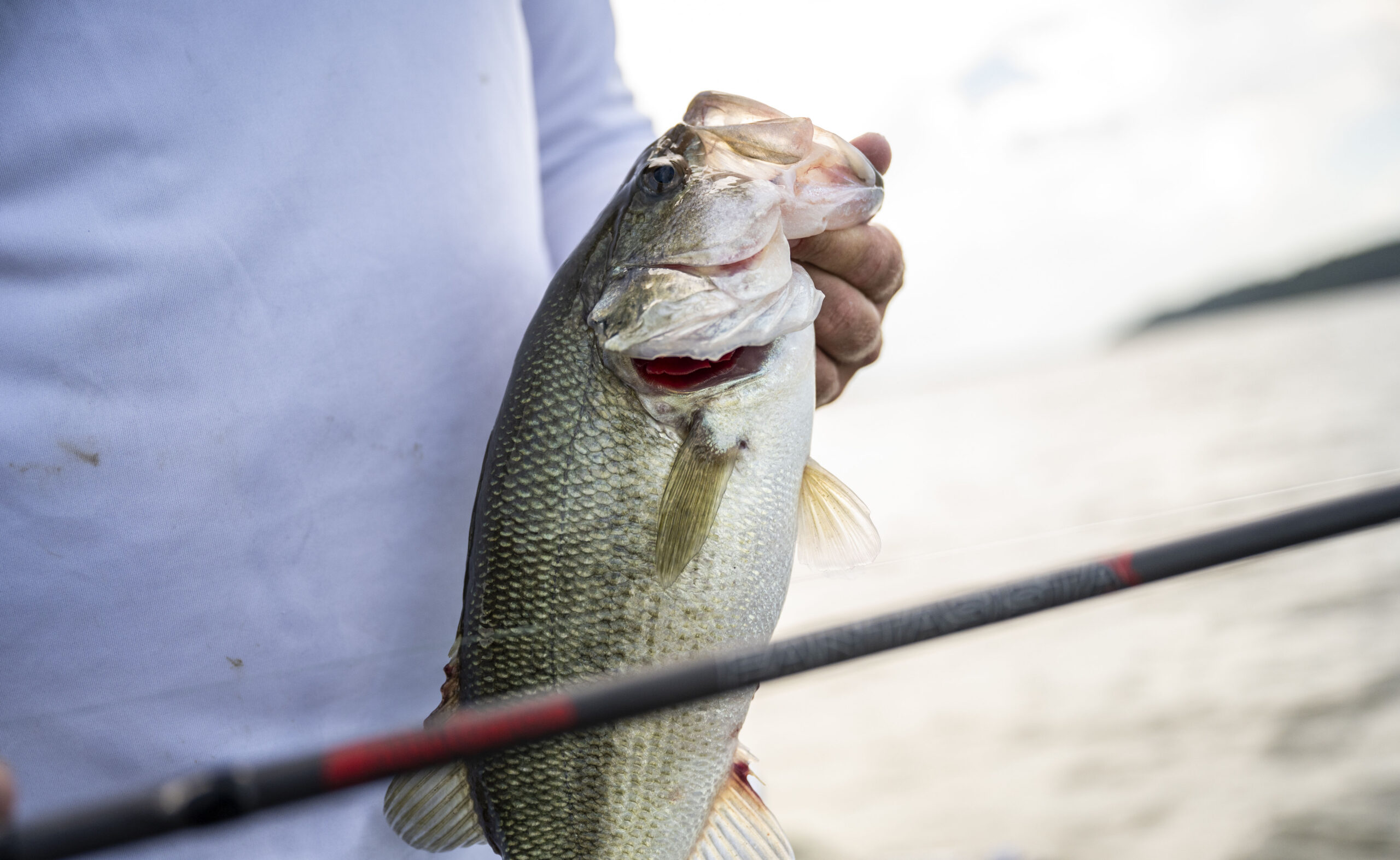
Anglers develop ideas of what “good water” should look like, and some spots just don’t look as “fishy” as others. But when it comes to ponds, creeks, small bodies of water, and bass, don’t knock it until you try it. You’ll be surprised where bass can live. Before I ever fished what we now call the Frog Spot, my group of fishing buddies all referred to it as sewage water because of the terrible clarity and the fact that it was completely choked out in weeds. But as it turned out, we were wrong. Catching three and four-pounders consistently put us and everything we thought we knew about “bad water” in our place.
Don’t give up on a spot just because it looks bad. Throw a few casts and work different areas of the pond before you move on completely. It only takes one big bite for a spot to go from awful to amazing.
3. Use onX Hunt to Fish
If you hunt, then you know about the GPS mapping tool onX Hunt. Although onX is heavily marketed towards hunters, I have found it extremely useful for my fishing adventures, especially pond hopping. The major downside of Google Earth is that it doesn’t indicate whether a pond is public or private, show you property lines, or give you the names of landowners. But onX gives you all that intel, which is key because some of the best ponds are private, and knowing who to ask is crucial to getting permission.
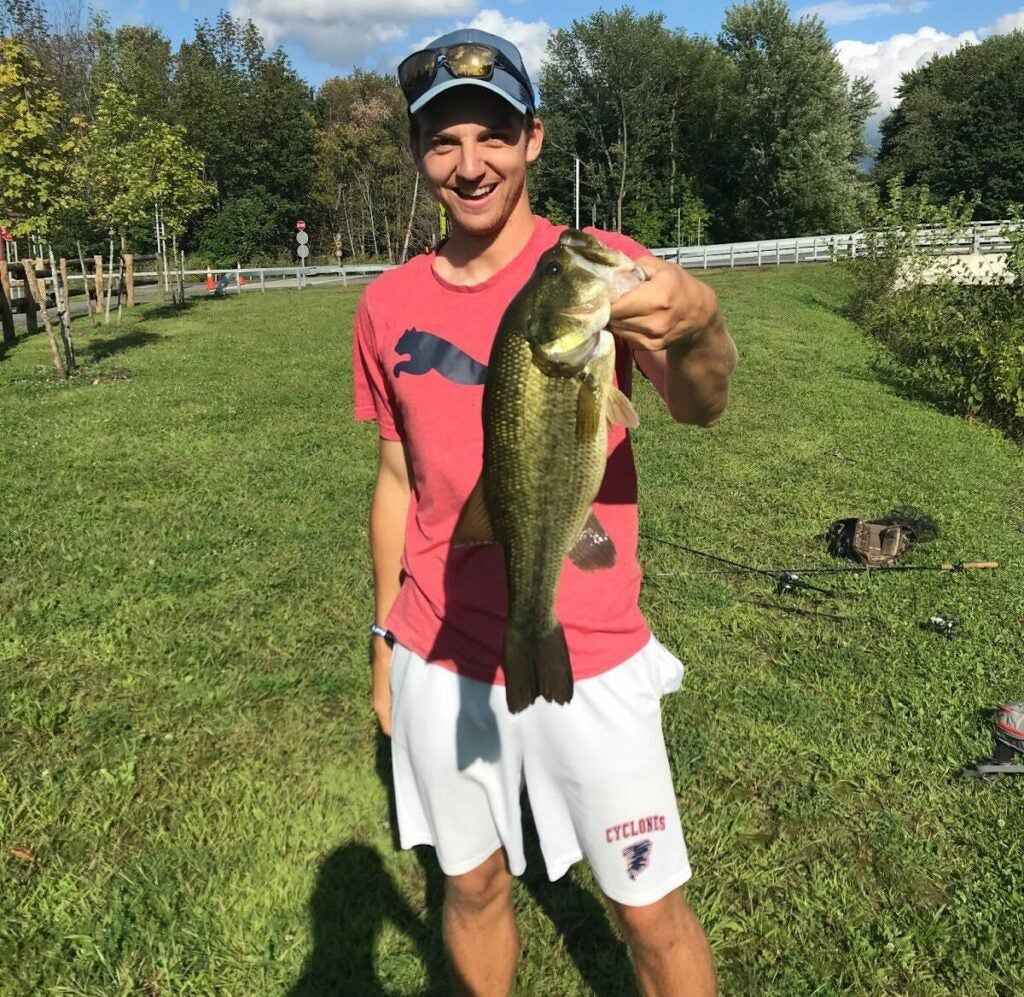
You can also measure distances and track yourself as you work a pond so you know how long it took and where you found the most bites. Using onX has become a critical scouting tool for me. The mobile-friendly app changes the game when I’m out fishing or sitting in my car trying to figure out what ponds are public.
4. Fish Golf Course Ponds (After Asking for Permission)
This wouldn’t be a true pond-hopping article if I didn’t talk about golf courses. They’re big-bass magnets. The only issue, of course, is that these ponds are private. I’m not about to suggest you sneak onto the course and trespass. Instead, visit the clubhouse and politely ask who you should speak to about getting permission to fish the course. Here are a few tips you can try to increase your odds of gaining access:
- Don’t walk into a fancy clubhouse with your lucky fishing hat, dirty backpack, and three fishing rods. You’ll be thrown out before you get to say your name. Dress a little nicer, and make yourself presentable.
- I find I have better luck going to the office later in the day when there are fewer golfers and the clubhouse isn’t as busy.
- Ask if you can talk to the manager about fishing the course, and if so, what time of day they would prefer you to be there. You’ll be surprised by how many courses appreciate you asking and give access.
The same goes for gaining access to any private pond, whether it be a golf course, an apartment building, or a private business. Be friendly and if someone does give you access, it’s never a bad idea to leave bagels or a gift as a thank you, especially if the pond holds big bass.
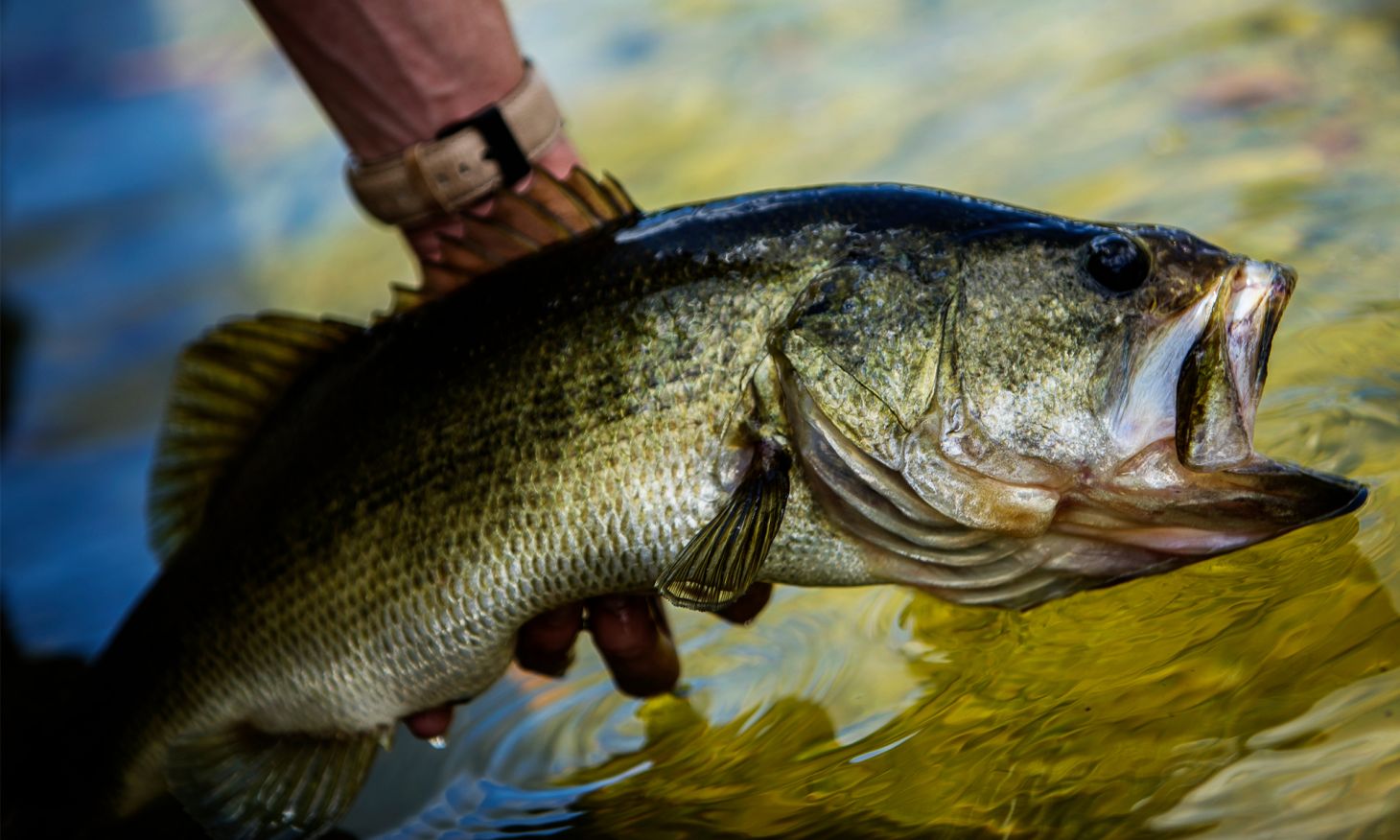
5. The Best Bass Tackle for Pond-Hopping
I have a particular pond-hopping arsenal always ready to go. I like to carry three rods. I always have a frogging rod rigged, another baitcaster for most of my fishing, and a spinning rod for finesse situations. When it comes to lures and baits, the most important thing while pond hopping is versatility. You need to make sure you’re ready for any situation. I carry a backpack with three or four boxes filled with everything from soft plastics and chatterbaits to frogs and crankbaits. You may need to get a bait down 10 feet and then throw a frog an hour later at a different pond. Have at least two of every lure in your box.
Versatility and mobility are the name of the game when pond hopping. Don’t rush, but also don’t spend hours at a dead pond. Hop in the car and check the next pin on your map. If you aren’t checking new spots, then your fishing buddies might beat you there, and you’ll be hearing about a 5-pounder caught on a frog in some nasty-looking water for years.
content_bass-fishing,content_freshwater-fishing,content_fishing,content_stories

THE 1871 CLUB

Recommended Products
Read the full article here