
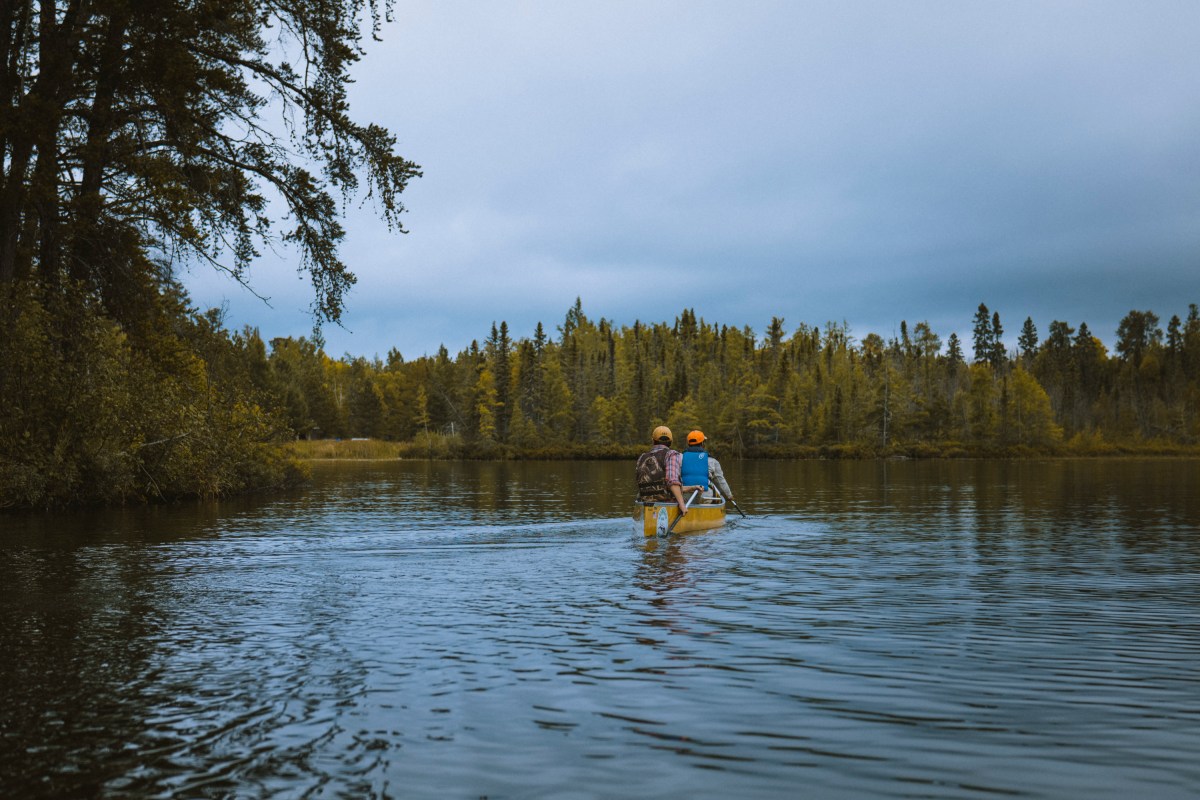
On Monday, President Donald Trump signed a congressional bill that lifted a 20-year mining ban in the Superior National Forest. The resolution effectively advances Twin Metals’ proposed copper-nickel mine that would be dug at the headwaters of the Boundary Waters Canoe Area Wilderness.
This specific mine is strongly opposed by sportsmens groups and conservation organizations, as well as the majority of Minnesotans, for the likely environmental damage it will cause to the 1 million acre canoe area, which is defined by its interconnected wilderness lakes and rivers. The BWCA is the most visited wilderness area in America, and there have been long, vigorous local and national efforts to protect it.
And still, earlier this month the Senate voted 50-49 to use an obscure and unprecedented maneuver to overturn the Biden-era mining ban protecting the BWCA. Political insiders say that pressure from the White House convinced the few hesitant Republican senators to help pass the resolution.
“These Republicans that were leaning our way buckled under the pressure from this Administration,” says Lukas Leaf, executive director of Sportsmen for the Boundary Waters.“Which is super unfortunate and, frankly, they should know better.”
Some insiders also say it’s likely that former Trump Administration Interior Secretary David Bernhardt was influential in getting the mining ban removed.
On Wednesday the Star Tribune reported that “Twin Metals Minnesota paid $380,000 to the Bernhardt Group, a newly formed lobbying firm led by [Bernhardt], between the second quarter of 2025 and the first quarter of 2026.”
Twin Metals Minnesota is owned by a Chilean mining conglomerate named Antofagasta and it’s in charge of developing the proposed copper-nickel mine in the Superior National Forest. The Star Tribune also reported that Twin Metals had previously hired Brownstein Hyatt Farber Schreck, which was Bernhardt’s former firm, as well as others. Twin Metals switched exclusively to the Bernhardt Group last year, the newspaper says.
“I think this vote demonstrates the tremendous behemoth that we are operating against,” says Ingrid Lyons, executive director for Save the Boundary Waters. “It’s not just an international mining conglomerate, it’s not just the wealthiest family in South America, it’s not just Twin Metals, it’s not just the White House. It’s also former White House officials.”
E&E news reported last summer that the Bernhardt Group’s founders include other former senior Trump administration officials including: Cole Rojewski who served as Interior’s director of congressional and legislative affairs; Todd Willens who served as chief of staff for Bernhardt; and Luke Johnson who served as deputy director of policy and programs at the Bureau of Land Management.
“A former Secretary of Interior’s lobbying group makes a ton of money on selling really bad ideas on behalf of their client,” says Randy Newberg, a public lands advocate with deep connections in D.C. “I mean if ever there’s an example of how the backroom deals and money can really get you something in our system, it is the Boundary Waters situation. Because all the public comment was against [the proposed mine]. There were [Republican Senators] possibly lined up to vote against it. But a group with significant connections to the White House, a former cabinet member of the White House, can be paid to lobby … And so the chips were called in.”
Hesitation in the Senate
In January the House passed HJ Res. 140, which was introduced by Rep. Pete Stauber, of Minnesota, one of the mine’s biggest supporters. In using the Congressional Review Act, Stauber and other supporters of the resolution claimed that the Biden Administration had established the mining ban illegally. Legal experts say this logic is questionable at best, since the mineral withdrawal was established through the normal process more than three years ago.
“What’s crazy is the Republicans who voted for this know that this could come back to bite them in the ass,” Leaf says. “Their pet projects in their states could now be subject to this [CRA maneuver] from the opposition party, right? So what deals were made in the background? Who knows, but it had to be pretty sweet to get them to vote for this, knowing that it was the wrong move.”
Months passed before the vote took place in the Senate, and some conservation advocates who were following along closely hoped that there might not be enough Republican support for the resolution.
“There were a lot of offices that were going to [Majority Leader] Senator Thune and saying ‘I don’t want to take this vote,’” says Lyons, whose group spent $190,000 in lobbying efforts to oppose the mine over the last year. “And two unifying themes were: One that the precedent created by using the CRA this way … that represents a fundamental change in how the CRA can and potentially will be used.
“The other meaningful concern was that … this Minnesotan company is owned by a Chilean conglomerate that has zero-cost smelting agreements with state-owned smelters in China. So the message about this being for our national security, that bucket held no water. Best case scenario is that we get to buy [the minerals] back from China on the world market.”
Currently, the U.S. has only two major smelting locations, which are both operating at capacity. That’s why the U.S. ends up exporting approximately 50 percent of our raw copper to countries like China, Canada, and Mexico, only to buy it back after smelting.
“What we’re doing here is creating a pathway for this foreign company to build a mine, pollute the Boundary Waters, send the minerals to China where they’ll be processed with this sweet-heart deal then sold on the open market,” Minnesota Senator Tina Smith said in her testimony opposing the mine. “And that is not an America-first strategy. So I encourage my colleagues to take a look at who is benefiting from this mine, and it certainly will not be Minnesotans in the long run.”
After the big public lands battle last summer — in which Utah Senator Mike Lee failed to pass a measure that would have sold off millions of acres of federal lands — there was optimism for bipartisan support around protecting iconic public lands like the BWCA. In October, eight senators announced the Stewardship Caucus, which promised to “to drive bipartisan efforts to protect and expand access to public lands, promote commonsense land management policies, and support economic growth in rural communities.”
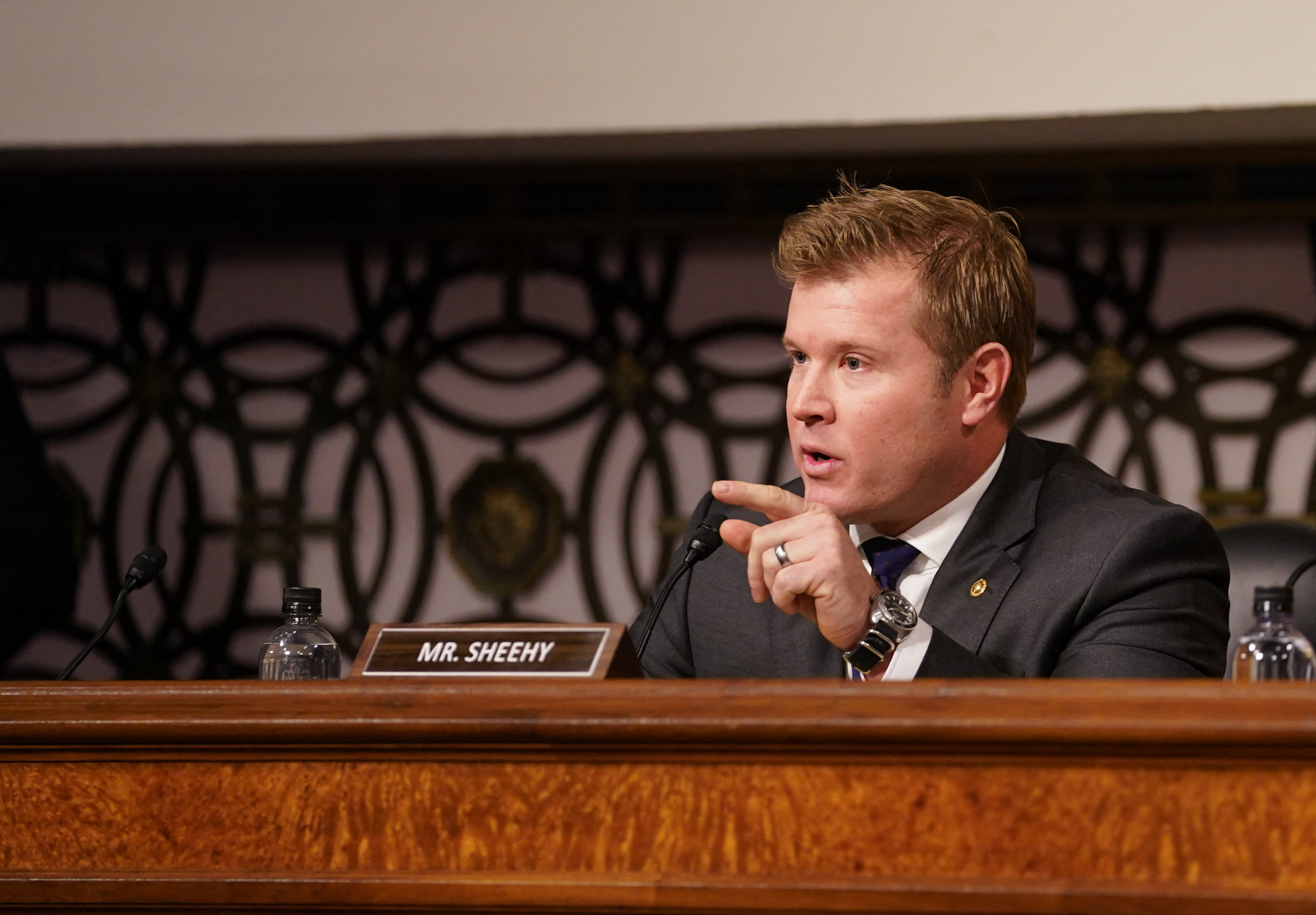
The caucus is chaired by Martin Heinrich (D-NM) and Tim Sheehy (R-MT). On the House side, the year-old Public Lands Caucus, chaired by Gabe Vasquez (D-NM) and Ryan Zinke (R-MT), promised to be a “bipartisan group of members committed to protecting access to public lands, expanding recreation opportunities, and ensuring these spaces are preserved for future generations.”
But when it came time to vote on the proposed mine near the Boundary Waters, the votes broke almost perfectly along party lines. Every Democrat member of the public lands caucuses voted against the resolution, and every Republican member voted in favor, with the only exception being Republican senator Thom Tillis from North Carolina. Tillis is not running for reelection and it was reported in the Star Tribune that a letter from the Lumbee Tribe of North Carolina opposing the mine moved him to vote for continued protections. (The National Congress of American Indians strongly opposes mining near the BWCA). The only other congressional Republicans who voted against the bill were Senator Susan Collins of Maine and Representative Don Bacon from Nebraska. In the Senate, conservationists lost by a single vote.
| Senate Stewardship Caucus | |||
| Name | Party | State | Vote |
| Martin Heinrich | Democratic | New Mexico | Nay |
| Catherine Cortez Masto | Democratic | Nevada | Nay |
| Thom Tillis | Republican | North Carolina | Nay |
| John Hickenlooper | Democratic | Colorado | Nay |
| Chris Coons | Democratic | Delaware | Nay |
| Tim Sheehy | Republican | Montana | Yea |
| Katie Britt | Republican | Alabama | Yea |
| Steve Daines | Republican | Montana | Yea |
| House Public Lands Caucus | |||
| Name | Party | State | Vote |
| Ryan Zinke | Republican | Montana | Yea |
| Mike Simpson | Republican | Idaho | Yea |
| Chuck Edwards | Republican | North Carolina | Yea |
| Jen Kiggans | Republican | Virginia | Yea |
| Troy Downing | Republican | Montana | Yea |
| Dan Newhouse | Republican | Washington | Yea |
| Juan Ciscomani | Republican | Arizona | Yea |
| David Valadao | Republican | California | Yea |
| Tony Gonzales | Republican | Texas | Yea |
| Kevin Kiley | Republican | California | Yea |
| Jay Obernolte | Republican | California | Yea |
| Gabe Vasquez | Democratic | New Mexico | Nay |
| Debbie Dingell | Democratic | Michigan | Nay |
| Raul Ruiz | Democratic | California | Nay |
| Joe Neguse | Democratic | Colorado | Nay |
| Emily Randall | Democratic | Washington | Nay |
| Steven Horsford | Democratic | Nevada | Nay |
| Susie Lee | Democratic | Nevada | Nay |
| Dina Titus | Democratic | Nevada | Nay |
| Greg Stanton | Democratic | Arizona | Nay |
| Tim Kennedy | Democratic | New York | Nay |
| Val Hoyle | Democratic | Oregon | Nay |
| Janelle Bynum | Democratic | Oregon | Nay |
Pressure from the President
“Whatever caucus they want to call themselves, the Public Lands Caucus, the Stewardship Caucus, whatever caucus they want to say they are, they are only that caucus until the White House calls, and that’s one of the lessons we’ve learned from this vote,” Newberg says.
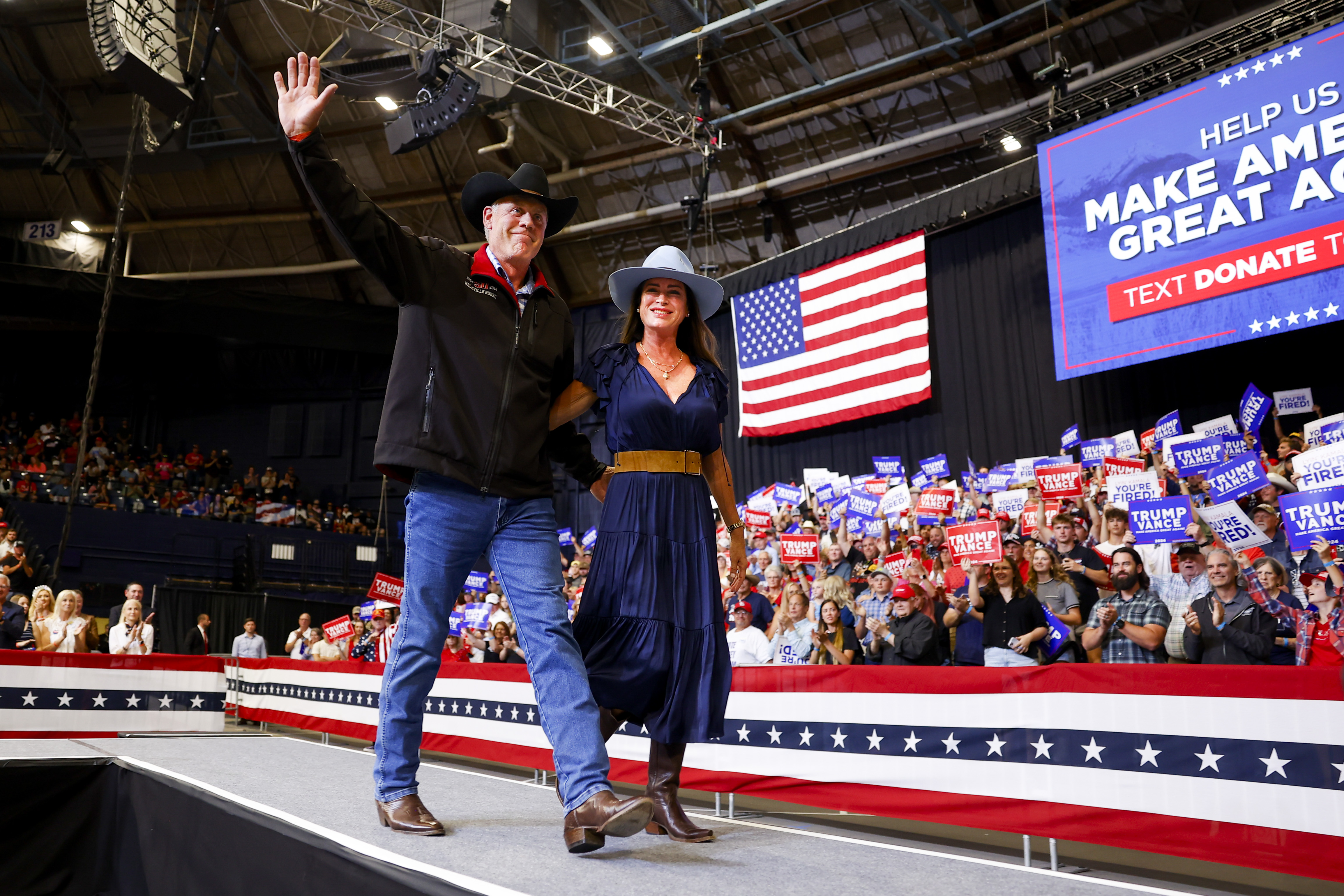
Zinke, who is also a former Trump Administration Interior Secretary, actually whipped Republican votes in favor of the mining ban repeal. In his testimony supporting the bill, Zinke said that he had read the Twin Metals mining plan when he was Interior Secretary and he believed it would not cause environmental damage.
“They say 100 percent of the mines in the past were pollutant, not if you have a mining plan that undergoes scrutiny as this one has,” Zinke said in his testimony. Zinke has announced that he is not running for reelection.
“With Zinke, it felt like a favor,” says Land Tawney, of American Hunters and Anglers. “Why is this guy from Montana advocating so hard for a mine in Minnesota, where he’s never visited the actual mine site, you know. Like that to me smells of some cozy relationships.”
Last summer Zinke fought against the proposal to sell public lands, saying it was his “San Juan Hill.” Zinke has often invoked Theodore Roosevelt comparisons throughout his political career. Ironically, Theodore Roosevelt was the president who established the Superior National Forest in 1909 to protect northern Minnesota’s forests and waters. And in February, four of Roosevelt’s surviving relatives wrote a letter urging Senators to vote against HJ 140.
“The proposed resolution is diametrically at odds with the conservation legacy of President Theodore Roosevelt,” the letter says. “For all these reasons we feel a deep obligation to TR to speak out loudly in support of this exceptional American wilderness area. As TR said at the Grand Canyon in 1903, we now reiterate with the Boundary Waters today: ‘Leave it as it is.’”
There was also hope that Republican Montana Senator Tim Sheehy might cross the aisle and vote against the resolution. Originally from Minnesota, Sheehy is a hunter and outdoorsman who says that he grew up canoeing the Boundary Waters.
But on April 16, Sheehy issued a statement saying: “Today I voted for H.J. Res. 140, which rescinds the excessive mineral withdrawal that was enacted in 2023. I have engaged in deep consultation with environmental experts, activist groups, community members, and elected leaders on both sides of this issue. But most importantly, I have spent time speaking directly to residents who live full time near Ely. As with all votes, I do not take this one lightly.”
Newberg says that winning the public lands showdown last summer might have actually had an indirect negative impact on the politics behind the Boundary Waters debate this spring.
“Some of the rumblings I heard last summer were that the [Senators] who did stand up for us felt like they got very little recognition,” Newberg says. “The amount of political capital [that pro public lands Republican Senators] spent last summer was immense, and the public has no idea how much political capital they had to spend because they keep all that fighting and arguing behind the scenes. So the public thinks they just did the right thing. But it came at a huge cost within their party with all the horse trading that goes on.”
Remember that the proposal to sell public lands was included in the “Big Beautiful Bill,” which was the Trump Administration’s key initiative at the time. Republican senators had to threaten to vote against the entire bill in order to get the public land sales component removed.
What’s Next for the BWCA?
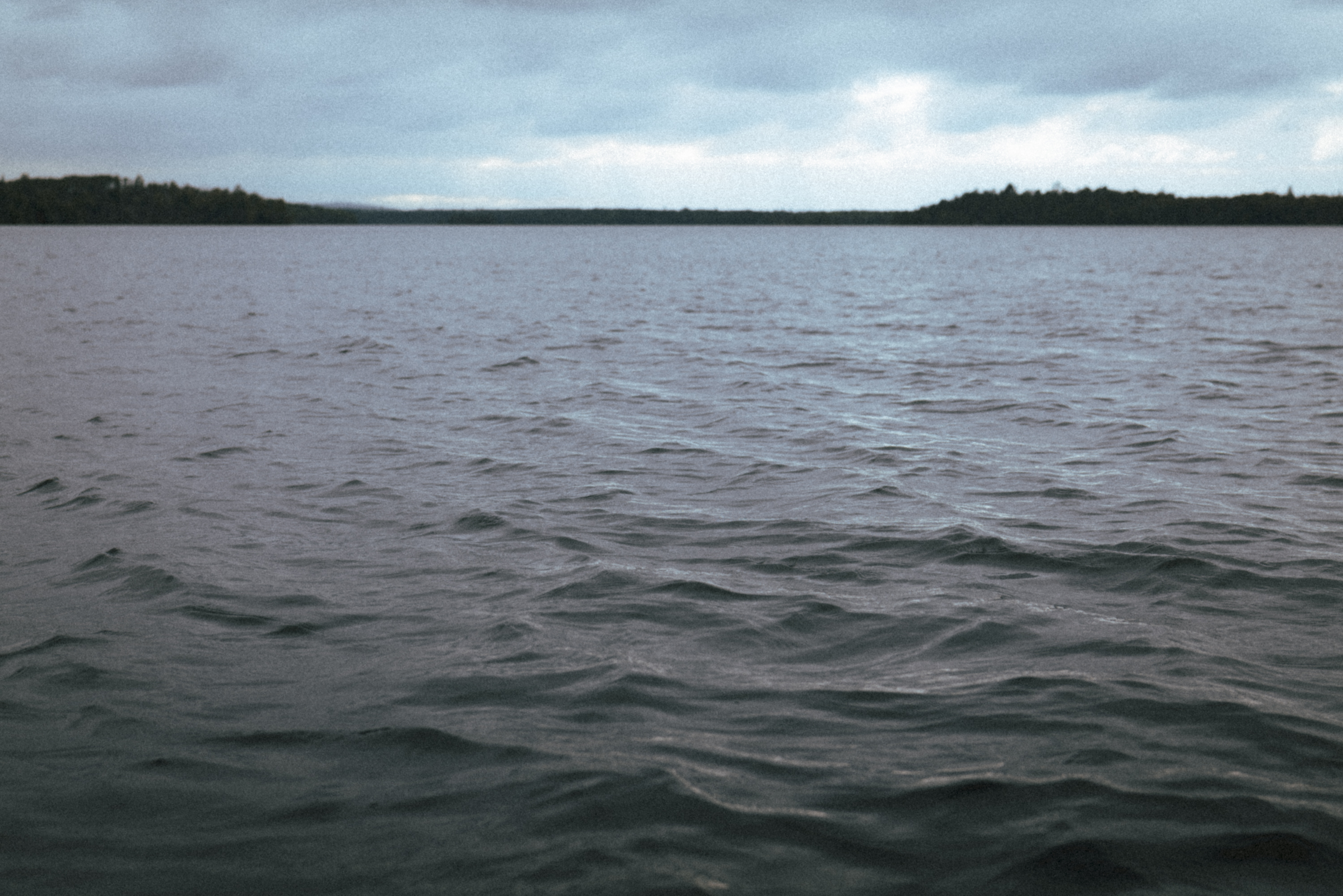
Both Zinke and Sheehy made clear that their vote for nullifying the mining ban would not actually approve the mine. Twin Metals still needs to get its mineral leases approved through the federal government and their plan must pass the federal and state permitting processes, Lyons says. This could take years and there will likely be related lawsuits.
However, it’s clear that the Trump Administration’s intention is to fast-track approvals for natural resource extraction projects nationally. Lyons says she’s also concerned that state and tribal oversight could soon be limited.
“Our concern right now is that next month the federal government is releasing its final rule on the Clean Water Act,” Lyons says. “And it’s massively reducing Section 401, which currently dictates the authority of states and tribes to participate in the review of federal projects like, for example, a copper mine on public lands upstream of the Boundary Waters. The state and tribal authority is gonna be stripped away or so greatly reduced that it might as well not exist.”
There’s still the possibility that legislation through the state of Minnesota could block the mine. Minnesota’s leading gubernatorial candidate, Senator Amy Klobuchar, testified in opposition to using the CRA in order to pave the way to this specific mining site, while also talking about her family’s mining history. Her grandfather was an iron ore miner.
“My grandpa, who loved that area, loved the forest, understood that you could make both things work,” Klobuchar said. “But not when you’re messing around with rules, when you’re not even taking the time to look at what’s happening here with our public lands. When instead you’re making this decision at night and going home for the day.”
Read the full article here