
Picture this. The lights blink out during a backyard campout and your kids cheer. They know what to do. They grab the flashlights, check the water jug, and settle in like it is part of the plan. That feeling does not come from scaring children with worst-case stories. It comes from gentle practice, clear routines, and skills wrapped in play.
Preparedness for kids should build security, not anxiety. Done right, it gives them a calm script to follow, the same way we teach crossing the street or dialing 112 or 911. Here is how to raise capable, confident kids who can handle storms, outages, and a few bumps on the trail without fear.
Start with safety, not drama
Children take their cues from you. If you treat preparedness as normal family business, they will too. Keep explanations short and honest. A simple line works. “Storms sometimes knock out power. We know how to be comfortable until it comes back.” Then show them. Lights. Water. Blanket. A small job for little hands.
Make practice feel like play. Turn the first five minutes of an outage drill into a game. Who can find two flashlights and the radio fastest. Who remembers the family meeting spot. Fun first, lesson second. The message is simple. We know what to do. We can do it together.
>>If you want simple projects that make blackout practice feel easy instead of stressful, you can look at the step by step ideas families use to build small off grid backups together.<<
Match the lesson to the child
A four-year-old and a fourteen-year-old do not need the same talk. Keep the goal the same across ages. Safety, confidence, and simple steps. Change the delivery.
Little explorers, ages 3 to 6
Teach one rule at a time and practice it in short bursts. “If you cannot see Mom or Dad, stop where you are and call our name.” Play “hug a tree” in the yard. You pretend to be lost. They stay still and blow a whistle until you find them. Read a story where a small hero uses that rule and gets home. Always end with reassurance. Safe grownups are nearby. You can always call us.
Growing helpers, ages 7 to 12
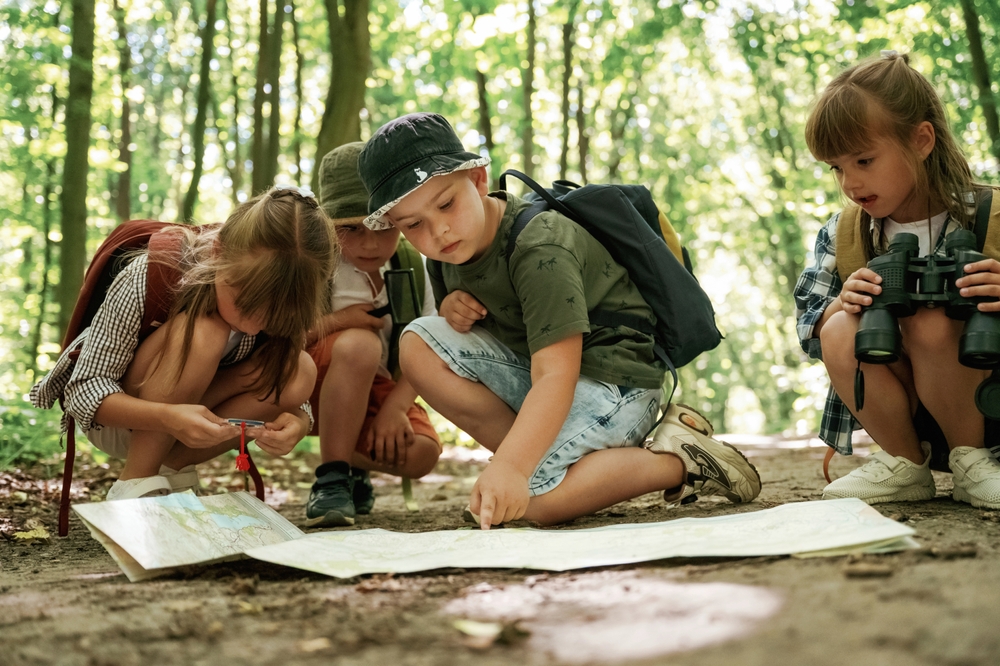
Kids this age learn by doing. Let them set up a safe camp stove under your eye. Let them measure water, pack the first aid kit, or label the family meeting spot on a printed map. Give them real jobs during drills. One child checks lights. One checks water. One comforts the dog. Praise effort, not perfection. Each responsibility they master becomes a brick in their confidence.
>>If you want to teach children real world food preparedness without turning it into fear, you can show them how easy it is to heat a simple shelf stable meal that stays good for years and needs nothing but a warm pan.<<
Teens
Treat them like partners. Bring them into planning. Ask for their ideas and give them ownership. One teen can lead a home blackout drill and run the after-action review. Another can take a first aid class and teach the basics to younger siblings. Keep scenarios real. Weather. Power outages. A car breakdown. Skills that double as life skills work best. Basic car checks. Fire extinguisher use. Simple home repairs. When teens feel trusted, they lean in.
Turn drills into stories they remember
Children remember what they do and how they feel while doing it. Build short, repeatable scripts that end with success.
Backyard blackout. Pick one evening a month. At the call of “lights out,” everyone switches to flashlights. One child sets a lantern on the table. One gathers blankets. You read a story by lamplight, pour warm cocoa, and talk softly about the plan. End with a cheer and a small reward. Ten calm minutes teach more than an hour of lecture.
Lost-but-found game. In a local park, rehearse what to do if separated. Stop. Stay where you last saw your adult. Blow the whistle three times. Describe helpers who are safe to approach in public places. A parent with kids. A uniformed staff member. Practice the words. “I am lost. Please call my parent.” Finish with a proud photo at the reunion point.
Kitchen fire drill. Show older kids how to slide a lid over a pan and kill the heat. Show teens the fire extinguisher, the pull-aim-squeeze-sweep steps, and when not to fight a fire. Then cook a simple meal together and talk through safe habits as you go.
Keep every drill short. End on a win. Praise specifically. “You remembered the whistle.” “You kept your voice calm.” “You checked the dog right away.” Confidence grows where success is noticed.
>>If you want to build simple systems your family can rely on when the lights go out, you can explore the guide that shows how to create low tech backups using inexpensive materials.<<
Give them simple tools and clear roles
Children feel safer when they have a job. Build a small kit for each child and keep it where they can reach it. A headlamp. A whistle on a lanyard. A small water bottle. A comfort item. A printed family card with names, phone numbers, and the meeting spot. Practice using each item. Headlamp on and off. Whistle signals. Reading the card to you.
Post a one-page family plan on the fridge. Plain language. Power out. Storm warning. Minor injury. List the steps. Lights, water, radio. Meet in the living room. Check on neighbors. Keep it simple enough for a child to follow and clear enough for a stressed adult to read at a glance.
Keep emotions steady during real events
When something real happens, your tone is the anchor. Speak slowly and plainly. “We are safe here. The wind will pass. We have light and water.” Offer a hug. Put a child in charge of one steady task. Holding the flashlight. Bringing a blanket. Counting everyone in the room. Action shrinks fear.
Protect small routines. A favorite board game. A story by flashlight. A snack from the special shelf. Familiar things tell a child that life is still normal in the ways that count. When the event ends, praise how they handled it. Let them tell the story back to you. Their version should end with what they did right. That retelling becomes a memory of competence instead of a memory of fear.
If a child shows strong distress after an event, check in each day and use the same calm script. Sleep, food, and predictable routines repair a lot. Seek help if nightmares or anxiety persist. Strong families ask for backup when they need it.
Make preparedness a lifestyle, not a lecture
Prepared kids come from prepared households. Let them see you rotate water, charge radios, mend clothing, and grow herbs on a windowsill. Invite them into real chores. Water the garden. Stock the woodpile. Check the first aid kit together and replace what you used. Explain why you do these things in one plain sentence. “We do small work now so emergencies feel small later.”
Keep the mood hopeful. Preparedness is love in action. It is a warm bed during a storm and a good joke told by lantern light. It is a teenager who knows how to change a tire and a seven-year-old who knows how to call for help. It is a family that treats a blackout like a campout because you practiced, you planned, and you made it fun.

Final word
Children do not need scary stories to be ready. They need clear steps, short drills, real roles, and a steady adult voice. Teach one skill at a time. Wrap it in play. Practice often and end on a win. Your kids will grow up believing what you already know. Fear shrinks when skills grow.






Read the full article here