
A blueprint for identifying high-volume shallows, dominating tailrace bottlenecks, and more
CALDWELL, ID (March 4, 2026) – The spring transition represents the premier window for high-volume channel catfish engagement on a nearly universal scale. Unlike more localized species, the channel catfish offers a true nationwide tactical opportunity, thriving in everything from massive lowland reservoirs and primary river systems to the smallest neighborhood creeks and state-managed lakes. Regardless of the zip code, the biological triggers remain the same: as rising water levels and climbing temperatures trigger a metabolic shift, these fish move into predictable, shallow-water patterns that offer some of the most consistent action of the year.
This seasonal surge provides an ideal environment for introducing new anglers to the water, offering a rare intersection of aggressive feeding behavior and prolific availability. And it can be a high-frequency bite that rewards tactical positioning and efficient gear management across the lower 48.
“Listen, the spring surge is hands-down the best time to get kids and families out on the water,” said catfish guide Troy Gustafson of River Addictions. “You’ve got warming temps, rising rivers, and hungry fish that are ready to eat anything you put in front of them. It is a rare window where the bite can be so fast and the fish are so aggressive that nobody is sitting around waiting for a rod to twitch! If you want to get a young angler hooked on the sport for life, this is the time to do it—the action is non-stop and the memories are even better!”
Strategic Rigging for Variable-Size Channel Catfish
“When these spring cats are on the move, you never know if your next bite is a five-pounder or a twenty-pounder,” said Gustafson. “That’s why I always stick with a 3/0 to 5/0 circle hook—it’s the absolute ‘sweet spot’ for every fish in the river. If you go too big with your hook and too small with your bait, those smaller cats will just pick you clean and you’ll never even get a hookset. You want that hook to do the work for you, sliding right into the corner of the mouth the second that rod doubles over in the holder. It’s all about staying efficient and making sure every single tap has a chance to turn into a solid hook-up.”
“You’ve also got to be ready for the conditions, because the wind and current can be ripping this time of year,” continued Gustafson. “I tell everyone to use enough weight to keep that bait pinned hard to the bottom where the fish are actually feeding—if your bait is tumbling downstream, you’re just wasting your time. Most importantly, don’t get married to one bait. I always bring a full-blown buffet on the boat—fresh-cut shad, suckers, or even nightcrawlers—and I’ll keep swapping them out until I find exactly what they’re craving that day. When you find the right combo and that rod starts screaming, you better be ready for some serious action!”
Top 10 Tactics for Spring Channel Catfish
Piling into Gustafson’s opening insights, EGO offers these bonafide tips for finding, catching, and handling catfish this spring.
Fish the Bottleneck: Tailrace environments beneath dams serve as the ultimate spring bottleneck for migrating channel catfish. As fish move upstream to spawn, these concrete barriers create a physical blockade that concentrates massive numbers of predatory catfish into a high-energy feeding gallery. These zones are characterized by high oxygenation and a constant supply of disoriented forage swept through the gates. To maximize efficiency in these turbulent environments, target the seams where the discharge meets the calmer eddy water along wing-walls or riprap.
Follow the Wind: In lakes and reservoirs, fish the windward shore. Sustained winds push sun-warmed surface water and baitfish into the shallows, creating a thermal conveyor belt that draws active cats into water as shallow as two feet.
The Culvert and Inflow Hunt: After a spring rain, every pipe, culvert, or small creek entering the main body of water becomes a focal point. These inflows deliver fresh oxygen and washed-in food. Fish the “seam” where the moving inflow water meets the still lake water. Keep the EGO® GRIPPER tethered to your belt for rapid, one-handed control of the fish in these tight, often slippery bank-side environments.
Target the Mud Flats: Darker bottom substrates absorb more solar radiation. Focus your efforts on northern mud flats which warm faster than rocky or sandy bottoms, kickstarting the local food chain early in the afternoon.
Tool for the Times: Spring channel catfish are aggressive, high-energy targets, and landing them in shallow, wood-choked flats requires more than just a standard net. The EGO S2 SLIDER™ is the definitive solution for this environment. With its modular handle technology, the S2 SLIDER allows the angler to instantly extend their reach with a simple pull-and-push motion. This is critical for intercepting surging fish before they can wrap around submerged timber or break off in the shallow-water debris common in the early season.
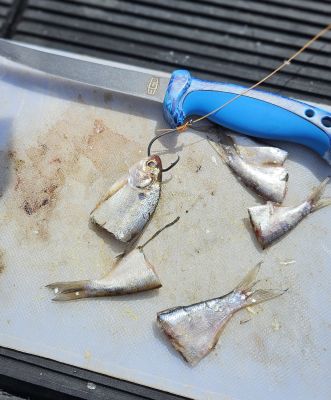
Downsize Your Bait: While they are aggressive, early-spring cats are often looking for easy, snack-sized meals. Use smaller chunks of cut bait or a single large nightcrawler to match the smaller forage active in the cooling-to-warming transition.
Identify “Staging” Wood: Channel cats love structure. Look for submerged timber or brush piles located near drop-offs. These act as waiting rooms where fish hold before moving into the extreme shallows to feed.
The High-Low Spread: When fishing from the bank, never put all your baits at the same distance. Cast one bait as far as possible toward the deep channel and place the second bait in the extreme shallows—often just five feet from the bank. In the spring, channel cats will move into incredibly shallow water to feed as the sun warms the mud. Using the EGO GRIPPER allows for a clean, mud-free release, preserving the fish and your gear.
The Sunset Surge: In the spring, the late-afternoon sun has had all day to bake the shallows. The final two hours of daylight often provide the most intense feeding window as fish move up to utilize the day’s peak thermal energy.
Stocked Water Strategy: In public community ponds or stocked lakes, spring channel cats often congregate near the fish feeders or the specific docks where they were originally released. These fish are habituated to human presence and specific drop zones. Target the perimeter of these structures during the low-light hours of dawn and dusk.
The High-Low Spread: When fishing from the bank, never put all your baits at the same distance. Cast one bait as far as possible toward the deep channel and place the second bait in the extreme shallows—often just five feet from the bank. In the spring, channel cats will move into incredibly shallow water to feed as the sun warms the mud. Using the EGO GRIPPER allows for a clean, mud-free release, preserving the fish and your gear.
Get a Grip: The EGO KRYPTEK ULTRA GRIP eliminates the risk of injury from sharp pectoral spines and abrasive sandpaper teeth. This tool provides a high-authority lock on the lower jaw, ensuring total control during hook removal.
PARTING WORDS
The spring channel catfish surge is more than just a seasonal shift—it is an explosive window of activity that offers remarkable consistency across North America. From the turbulent discharge of tailrace dams to the sun-warmed mud flats of local creeks, the metabolic drive of these fish creates a dense, predictable fishery that rewards preparation and efficiency. By aligning your strategy with these biological triggers—utilizing precisely sized terminal tackle and adapting to local water temperatures—anglers can capitalize on some of the most frantic feeding cycles of the year. Whether you are guiding a family toward their first shared memory on the water or targeting a personal best, the next sixty days represent the premier opportunity for consistent, rod-bending action.
ABOUT EGO Fishing
Fifteen years ago, we set out on a simple mission – to develop a better fishing landing net solution that addressed the many functional and performance problems that existed with the traditional products. What started out as a small landing net company has now grown into the innovation leader in the fishing net and accessories category of the sport fishing industry. EGO products are sold at most major sporting goods retail chains and are carried by a large network of distributors and independent dealers in the United States. Distribution has also grown internationally to include countries such as Canada, Russia, South Africa, South Korea and Japan.
Read the full article here