
For decades, California was hailed as the big bass bait capital. It was here where anglers first adopted the Japanese practice of using monster swimbaits to imitate large forage like adult trout. During the 1990s, these tactics were turning heads and producing huge bass, and my friend and well-known angler, Oliver Ngy, was on the ground floor of that movement as a kid.
Fast forward to 2026, however, and it’s hard to miss that the big-bait craze is sweeping the nation. Sure, it’s always been there, but large swimbaits, glide baits, and a host of other lures are more popular in Middle America and the Northeast than ever before. I’m a recent convert myself, but the truth is, what’s new to a guy like me (and maybe you) is old news for Ngy. He’s always looking ahead at the next wave of players in the big-bait game, so, with spring and ice-out fast approaching, there’s no better time to get hip to three baits he says even some of the most devoted big-bait chuckers are overlooking.
Listen to this episode of the Quick Strike on Apple, Spotify, or wherever you get your podcasts.
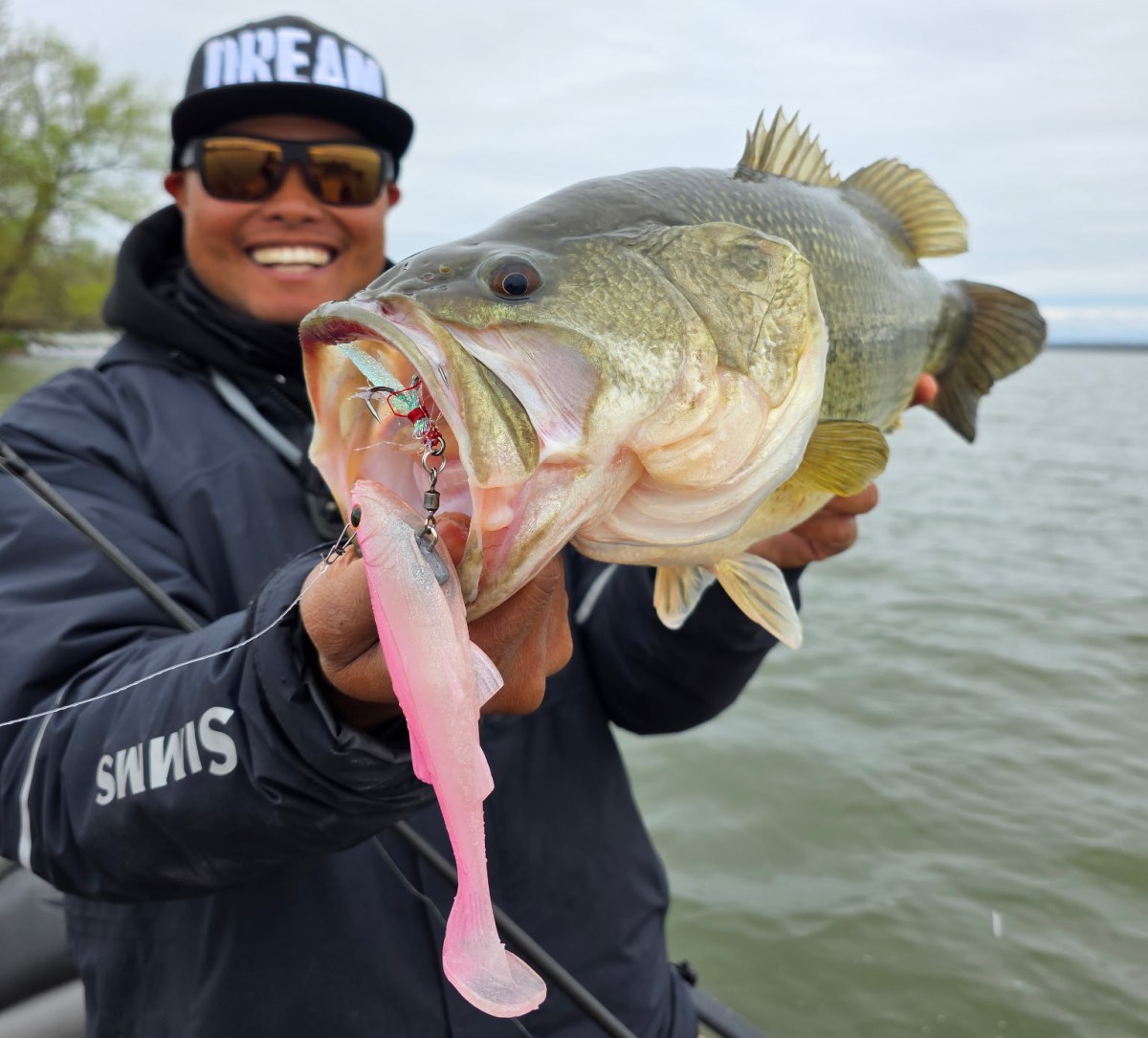
Harnessed Boot Tail Soft Swimbaits
Boot tail swimbaits are nothing new. In fact, they’re one of the oldest style of swimbaits on the market dating back to the Sassy Shad of the 1980s. Also referred to as paddle tail swimbaits, you can find them in sizes as small as a few inches to the length of a full-grown trout. On the bigger side of the spectrum, while the bait style may not be novel to trophy bass anglers, rigging them with what’s known as a harness has gotten more popular over the last few years according to Ngy, and opting for a harnessed bait has advantages.
“A harnessed swimbait has a treble hook in the belly,” he says. “They’re often free swinging but some baits even have magnets in the belly to keep that hook tucked in. That belly hook really helps with landing percentages because it’ll catch fish that may not have hit hard, and it gives the fish less leverage to shake the bait.”
Ngy says even this style of lure has been around a long time, but in more recent years, tournament anglers have begun leaning on big swimbaits, which has pushed the harnessed boot tail into the spotlight. With a treble hook underneath, it’s also more likely you’ll connect with smaller bass that take a shot, whereas other styles of big bait are better at sticking only true hogs. Ngy calls out the Biwaa Kapsiz and Megabass Magdraft as two of his top-producing harnessed boot tails.
Large Topwater Crawlers
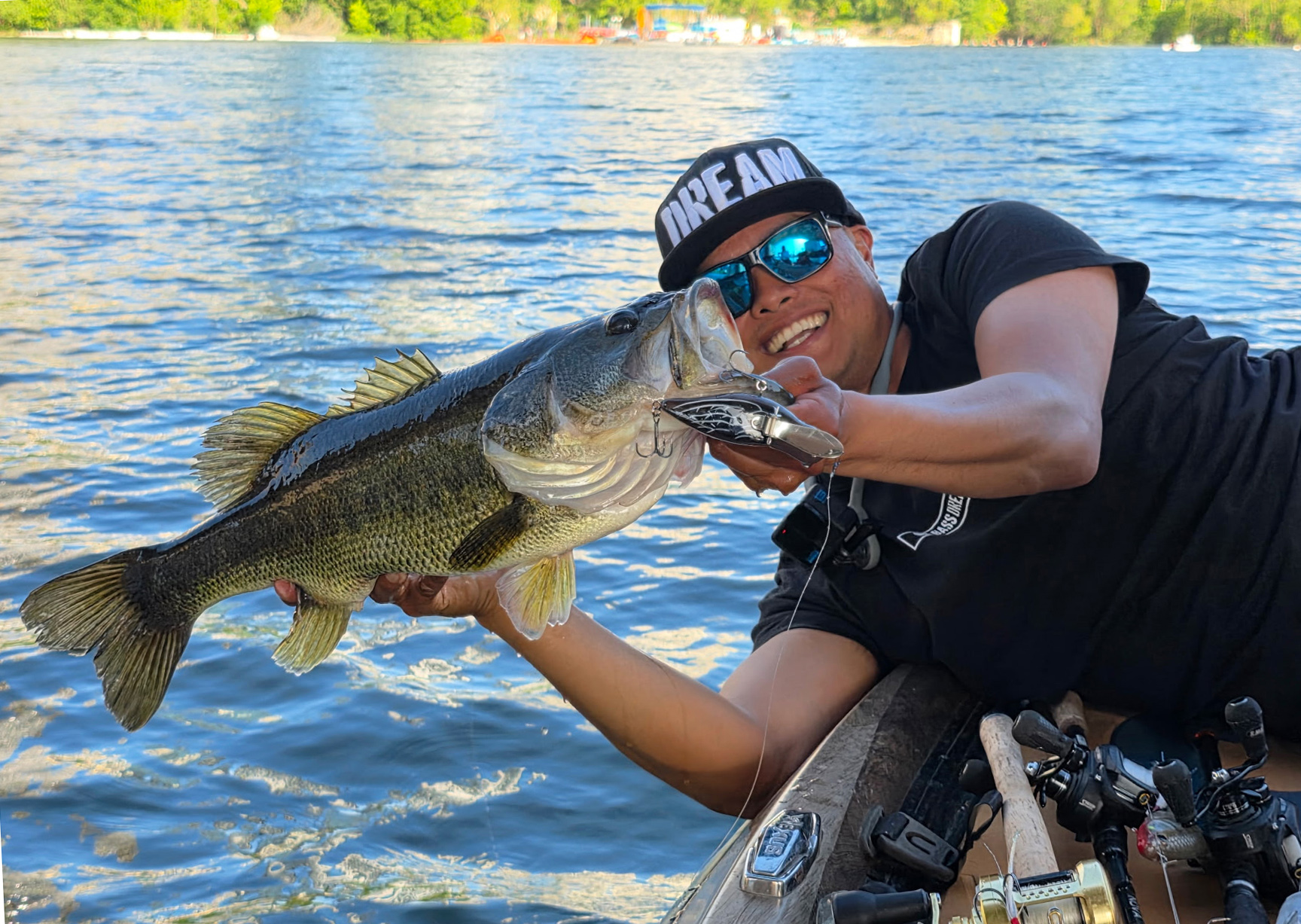
Introduced in 1940, the Heddon Crazy Crawler is an iconic lure. Defined by its metal wings that slap the water as it rolls and waddles across the surface, the Crazy Crawler is still in production today, though many anglers may not even know it because to most, this style of topwater is antiquated. It’s true that crawler-style lures have taken a deep back seat to more modern offerings, but Ngy is a huge fan of them. The difference is the crawlers he throws are massive, modern, and designed to draw up trophy-caliber bass.
“The Bird from Defiant is one of my favorite topwater baits, and that surprises some people,” Ngy says. “I first saw these large crawlers in Japan where they’re a big part of the bass culture, but what I think makes them so attractive is how they roll when you retrieve them. They’re also more versatile than other big topwaters like a Whopper Plopper. I can fish them at almost any speed.”
Action aside, Ngy is also a firm believer that bass simply don’t see crawlers much anymore, so while they may feel old to some anglers, they’re new to a lot of the fish. He loves to remind fishermen that a lure he or she hasn’t used in 15 or 20 years because you think it doesn’t work anymore, or even stopped working back then, is irrelevant because most of the bass you were throwing it at are long gone.
Multi-Jointed Hard Swimbaits
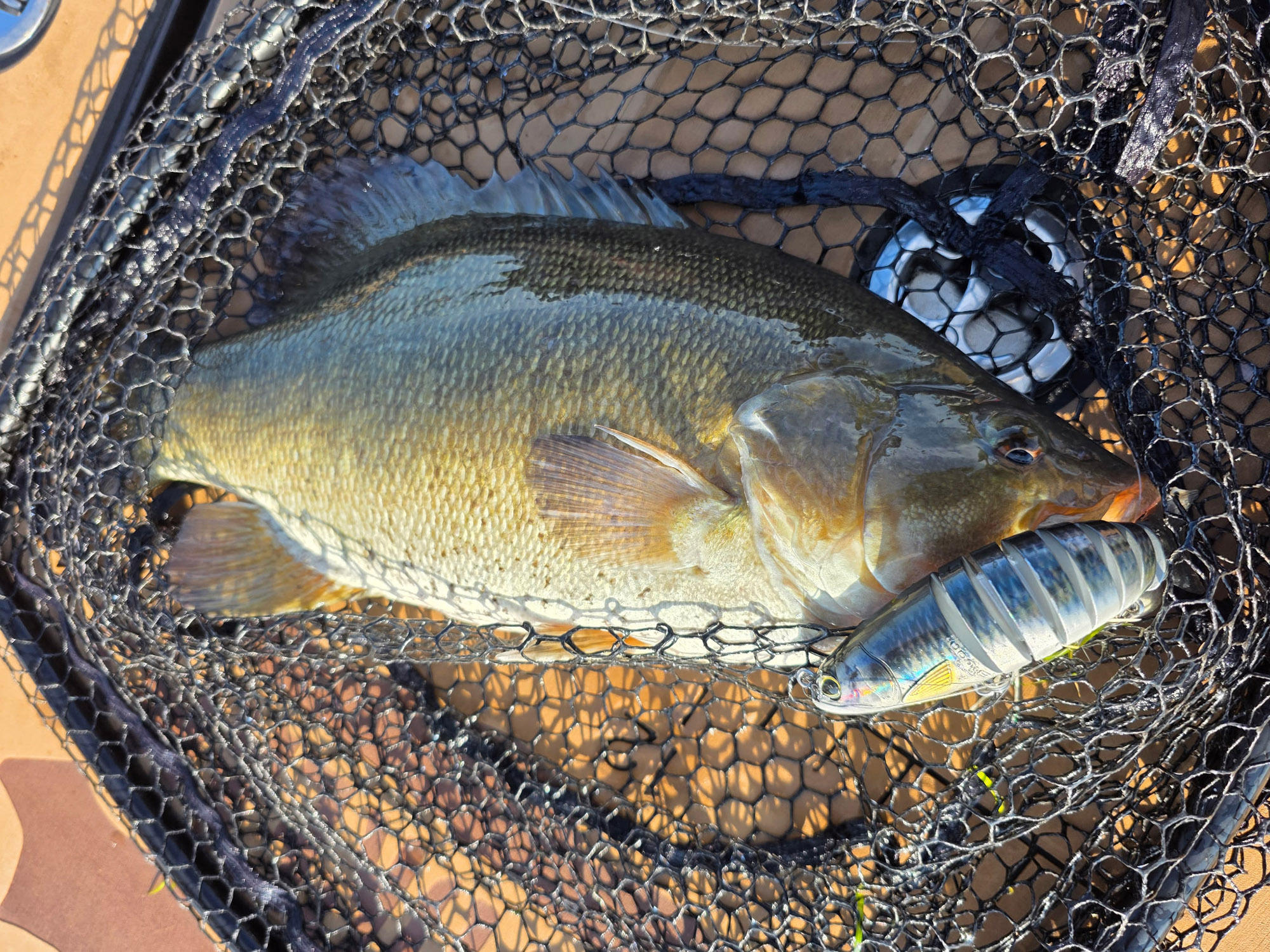
Hard swimbaits with 7 or 8 joints were a big deal in the early 2000s. When this bait style hit the scene, anglers were smitten by their rhythmic swimming action and ability to undulate in an S pattern as they moved. But then a funny thing happened. So many cheap knockoffs entered the arena, the market became so flooded, that these lures quickly became kind of uncool. So, when Ngy noticed they were beginning to make a comeback, he decided to give them another shot.
“It’s funny because I was the biggest hater of this genre of hard multi-segmented baits and just always thought they were gimmicky, chintzy, and cheap,” he says. “But when the Biwaa S-Trout came out, I decided to try them and found fish absolutely clobbered that lure. It has more of a minnow shape. I also had been hearing from a lot of anglers at shows and expos that this style of lure was really working well for them.”
A big difference between modern versions and old models is their versatility. A major complaint with earlier multi-jointed hard swimbaits was that they only performed well at high speed. But Ngy says tweaks to the buoyancy and overall design of the newer lures allows you to work them slower, incorporate pauses, or burn them to trigger savage strikes.
Read the full article here