
Last week on the Outdoor Life Podcast I talked to executive editor Natalie Krebs about the hottest debate in waterfowl hunting: whether the prevalence of flooded corn is shortstopping the migration in the Mississippi Flyway. Krebs interviewed a half-dozen waterfowl biologists on the matter and you can hear what they have to say about hot cropping and mallard migrations in the discussion below.
Despite good science on the subject, some folks believe — and will probably always believe — that flooded corn fields have ruined duck hunting in the Mississippi Flyway. I understand the sentiment here. The hunters who flood corn fields are typically landowners, outfitters, and Northerners. The heart of the narrative is that rich hunters have hoarded all the ducks for themselves, to the detriment of the average waterfowler.
While it’s clear that weather (or lack thereof) is the driving factor behind mallard migrations, I think there is some truth to this sentiment. I’ll admit that this is based purely on the conversations I’ve had with experienced hunters over the past several years, plus what I’ve seen myself. In most places, access is getting tougher to come by and there are fewer birds around. When there’s mild weather and a limited migration, hunting those few ducks on public water gets ultra competitive. All the while, great shoots can still be had on the right private lands. Here are a few anecdotes from the season:
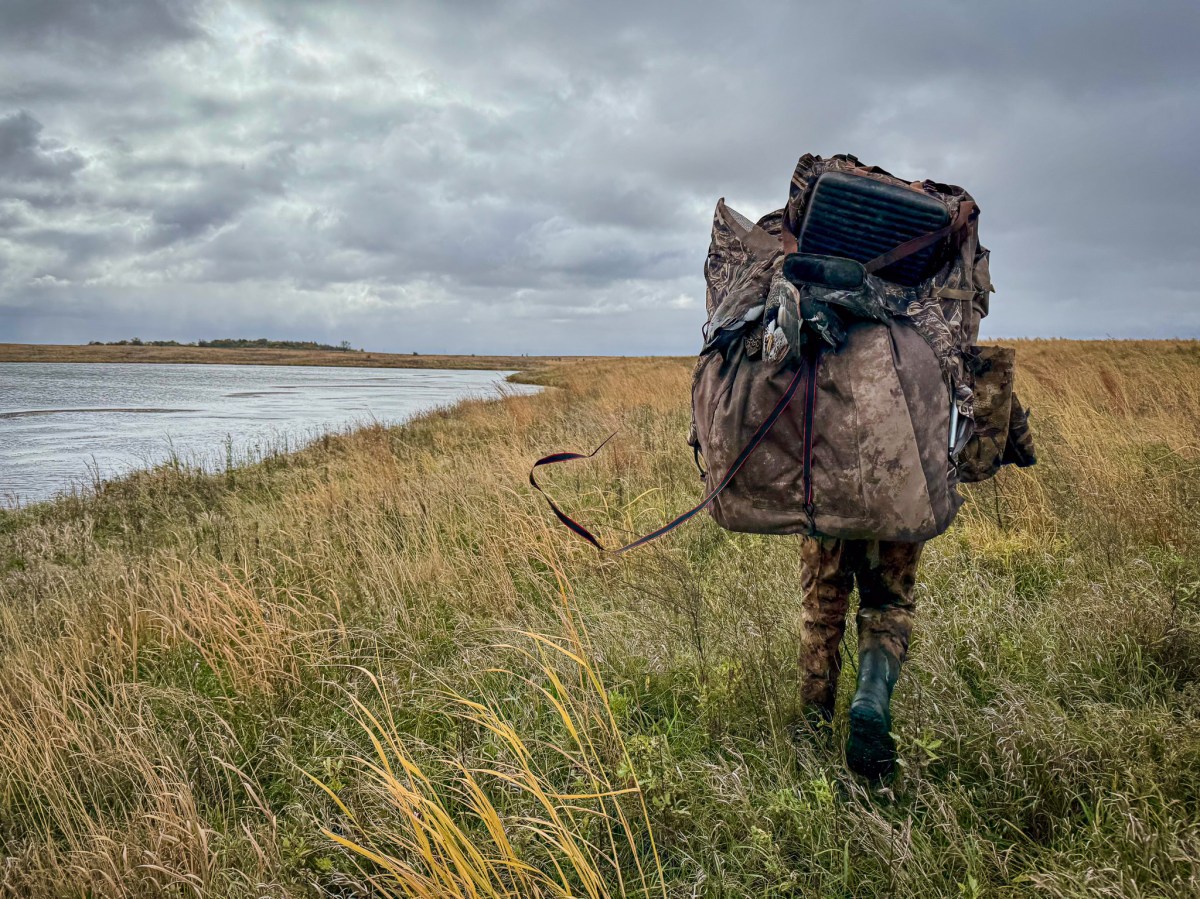
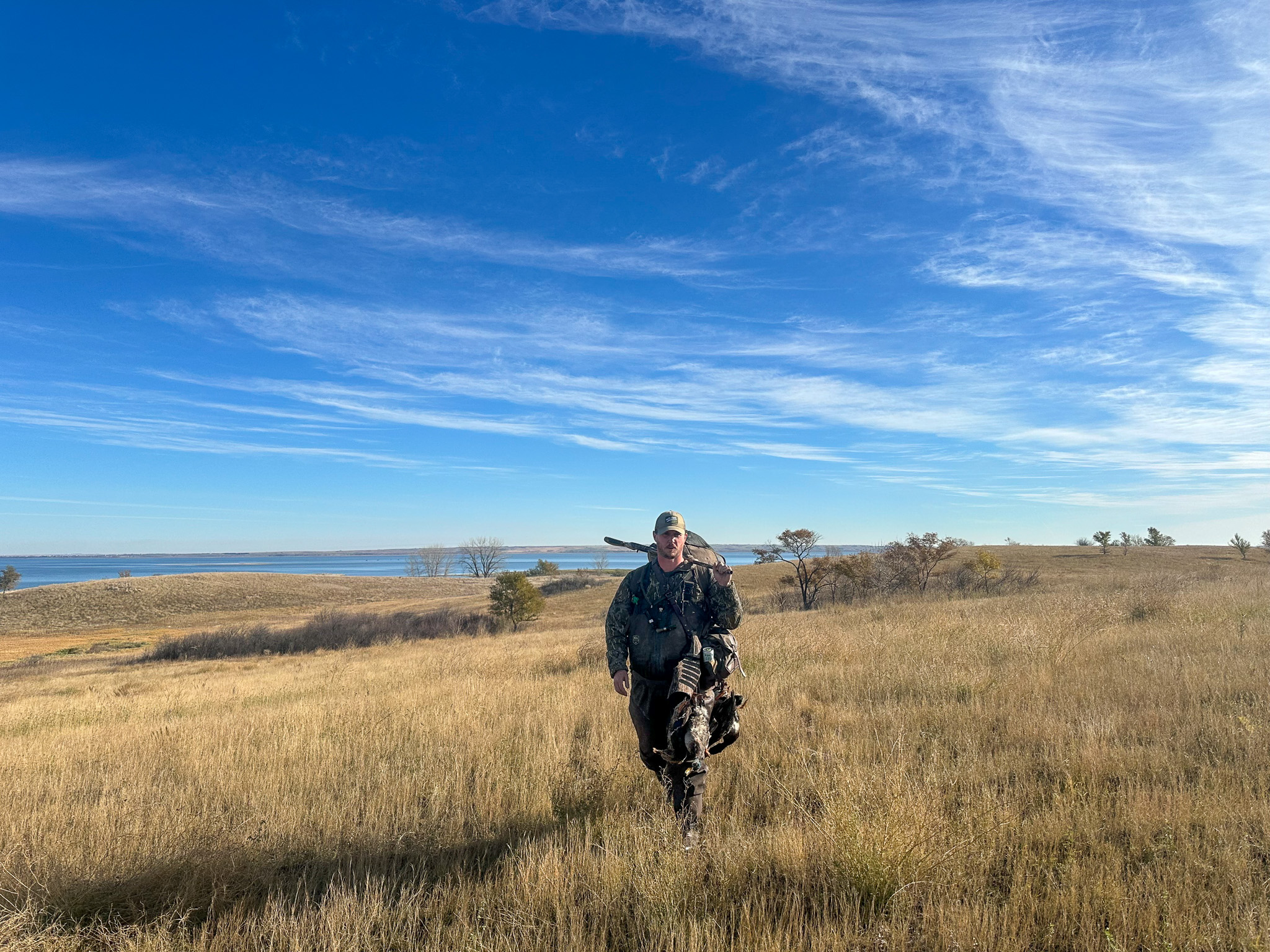
In early October my dad, cousin, and I traveled to North Dakota to hunt with a rancher who has become a family friend. We had a stretch of mild weather and the locals told us “there weren’t any ducks around.” But still we scouted hard and had fun hunts for teal and divers. We found only one big mob of mallards that were roosting on a large lake and then loafing and feeding in nearby sloughs. We watched them for days, and when they finally switched to a slough we could hunt, we hammered them. We had access only because we knew the rancher. A public-water hunter would have never been able to touch them.
In November I spent three consecutive days scouting my local river here in Minnesota. I covered more than 14 river miles and found exactly one huntable group of mallards. A couple buddies and I snuck into that backwater spot (on a Wednesday) and had a great hunt. We came back two days later (a Friday) to find two other groups of hunters targeting the same ducks at the spot. Luckily they were great guys and we were able to all work together so that everyone got some shooting. But those other hunters confirmed what I had found in scouting: This was the single spot on the river that held ducks. One of the guys commented that he’d never seen anyone else hunt that spot in the four years he’d been going there. He was pretty surprised to show up an hour before dark to find us already there.
The competition was fierce for hunters vying to hunt state-run areas, too. One morning in November, Krebs watched the poor line on a public hunting area in Missouri, where 141 hunting parties showed up for a chance to duck hunt just 26 spots — half of which were already reserved and not even included in that day’s lottery.
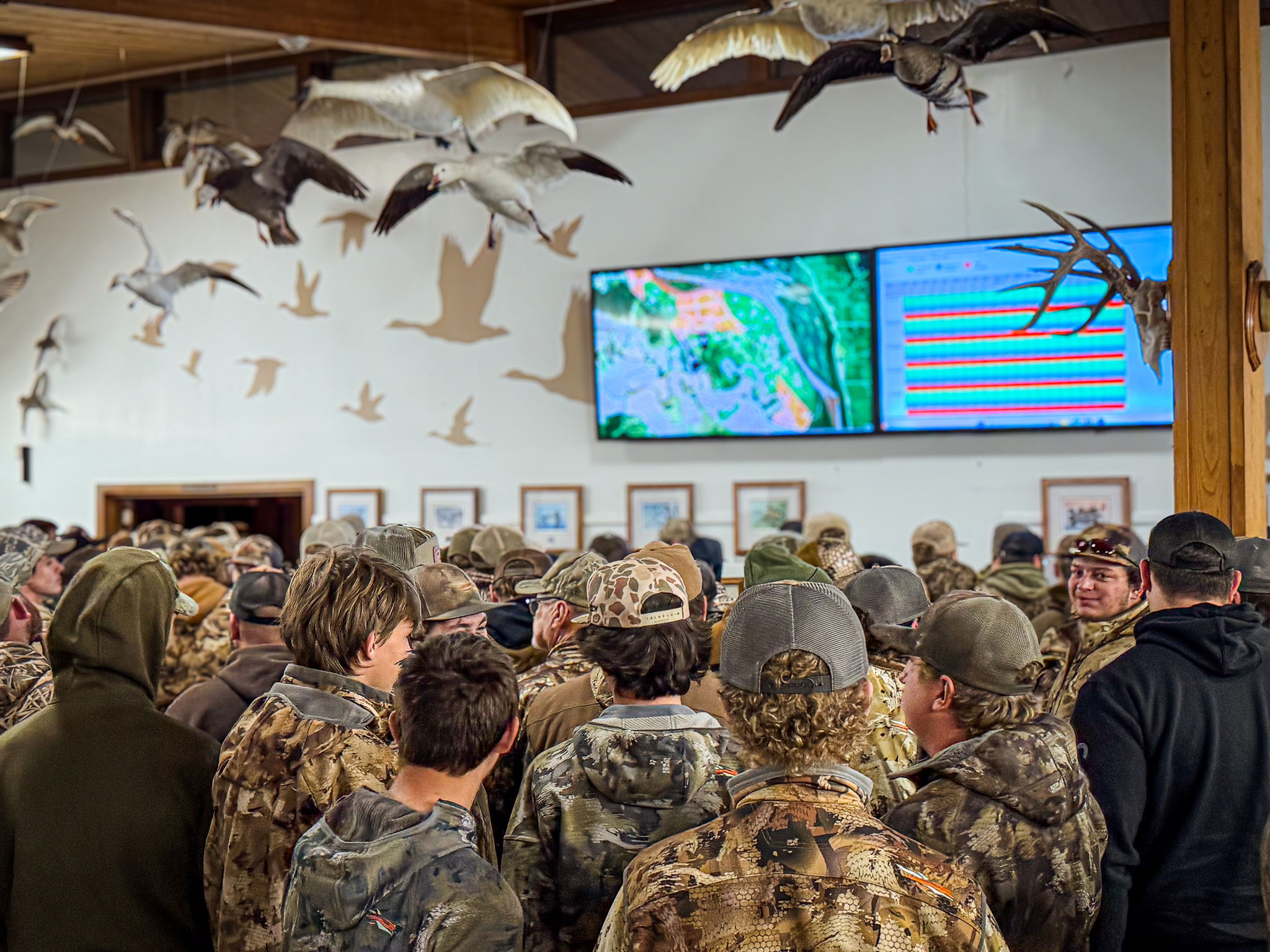
“This year, the Missouri public waterfowl areas were having almost three times as many hunters show up for the drawing at these public waterfowl areas than they had spaces for them to hunt,” says Jeff Watt, a private-land waterfowl manager of 1,700 acres in Missouri who has a close working relationship with the Missouri Department of Conservation.
In January I hunted with Pintail Hunting Club in Texas. I asked the outfitter how his season was going, expecting to hear the same old story of fewer birds and tougher hunts, but his report was almost the opposite. While they did have fewer birds overall, they were enjoying better hunts than ever before. After several years of intensive habitat management and reduced hunting pressure the ducks in the area were roosting and feeding on his land — and not leaving. A local hunter came along on the last morning and said she’d been out maybe a half-dozen times earlier that season on other properties without ever firing a shot. She, and everyone else at the Pintail Club, got her ducks that morning.
So what is a DIY hunter supposed to make of all this? A few thoughts that have been percolating all season:
Versatile hunters will still find success.
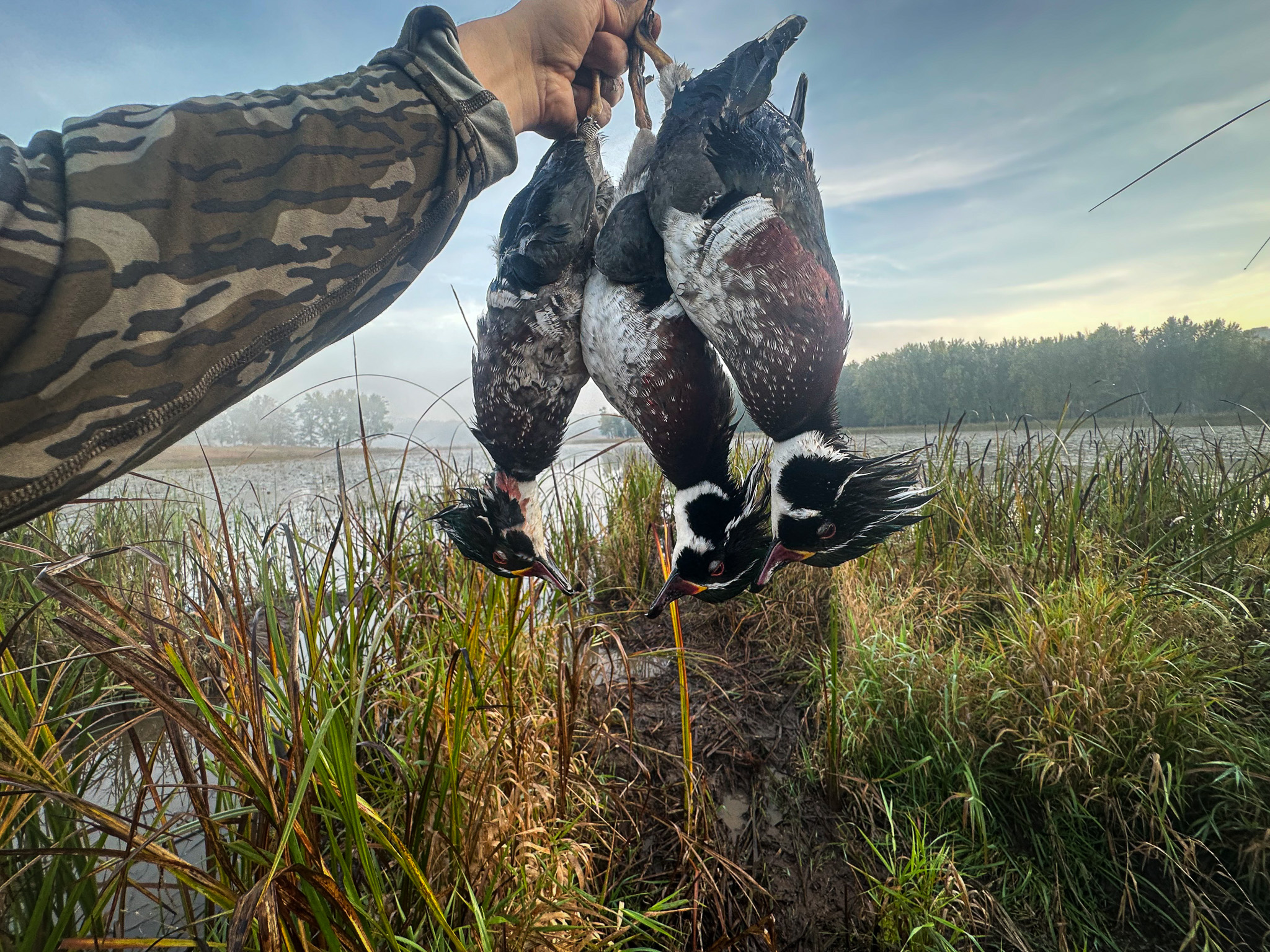
I was able to have a great duck season mostly because I’m happy to chase any waterfowl that flies. I planned hunts specifically for teal, wood ducks, and divers — along with greenheads, of course. Over the years I’ve seen that hunters who are willing to target big water, small water, and fields have the most consistent success. And most importantly, duck hunters who are willing and able to travel end up shooting the most ducks. Because the ducks are always somewhere — it just might not be on your home waters. So hunters who are able to hitch up the boat and hit the road (usually heading North and West) still get their birds.
We will have to recalibrate our expectations.
More and more, social media seems to be flooded with pile pics of eight dudes kneeling over a line of 40 greenheads. Sure, shoots like that happen, but not nearly as often as it might seem. (Look closely and you’ll see those same few images or videos shared over and over again). These days I think it’s much better to hunt in small groups. There are plenty of little backwaters all across the country that will hold enough ducks for two buddies and a dog. And it’s true that you still might have to hunt pretty damn hard just to get a couple birds out of those holes. For some of us, that’s just fine.
Sadly, I think over time many of the more casual duck hunters will phase out. They’ll stop getting invited to tag along (because there just aren’t enough ducks most days) or they’ll go on a few slow shoots and not come back. Or, maybe they’ll go out opening weekend and call it good after that. Those who can afford it will book a guided hunt, hopefully have a couple good days of gunning, and that will be their season.
Traditions might have to change.
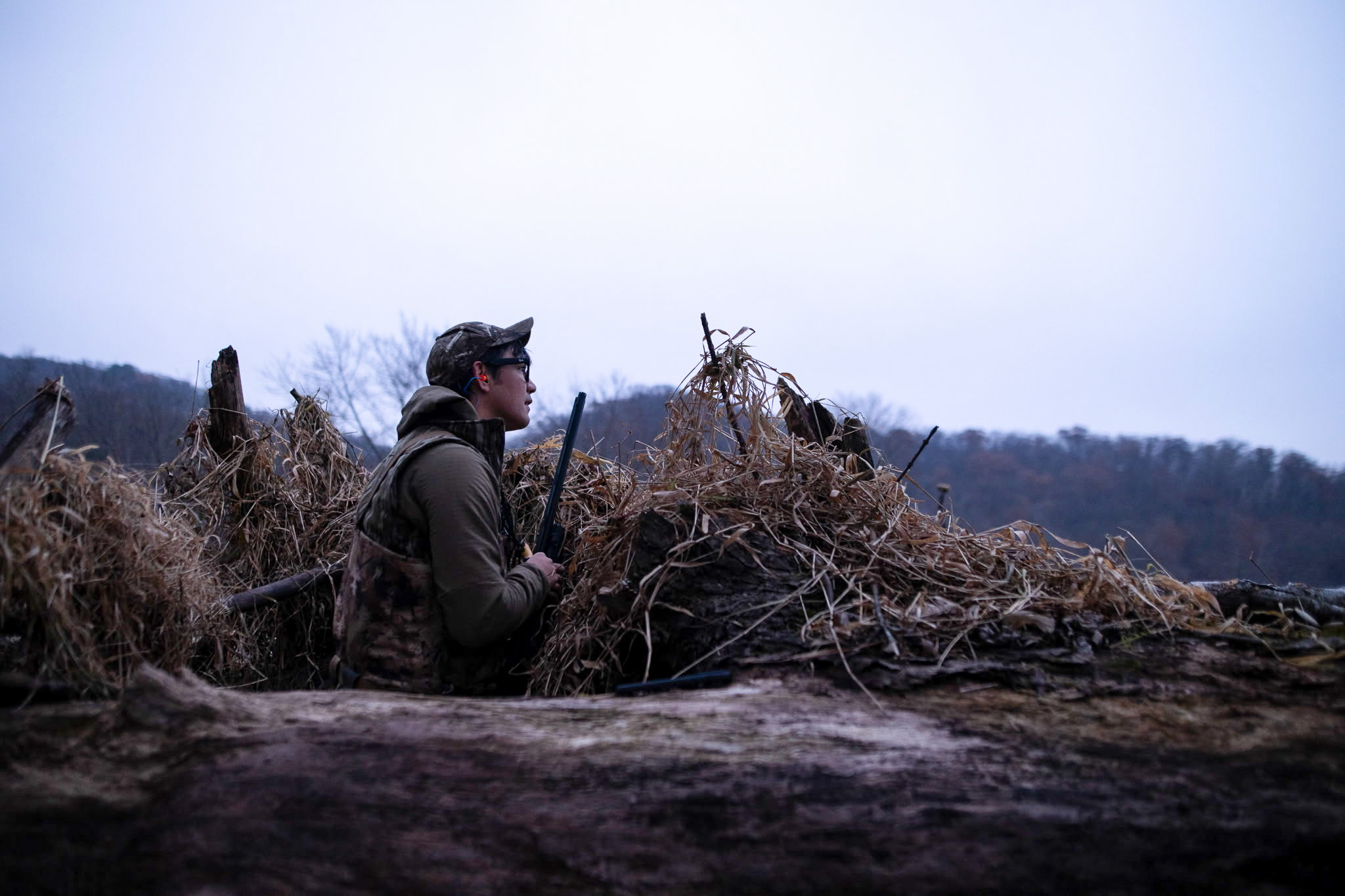
Duck hunting is steeped in tradition. And tradition, by its very definition, demands resistance to change. Meanwhile, the ducks, the habitat, and the weather are all changing with increasing velocity. Grandpa’s old blind location, or that annual holiday weekend at duck camp, just might not make much sense anymore. But if hunters are adaptable, new traditions will be born as others die.
Without landscape-level habitat improvements, the good old days aren’t coming back.
North Dakota has lost approximately 60 percent of its wetland habitat. The Gulf Coast has lost 40 percent of its capacity for wintering ducks. And these are just two examples of waterfowl habitat that’s disappeared around the continent. The harsh reality is that unless there are large investments in waterfowl habitat (think boosting CRP in the Farm Bill, coastal restoration, revitalizing wildlife refuges, and beyond) duck hunting is not going to get any easier any time soon.
Read the full article here