

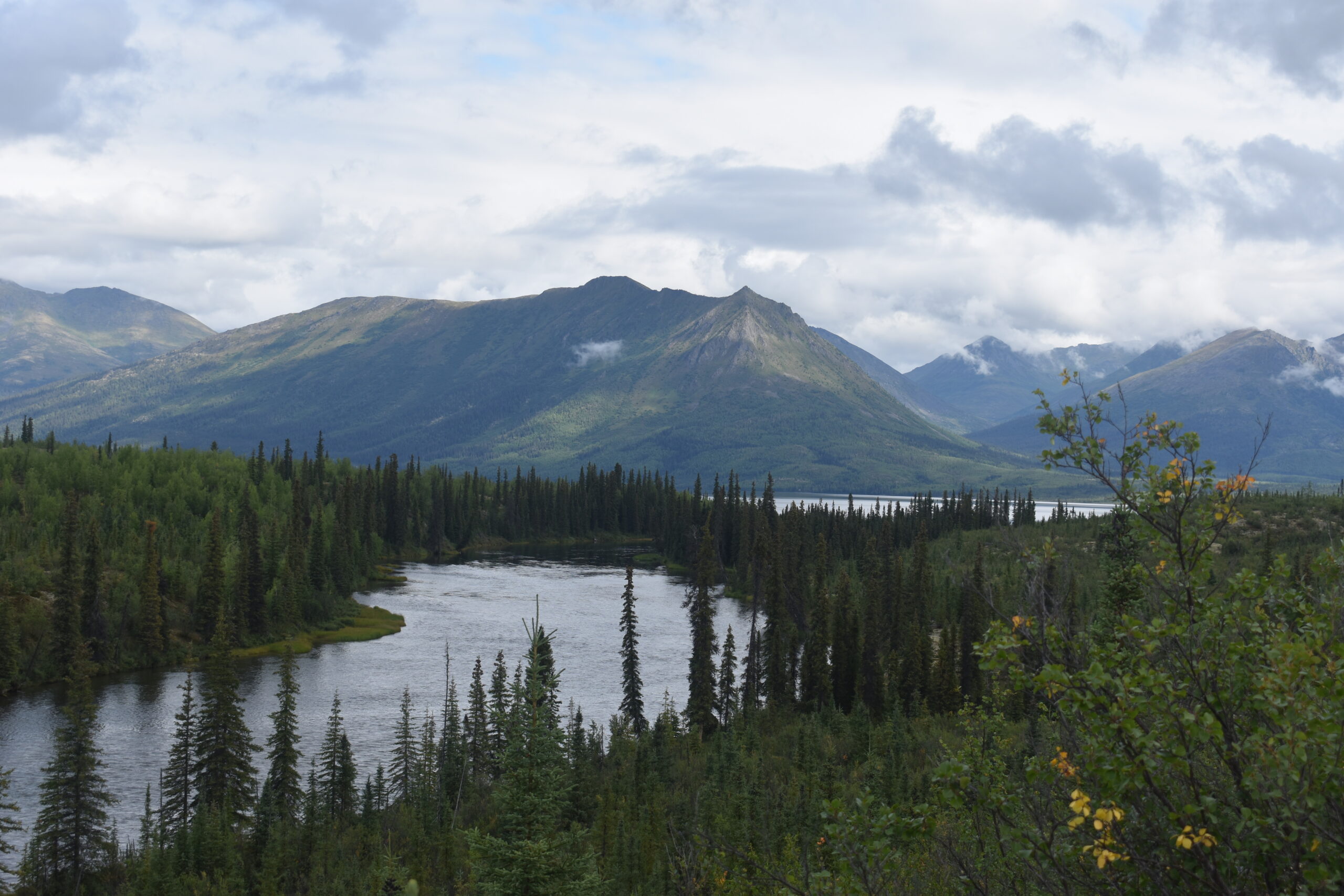
On September 18, the US Army Corps of Engineers opened a 45-day public comment period for a large open-pit mining project in the foothills of Alaska’s famed Brooks Range. Known as the Arctic Mine Development Project, it would have “a total disturbance footprint of approximately 1,727 acres,” the Army Corps reports. But it would only be possible after construction of the 211-mile Ambler Road.
Wetlands at Risk
The Environmental Impact Statement (EIS) and the attached comment period are required under Section 404 of the Clean Water Act. That’s because the mine would sit atop hundreds of acres of wetlands and associated waterways in the Brooks Range. The proposed project site is in northeast Alaska near the village of Ambler.
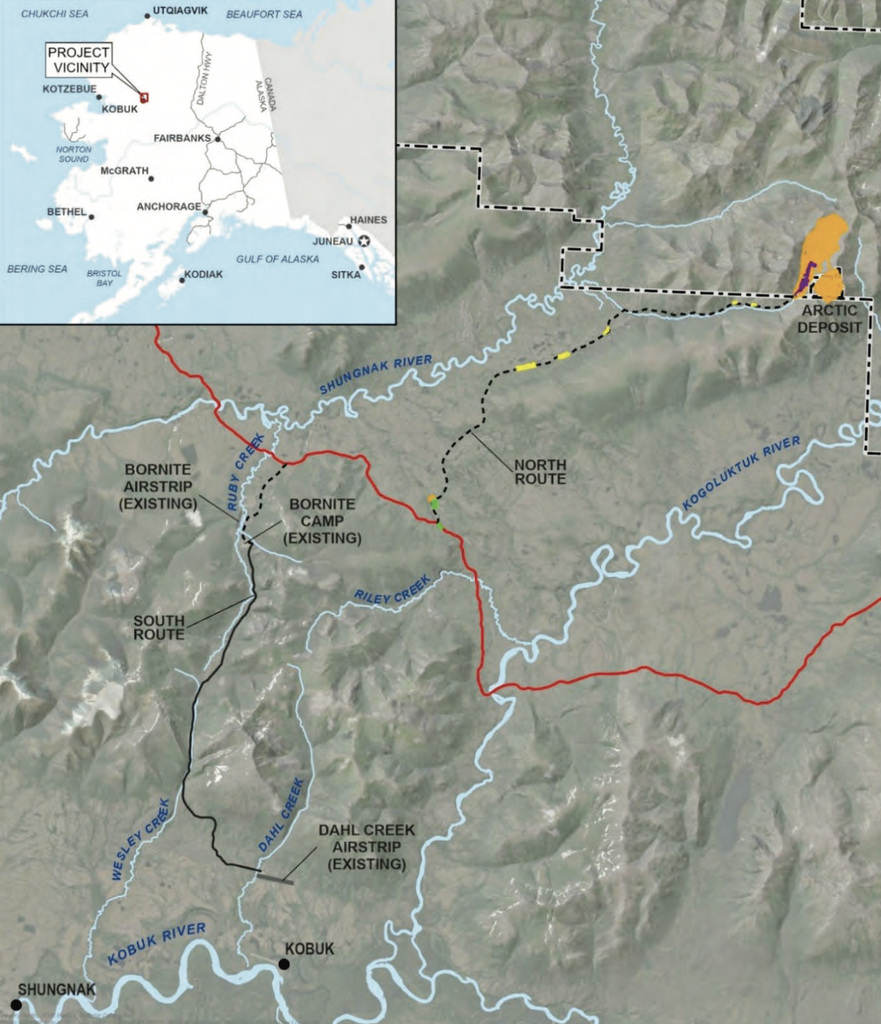
“Tailings would be stored within an engineered tailings management facility at the headwaters of Subarctic Creek,” the EIS states, “and would be supported by an engineered dam, an adjacent waste rock facility, and the natural topography of the surrounding steep valley walls.”
The EIS names Ambler Metals as the LLC that would develop the open-pit mine. Ambler Metals is a joint venture owned equally by Trilogy Metals (based in Vancouver, Canada) and South32 (based in Perth, Australia). Notably, the US Department of War recently invested $35.6 million in Trilogy Metals, securing a “10% ownership stake in the company,” according an August press release.
Ambler Road Connection
The EIS says an adjacent air strip would connect the mine to the Ambler Access Project, otherwise known as the Ambler Road. This proposed road has been a source of major controversy in conservation circles for years.
At 211-miles long, it would require close to 20 million cubic yards of gravel to construct. Once complete, the massive gravel road would cut across 3,000 streams and bisect pristine Arctic terrain important to indigenous subsistence hunters, visiting hunters and anglers from the Lower 48, and local Alaskans. It would also cut through Gates of the Arctic National Park and Preserve.
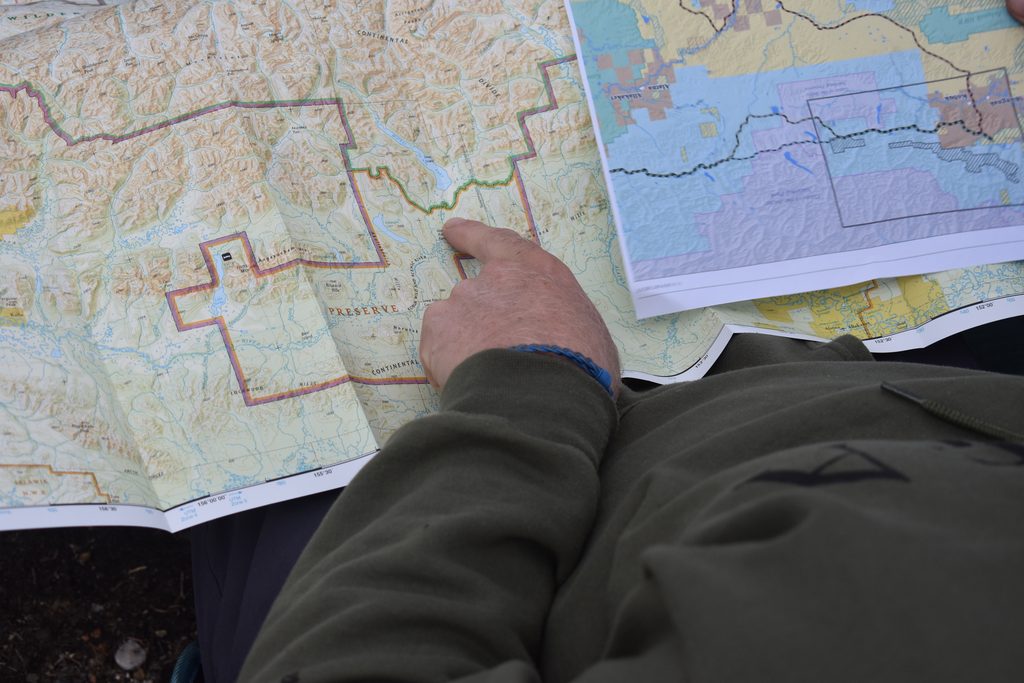
During the Biden Administration, the Bureau of Land Management (BLM) denied a key permit for the Ambler Road citing its potential to disrupt caribou migration patterns and its “severe unmitigatable risks” to the regional fishery, which includes one of the best Arctic grayling destinations found anywhere in the world.
The Trump Administration reversed that decision in October 2025. Supporters of the reversal say the Ambler Road could ensure national energy dominance, secure critical mineral supply chains, and create jobs.
Opponents of the Ambler Road, like Hunters & Anglers for the Brooks Range (HABR), a coalition of 107 hunting-and-fishing brands and conservation groups, disagree. They say the risks of the road and its associated mining projects far outweigh any conceivable rewards. They also believe the mining complex would ultimately benefit foreign nations—Australia, Canada, and China—while leaving Americans on the hook with a severely degraded Brooks Range.
A Local Hunter’s Perspective
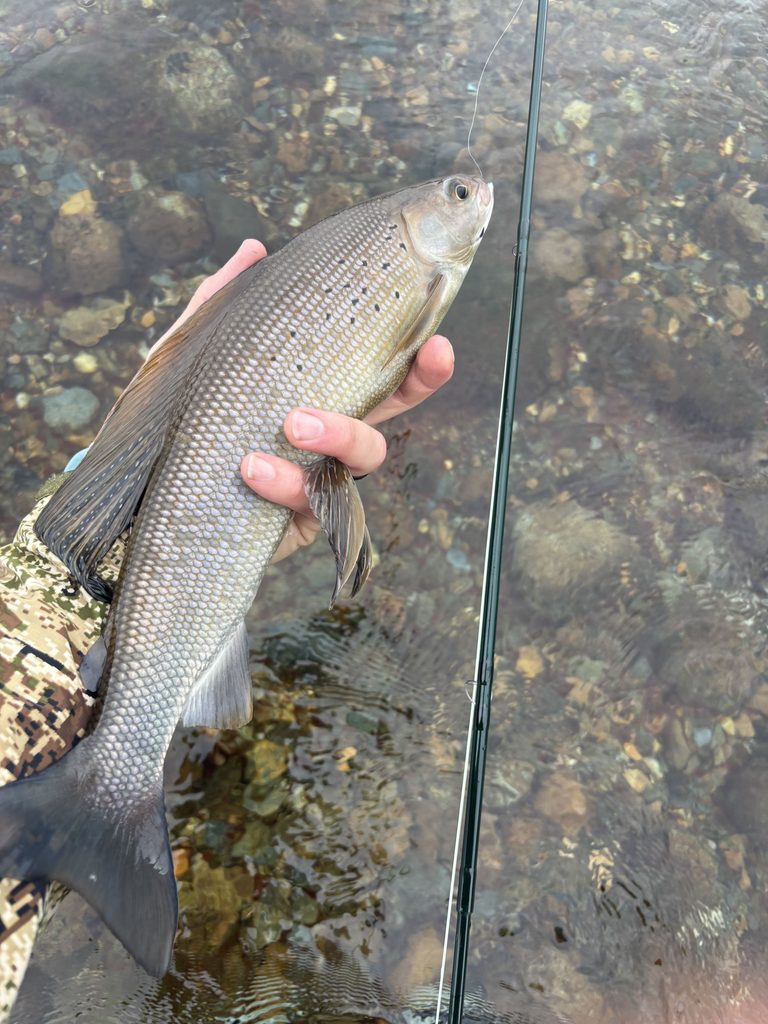
Barry Whitehill is an Alaskan and longtime Brooks Range hunter who has spent decades exploring the area. Before retiring, he was the Deputy Refuge Manager of the Yukon Flats National Wildlife Refuge, just east of the nearby Dalton Highway.
In a recent interview with Hunters and Anglers for the Brooks Range, Whitehill said he dreads the idea of the Ambler Road. “It would damage the hunting and fishing opportunities for locals and visitors,” he said. “Over the years, I’ve gotten to know a lot of Alaska Natives who are devastated by how the road would threaten their subsistence lifestyle.”
Whitehill hunts for caribou and moose in the Brooks Range, often floating in on one of the areas many rivers, or using his team of sled dogs to reach remote, unroaded country. He also guides combat veterans, some suffering from PTSD, on multi-day, hunting-and-fishing excursions in the Brooks. He likens the area to what Lewis and Clark must have seen when they looked out over the Upper Missouri River in the early 1800s.
“The Ambler Road would go through the heart of our best wild public lands for what? Foreign-owned mines. That’s ridiculous,” Whitehill said. “Hunters and anglers from the Lower 48 come up to the Brooks Range to make an adventure that they’ve often spent a lifetime dreaming about. The road and the ensuing development that will come will destroy that dream. It’s the last of the last of the real wilderness. Once it’s gone, we’re not getting it back.”
Read Next: Massive Data Center Proposed for Public Lands in Idaho
The public has until November 2 to comment on the proposed Arctic Mine Development Project. Conservation groups are encouraging people to weigh in on the Ambler Road as well. If you’d like to participate, you can do so here.
P: content_feds-announce-mine-plan-tied-to-ambler-road | F: content_public-lands-waters
Recommended Products
Read the full article here