

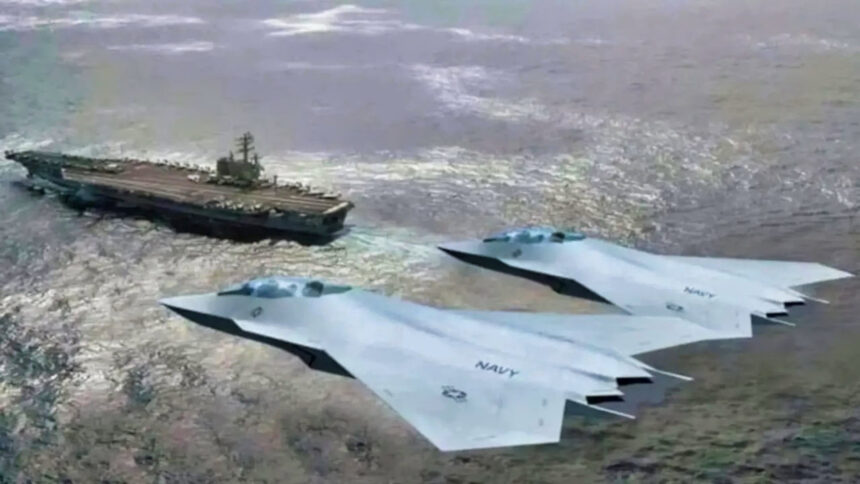
The Department of Defense has selected Boeing to manufacture the U.S. Navy’s newest fighter, the F/A-XX, edging out Northrop Grumman. The contract, valued at $20 billion, covers the procurement of “multiple” aircraft that the department specified would be used for testing “ground, airworthiness, systems, and weapons integration testing.”
“The F/A-XX will provide advanced carrier-based power projection that extends the range of the most agile and survivable airfields: U.S. Navy carriers. In addition, F/A-XX will be interoperable with manned and unmanned platforms such as Collaborative Combat Aircraft (CCA) and increase the capability of every CCA it teams with.”
FA-XX from Boeing
“This achievement marks a new era for the U.S. Navy,” said acting Secretary of the Navy Hung Cao in the U.S. Department of Defense award announcement. “The Sixth-Generation fighter is a generational leap in air superiority and will provide the world’s best aviators with unparalleled capabilities to fight, win, and come home safe. We are excited to partner with Boeing, and for our warfighters to continue to dominate the skies and defeat our nation’s enemies.”
Many Aspects Still a Mystery
What the still provisionally named F/X-XX will ultimately look like remains to be seen, however. The Boeing press release announcing the company’s tender win explained that “the technical and programmatic details of F/A-XX remain classified under U.S. national security and export laws.”
Although Boeing released an image with their announcement that shows a previously unknown aircraft on a U.S. Navy aircraft carrier flight deck, that image is likely purely provisional and not representative of what the F/A-XX will ultimately look like.
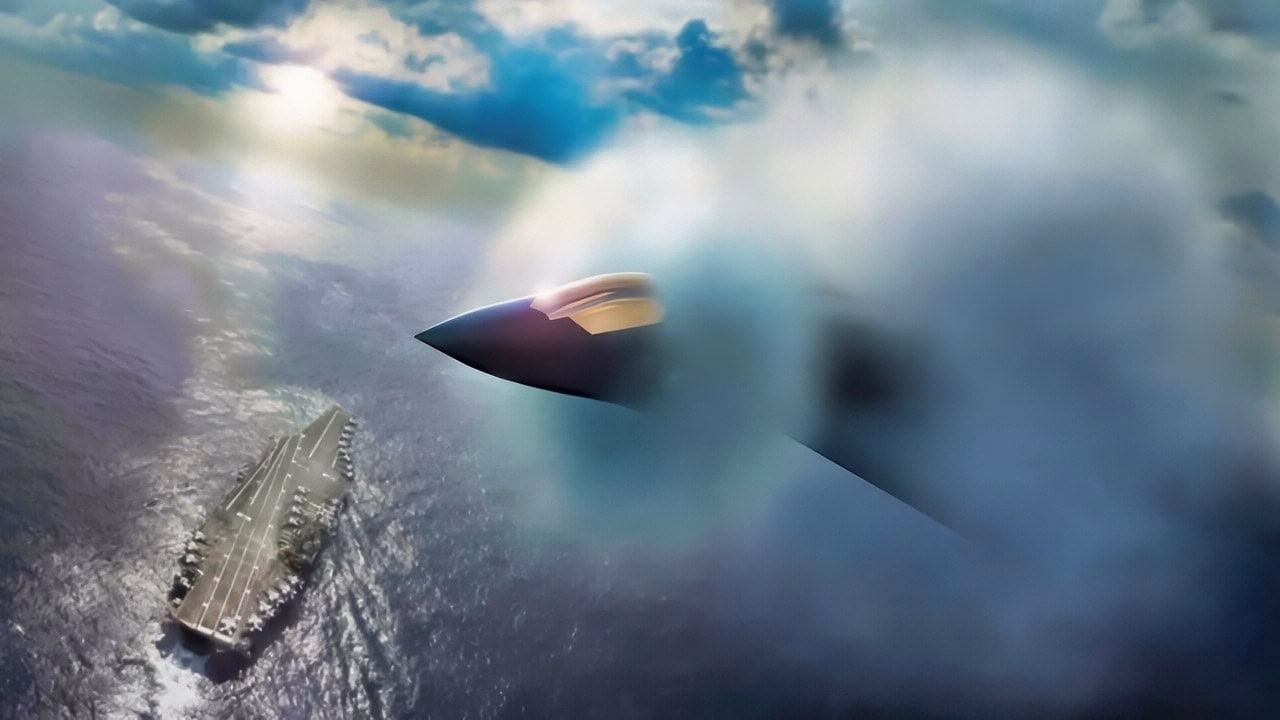
F/A-XX Boeing Image.
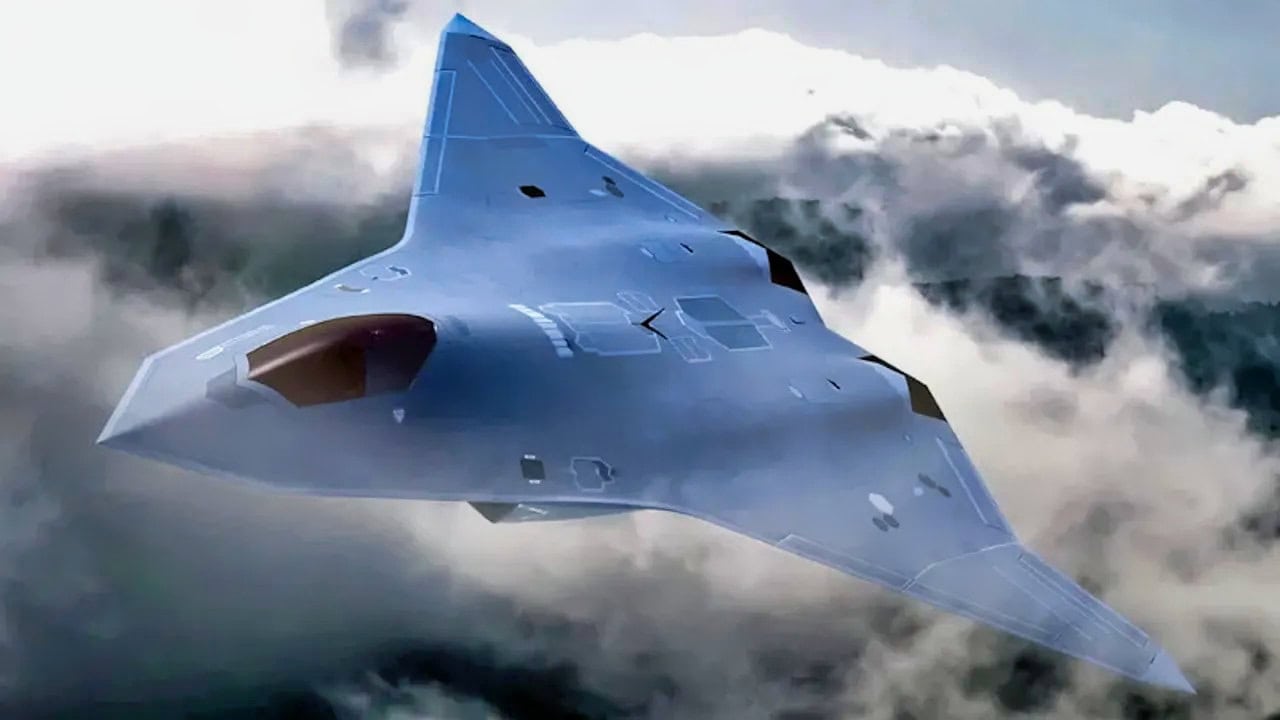
F/A-XX. Image Credit: Creative Commons.
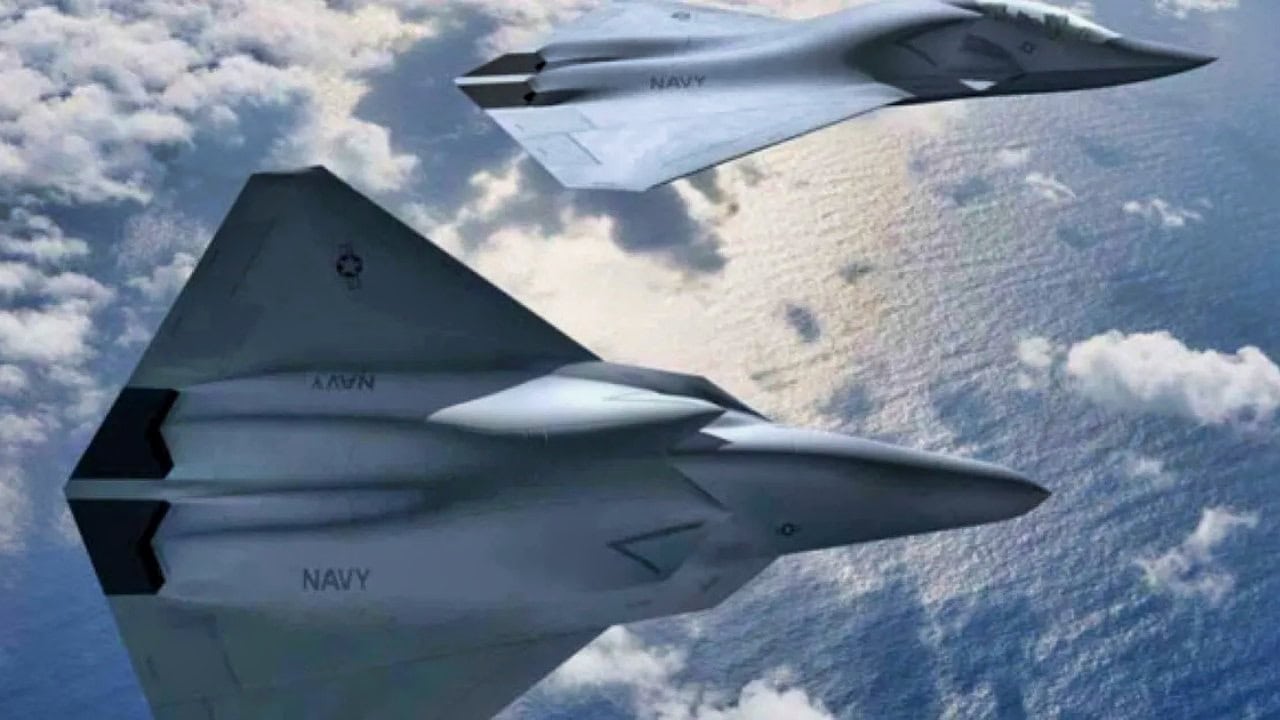
F/A-XX Fighter. Image Credit: Boeing.
The U.S. Navy’s First Sixth-Generation Aircraft
While the exact specifics of what the F/A-XX will look like remain, for now, unclear, what the F/A-XX is expected to do — what role it will fill — within the United States Navy is somewhat clearer.
As a sixth-generation aircraft, the F/A-XX is expected to offer a boost in radar-mitigation stealth capabilities beyond today’s crop of fifth-generation stealth aircraft, such as the F-35 and F-22 Raptor, multi-role fighter and air superiority platforms, respectively. Some of the images released by Boeing suggest that the F/A-XX will lack the stabilizers seen on both of those aircraft. Should that be the case, the F/A-XX would certainly present a smaller target to adversary radar and have fewer surfaces that could reflect radar.
But it would also boost fuel efficiency and range. Boosting the range of future aircraft has been a primary focus of speculation for the F/A-XX program.
As the United States Navy and Marine Corps pivot toward the Indo-Pacific and a potential future clash with China in that region, the range of American fighter aircraft has come under fire. Given the vast distances aircraft in the Indo-Pacific would have to travel, range is hugely important.
Multiple Boeing Wins
The F/A-XX contract award would be an enormous win for any defense prime, but for Boeing it represents a gigantic coup.
Just last year, the prime pushed out Lockheed Martin, another aerospace prime, to win the Next Generation Air Dominance program. Known as NGAD, the U.S. Air Force ran the competition to find a replacement for the F-22 Raptor fleet.
Though considered the stealthiest, most capable air superiority fighter in the world, the Raptor fleet is, at fewer than 190 aircraft, rather small and has no active production line.
The Department of Defense dubbed Boeing’s NGAD winner the F-47, and the aircraft is believed to have already entered the production and flight-testing stage.
“It’s an honor to be selected to produce the Navy’s first sixth-generation platform. Backed by decades of work, bolstered by game-changing innovations and solidified by the investments we’ve made in new facilities uniquely suited to build multiple products with next-generation capabilities, our dedicated and talented team is ready to execute this critical program,” said Steve Parker, the president and chief executive officer, Boeing Defense, Space & Security.
Boeing appears set to have a virtual stranglehold on the sixth-generation fighters that will enter service with the United States Air Force, U.S. Navy, and potentially the U.S. Marine Corps.
Northrop Grumman, however, is manufacturing the United States Air Force’s upcoming sixth-generation stealth bomber, the B-21 Raider.
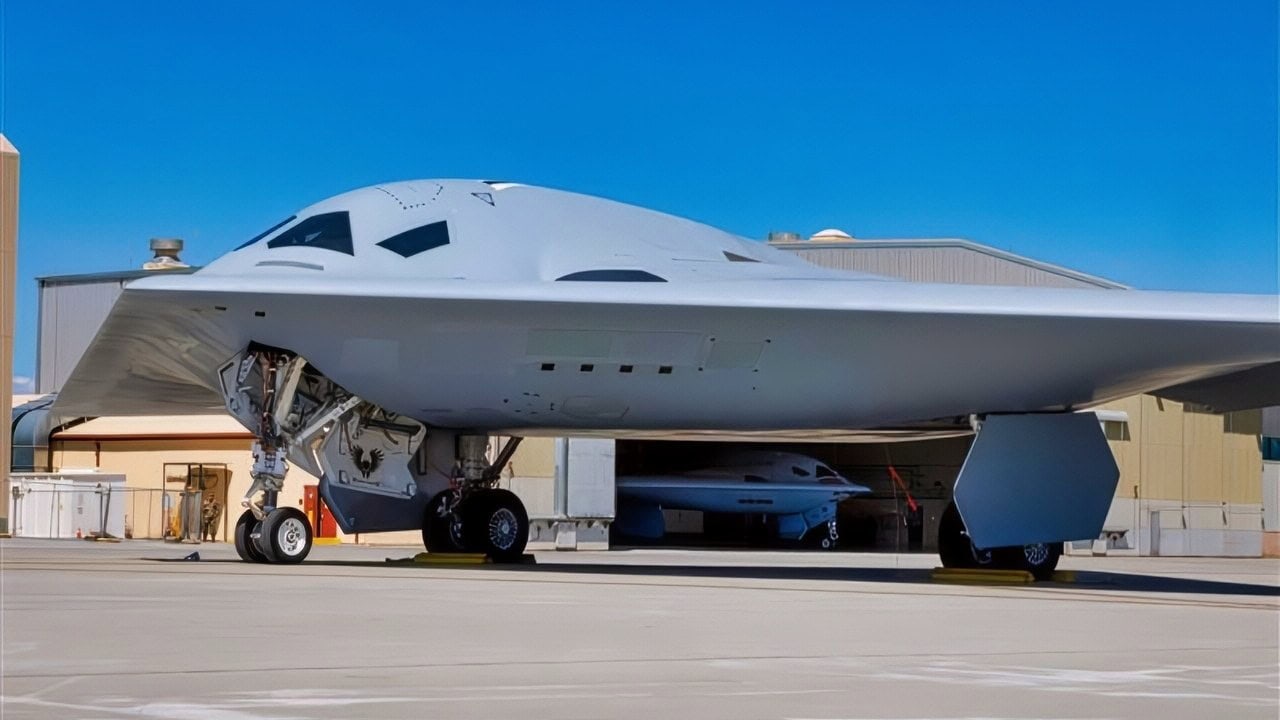
A second B-21 Raider, the world’s sixth-generation stealth bomber, test aircraft arrives at Edwards Air Force Base, Calif., Sept. 11, 2025. The addition of the second test aircraft expands mission systems and weapons integration testing, advancing the program toward operational readiness. (Courtesy photo)
“Delivering two advanced fighters in parallel was always our plan, and we invested accordingly. We are ready and able to build multiple concurrent future combat aircraft franchise programs,” Parker explained.
About the Author: Caleb Larson
Caleb Larson is an American multiformat journalist based in Berlin, Germany. His work covers the intersection of conflict and society, focusing on American foreign policy and European security. He has reported from Germany, Russia, and the United States. Most recently, he covered the war in Ukraine, reporting extensively on the war’s shifting battle lines from Donbas and writing on the war’s civilian and humanitarian toll. Previously, he worked as a Defense Reporter for POLITICO Europe. You can follow his latest work on X.