
Deer hunters are no different than anyone else; we sometimes embrace certain dogmas without giving them enough careful thought. One of the early-season bowhunter’s most accepted mantras is to avoid mornings hunts, for fear of bumping a target buck and disrupting a pattern that makes him more vulnerable in the afternoon. I’ve not only written that advice, I’ve mostly followed it in my own hunting.
But every rule has its exceptions. While there are loads of situations when it would be absolutely dumb to push the envelope and set up on an early-season buck in the morning, there are also a handful of times when it can not only work, but can even be your best move. Here’s a look at five.
1. When you have a secondary food source pinned.
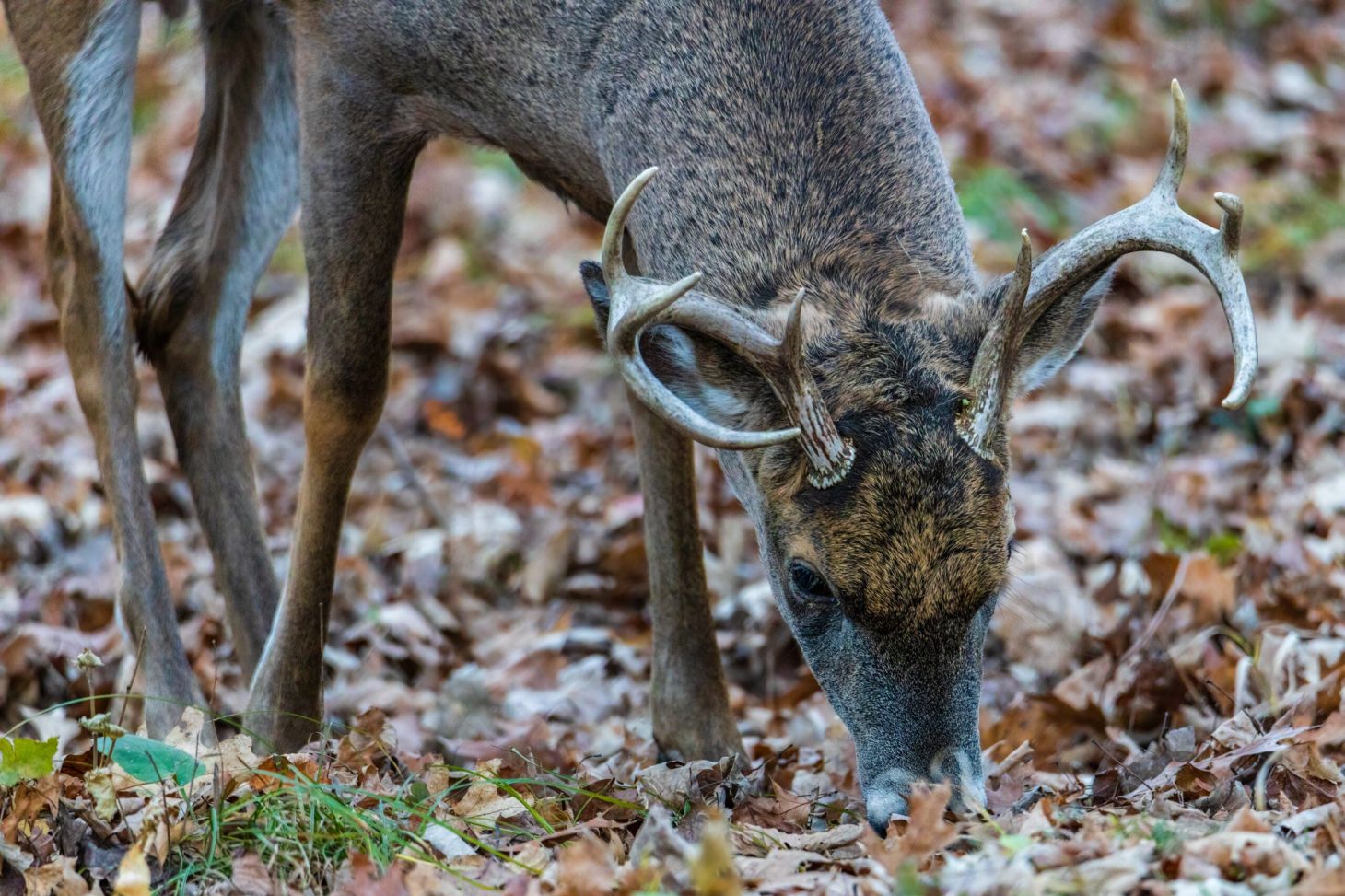
The main reason for not hunting mornings in the early season is to avoid bumping a buck off a primary food source, which he might be feeding in, or lingering near, at dawn. And it’s true that staying off a primary food source in the morning is almost always a great idea. But while a buck might be scarfing alfalfa or soybeans at first light, he may well move to a secondary food source on his way back to bed. If you can find that spot and a good setup, wiggling in there in the pre-dawn can result in a perfect encounter.
An oak stand is a perfect example. Munching on acorns can keep a buck preoccupied for quite a while if conditions are right (see below), and a stand hung near feeding or buck sign can produce in the morning. Other likely secondary food sources include small kill plots, isolated fruit trees, or areas of recent logging or other openings in the timber where deer often nose around for browse, grass, and forbs to nibble on as they head back to their daytime sanctuaries.
Creating mock scrapes in or near these hidden food sources—especially in spots conducive to hanging a stand—is an excellent way to make a morning buck dawdle for a while as he checks out the new competition in the neighborhood.
Related: How to Hunt Early Season Deer: 10 Expert Tips
2. When you have a bullet-proof entry and exit.
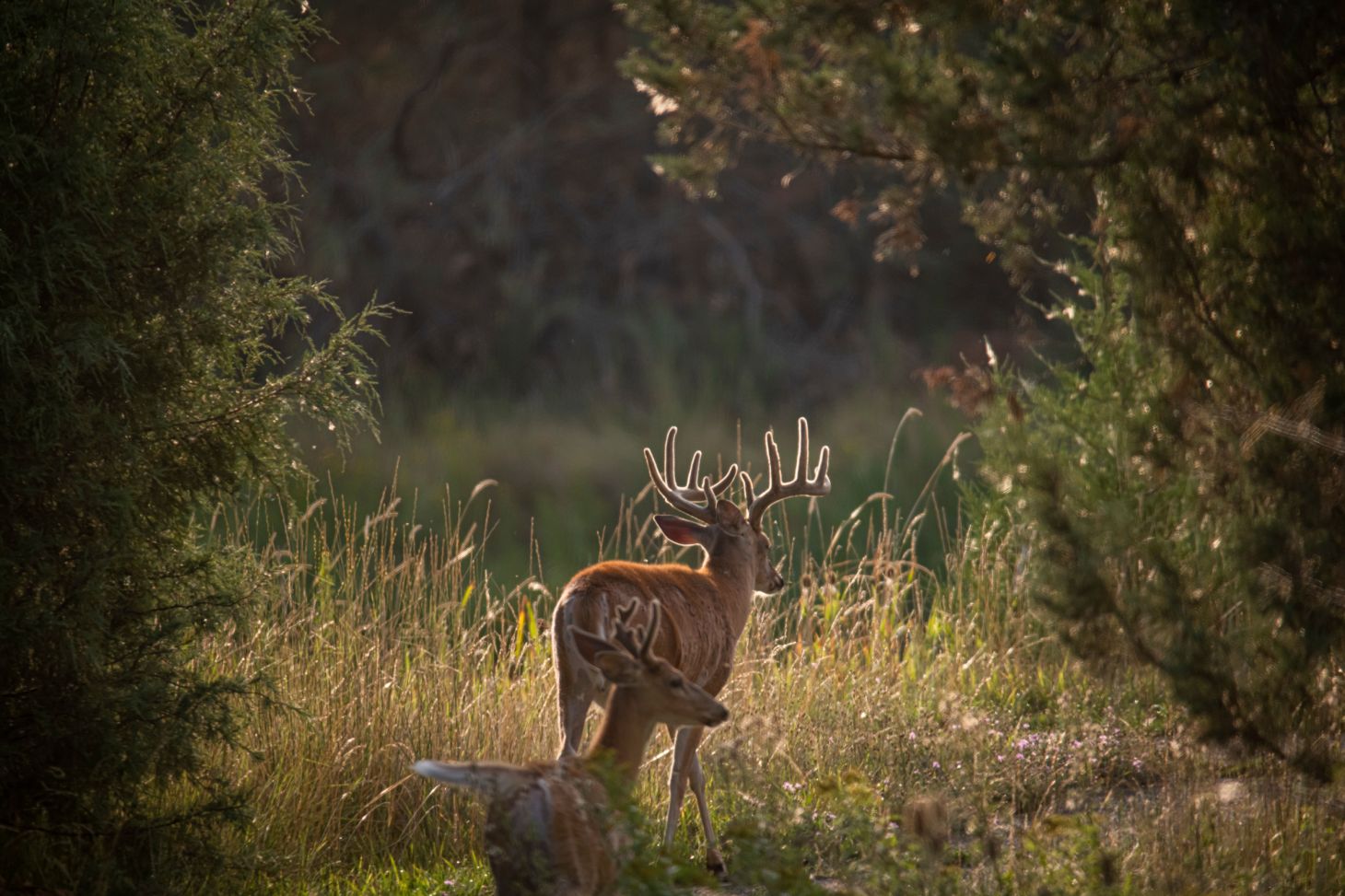
Again, the problem with hunting morning bucks early in the season is the potential for bumping them off feeding areas and the fact that they tend to bed early and close to the food. But if your entry and exit to a stand is so covert that in all but eliminates those risks, then why not try your luck?
One of my best morning setups regardless of season is a stand I call “Fox Hollow.” To access that stand, I park on a gravel road completely invisible and protected from nearby farm fields and three food plots. I leave the truck, immediately walk into a dry creek bed and follow that for 100 yards. I then veer off the creek bed, make a very short climb to a ridge end without crossing a deer trail, and am at the base of the stand tree. If I wait for the perfect southwest wind, I can access that stand with the wind carrying my scent and sound directly away from the setup. Naturally, it is not the easiest route to the spot, but it’s the perfect one, and I’ve come to accept that reality about almost all my morning stands; getting there might suck, but sometimes suffering a bit is the best way.
3. When you get the perfect weather.
An early-season cold front can be a game-changer. In the warm weather of the early season, morning bucks will often be on their bellies by the time the sun comes up. But a cold front will usually get them moving—and may well keep them on their feet in the morning long enough for you to get your chance.
Pay attention to the barometer as well; any reading of 30 or above on a rising barometer seems to keep deer feeding and moving well. One interesting trend that was pointed out to me by several experts is good movement on the first south wind (and accompanying warmer temps) after an extended cool front. I think in general, deer don’t like extended periods of any kind of weather, and a change will often get them on their feet and feeding, which can give you a better chance at intercepting them on their way back to bed in the morning.
Related: 12 Best Tree Stand Locations for Early Season Deer
4. When your cameras tell you to hunt.
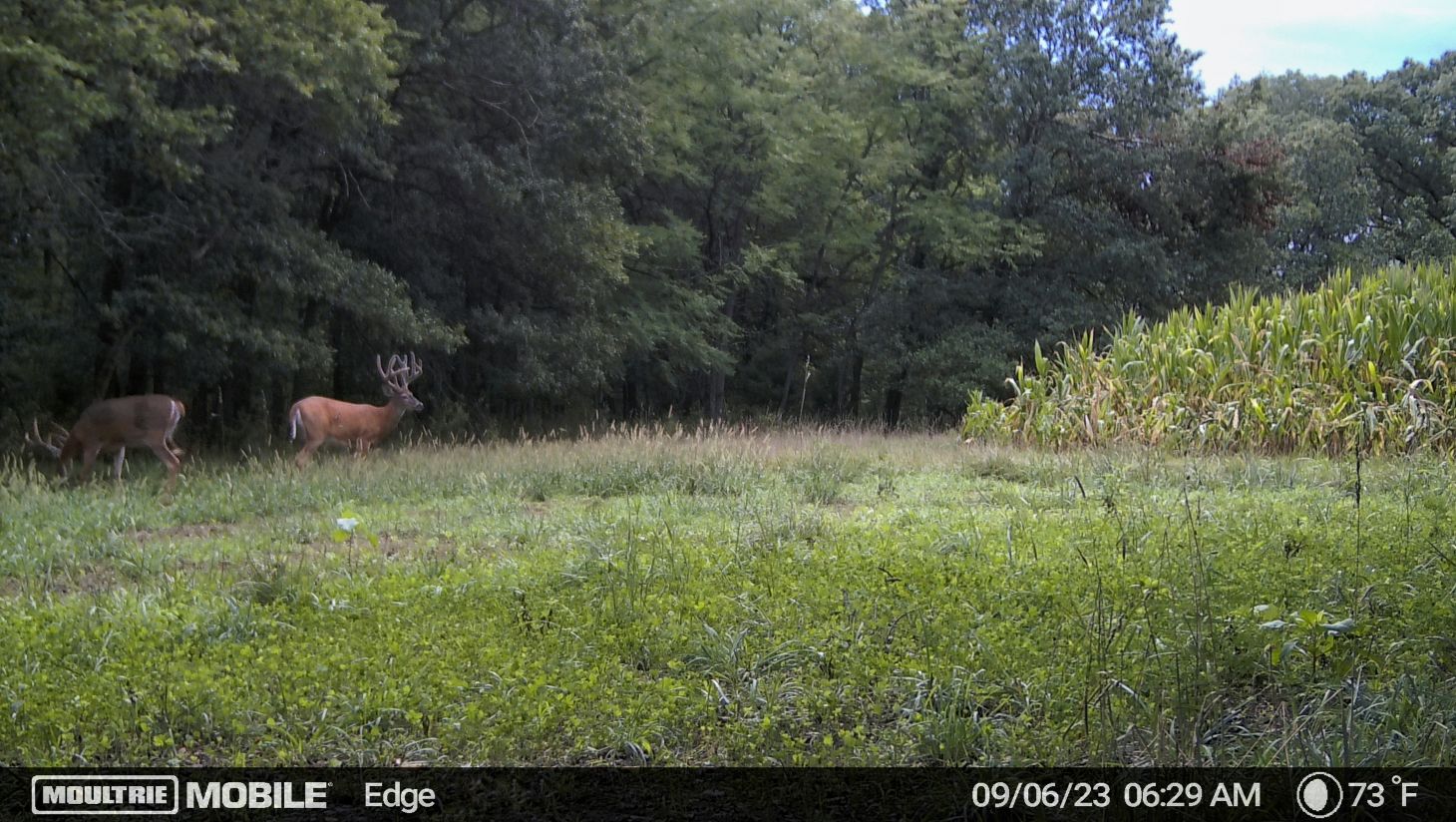
“Don’t hunt mornings in the early season” is only a rule of thumb. A trail-cam photo of a buck on its feet well past sunrise is a fact. And several pics of that buck on different mornings is a call to action. If your cams tell you a buck is vulnerable in the morning and you get hunt him carefully, do it.
When you’re looking through your pics of a daylight buck, note the conditions—temp, barometer, wind, time of day, etc. Then scan your weather app for the next day that mimics those conditions. Make it a point to be in your stand early that morning, assuming you have one in place. If not, pull off a hang-and-hunt on a tree close to your camera setup.
Related: The Best Cellular Trail Cameras of 2026, Tested and Reviewed
5. When it’s time to go for broke.
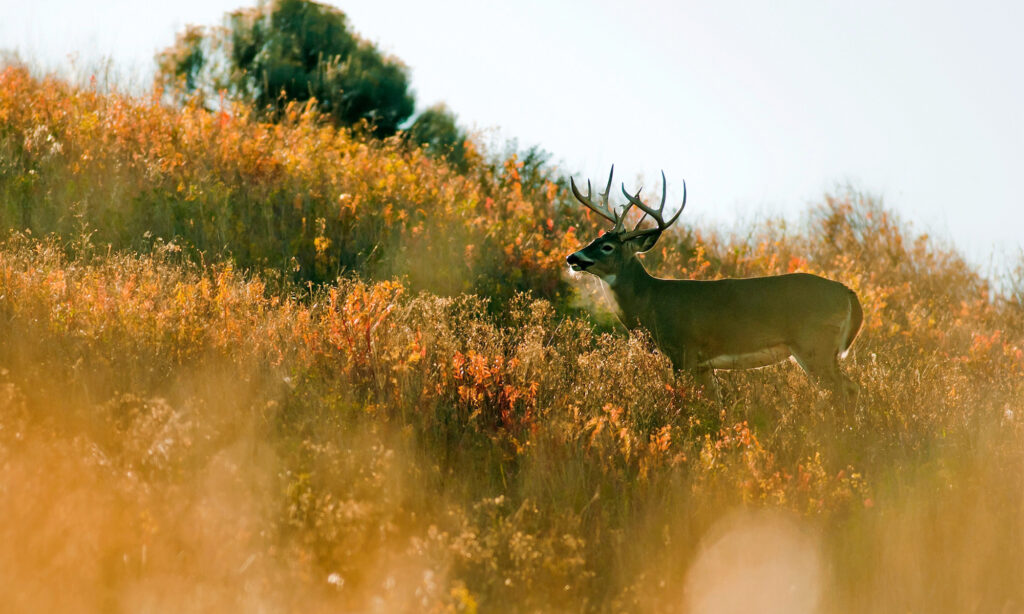
One of the best reasons to pull off a morning hunt is simply because you have a fleeting opportunity and you need to jump on it. If you’re hunting a buck that you know relocates after velvet shed or will most likely get bumped by other bowhunters or small-game hunters, then you might as well take a swing or two at your target buck.
The other reason is simply lack of time. The deer experts who tell you to stay the heck out of the woods usually have all fall, and plenty of opportunities, to wait for perfect conditions to snap the trap on a buck. You may not enjoy such luxury, so pushing the envelope by hunting when you can could certainly be worth it.
If things go awry and the buck busts you, it’s rarely the end of the world. The buck may go underground for a day or two, or switch patterns up a bit, but he’s not leaving the county just because he had to avoid a predator one day. Trust me, if deer had to relocate every time they felt threatened, they’d spend their entire lives establishing new territory. And if things don’t awry, you’ll be glad you decided to break the early-season morning-hunt rule.
Related: Why You Need to Jump on Early Season Buck Sign
content_whitetail-hunting

EXCITING NEWS
Membership Now Includes

Recommended Products
Read the full article here