
The rub was just a scratch on an skinny aspen sapling. But the diminutive buck sign clearly had my buddy Tom, a veteran big-woods deer hunter, excited. The two of us spread out to look for other nearby buck sign, and 10 minutes later we’d seen enough spoor that we were picking a stand tree, noting the wind direction, and laying out a hunt plan. That evening, my friend arrowed a 160-class big-woods buck that trotted in from thick bedding cover and walked into bow range an hour before sunset.
Up until that long-ago hunt, I believed what most hunters do—that big rubs are made by big bucks and little rubs by little ones. For much of the season, I still believe that. But here’s the key: That conventional wisdom all goes out the window in September and even into early October. If you ignore small rubs or half-hearted scrapes this time of year, you might be making a huge mistake. Here’s why.
Mature Bucks Make the Season’s Rubs and Scrapes
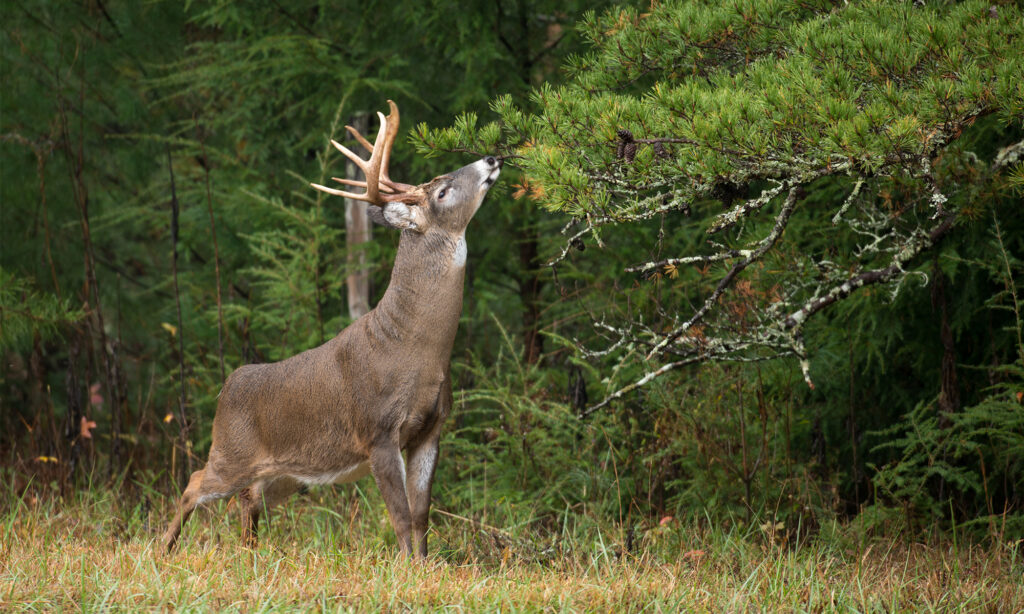
Look for bucks to begin making rubs and opening scrapes this week. (Photo/Paul – Adobe Stock)
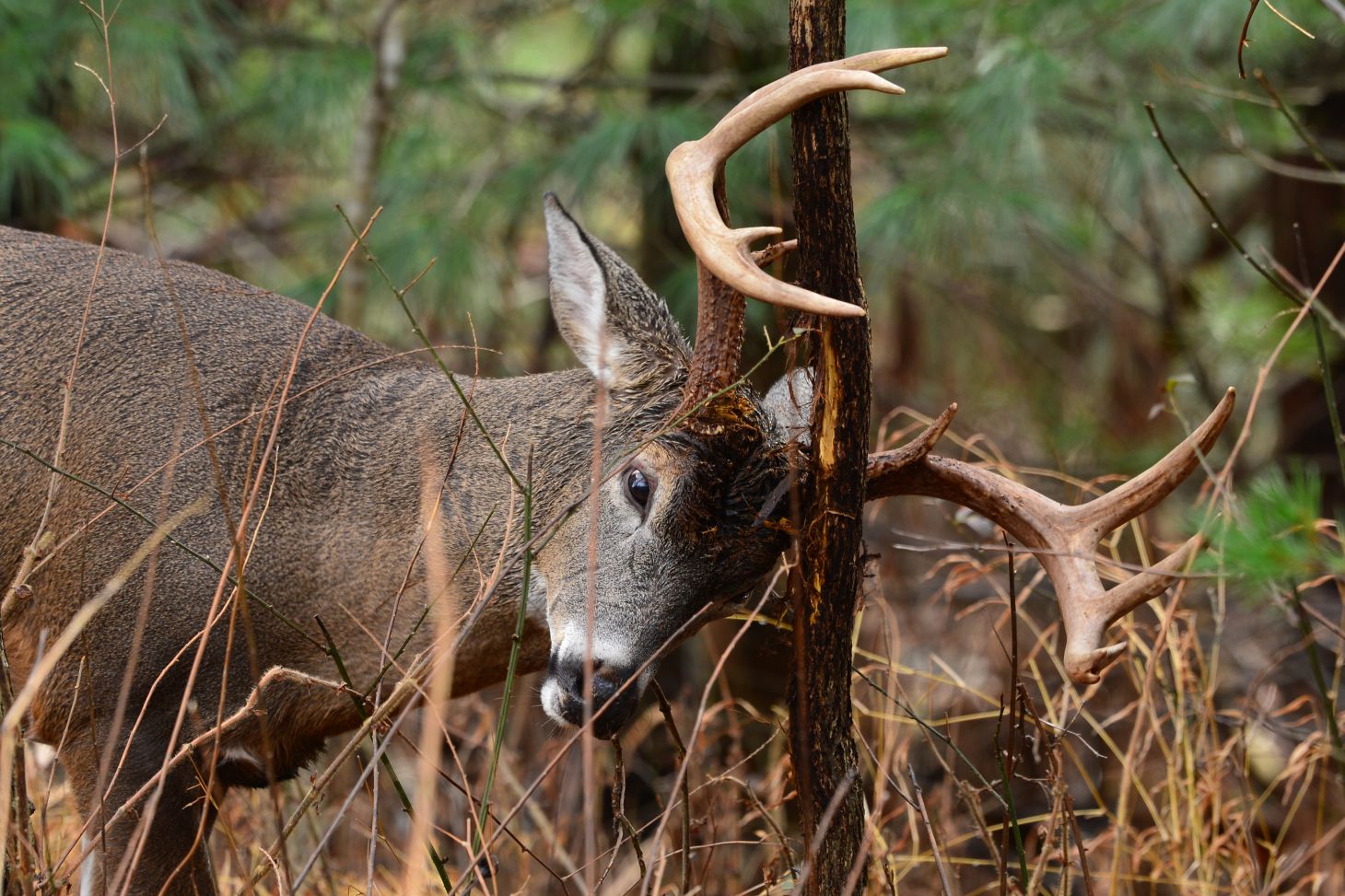
Several research projects have proven that mature bucks are the first to start rubbing in the fall, as most young bucks still aren’t sure what those antlers are for until later. So when I see any early-season rub, even one made on a small tree, in the first few weeks after velvet shed, I immediately assume it was made by a buck at least 2½ years old. I’ve been wrong a few times (I once watched a young buck shred a sapling during September), but not very often. This is a game-changer when it comes to scouting during the early season, as rubs you might normally ignore should now stop you in your tracks and get you looking for more sign—and for a tree to hang a stand in.
Related: The Truth About Hunting Buck Rubs
The same goes for the season’s first scrapes. Again, research has shown that early-season scrapes are almost exclusively opened by mature bucks. For a long time, I assumed that scrapes were primarily rut sign. I also tended to ignore scrapes on food sources, assuming they were primarily revisited by bucks at night. I focused more on scrapes back in the timber, often in terrain funnels. I also felt that bucks were most likely to make a daylight visit to scrapes during a narrow window that occurred late in the pre-rut. And, of course, the larger the scrape the better, since it indicated multiple visits, typically by more than one buck.
While much of my scrape theory was basically correct for the pre-rut and rut, it took me a while to figure out that the rules are different for the early season. For starters, many early-season scrapes are not very large compared to rut-based scrapes. Also, early scrapes are frequently located on the edges of fields, food plots, or near a big-woods food source like a clearcut or oak ridge. Maybe most important, because early-season bucks are often on their feet early to feed, they’re more apt to hit this sign during daylight. These days, when I find an early scrape, I’m not much concerned with its size or location. I simply start snooping around for other indicators that a mature buck might be hanging out in the area and make an educated guess about when he might return.
Related: Buck Scrapes: Pay Dirt or Fool’s Gold
Buck Sign and the Food Factor
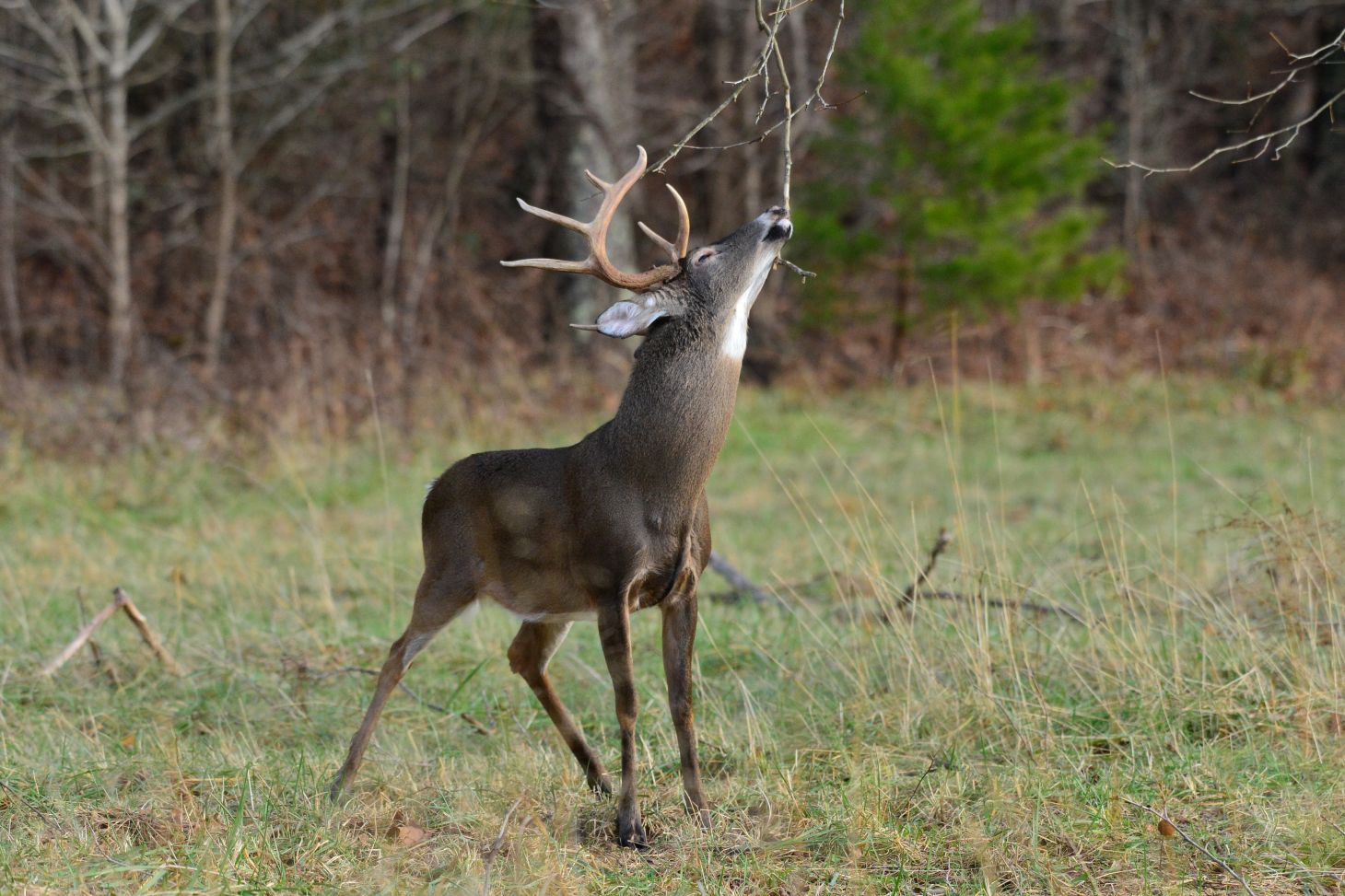
A buck works a field-edge scrape in broad daylight. (Photo/Paul – Adobe Stock)
When you think about it, it’s no surprise that early-season buck sign is so different from breeding-season buck sign—even though it’s the same type of sign (rubs and scrapes). It all comes down to what bucks are focusing on in those different times of year. During the rut, bucks are focused on does and are super amped up on testosterone. So, naturally, the most important rubs and scrapes then are in terrain funnels and near doe bedding areas, and because bucks are making that sign so aggressively, it’s more noticeable.
But early-season bucks are, for the most part, not looking for or interested in does. They’re focused on filling their bellies. And the buck sign they lay down while they’re eating is more of a working-off-steam thing, an almost afterthought that a buck does because, well, he’s a buck and that’s what they do. All bucks experience a slight rise in testosterone levels as soon as they lose velvet, and mature bucks respond by laying down sign. In my mind it’s an almost reflexive action, like a dog lifting his leg on a post or a gobbler sounding off from an October roost; it’s an instinctive act without real purpose, just something written in the DNA they feel compelled to do. And since they’re just hanging out and grabbing a bite, why not scratch some dirt under an overhanging limb, or run those antlers up and down a scrawny popple?
Related: 12 Early Season Deer Food Sources Deer to Focus on Right Now
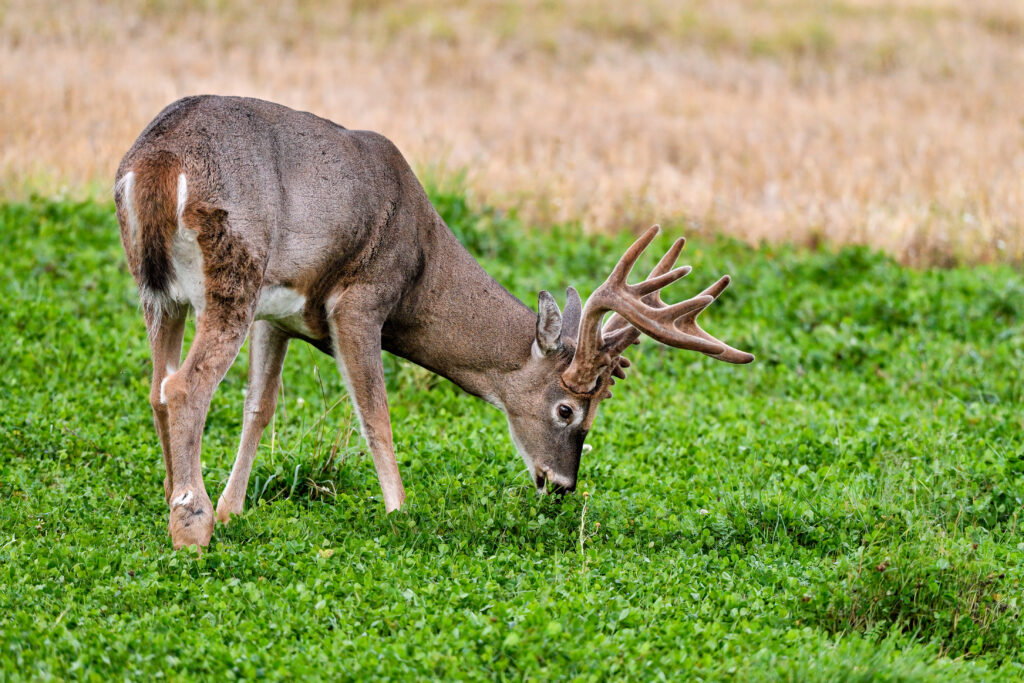
Looks for early rubs to pop us near a food source as soon a bucks shed their velvet. (Photo/Adobe Stock)
So, even though early rubs and scrapes can look rather half-hearted, you should see them as the hottest sign in the woods—sign you need to hone in on right away. Why? Because it tells you that there is probably a good buck around and because bucks are fairly single-minded and predictable now. They want to eat and sleep and not much else. And, for a few precious days of fall, they’re not afraid to visit those feeding areas in daylight.
They haven’t encountered significant human pressure in months, and the woods”“still cloaked in fall leaves”“remain a dark and shaded place where they largely feel safe. All this adds up to a mature buck that might not mind slipping from cover before sunset to grab a bite—and you could be there waiting for him, assuming you know enough to take that first buck sign of the fall seriously.
Read Next: 12 Best Tree Stand Locations for Early Season Deer
content_whitetail-hunting

EXCITING NEWS
Membership Now Includes

Recommended Products
Read the full article here