

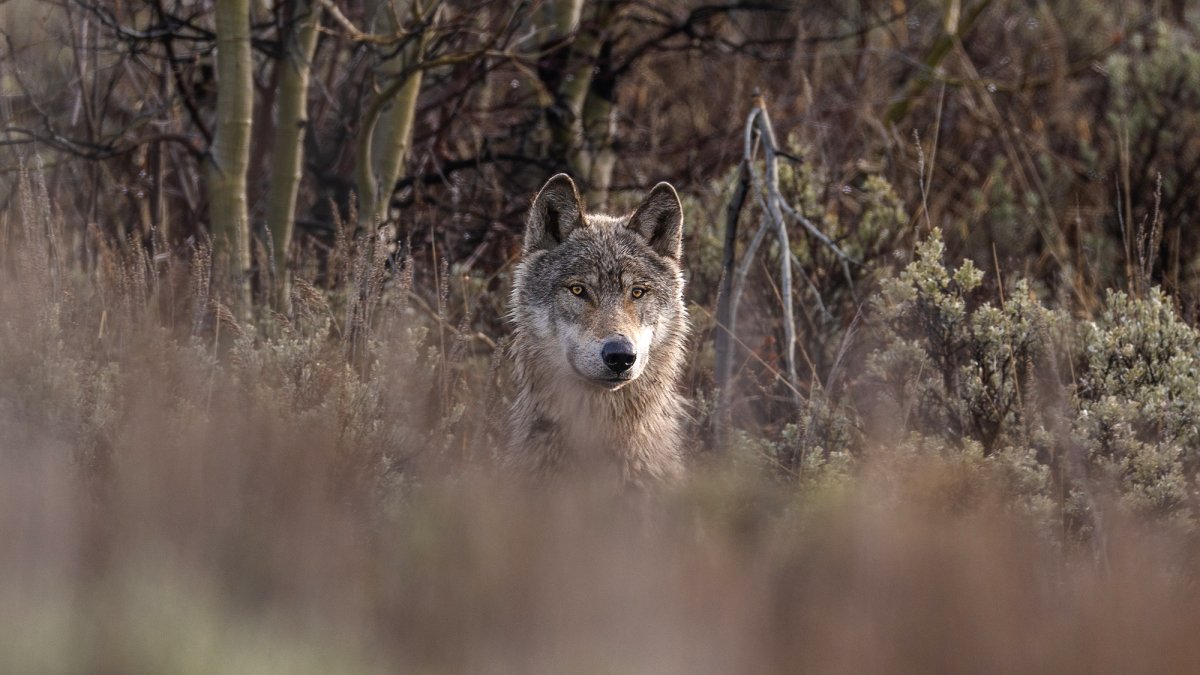
This month President Trump directed his administration to consider withdrawing protections for both gray and Mexican wolves. The guidance was tucked in a package of concessions to America’s ranchers.
The Sept. 4 executive order “Supporting America’s Ranchers” specifically gives the Secretary of the Interior 90 days to “make a determination as to whether the gray wolf and the Mexican wolf have met the recovery criteria for delisting or downlisting under the Endangered Species Act.” If the Interior secretary determines recovery criteria has been met, agencies “shall begin the process of delisting or downlisting them.”
The executive order came on the heels of Trump’s announcement that his administration would temporarily lift import duties on foreign beef and allow up to 660 million pounds of beef from Brazil and Argentina to be sold in the U.S. That announcement riled American ranchers, who are enjoying record prices for domestic beef.
Trump’s executive order, which includes the reconsideration of wolf management across the country, has been interpreted by some sources as a concession to domestic producers troubled by the beef import allowance.
The EO also contains provisions to mandate country-of-origin labeling for retail beef, allowances for ranchers to process their own meat and bypass monopolistic meat-packing operations, identifying and leasing vacant public-land livestock grazing allotments, and mandating that U.S. beef is prioritized in federal food-procurement contracts.
The wolf management reconsideration is pitched as “helping ranchers combat predation” by giving state agencies more flexibility to lethally remove depredating wolves. Further, the EO directs the Secretary of the Interior to “revise the [Interior] Department’s criteria for authorizing lethal gray wolf and Mexican wolf removal and to enable greater emergency responsiveness, including precision targeting, for situations involving predator threats to human safety and threats to domestic livestock.”
Because gray wolves have met federal recovery goals and are managed by state agencies in Montana, Idaho, and Wyoming, the EO isn’t expected to have significant impact on predator management in those states.
In the Great Lakes states, where gray wolves are federally protected, livestock predation isn’t a pressing issue. Areas where the order is likely to have the most consequential effects include Oregon, Washington, California, and the Southwest, where wolves are federally protected but where livestock predation has been locally intense.California Sheriff Declares His County ‘Under Siege’ from Gray Wolves
Just this week, Washington’s Department of Fish and Wildlife is considering killing one or two wolves blamed for a string of livestock deaths in the southeast part of the state. California’s Department of Fish and Wildlife has confirmed 45 livestock deaths by wolves this year.
Related: California Sheriff Declares His County ‘Under Siege’ from Gray Wolves
In Colorado, where Proposition 114 was passed by voters in 2020 requiring the state to reintroduce gray wolves, the state wildlife agency is monitoring some 32 wolves in four packs.
If the Secretary of the Interior determines federal delisting or downlisting is warranted, Colorado Parks and Wildlife’s wolf-management operation would likely be relatively unaffected, says department spokesperson Rachael Gonzales.
“Federal delisting of gray wolves transfers regulatory authority to the state and away from the federal government but does not impact their status as a state endangered species or diminish Colorado’s legal obligation or commitment to responsibly restore and manage gray wolves,” Gonzales told Outdoor Life in an email.
CPW spokesperson Luke Perkins confirmed 43 wolf depredations, including 19 cattle, 23 sheep, and one working dog, from late 2025 through September 2026.
Hidden Costs of Wolves on the Landscape
Wolves can impose costs on livestock producers that aren’t measured in predatory attacks. A study published in April in the journal Ecology and Evolution compared cortisol levels in hair samples of cattle in California exposed to wolves and those not exposed to wolves. Researchers determined that the presence of wolves stresses cattle and can result in lower weight gain. Cortisol is a hormone produced by the adrenal glands that manages a body’s response to stress and controls blood pressure.
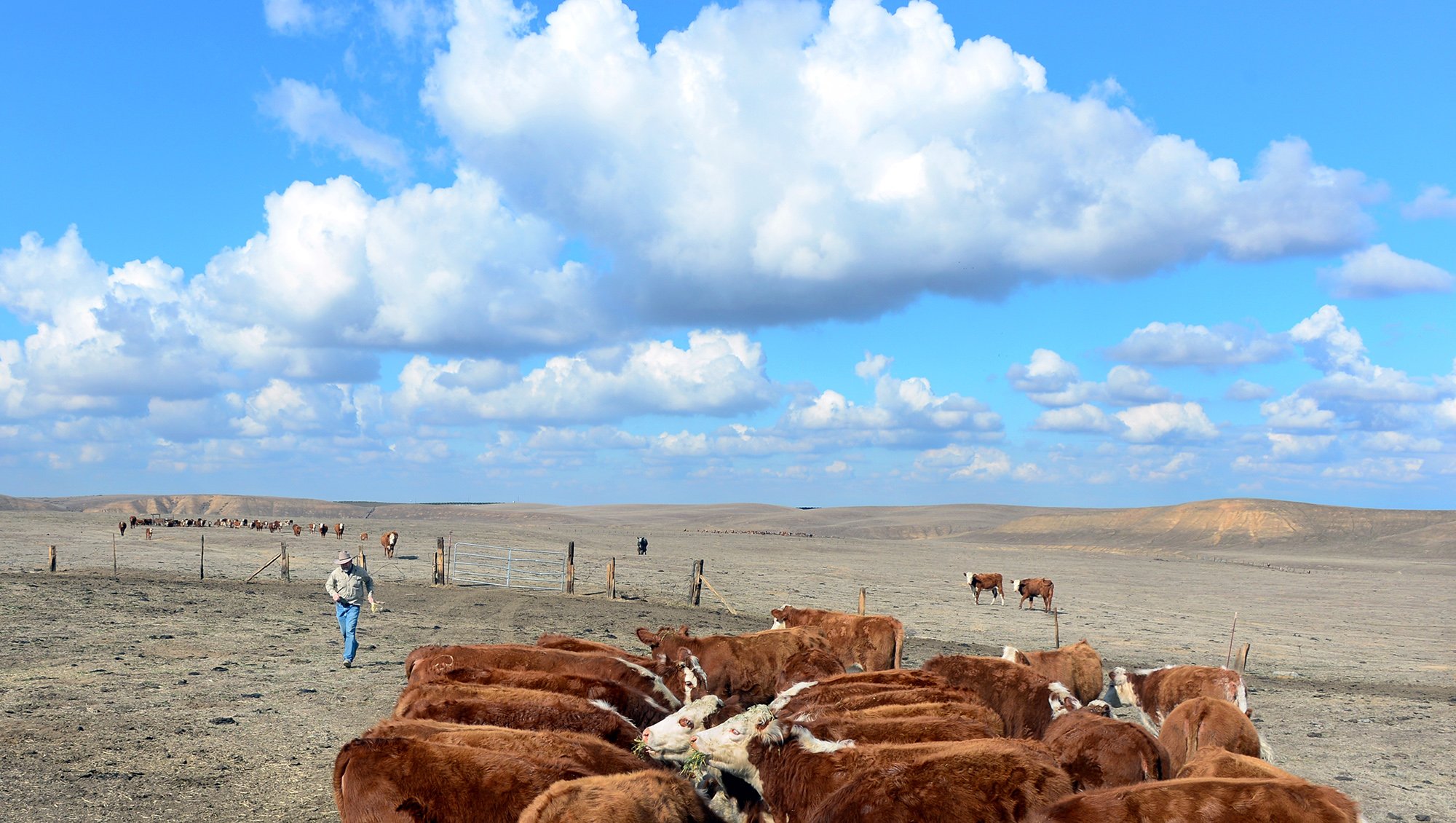
Considering the record beef prices of the last year, the loss of a few percentages of a calf’s body weight can significantly impact ranchers’ bottom line.
“Our study provides the first evidence of disrupted cortisol regulation in beef cattle exposed to gray wolf presence, measured through hair cortisol analysis,” according to study authors. “Our preliminary findings reveal important research gaps for understanding predator reintroduction ecology. These preliminary results point toward a potential physiological mechanism by which predator reintroduction may indirectly affect prey, with implications for understanding how recovering carnivores could influence prey physiology, animal welfare, and productivity.”
The study’s findings aren’t surprising to Wyoming ranchers who have managed cattle around wolves for years.
“We ranchers have known about this for years,” Wyoming rancher Mitch Benson told Cowboy State Daily news site in July. “Why do you think our great-great grandfathers eradicated [wolves]?”
California ranchers quoted in the story complained that they haven’t been allowed to kill wolves, even those actively preying on their livestock. Once state wildlife agents killed four wolves last fall in Plumas and Sierra counties, however, the livestock killing stopped immediately.
“Anybody who says that lethal removal is not part of the solution is in la-la land,” California rancher Paul Roen told Cowboy State Daily.
Livestock-Loss Compensation Programs
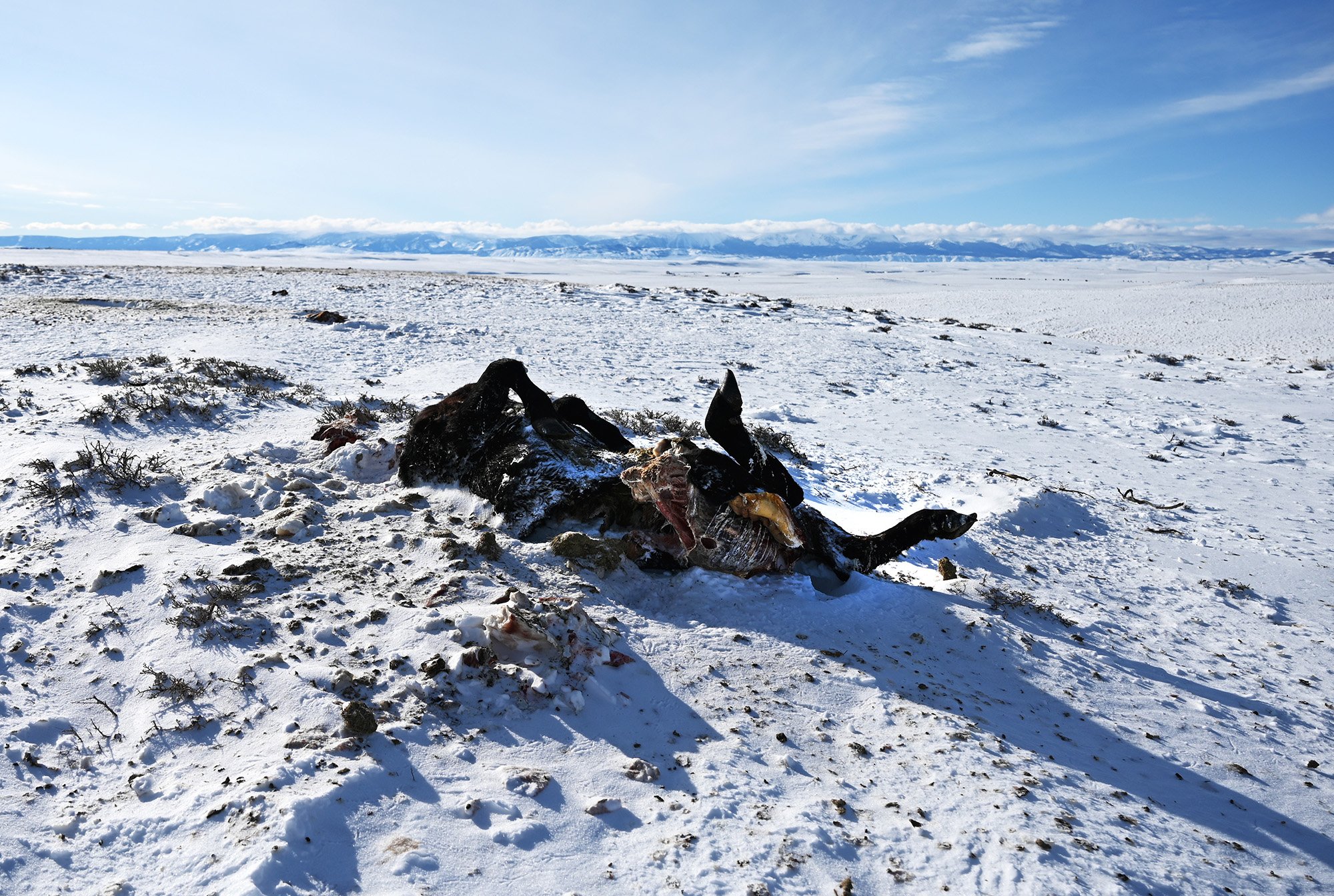
Many states manage funds that are used to compensate ranchers for livestock losses to predation.
In Montana, the Livestock Loss Board hands out grants to producers to prevent or reduce depredations on livestock and another fund to compensate producers whose livestock has been killed by wolves, bears, mountain lions, and other predators.
As of Aug. 1, the fund has distributed $116,564 to Montana ranchers who lost 43 cattle. The fund paid another $12,147 for the loss of 35 sheep, $1,145 for four goats, and $500 for a single horse killed by predators.
Funding for the livestock loss program comes from taxpayer funds, interest from a special trust fund, grants from conservation groups, and a per-capita fee paid by livestock producers.
Idaho has a similar compensation fund, with some $150,000 earmarked annually for payouts for depredation by wolves and grizzly bears and another $75,000 for conflict deterrence. Wyoming uses hunting license revenue and state funds to compensate livestock producers for losses to predators.

Photo by Jason Connolly / AFP, via Getty Images
Colorado Parks and Wildlife spokesperson Perkins said that CPW works with livestock producers to implement nonlethal tools to reduce wolf-livestock conflict. He noted that comparing conflict numbers across states is challenging “because of different social, ecological, and institutional factors that influence depredations,” including proximity of wolves to livestock and various deterrents like range-riding programs, and livestock-loss reporting methods.
“Consider that Montana has a 30 percent larger land base than Colorado and a lower livestock inventory,” Perkins says. “Additionally, Montana has a 30-year history of wolf management and has different management actions available than Colorado.”
Southwest Wolf Management
While population and distribution thresholds to delist gray wolves in the Great Lakes states have been met for years, it’s less clear whether Mexican wolves are ready to lose federal protections. In July, however, Arizona Game and Fish published a report that indicates wolf restoration is well ahead of recovery goals. Last year 317 individual Mexican wolves were counted in mid-winter population counts, the agency noted.
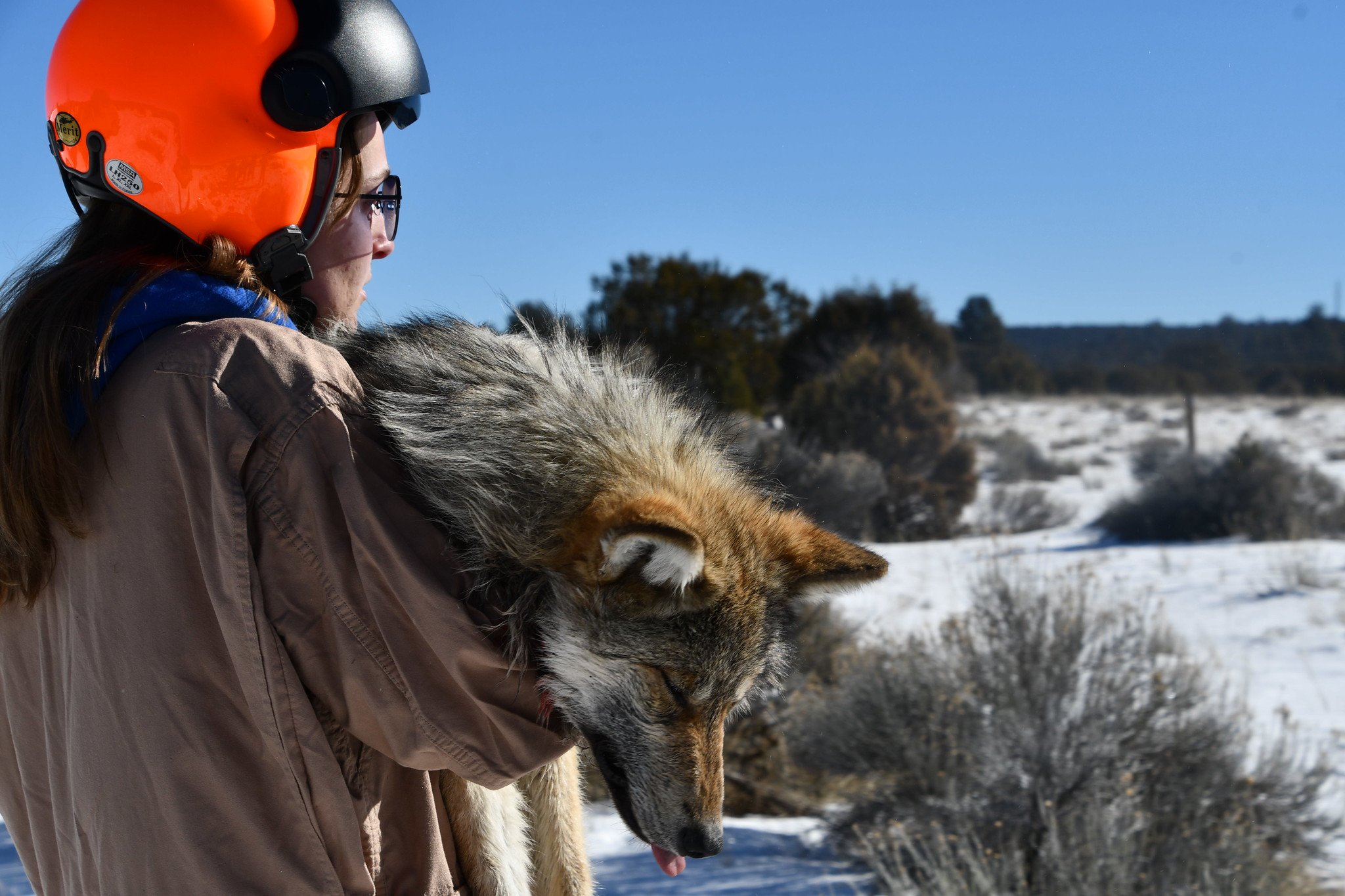
“With this success, the agencies that manage the Mexican wolf recovery are now focusing on effectively managing the genetic challenges faced by this subspecies. In the last 20 years, 148 foster pups have been placed into widely dispersed dens, supporting the agency’s focus on this tool for recovery purposes.”
Following the successful transfer of 12 Mexican wolves from the United States to Mexico earlier this year and with two key recovery plan criteria within reach, Arizona Game and Fish, the New Mexico Department of Wildlife, and the USFWS “are preparing a petition for downlisting the subspecies based on these successes.”
Will Trump’s executive order accelerate that action?
“The Arizona Game and Fish Department does not comment on issues such as presidential executive orders,” the department said in an email. However, Mexican wolf coordinator Jim DeVos told OL that the agency continues to manage wolves with federal and state partners.
“The Mexican wolf population has grown to the level that the population average is nearly at the level prescribed to begin evaluation of downlisting,” deVos said in an email. “The genetic criteria for downlisting has been exceeded and with both of these factors, the primary state and federal agencies responsible for Mexican wolf management are evaluating the potential for downlisting.”
Read Next: The Feds Aim to Return Grizzly Bear Management to Western States. Could Federal Delisting Be Next?
Trump’s executive order gives the Secretary of the Interior 90 days to evaluate wolf recovery criteria to determine whether a delisting or downlisting is appropriate across the ranges of gray and Mexican wolves. That determination should be made by early December.
Read the full article here