
We may earn revenue from the products available on this page and participate in affiliate programs. Learn more ›
I have too many duck hunting jackets. Most of them are for specific conditions, and I own the rest because I’m a duck-obsessed gear junkie. But the majority of waterfowl hunters (myself included) can get away with one or two jackets for an entire hunting season—September to January. You just have to know which jackets will maximize your comfort in the field for the longest time. That’s where I come in.
Last fall, I spent over 30 days in the marsh and hunted in every condition imaginable—heat, rain, snow, sleet, and ice. Throughout the season, I wore a range of hunting jackets. Those included lightweight hoodies, mid-layer jackets, vests, fully insulated jackets, pullovers, and rain jackets. Some were great, and others, well, not so much.
By the end of the season, I had my favorites, and it was obvious by what I wore into the marsh. But the wide array of conditions waterfowl hunters face throughout the season makes certain jackets better than others on particular days. So I broke down my favorite picks based on conditions, layering, and hunting style to help you find the right jacket for this fall. Warning: If you aren’t careful, you could end with an entire clothing rack dedicated to the best duck hunting jackets—like me.
best overall

Sitka Duck Oven Hoodie
Pros
- Versatile all-around jacket
- Good outer layer in early season
- Great mid-layer during late season
- Windproof and very water-resistant
- Large pocket
Specs
- Insulation: Lofted fleece interior
- Sizes: M – 3XL
- Camo pattern: Optifade Marsh
- Ideal time for use: All season
Don’t let the term hoodie fool you. The Sitka Duck Oven is more than capable of being a year-round hunting jacket, and it’s my favorite piece of waterfowl hunting clothing. I’ve been wearing mine for seven years, and I have yet to find something I like better for all-season use.
My duck season starts the first weekend of October in Northern New York, and this hoodie is always my outer shell for the hunt. I pair it with a merino wool base layer and, depending on the weather, another shirt underneath. I have no issues with the jacket as my outer shell in temperatures as cold as the mid-30s. On the flip side, I’ve worn this hoody in temps up to 75 degrees, but I wouldn’t recommend it for anything above 60 degrees.
As the season progresses, it becomes my second layer underneath either a shell or thicker jacket, depending on how cold it is. But even on colder hunts, I usually find myself shedding a layer by mid-morning and using the Duck Oven as my outer garment.
It is important to remember that Sitka sells its clothing as layering systems, which means each piece of clothing works together with the other. I recommend serious waterfowlers buy into this school of thought. And the Duck Oven jacket is the perfect first piece to build your system around. Once you have it, add a merino heavyweight base layer and a grinder half-zip mid-layer.
best mid-layer

Chene Over/Under Jacket
Pros
- Warm and comfortable
- Made to fit inside waders
- High handwarmer pockets
Cons
- Expensive
- Not water-resistant
Specs
- Insulation: Sherpa fleece
- Sizes: S – 3XL
- Camo pattern: Mossy Oak Bottomland, Mossy Oak Original Bottomland, Mossy Oak Shawdowgrass Habitat
- Ideal time for use: All season
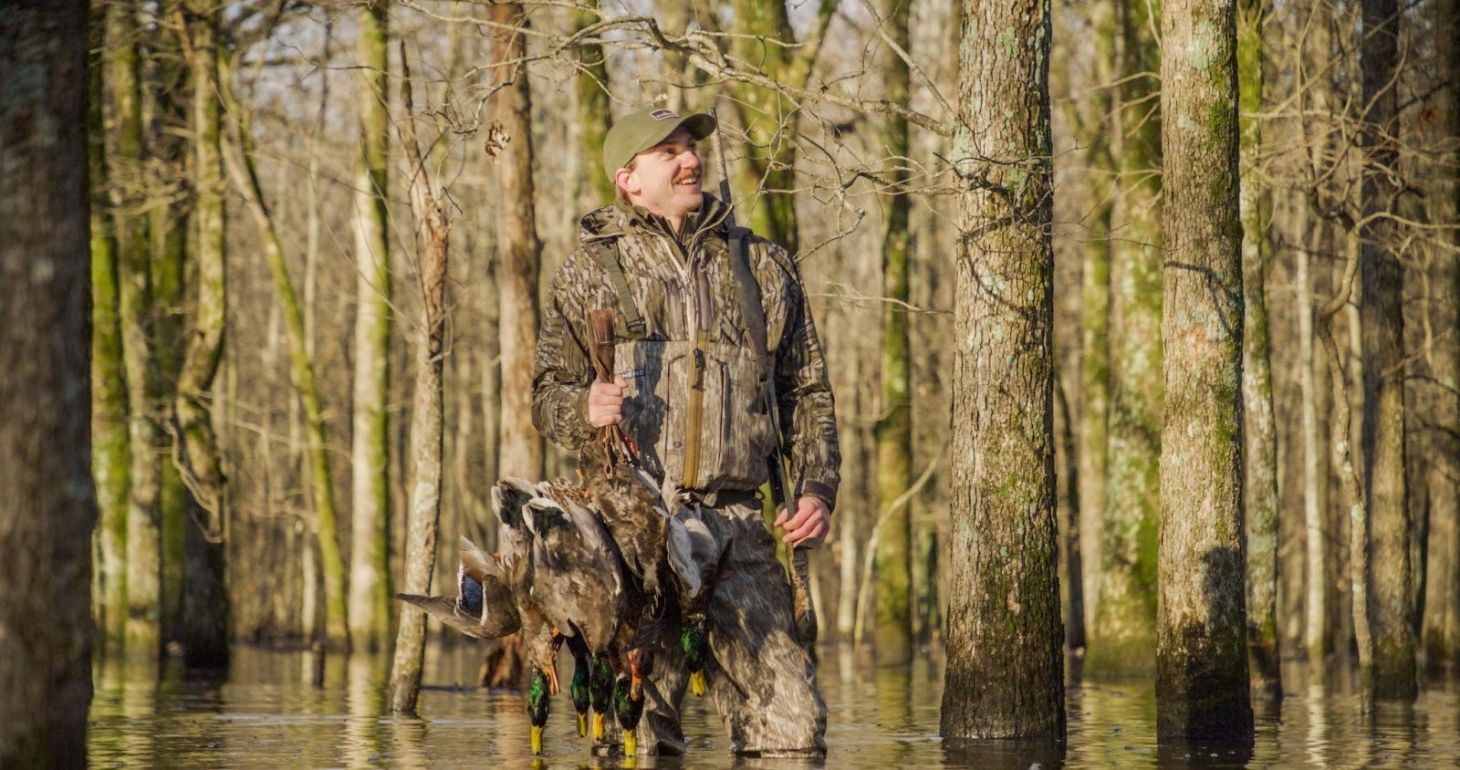
Chene Gear broke into the waterfowl world a few years ago and has developed a strong following among serious waterfowlers. They are best known for their premium wader, which I tested last duck season. But many hunters don’t realize that they also make excellent hunting clothing, including the Over/Under jacket.
This jacket was designed to be worn under your waders as a warm mid-layer. Chene Gear also markets its clothing as a layering system, and the Over/Under jacket is the core of it. It is a warm and comfortable mid-layer that pairs well with the sixty series or merino wool top.
I wore my Over/Under on a flooded timber hunt last winter in Arkansas. It was my middle layer over a baselayer and under my outer jacket. During warmer weather hunts, or even on some chilly mornings, the Over/Under can be a good outer garment. But it is not waterproof or water-resistant. The sherpa fleece lining is very warm and the handwarmer pockets keep your fingers functioning on freezing mornings.
best waterproof

Sitka Delta Wading Jacket
Pros
- Lightweight and comfortable
- Fully waterproof with Windstopper technology
- Water-sealing cuffs
- Plenty of pockets
Cons
- Little to no insulation
- Expensive
Specs
- Insulation: None
- Sizes: M – 2XL
- Camo pattern: Optifade Marsh
- Ideal time for use: All-season rain jacket
Bad weather is part of duck hunting and a rain jacket is essential to your clothing system. I bring my Delta jacket on any hunt where rain or sleet is in the forecast. It is completely waterproof and windproof, but also breathable. The water-sealing cuffs are my favorite feature—crucial when setting decoys and picking up birds in ice water.
The price tag of this jacket is intimidating. There’s no way around that. And it isn’t for every hunter. But if you spend 20-plus days in the marsh every season, then I think it is worth the money. The Delta jacket is also part of Sitka’s layering system, and it will be the outer layer on those nasty days.
It won’t provide much insulation, but that’s not why you’re buying it. This jacket is completely waterproof, and the windstopper technology truly works. I wear one size up to make sure it can fit over all of my other layers and not restrict my mobility when I shoot.
best for extreme cold

Sitka Hudson Jacket
Pros
- Extremely water-resistant
- Very, very warm
- Water-sealing cuffs
- Magnetic tuck-away call pockets
Cons
- Expensive
- The jacket can be tight—size up for a better fit
Specs
- Insulation: PrimaLoft Gold Insulation: 60-gram across shoulders, 40-gram in sleeves and body
- Sizes: M – 2XL
- Camo pattern: Optifade Marsh
- Ideal time for use: Mid to late-season
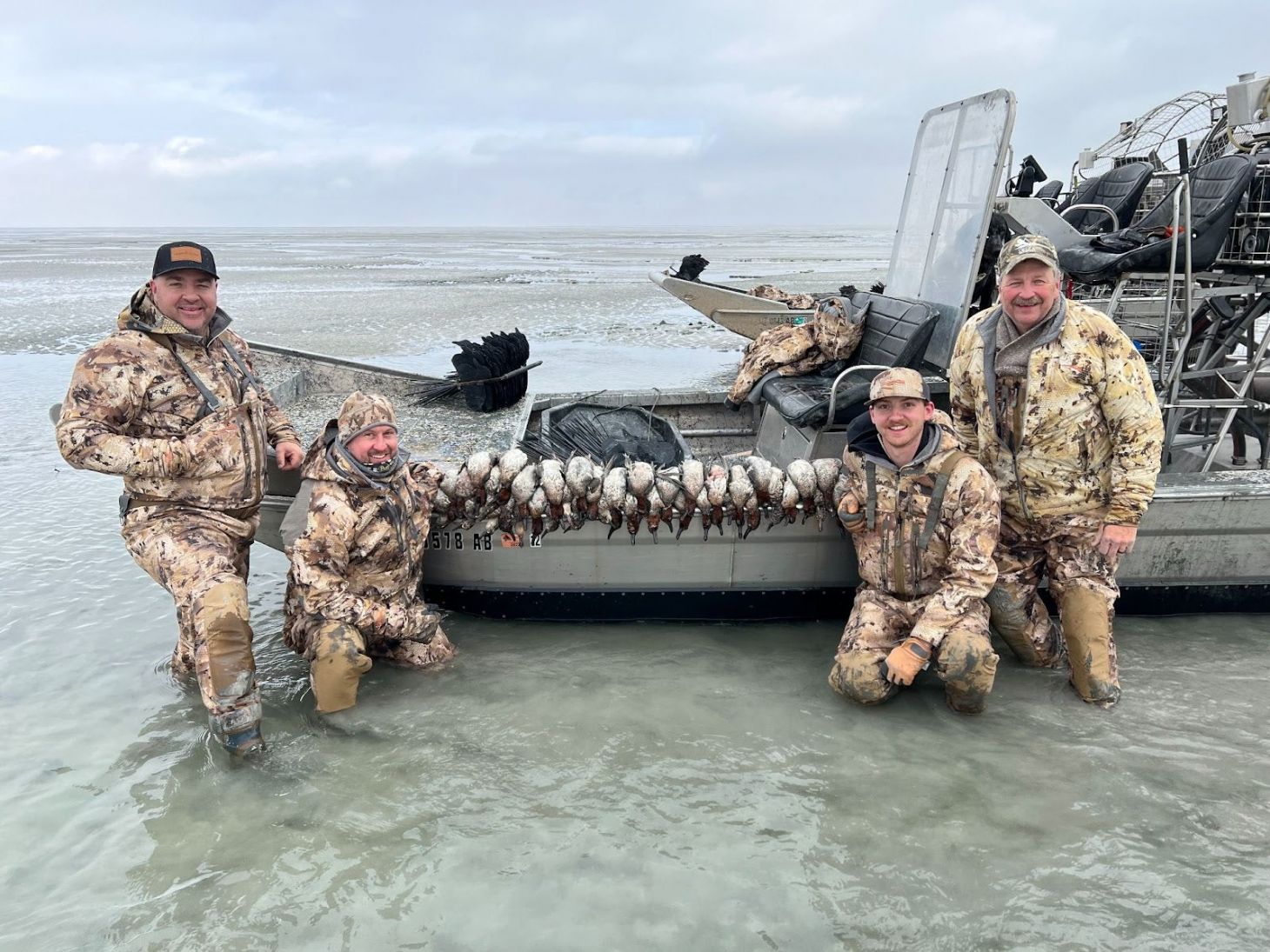
I wore my Sitka Hudson jacket on a -3 degree hunt last winter in Colorado. My shotgun was frozen over, the decoys were covered in ice, and my hands were numb. But my core was warm, thanks to the Hudson.
That hunt was the ultimate gear test, and the Hudson jacket was one of the few pieces that excelled in those awful conditions. Since then, I’ve taken it to the Great Salt Lake, the Pacific Northwest, and the bone-chilling salt marshes of New York. It performed well in every cold-weather situation and is the best late-season duck hunting jacket I own.
The warmth of this coat comes from the PrimaLoft gold insulation that maximimes heat retention without limiting weight or being overly heavy. It also features a sculpted hood, water-sealing cuffs, and useful handwarmer pockets. The Hudson is a premium hunting jacket, and the price reflects it. But the quality is unmatched, and it will last season after season.
Hunters should consider where and when they hunt before buying a jacket. This is a mid to late-season coat and will be too warm for early-season comfort. So just make sure you need to be very warm in the coldest hunting conditions. If you decide the Hudson is for you, I would recommend sizing up. I usually wear a large, but I have the Hudson XL, which helps me add more layers underneath without restricting my mobility or swing.
best vest

Chene Scout Vest
Pros
- Comfortable
- Good mid-layer
- Water-resistant
- Multiple camo patterns and solid colors
Specs
-
Insulation: PrimaLoft Gold Insulation: 60-gram across shoulders, 40-gram in sleeves and body
-
Sizes: S ““ 3XL
-
Camo pattern: Mossy Oak Bottomland, Sage, Dark Green, Black
-
Ideal time for use: All-season mid-layer, early-season outer-layer
Duck hunting vests fly under the radar. I used to think they didn’t offer anything to my clothing system, but I was wrong. I started wearing hunting vests two years ago, and I picked up a Chêne Scout vest last season. It is water-resistant, windproof, and comfortable.
I’ve talked a lot about layering in this gear guide because it’s the most effective way to dress for hunting. The Scout vest is another excellent mid-layer that offers good warmth without adding too much bulkiness or weight. It features a polyester hardshell fabric that can withstand light rain and block out wind. I wear mine as an outer layer on warmer hunts and as a mid-layer later in the season.
How We Tested Duck Hunting Jackets
The only way to test duck hunting gear—whether decoys, shotguns, or jackets—is to use them a lot. Throughout the course of a waterfowl season, hunters subject their equipment to heat, rain, snow, ice, mud, water, and more mud. Subpar gear won’t last long, and the cold duck marsh is not where you want your equipment to fail, trust me.
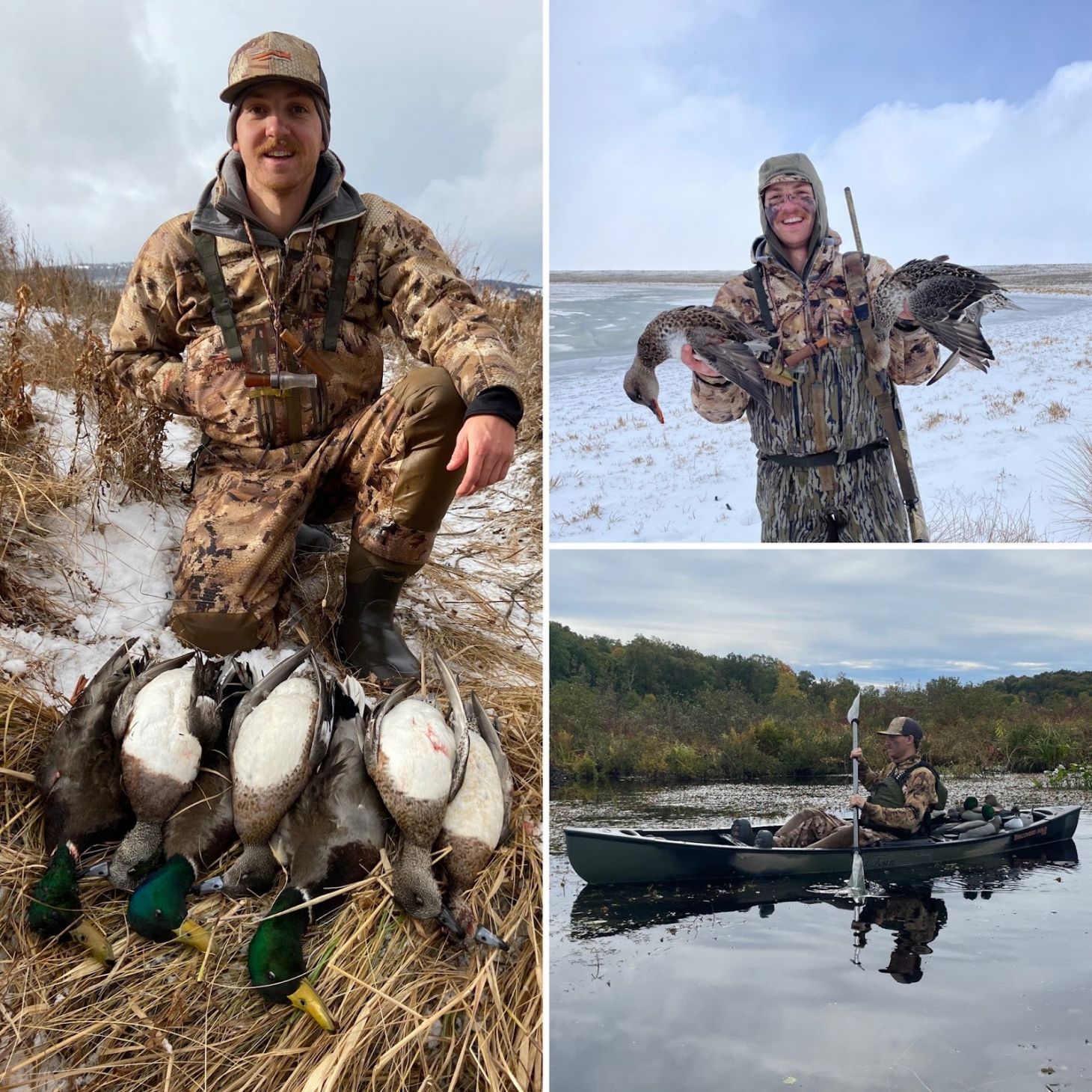
I tested duck hunting jackets the same way they will be used—in the field on actual hunts. And over the last six years, that testing has added up to over 100 days in the marsh. Every jacket you read about in this story has been soaked in the rain, covered in mud, and iced over. These jackets not only survived the rigors of multiple duck seasons, but thrived in them.
The testing grounds ranged from the Pacific Northwest to the coastal shores of Texas to the snowy banks of Maine. I hunted sea ducks from layout boats in the ocean and shot specklebellies in the muddy fields of Arkansas. I stood in flooded timber, laid on ice banks, and dragged duck boats across tidal flats. These jackets were torture-tested in almost every duck hunting condition you can imagine, and I know that they will perform year after year.
What to Look for When Choosing a Duck Hunting Jacket
Duck hunting jackets, coats, hoodies, and vests are all part of a puzzle that makes up a layering system. Not all hunters operate this way, and many hunting jackets will work well on their own. But to get the most out of your hunting clothing, start thinking about your baselayers, mid-layers, and outer layers. A good layering system will help you narrow your options and tailor your clothes to how you hunt.
Location
The habitat, weather, and region you hunt in will determine what clothes you wear. Look for insulation that is appropriate for your climate. Many regions, like the Northeast, feature fluctuating weather conditions throughout duck season. Lightweight hoodies and mid-layers will be good in early season before you incorporate a heavier, warmer jacket in the late season.
It is also important to match the camo pattern of your clothes to the habitat you hunt in. It doesn’t have to be exact, so just try to match the overall shade of your environment. I have two sets of camo—a lighter marsh color and a darker timber color—which cover almost every type of habitat I hunt in across the country.
Layers
A layering system is the smartest way to get the most out of your hunting clothing. This means starting with a baselayer, then a mid-layer, and lastly, an outer layer. Depending on where you hunt and the weather conditions, you might only wear one layer or you may wear multiple. Once you have the core of your system down, you can add pieces from there. When starting, opt for an excellent all-around jacket, like the Sitka Dakota Hoody, that you can build around.
Sizing
A good fit for your hunting jacket is essential. An overly tight coat will restrict your mobility, and you’ll have difficulty swinging a shotgun. On the other hand, an overly baggy jacket will cause issues when you try to mount your gun—the stock will catch on the armpit area. Lightweight hoodies, shirts, and mid-layers fit true to size, but sometimes it is worth sizing up for bigger jackets when you know you’ll wear many layers underneath.
Versatility
Most hunters aren’t going to buy five different jackets and layers at once. That’s not realistic. Building a layering system takes time. So it’s essential to start with core pieces that can perform in various conditions throughout the season. My favorite piece is the Sitka Dakota Hoody for this exact reason. You can wear it from early to late season and maximize your money. Build your system from there with hoodies, lighter jackets, and heavier coats.
FAQs
Depending on the time of year and conditions, hunters should wear a base layer and pants under their waders. I like wearing merino wool base layers and Chene wader pants.
Camo patterns are relative to what region you hunt in. Generally, there are two main waterfowl hunting patterns—marsh and timber. Marsh patterns are typically lighter to match marsh/field habitats. Timber patterns are darker to camouflage with trees, brush, and other vegetation.
The best time to duck hunt depends on location, weather, and the migration. The weather and migration go hand in hand. It is hard to say what the best month to hunt will be because it is almost impossible to predict in advance. Canada will have better hunting from September to October, while the United States typically has better duck hunting from November to January.
Why Trust Us
For more than 125 years, Field & Stream has been providing readers with honest and authentic coverage of outdoor gear. Our writers and editors eat, sleep, and breathe the outdoors, and that passion comes through in our product reviews. You can count on F&S to keep you up to date on the best new gear. And when we write about a product—whether it’s a bass lure or a backpack—we cover the good and the bad, so you know exactly what to expect before you decide to make a purchase.
content_hunting-apparel-accessories
EXCITING NEWS
Membership Now Includes

Recommended Products
Read the full article here