


Buck rubs can present a real head-scratcher for whitetail hunters. Some argue that rubs only tell you where a buck has been once. It’s like reading a history book, but not the sort of sign that screams, “Hunt here now!” Other hunters place so much importance on rubs that they don’t start formulating a hunt plan until they find some. In fact, some very savvy hunters have devoted entire books to unraveling rub lines. So who’s right?
They both are. Bucks make some rubs thoughtlessly, a reflex action as casual as a dog lifting its leg on a fire hydrant that it may never see again. Other rubs offer real insight into the recent activities of a buck and how you might put a tag on him, either immediately or at some point in the future. The key, of course, is for hunters to know—or at least have a strong clue about—what kind of rub they’re examining and how to hunt it, if at all. So, here’s a buck-rub breakdown for every part of the whitetail season.
How to Hunt Early-Season Buck Rubs
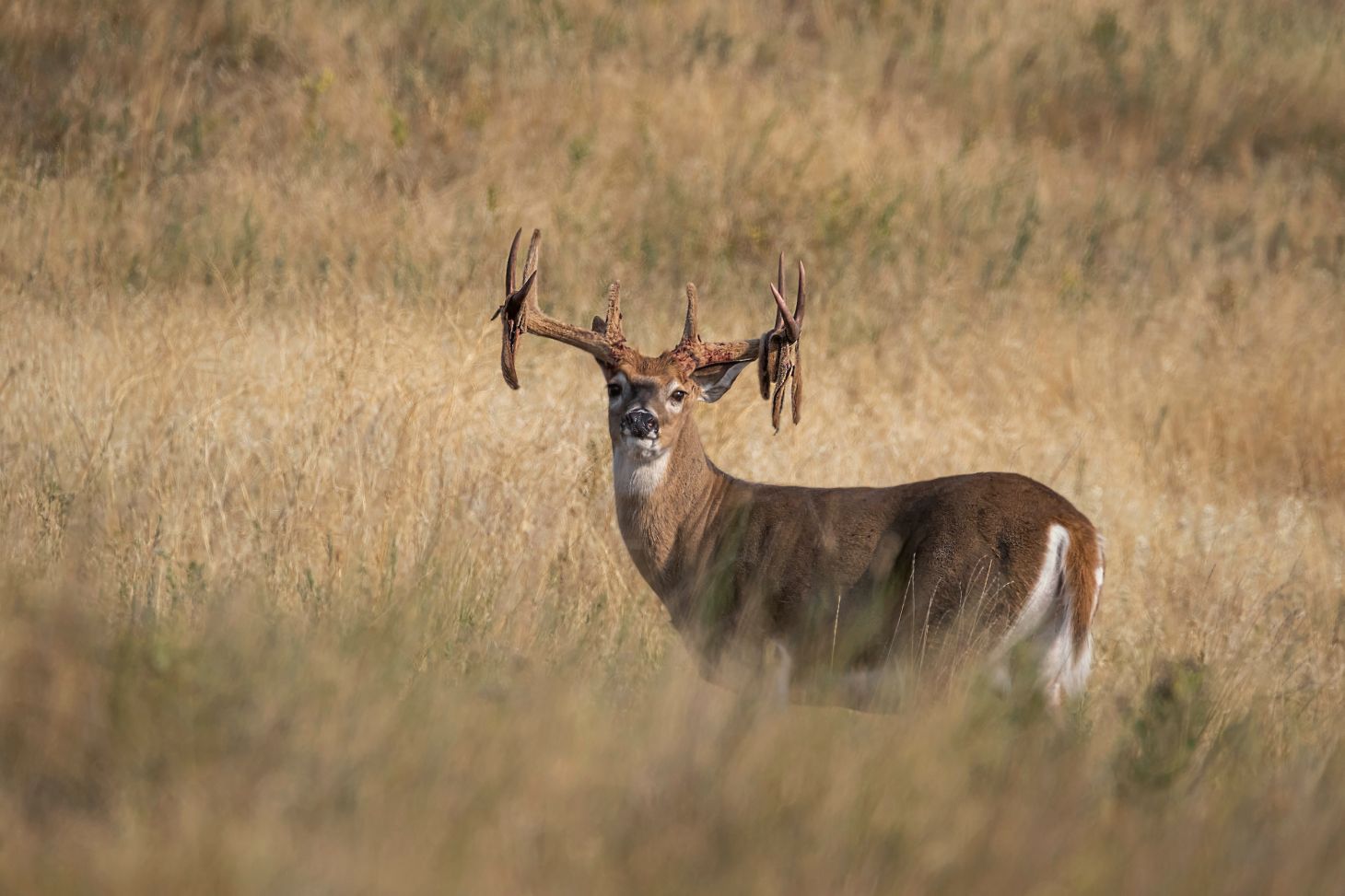
Some of the most confusing rubs are the ones bucks make in the first weeks after velvet shed. Many hunters believe that bucks rub early to scrape velvet from their antlers, but this isn’t always the case. Velvet can peel off on its own if a buck lets it, and many early season rubs are more about a buck being a buck—and leaving his calling cards—than about scratching an itch.
The most important things to know about early-season rubs is that they are typically made by mature bucks and that the old “big rub equals big buck” conventional wisdom doesn’t apply now. Mature bucks will pick on any-size tree or shrub early in the fall, and research has proven that these older deer are far more likely to rub during this phase than their young buddies. In short, find an early-season rub, no matter what the tree size, and it’s probably made by a buck worth hunting.
And it gets better. Since the home ranges and core areas of early-season bucks are both quite small, rubs found in the weeks after velvet shed can be hugely important. Most of the early-season rubs I find are in or near food sources, and they represent excellent hunting opportunities, because those rubs mark an area that a buck fully intends to return to the next time his belly is empty, whether it’s the edge of an alfalfa field or an oak flat. In short, if I find even a tiny sapling freshly shredded near a September food source, I’m looking around for a stand tree. And you should be too.
Related: Why You Need to Jump on Early-Season Deer Sign
How to Hunt Mid-Season Buck Rubs
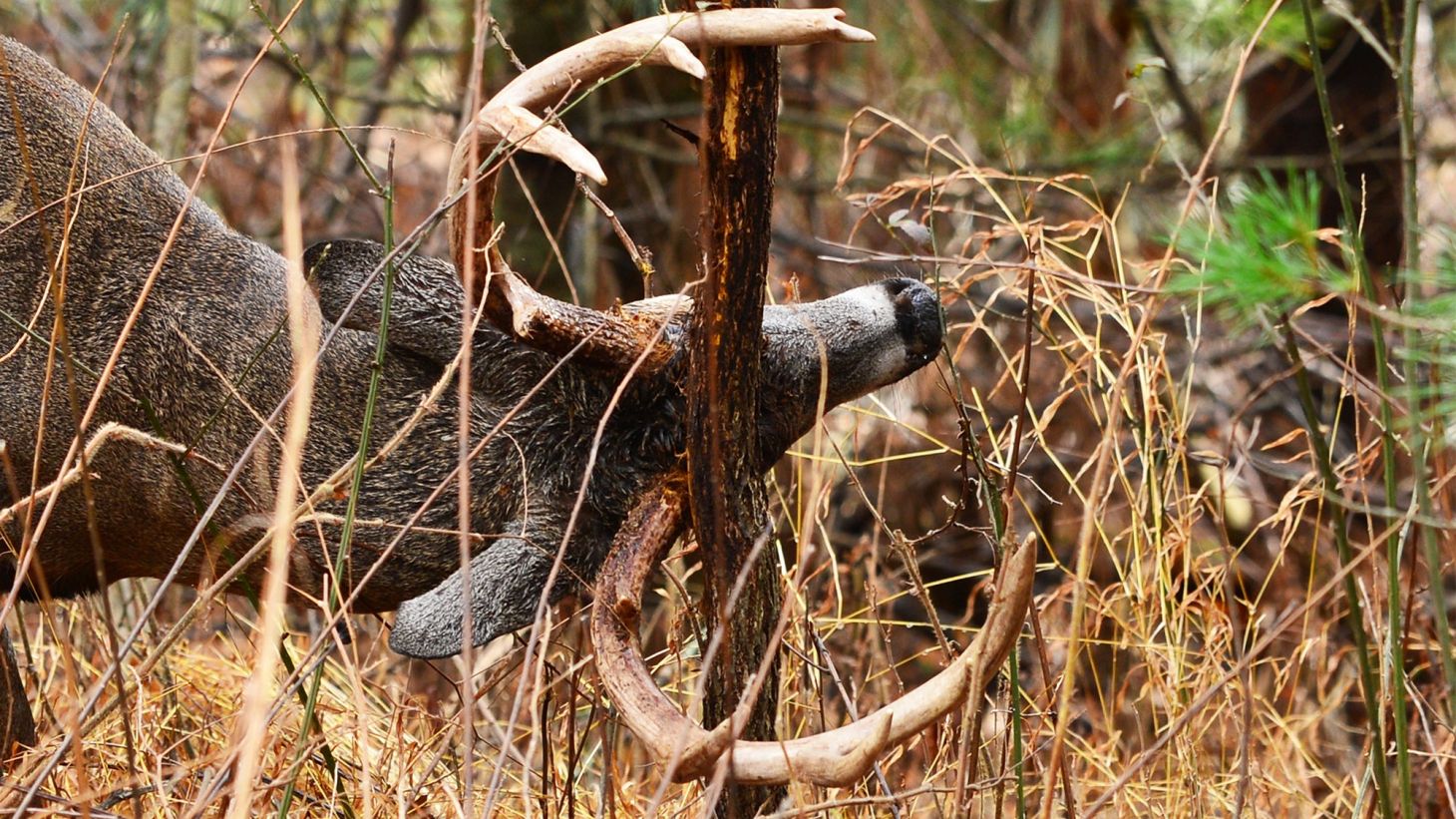
As fall progresses, bachelor groups of bucks break up and some members disperse to new territory, leaving buck sign as they settle into their new homes for the fall. In my experience, this is the period when I’m most likely to encounter one-and-done rubs and scrapes. Younger bucks are starting to experience a testosterone dump and are figuring out what those antlers are for, laying down sign somewhat haphazardly.
This is the time of year when I believe rub size becomes important, too. Rubs on smaller trees are often made by younger bucks, especially if they’re a solitary rub as opposed to a cluster or easily-discerned “line” that indicates travel. Conversely, rubs made on larger trees—especially if they’ve clearly been revisited and freshened and particularly if they’re accompanied by a scrape or two—tip me off to a mature buck. Whenever you find this sign near a prime food source, a good buck bedding area, or a travel corridor between the two, it’s definitely worth a sit or two.
How to Hunt Pre-Rut and Rut Rubs
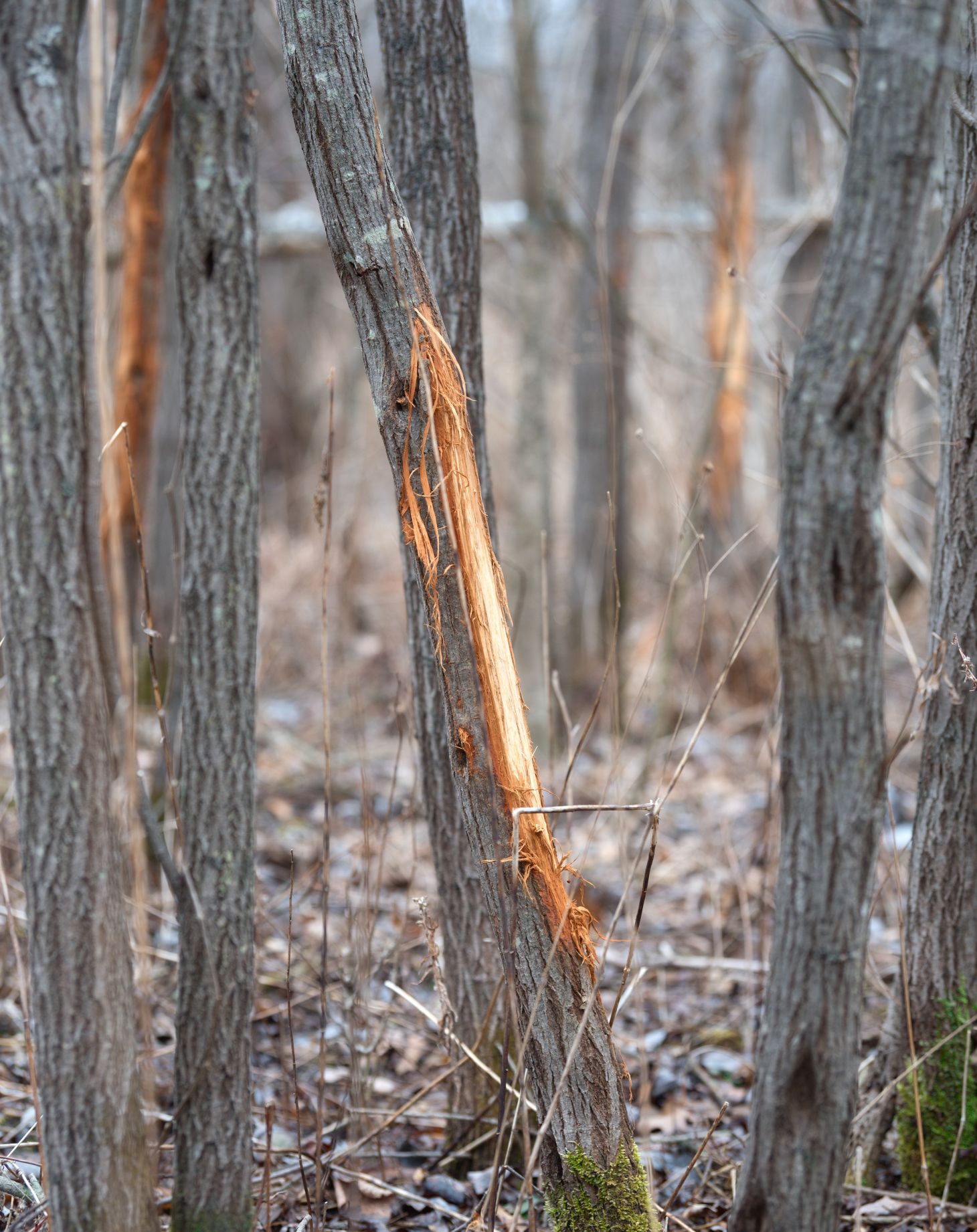
Rubs, and scrapes for that matter, become especially important during the immediate pre-rut. By now, mature bucks have settled into a home range where they’ve found food and security, and if you can find their spoor now, you can start formulating a high-odds game plan. With testosterone levels rising, bucks will start laying down and revisiting more sign by the day. The 10-or-so-day period prior to peak breeding is one of the very best times to set up on a hot rub line, but keep in mind that this is a rapidly-closing window. As soon as the first doe in their area comes into estrous, bucks will start paying less attention to sign and more attention to live deer. Naturally, they’ll return to re-check rub lines and scrapes when they’re between does, but the ideal time to hunt this sign is right before the breeding peak.
That said, it can be worth paying attention to fresh rubs through the heart of the rut. It’s not necessarily sign that you want to set up directly on, but new rubs on the downwind side of a doe bedding area, for example, or the edge of a doe feeding area, tell you that a buck or bucks are swinging by these spots looking for mates.
Related: How to Hunt Buck Rubs During the Rut
How to Hunt Late-Season Buck Rubs
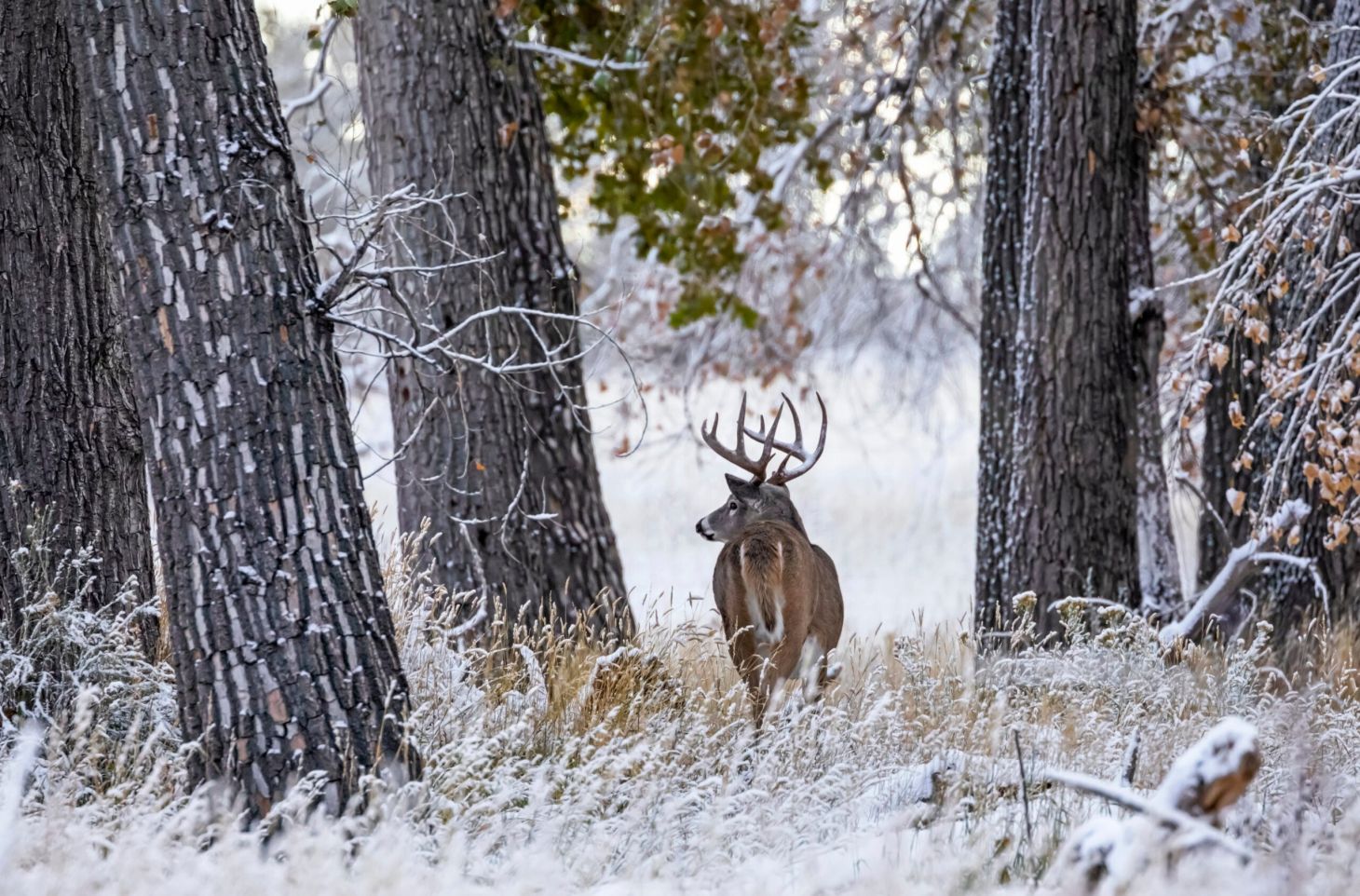
Once the rut is in the rearview, things basically come full circle when it comes to rubs. Just as they did in early season, bucks tend to shrink their home range again and refocus on areas with security and a good food source. While bucks are ready and willing to breed any hot doe at any time, they’ve just spent over a month doing little more than chasing and breeding; this means their main focus now is loading on calories and resting up.
Consequently, it’s tougher to find fresh rubs now, and when you do, they’re almost certainly going to be close to a food source. And though they may be few in number, late-season rubs can be critical discoveries; I do a lot of hunting near waste-grain fields, food plots, and oak stands now, and often there are multiple trails deer use to enter these food sources. Since I may only get a few precious chances to hunt a given food source, guessing on the right entry trail that a buck will use is super important. Any fresh rub facing the food indicates a buck’s favorite route to the groceries, and that’s where I’m hanging my stand.
While late-season rubs can be important, I never cover a lot of ground near any one food source to find them. Remember, bucks are tired and probably not bedding far from the food. Go bonking around searching for rubs and you’re likely to bump your buck and reduce any chance he’ll answer his dinner bell before dusk. I actually like to wait until hunting season closes, then scout for rubs (and other buck sign) near late season food sources. While it won’t help me tag a buck that year, it’s information I can file away for future seasons. Even if the buck that laid down that sign isn’t alive next fall, there’s an excellent chance other bucks will use the same terrain and trails—giving you a leg up for next year.
Read Next: Buck Scrapes: Pay Dirt or Fool’s Gold
content_whitetail-hunting

EXCITING NEWS
Membership Now Includes

Recommended Products
Read the full article here