
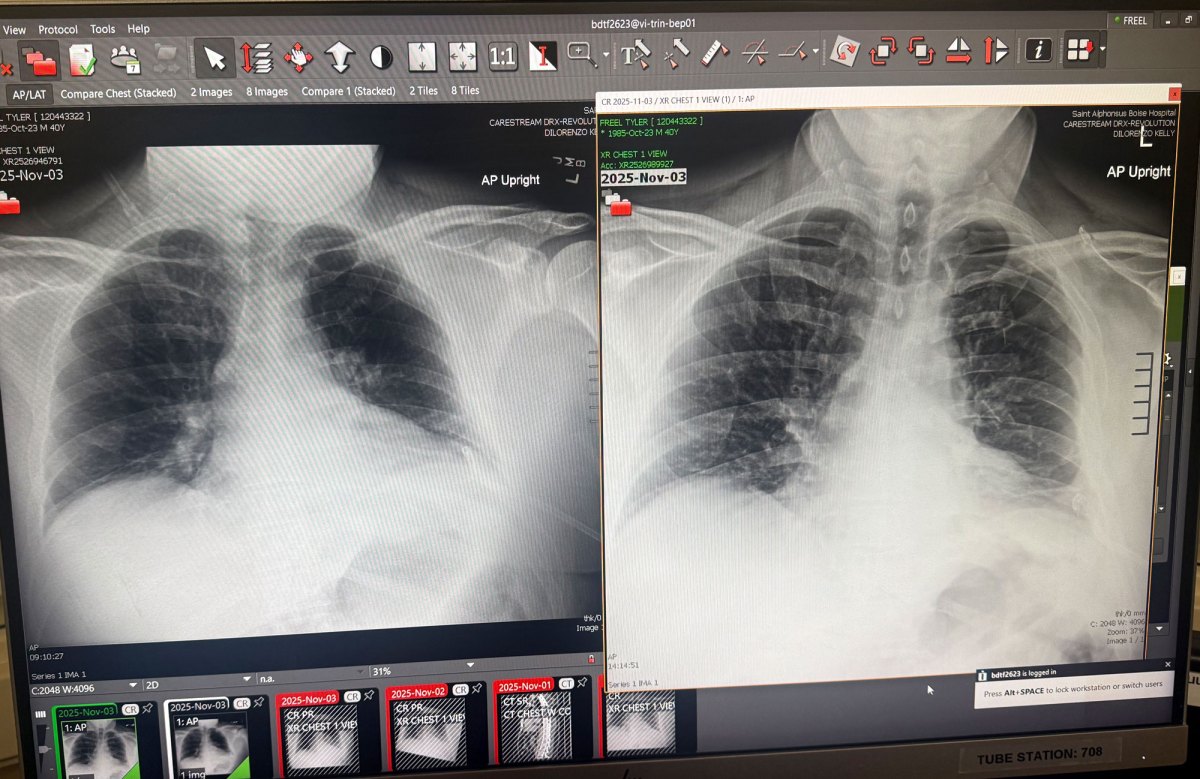
Venturing into the backcountry always comes with some level of risk. With experience, we learn to measure and manage those risks while recreating in the woods and mountains. In other words, we do our best to be safe while doing dangerous things — but accidents still happen. I’ve had my fair share of close scrapes and near misses, but last year a horse wreck in the mountains of Idaho put me on the operating table at the Saint Alphonsus Trauma Center in Boise, under the knife of Dr Caleb Mentzer.
Dr Mentzer isn’t only a trauma surgeon, he’s a former rafting guide who’s passionate about both medicine and playing hard in the outdoors. Eight months after my surgeries and hospital stay, I got to catch up with him for the Outdoor Life podcast and talk about what really causes most backcountry injuries, how to stay safe, and what to do if you do get hurt.
It’s The Simple Things That Hurt You
Dramatic and crazy accidents and injuries make for popular headlines, so that’s what we often think of when it comes to backcountry injuries. Lightning strikes, bear attacks, and other events can certainly happen, but that’s not how most people get seriously hurt. Dr. Mentzer is a trauma surgeon at one of the northwest region’s biggest hubs for outdoor recreation and if you see him, you’re seriously injured. He treats a lot of the worst injuries and has some valuable insight into the most common causes. Perhaps surprisingly, most serious injuries aren’t the result of the activity itself, but from traveling to and from it. People get hurt wrecking ATVs, dirt bikes, snowmobiles, and, in my case, barn-sour horses, while heading into or out of the mountains far more often than they get hurt hunting or hiking.
Ultimately, staying safe and avoiding accidents requires attention to detail on every step of the process. It’s important to pay attention and make good decisions the whole time you’re out there. In our interview, Dr. Mentzer pointed out that falls are a very common cause of injury, too. Over many years of hunting in steep country, I can tell you that just walking in the mountains requires constant diligence. One misplaced step can result in serious consequences.
Preparedness Is a Plan
Just like most accidents are caused by the mundane, the best way to be prepared is simple. Have a plan. Whether riding or hiking in the backcountry, our equipment and training is always limited. It’s important to have some basic tools and knowledge for first response, but if you get seriously hurt in the woods or mountains, you’ll need help. Having an emergency plan and reliable communication is one of the biggest advantages you can give yourself.
A Garmin Inreach Mini, or similar satellite communication device is one of the most effective tools you can buy, and they save lives every day. Additionally, an affordable emergency rescue insurance plan will cover the costs if you do need an emergency extraction and, perhaps, make you less reluctant to send the call for help if you need it. If you use a Garmin device with SOS capabilities, you can buy the rescue insurance through Garmin for about $30 per year. That covers your rescue and transport costs if you use your SOS for an extraction. Global Rescue is another option, which can be purchased for short-term trips or as an annual membership and will coordinate your rescue and travel from anywhere in the world.
I was driven out of the mountains to a hospital but, in hindsight, we should have called a helicopter. We knew I was hurt badly, but did not know that I was bleeding internally. I was lucky to make it to the hospital and get a blood transfusion in time, and a more decisive emergency plan could have gotten me there more quickly.
Time to Punch Out
Most of us will encounter some sort of backcountry injury if we spend enough time out there. One real challenge, and critical component to your survival, is recognizing the severity of injuries and knowing when to call for help. Hitting the SOS button should be used as a last resort, and no one wants to be the spray-tanned social media influencer who gets dehydrated on a day hike and calls for a chopper, but there really is a time to pop smoke.
Dr. Mentzer regularly rides and snowboards in the backcountry and has suffered several injuries himself. Ultimately, he says that you’ve got to go with your gut. If you know, or think, you’re seriously injured, get help. Getting to medical care quickly gives you the best chance of survival and, for many injuries, doctors can intervene and prevent catastrophe if you can get to them soon enough. If your injuries aren’t life threatening, it’s a matter of the pain you can tolerate to be able to get yourself out.
Read the full article here