
As Field & Stream has previously reported, the world-famous Blackfoot River is facing major conservation challenges at the moment. Threats range from various gravel pits, to a proposed gold mine in the river’s headwaters, and an AI data center near its confluence with the Clark Fork. Now, a coalition of local ranchers, hunting outfitters, and public land advocates is teaming up to protect important game habitat in the public-land watershed that drains into the river.
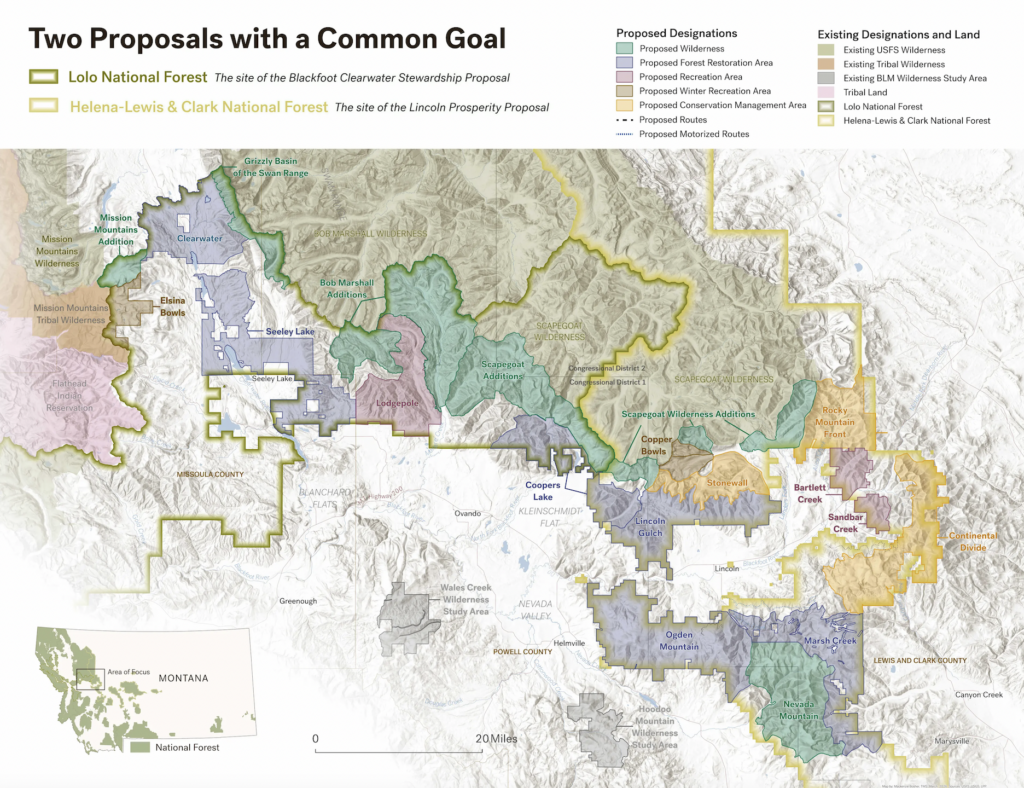
The plan, known as the “River Runs Through It Proposal”, would add additional acreage to two beloved Wilderness Areas in the watershed: the Bob Marshall and the Scapegoat. It would also designate existing National Forest and Bureau of Land Management lands as forest restoration areas, recreation areas, and conservation management areas while creating a new federally designated Wilderness Area south of the Bob Marshall Complex called the Nevada Mountain Wilderness.
The plan incorporates all the main tenets of the Blackfoot-Clearwater Stewardship Proposal, which former Montana Senator Jon Tester tried to pass repeatedly during his tenure. It also pulls in elements of another protection plan long in the making called the Lincoln Prosperity Proposal.
According to Jessy Stevenson, Crown of the Continent Specialist for the Wilderness Society, author John N. Maclean, son of Norman Maclean, had the idea of naming the plan after his father’s famous novella based on the Blackfoot. “John has been a major supporter of this work,” Stevenson tells F&S. “He gave a great speech at a recent Montana ambassador’s meeting in Washington, D.C. and offered up the iconic “River Runs Through It” name. It means a lot to us to have the support of the Maclean family.”
Stevenson says the plan would add a combined 100,000 acres of US Forest Service lands to the Scapegoat and Bob Marshall Wilderness Areas, famous destinations for backcountry elk hunting. “It would also add a chunk to the Mission Mountain Wilderness,” she says. “And the new Nevada Mountain Wilderness Area (just south of Lincoln, Montana) would be about 30,000 acres in size.”
Benefits for Hunters
For big game hunters—who travel to hunt the area from all over the country—that means increased protections for vital migration corridors, local outfitter and mule packer Chris Eyer tells F&S. A resident of nearby Ovando, Montana, Eyer has been a proponent of the proposed protections for nearly 20 years. He says the plan has garnered widespread support—not just from locals but from public land users all over Montana.
“This would bring the Wilderness boundaries for the Scapegoat and the Bob further down into the front country and create a better migration corridor for all wildlife,” Eyer says. “The addition of the Nevada Mountain Wilderness would better link this Northern Rocky Mountain region with the Greater Yellowstone. It would create a corridor where game can move more freely between these two giant ecosystems, and that would only improve the public-land hunting in this area. It’s a big deal.”
Eyer, who runs pack trips into the Bob Marshall Wilderness through his company Heart W Outfitters, says his primary hunting grounds are in the Upper North and South Fork drainages of the Blackfoot River. “Blackfoot Valley elk herds are bigger than ever right now,” he says. “But because they’ve altered some of their migration patterns, they’re spending more time on private ranches that are largely inaccessible for public land hunters.” The designation of more Wilderness Area refuge could improve hunting, he says, by bringing herds off of private land and onto the public, where hunters could access them during fall seasons.
Longtime Collaboration
The proposal has broad support, not just from wilderness hunters, but from local ranchers, timber interests, mountain biking groups, and even OHV enthusiasts. That’s because decades of collaboration and compromise have brought a diverse cross section of user groups to the table, Eyer says. In addition to the Wilderness additions, for example, the plan creates new snowmobiling opportunities near the community of Seeley Lake. It also requires the Forest Service to prioritize timber thinning and other active forest management protocols across the entire Seeley Lake Ranger District.
Read Next: Mining and Data Center Threats Close In on Montana’s Famed Blackfoot River
As of this writing, the River Runs Through It plan is still in the proposal phase. According to Wild Montana, another key non-profit organizer alongside the Wilderness Society, multiple county commissioners have issued letters of formal support in hopes that someone in Montana’s Congressional Delegation will introduce the proposed legislation. While that hasn’t happened yet, Wild Montana says, Montana House Rep. Ryan Zinke did dispatch staffers to the area earlier this week to assess its support among local stakeholders.
The post “River Runs Through It” Act Would Protect Key Big Game Habitat in Western Montana appeared first on Field & Stream.
Read the full article here