
We may earn revenue from the products available on this page and participate in affiliate programs. Learn more
Decisions, decisions. If you’re a fly angler, you have lots to make. Yes, there are plenty of different lures on tackle-shop shelves, but not nearly as many as there are different fly patterns in well-stocked shops, where you can find yourself staring at 50 different streamer flies, and none of them are crafted exactly the same. Subtle differences can completely change their functionality, too. The same goes for dry flies: One floats high on the surface, then next rides low in the film, and another has a wing style that’s easier to see in low light. So, which are the best? And how to you choose?
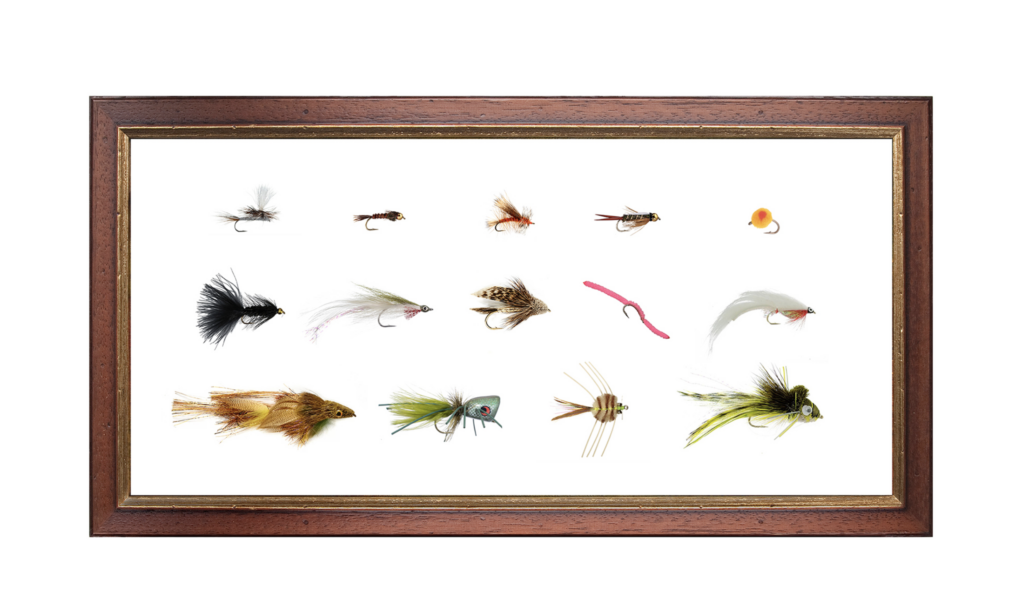
One great place to begin is by looking at classic patterns that have stood the test of time and have been catching fish for decades. Many of those flies are on the list below. But you also have to factor in modern advances that have helped to create standout new patterns. With all of that in mind, below are my picks for the 25 greatest flies ever tied. Some are old, some are new, but they cover all the bases. Put them in your vest, and suddenly, choosing the best fly for the fish you’re after will get a whole lot easier.
The Greatest Freshwater Flies
Wooly Bugger
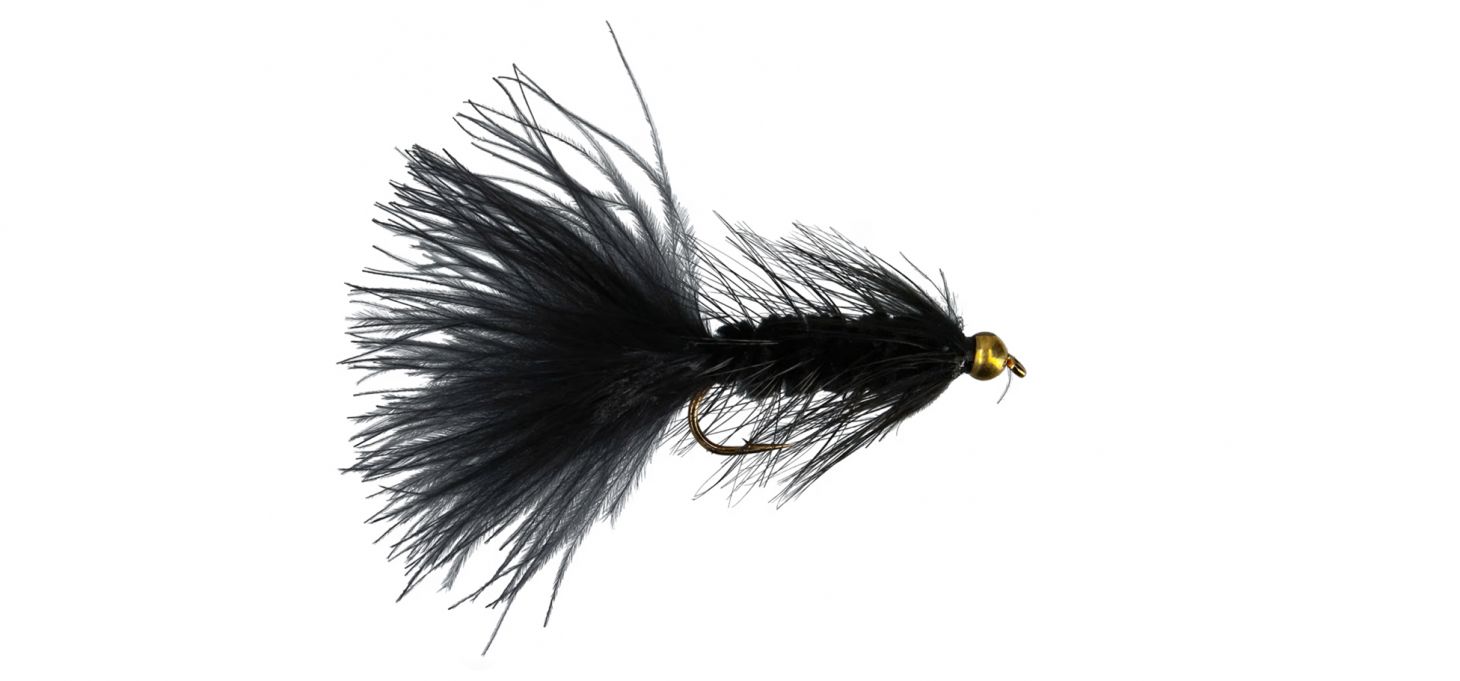
Wooly Bugger
Target Species: Trout, bass, panfish, carp
Key Features: Marabou-feather tail; chenille-and-spun-hackle body; weighted core or head
The Wooly Bugger may be the most versatile and productive fly ever created for use in freshwater. What makes this bug so great is that it packs the functionality of multiple fly patterns all into one incredibly simple design. Whereas many flies represent one forage, the Bugger can mirror almost anything you need it to, depending on the sizes and colors you have and how you present it to the fish. Strip a big white bugger aggressively, and it’s a swimming baitfish. Drift a small, black bugger below a strike indicator, and it’s a stonefly nymph. Twitch an olive, orange, or brown Bugger along the bottom, and it’s a crawfish. Most important, no matter what you make it imitate, the Wooly Bugger also has that key quality that all great patterns do: It just catches fish.
Adams Parachute
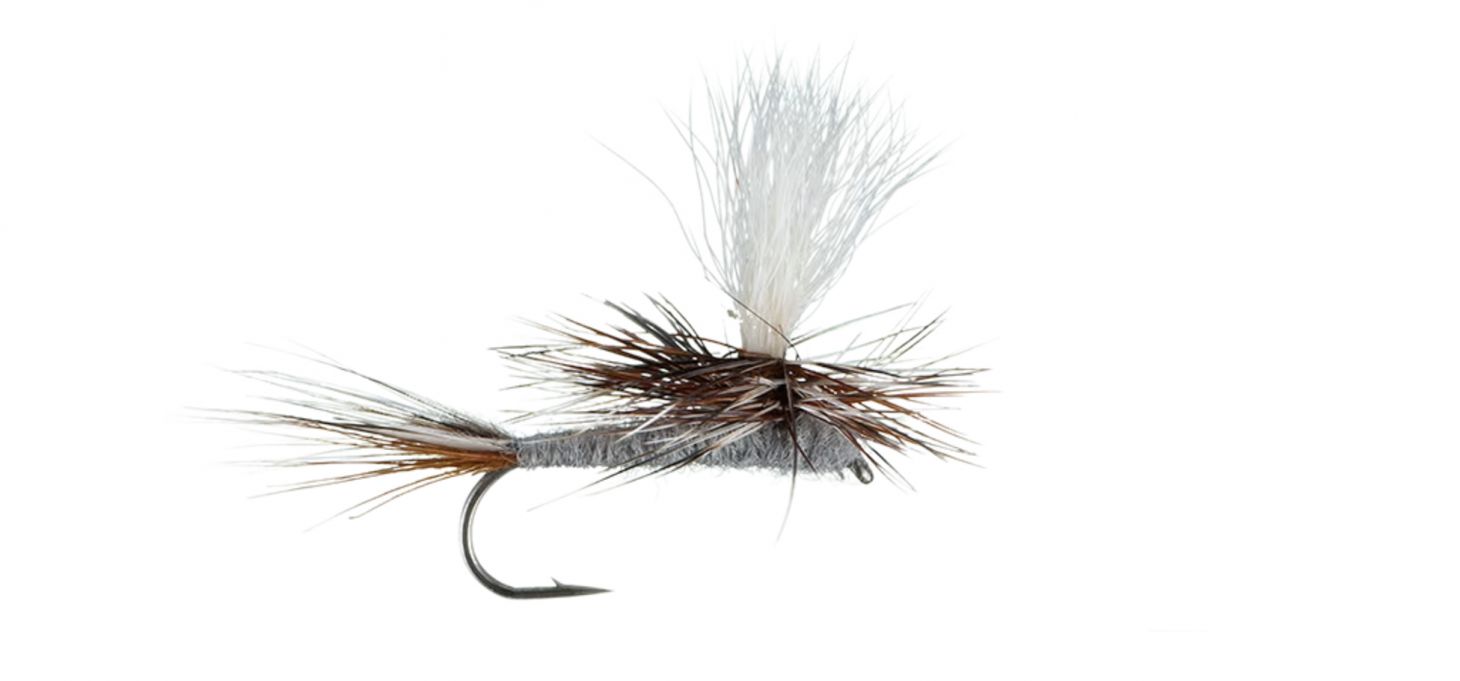
Adams Parachute
Target Species: Trout
Key Features: Highly visible parachute post, sparse tail, gray body
Part of being a good dry-fly fishermen is being able to identify specific bugs hatching on the river, and many dry fly patterns are meant to help you take advantage of that knowledge by mimicking those bugs exactly. The Adams Parachute isn’t one. In fact, it’s a bit of a black sheep in this regard. But that’s part of what makes it great. Instead of representing a specific aquatic insect, this simple upwing pattern, tied with neutral colors, essentially represents all of them. If you carry an assortment of Adams in your box, all you have to do is match the size of the bugs that are hatching, and there’s a strong chance you’ll get trout to rise to this fly no matter how keyed in they are on something specific. Whether it’s a crutch or a savior is up for debate, but you won’t find many trout fishermen that don’t have an Adams or three on hand—or who won’t tie one on when the fish are refusing all other patterns.
Drunk & Disorderly
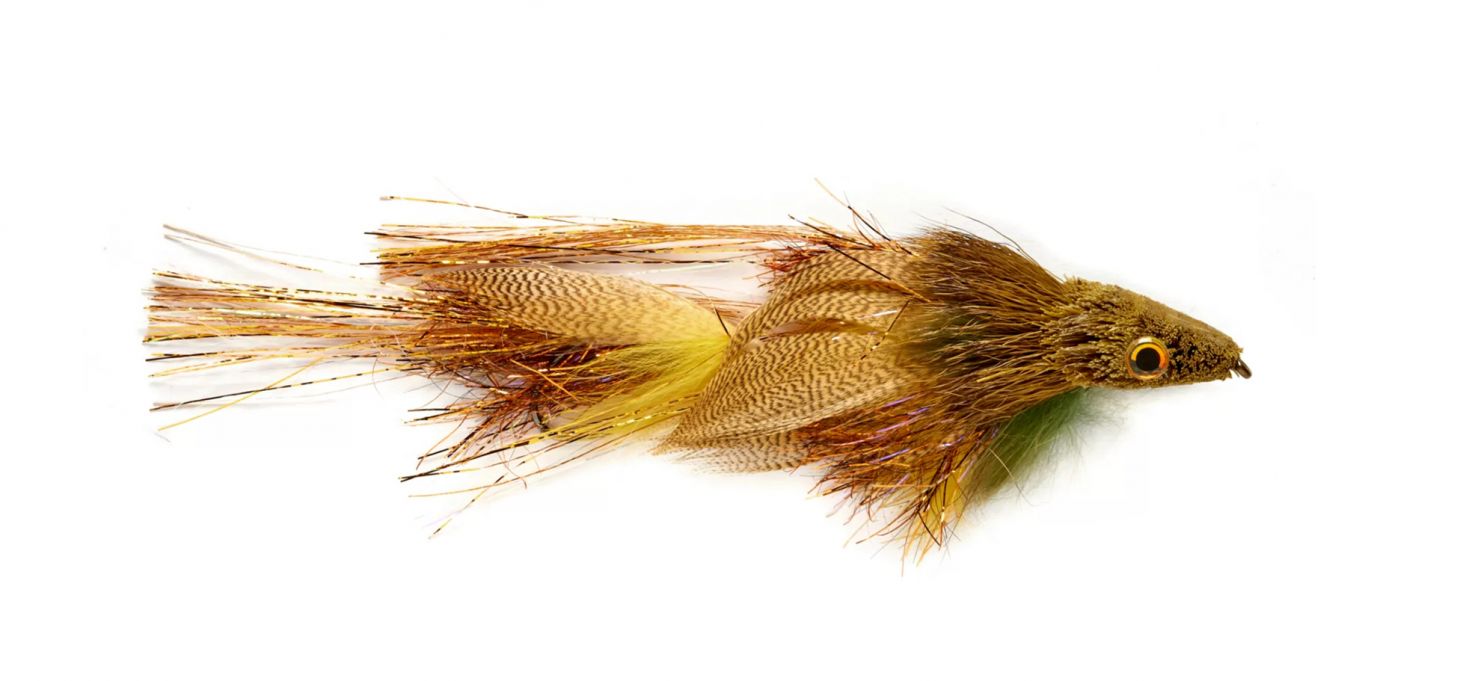
Drunk & Disorderly Streamer
Target Species: Trout, bass, pike
Key Features: Sharply angled head, jointed body, lots of flash
Born at the vise of noted Michigan-based trout guide, Tom Lynch, the Drunk and Disorderly, or D&D, isn’t for beginner fly anglers—but, boy, does it hammer big fish. The angle of the shaved deer-hair head was modeled after the lip of a classic Rapala Floating Minnow plug. However, unlike a plug that can be brought to life by simply reeling, the D&D requires some specific rod work to dance. It’s best fished on a sink-tip line, which creates a bow underwater that helps pull this buoyant pattern down when you strip. Short, fast strips will make it jackknife and change directions, exposing its flashy side profile as it moves. It will wear out your arms by the end of the day, but something about its action upsets giant brown trout, smallmouths, and pike so much that they usually can’t help but slam this streamer.
Prince Nymph
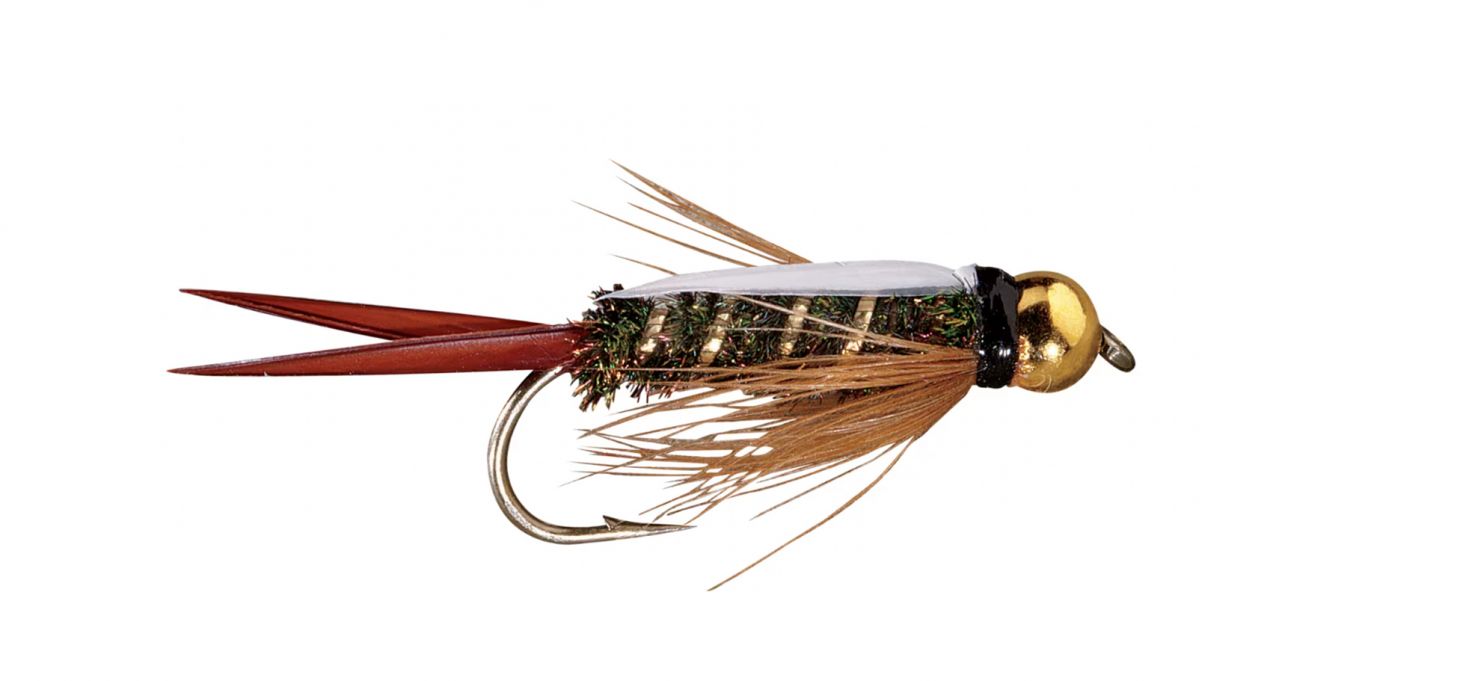
Prince Nymph
Target Species: Trout, panfish, steelhead
Key Features: Split white wing, ribbed body, split tail
The Prince Nymph was created by California-based angler, Doug Prince, in the 1930s, and it’s been hammering trout the world over ever since. Though it was technically designed to mimic a dark stonefly in its larval stage, the Prince is now revered as a generic catch-all that works at almost any time or place. Its potency comes from its contrasts; light wings against a dark body and a bit of flash next to a neutral tail give it the ability to represent a wide range of aquatic insects simultaneously, and it will look different depending on the light and water conditions. It’s particularly lethal in fast-moving water where trout have less time to study a meal. In the end, the Prince Nymph just looks “buggy” as it rides the current, and to a trout, that means “delicious.”
Girdle Bug
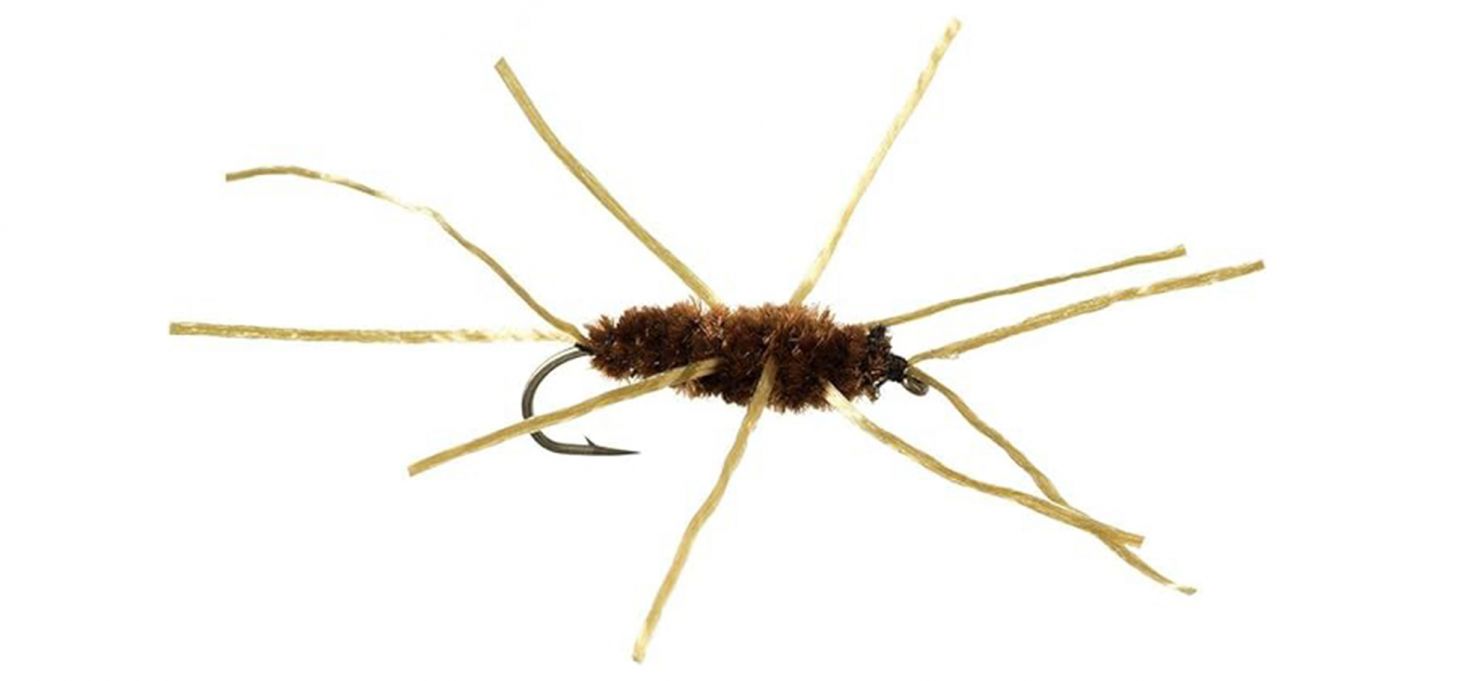
Girdle Bug
Target Species: Trout, bass, carp
Key Features: Long rubber legs, heavily weighted core
It’s not uncommon to hear a Girdle Bug called something even less dignified—the “turd fly.” It’s a funny name but also fitting, considering that the pattern is not much more than a long, brown, cigar-shaped body and some rubber legs. In the water, though, it has an almost magical ability to hook fish under tough conditions or when nothing else will. Like other flies that have made this list, the Girdle Bug likely started as one thing—a stonefly pattern that was easy for busy trout guides to tie for their clients—but it evolved into another. These days, it’s seen as a versatile and deadly generic pattern that can represent anything from a crayfish to a drowned beetle. It simply looks like food, and its weighted core gets it down fast, making it a ringer in deep holes. Because its long rubber legs create vibration, the Girdle Bug is a go-to in off-color water, too.
Zonker
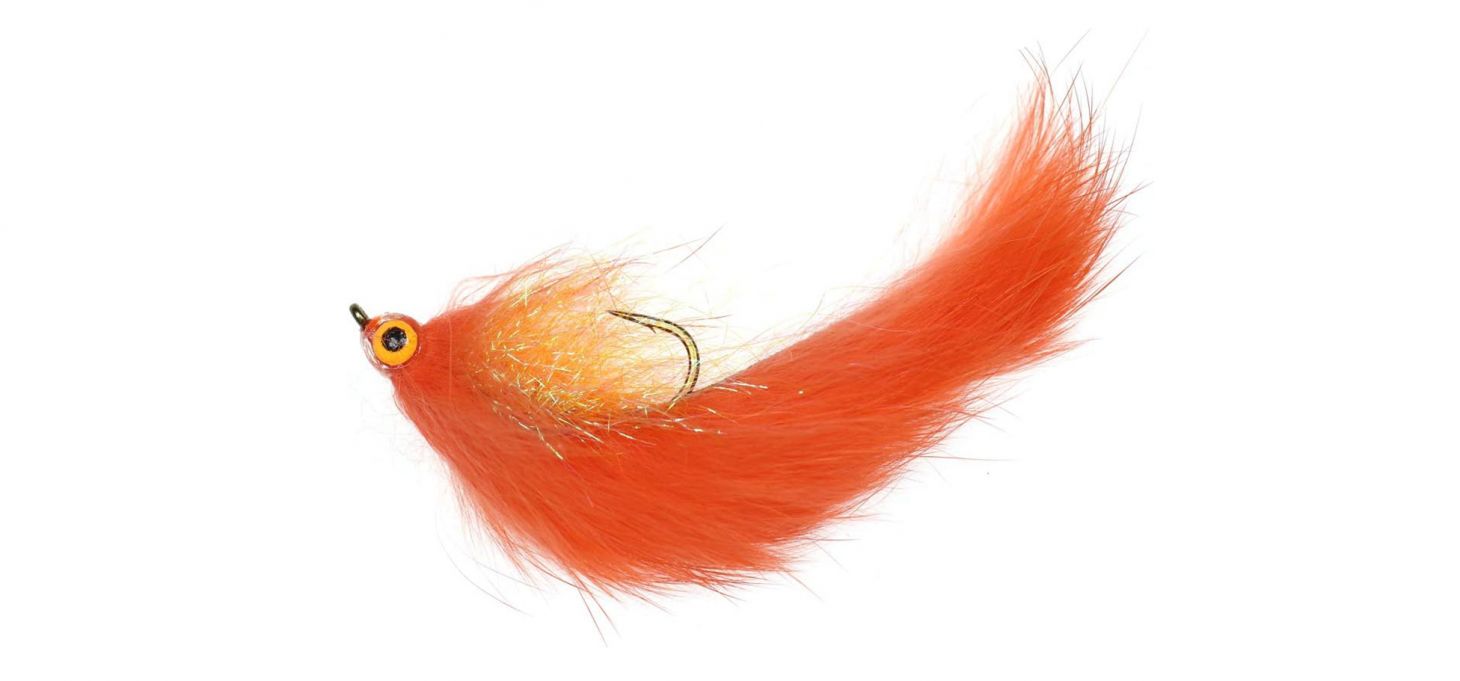
Zonker Streamer
Target Species: Trout, bass, pike
Key Features: Long rabbit-strip tail, weighted underbelly
The Zonker has been around for decades, and it’s one of the most effective baitfish-imitating patterns ever tied. Dan Byford, the owner of a fly shop in Colorado, is credited with the creation of the pattern around 1975. As the story goes, Byford drew inspiration from patterns coming out of New Zealand, where tiers leaned into rabbit hide as a tying material far more than their American counterparts of the era. A Mylar body hides the Zonker’s weighted core, which helps the fly get down quickly, and the single strip of fur tied to and extending past the long-shank hook seems to breathe underwater, adding lifelike action. Zonkers are available in a wide range of sizes and colors, all of which will get slurped by any predator that eats smaller fish.
BoogleBug
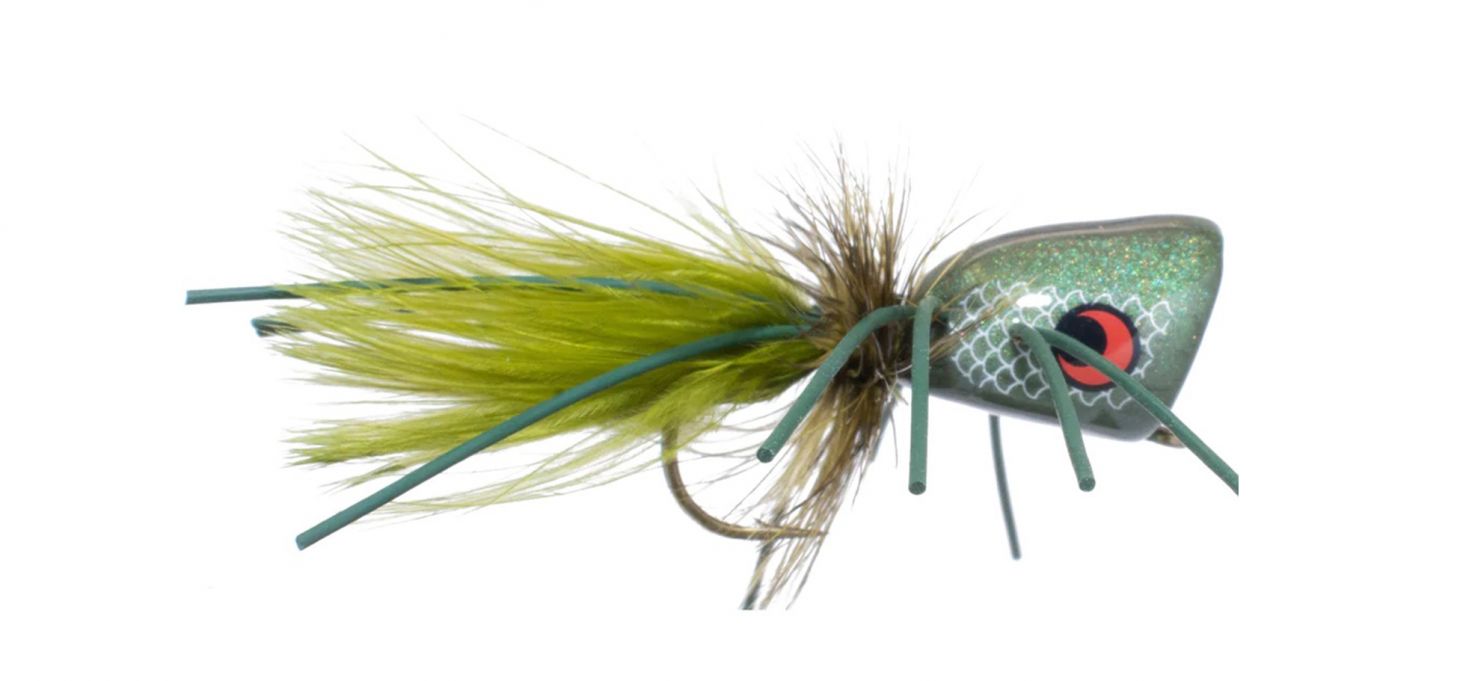
BoogleBug
Target Species: Bass, panfish
Key Features: Deeply cupped mouth; thick, epoxy finish; rubber legs
There is no shortage of popper flies on the market, but in my opinion, the BoogleBug stands alone. This isn’t because of it’s design, as the fly is far from revolutionary. What sets the Boogle Bug apart is its toughness. You can buy a bag of 30 poppers for $20 on Amazon, but don’t expect them to last long or to be tied on quality hooks. Boogles, on the other hand, are finished in a thick epoxy coating that is very hard and tough to chip or crack. Another benefit of this finish is noise. When a BoogleBug lands on the water, it has a distinct slap that I believe gets the attention of fish faster than the softer plop of foam or hair poppers. This bug’s deeply scooped mouth also moves a lot of water when you pop it, which drives smallmouth bass nuts.
Stimulator
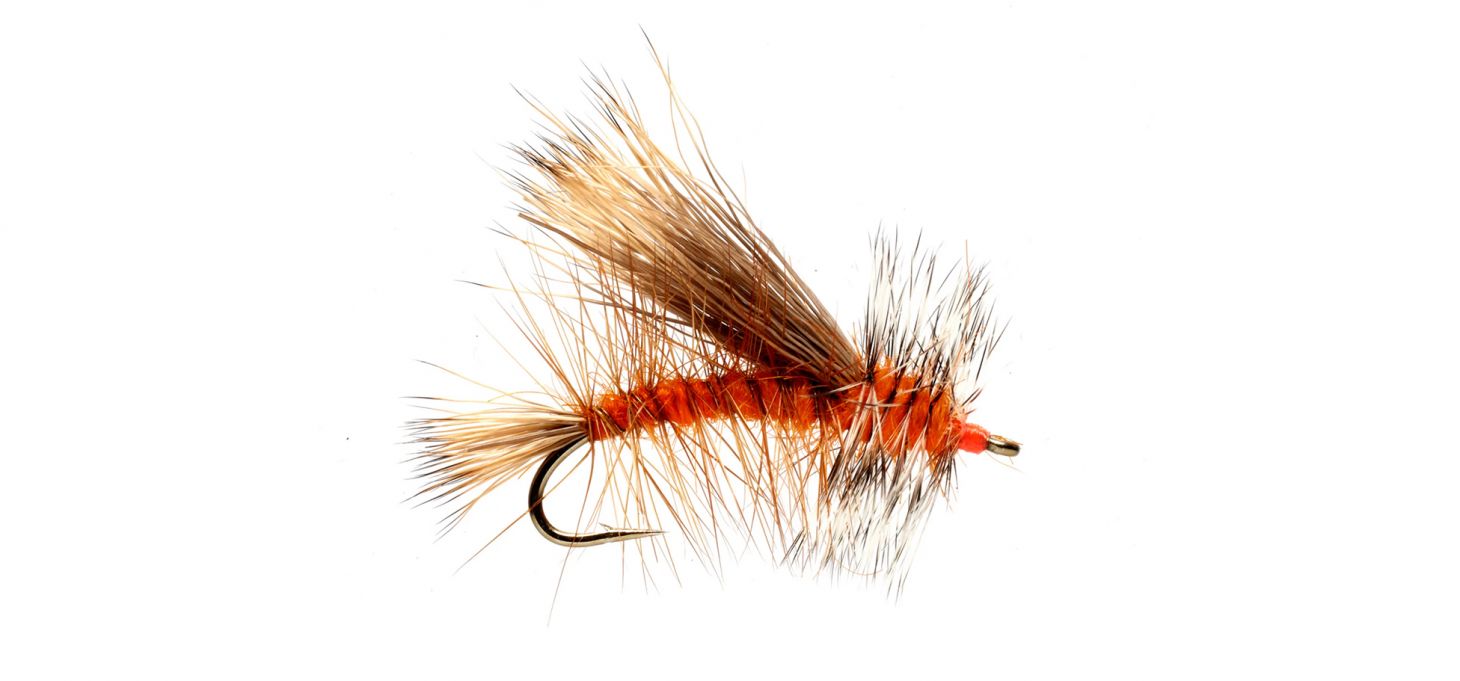
Stimulator
Target Species: Trout, bass
Key Features: Buoyant elk-hair wing; large, buggy profile
The Stimulator—or “Stimi”—does exactly what its name suggests; it stimulates fish into eating, even if they aren’t hungry. While this pattern can make trout rise anywhere, it’s most closely associated with Western trout fishing, where species like cutthroats and rainbows are often more opportunistic, rising to feed regardless of whether a hatch is occurring or not. Thanks to its large profile, a Stimulator can mimic anything from a grasshopper that fell into the river to a giant stonefly riding and skittering on the surface. Because this pattern is so buoyant, many anglers tie a length of leader to the bend of the hook and add a tiny nymph dropper fly below it, offering trout a surface and subsurface meal simultaneously.
San Juan Worm
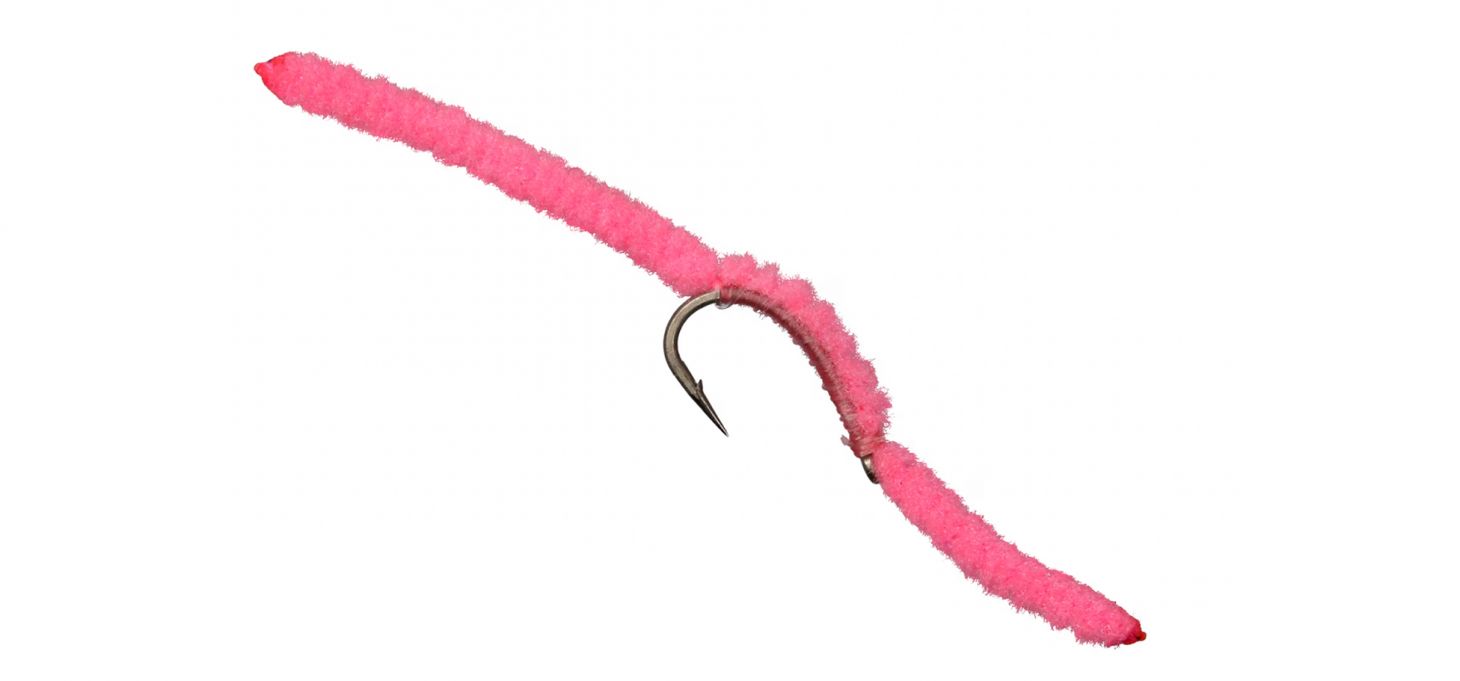
San Juan Worm
Target Species: Trout, panfish, carp, steelhead
Key Features: Long, chenille body
Even in fly fishing, it’s hard to beat a worm. In some circles, this fly is scoffed at, but nobody can argue with its ability to produce fish. Made of just two materials—chenille and thread—the San Juan Worm is as simple a fly as you could ask for, but when one of these morsels goes wiggling and wagging past a trout, it’s rarely refused. Although San Juan Worms are available in a variety of natural shades of brown, hot pink is one of the most potent colors. In winter, when bug life drops way off, a pink San Juan fished below a split shot on a dead drift is an absolute crusher.
Salmon Egg
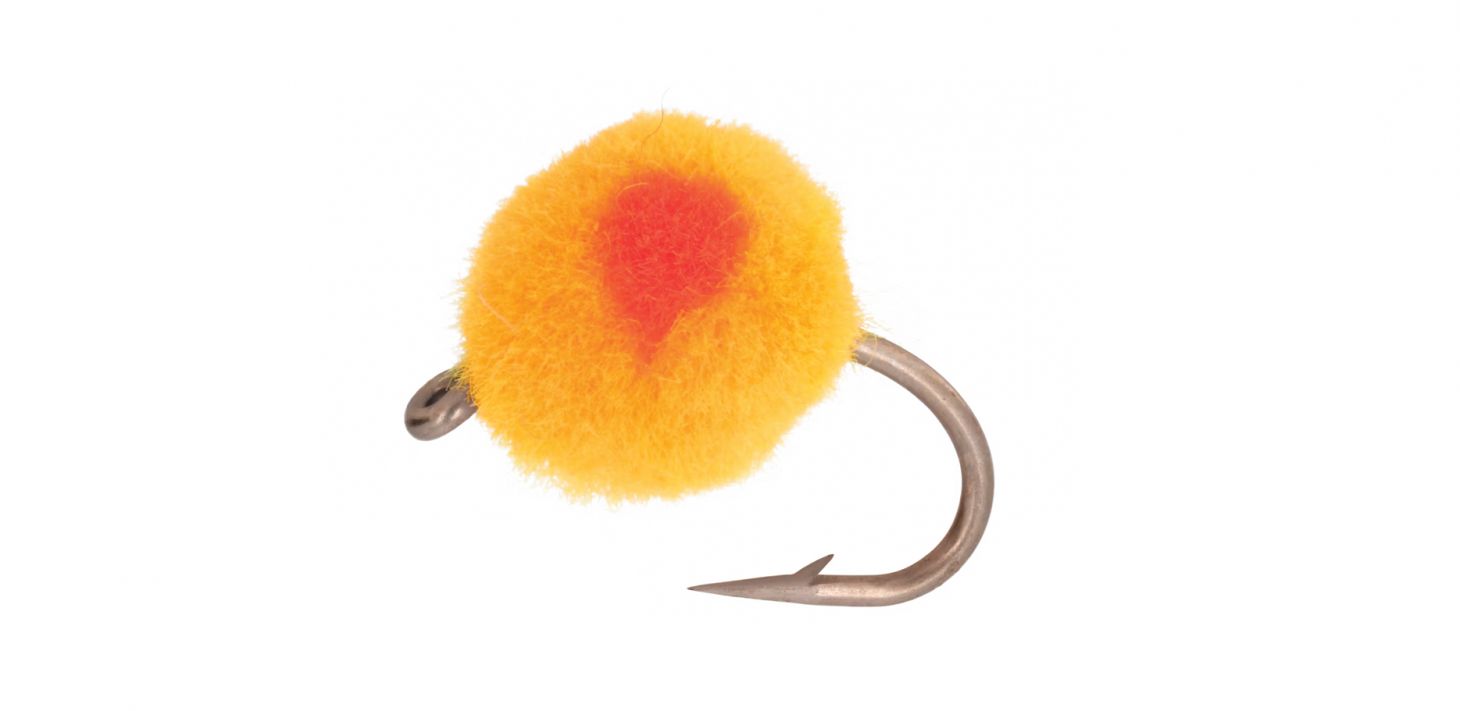
Salmon Egg
Target Species: Trout, steelhead, carp
Key Features: Available in a huge array of colors and weights
Fly fishing is all about matching the hatch, which makes egg flies somewhat controversial. In river systems that host spawning wild or introduced steelhead, salmon, or lake-run brown trout, these flies do, in fact, mimic a primary food source, as the natural eggs of spawning fish provide protein-rich morsels that are quickly gobbled up. However, you can take a salmon egg fly to any river holding trout, and even if those fish have never even sniffed a natural salmon or steelhead egg, they’ll eat it. Some people believe recognizing eggs as a food source is an instinct in all trout, while others just think a bright, round thing in the water simply looks edible. Either way, egg flies can save the day on any trout stream, and as they also look like berries, carp love them, too.
Pheasant Tail
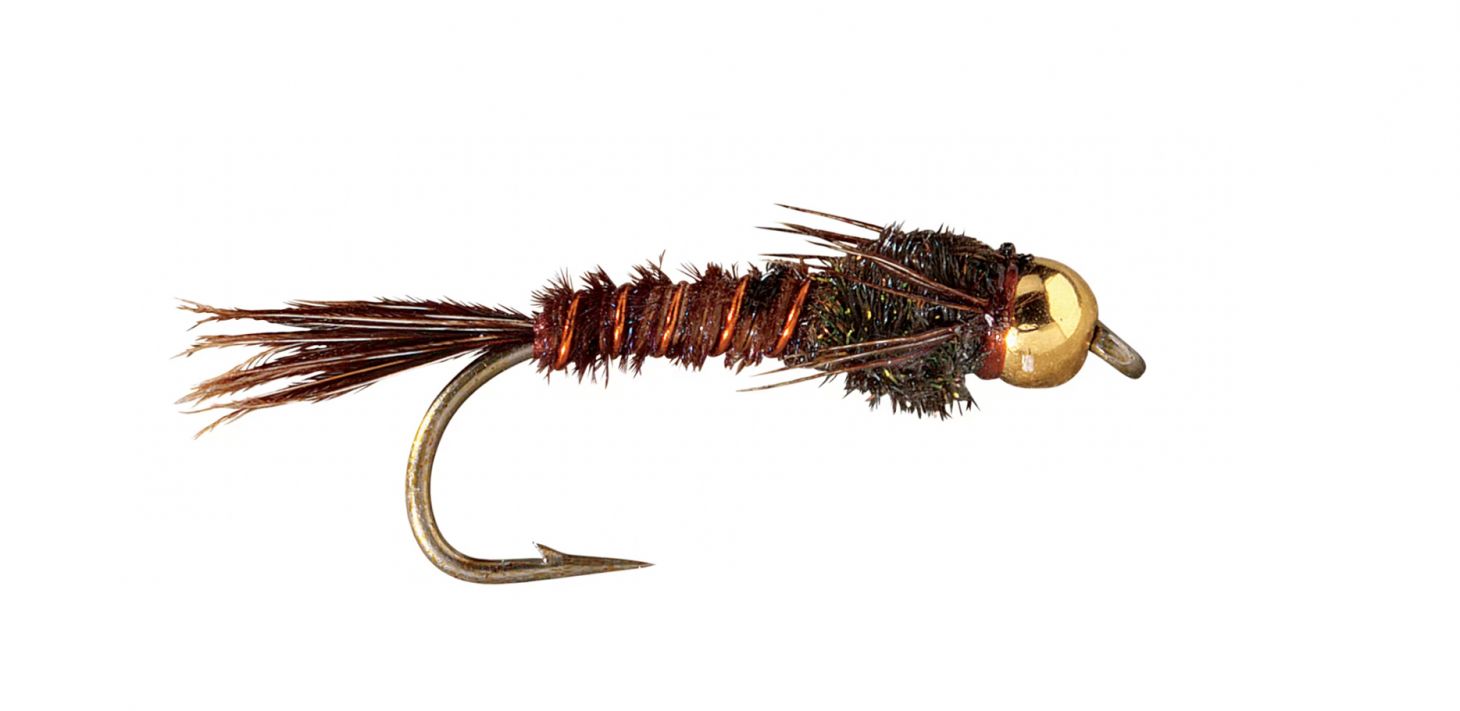
Pheasant Tail
Target Species: Trout, panfish
Key Features: Copper ribbing, peacock-herl thorax
Invented by English river keeper, Frank Sawyer, in the 1950s, the Pheasant Tail was made to imitate a variety of mayflies nymphs in the famed chalk streams of the U.K. All these decades later, it’s still one of the most productive nymph patterns ever tied. With its dark color and sparse profile, it look like so many bugs in their larval stages that you can never go wrong fishing one, especially if you don’t know exactly which aquatic insects are crawling around on the bottom. The Pheasant Tail is also a common dropper fly because in small sizes it’s very light. A mid-sized dry fly can easily support a tiny pheasant tail hanging below it. It’s a top choice for double-nymph rigs that lean on one light and one dark pattern, too.
Dragon Tail
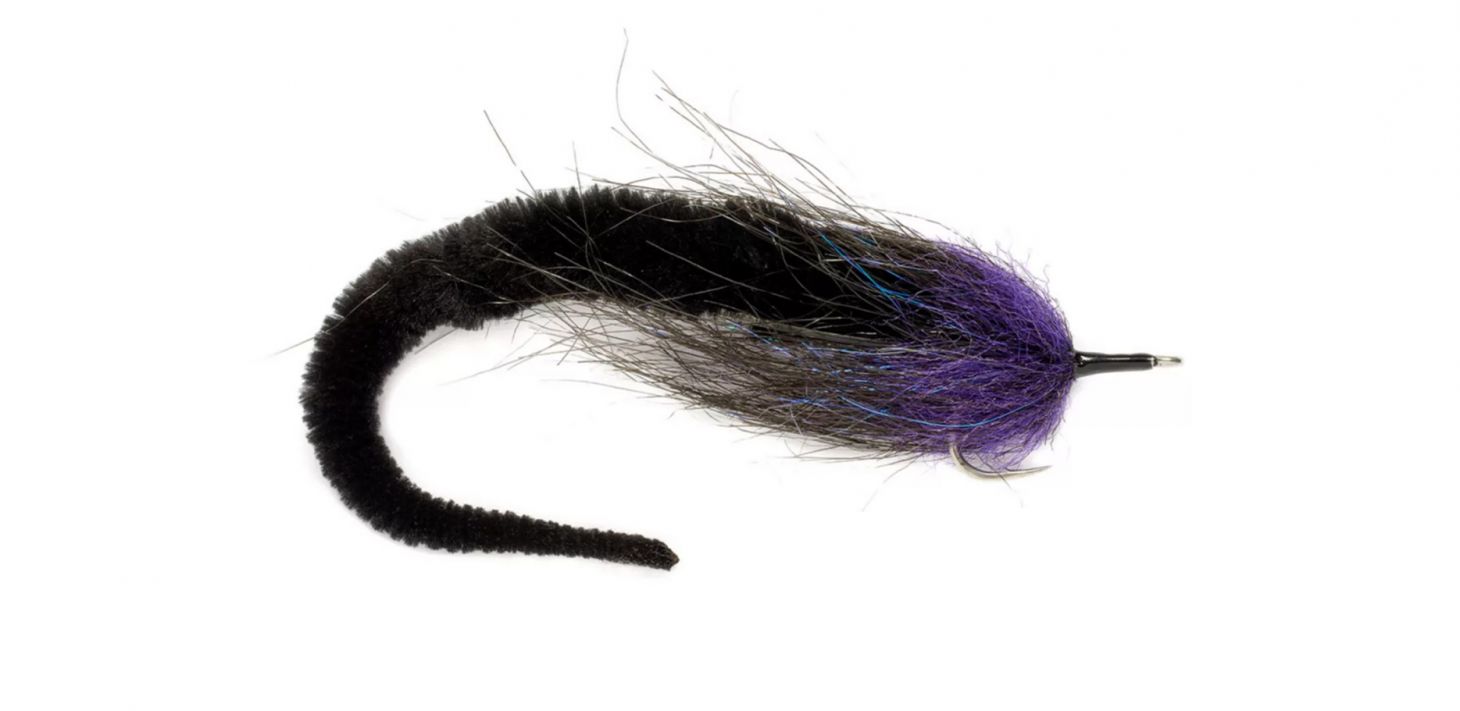
Dragon Tail
Target Species: Bass, pike
Key Features: Sparse head, high-action tapered tail
Believe it or not, the Dragon Tail was born out of a failed kids’ toy. Marketed as the Squirmel and Squirmy Worm in the early 2000s, these soft chenille snake-like creatures were stuffed in birthday party goody bags, but it’s the legendary fly angler, Captain David Mangum, who is credited with first turning them into flies. Originally, the cheap toys were only available in neon colors. Mangum pushed material companies to make them in natural shades like white and olive and the Dragon Tail streamer was born. The tail shimmies seductively whether you’re stripping fast or pausing to let the fly hang, and it’s often during the stop that a Dragon Tail gets creamed. A bonus feature of this two-material pattern is that it’s very quick to tie—which comes in handy when toothy fish sheds your fly.
Dahlberg Diver
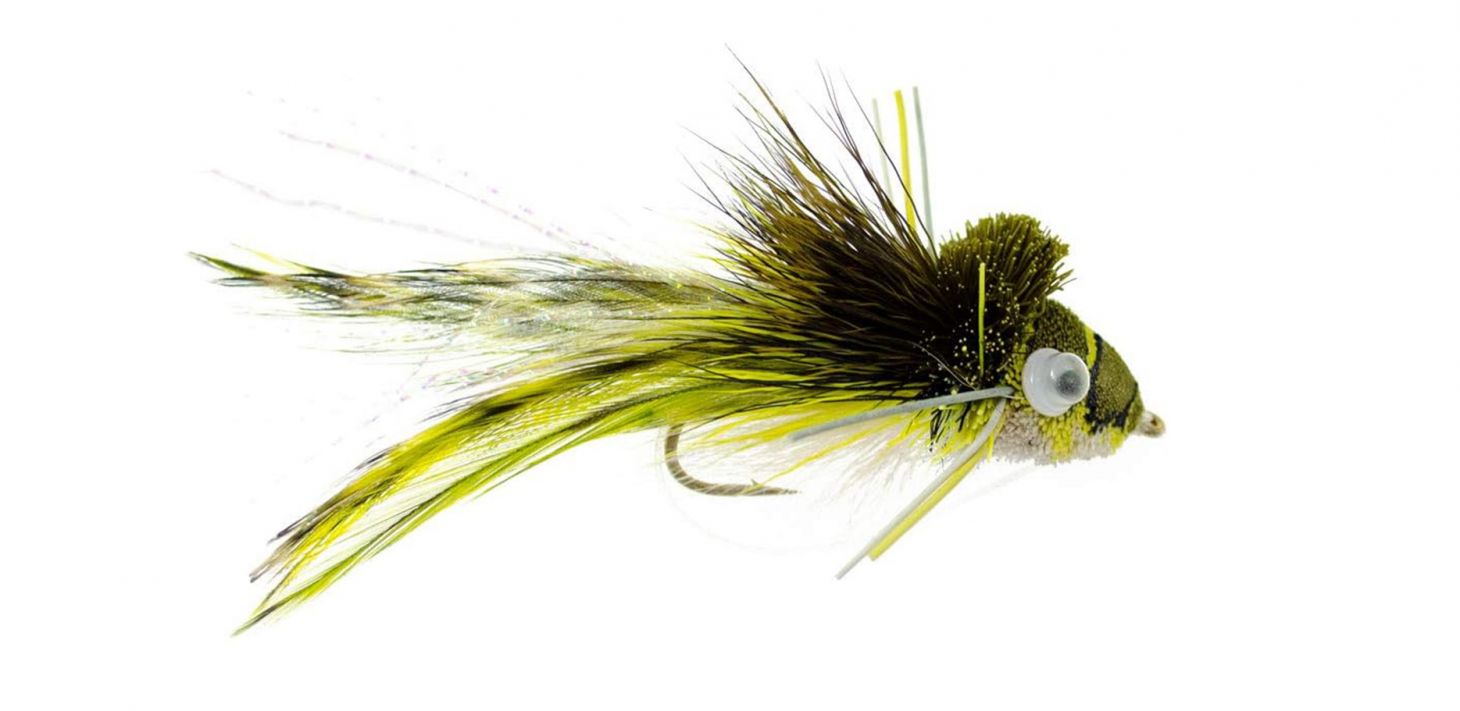
Dahlberg Diver
Target Species: Bass, pike
Key Features: Diving collared head, rubber legs
Created by renowned angler Larry Dahlberg, this pattern made of feathers, rubber legs, and a carved-hair head has become a staple for fly anglers chasing largemouth bass and pike. What makes the Dahlberg Diver so unique is that, depending on how you fish it, the fly doubles as a topwater and subsurface pattern. The sloped head and flared collar are the keys to its action. When you strip hard, the head shape forces the fly under a few inches, wobbling as it dives. But it’ll quickly pop back up, creating a commotion on the surface. If you fish it on a sinking fly line, however, the Dahlberg’s buoyancy will make it hover in the water column, and strips will make it shimmy a little like a crankbait. No matter how you fish it, takes are not subtle when this gaudy hair bug gets smacked.
Game Changer
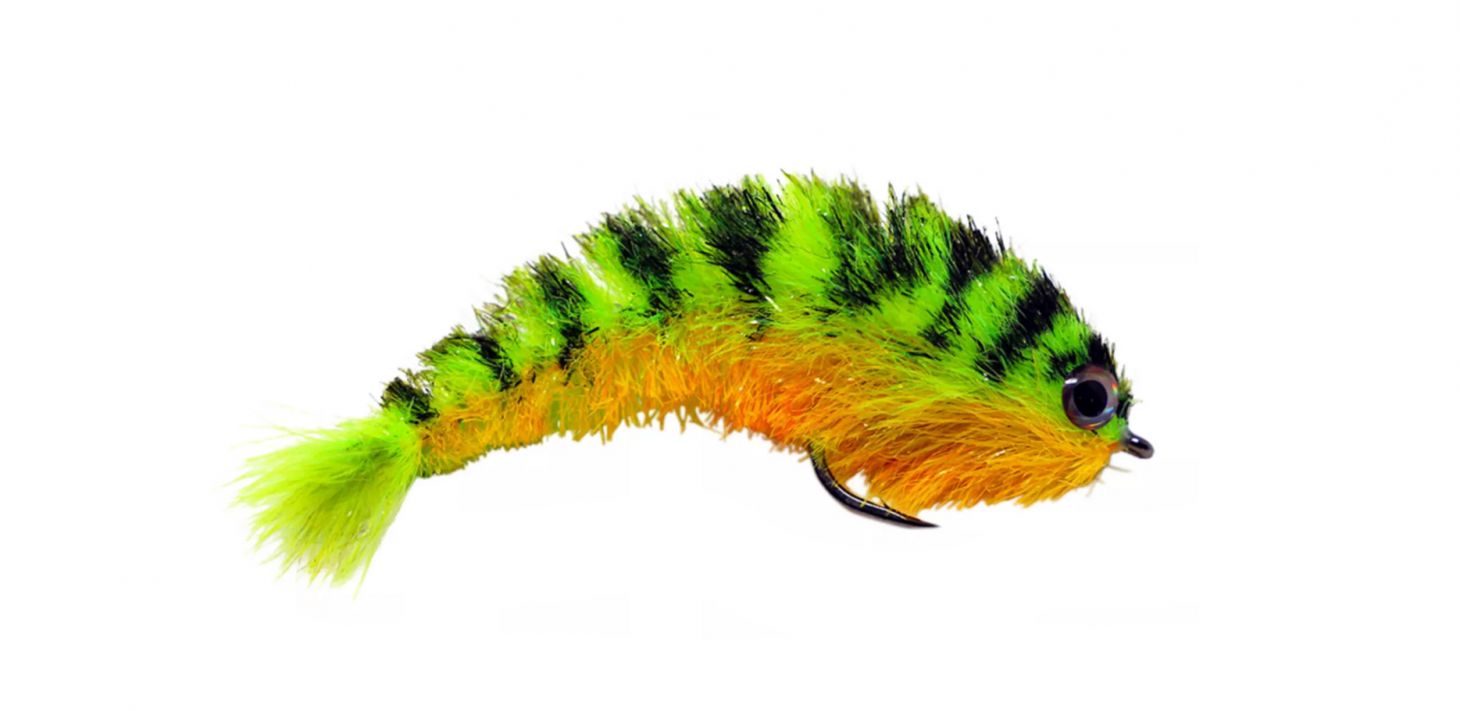
Game Changer
Target Species: Bass, pike, trout
Key Features: Multi-jointed body, large eyes
Created by savant fly tyer, Blane Chocklett, the Game Changer is one of the most revolutionary flies to hit the scene in recent years. Leaning into modern synthetic materials and hardware, like metal posts that link together to create joints, Chocklett essentially made a modern swimbait for fly anglers. Available in a range of sizes and configurations, the Game Changer has a sexy, slithering wiggle when retrieved at any speed. Most important, it’s doing something even when you’re doing nothing. On the pause, the Game Changer maintains some flutter on the fall, which does a brilliant job of imitating a struggling, injured baitfish.
Muddler Minnow
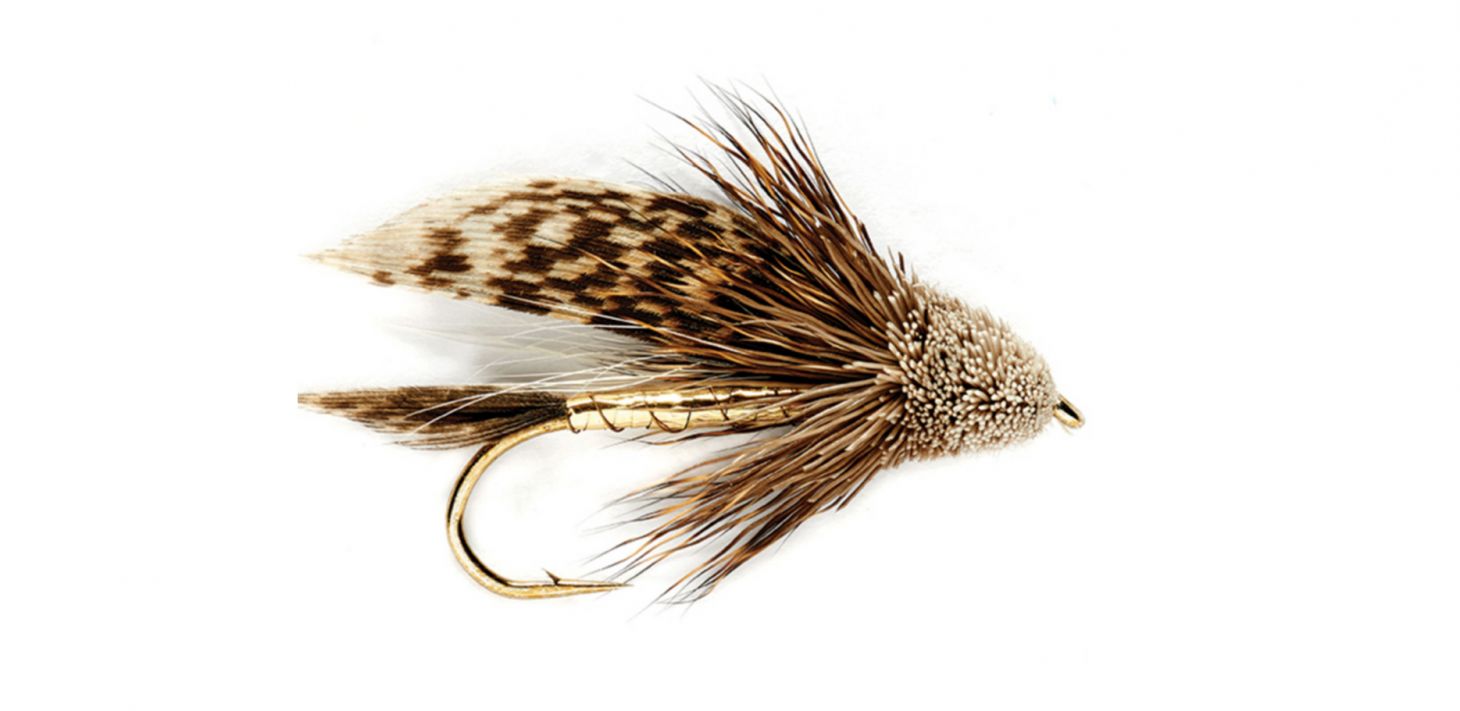
Muddler Minnow
Target Species: Trout, bass
Key Features: Spun-hair head, gold body
The Muddler Minnow is a true classic. Created by Don Gapen in 1936, this streamer fooled its first trout on the Nipigon River in Ontario, Canada. Today, the Muddler can be found in every fly shop the world over. Gapen originally intended his pattern to mimic a sculpin, which is a small, bottom-hugging fish that thrives in many trout waters. The tightly packed head made of deer-belly hair adds buoyancy, so, when fished with a little weight on the leader, the muddler would hover and dart during the retrieve. One of the most popular ways to fish this fly is on the swing. Cast across current and slightly upstream, then let your line swing in an arc downriver. The current imparts plenty of action, and when you get hit during this presentation, make sure you’re holding the rod tightly.
The Greatest Saltwater Flies
Clouser Minnow
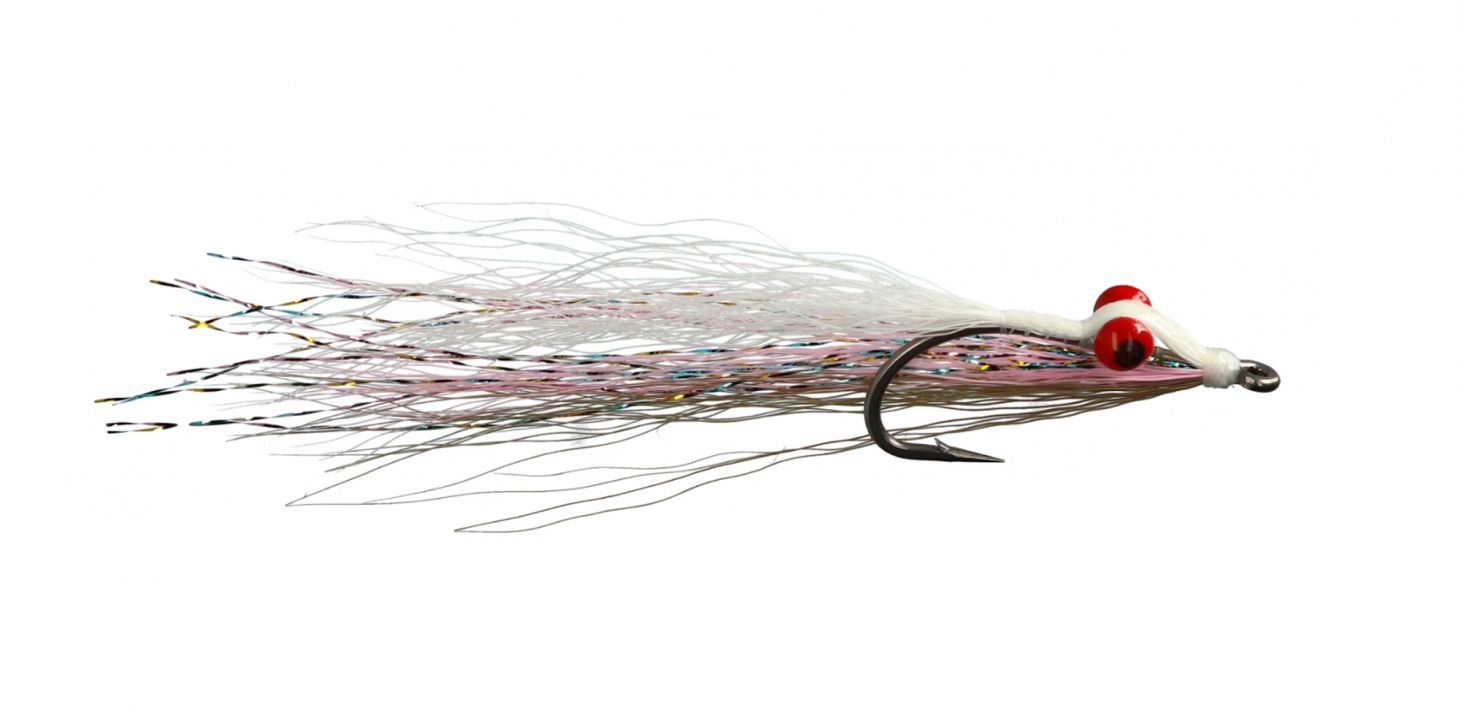
Clouser Minnow
Target Species: Striped bass, redfish, seatrout, false albacore
Key Features: Weighted dumbbell eyes, upturned hook
The truth is that the Clouser Minnow is as deserving of a spot among the top freshwater flies as it is here. After all, famed angler, Bob Clouser, invented it to target smallmouth bass on the Susquehanna River. That said, while it has proven to be a niche pattern in lakes and rivers, it is now ubiquitous in saltwater environments. There’s not a saltwater predator swimming in the world that won’t take a shot at this fly, and you’d be hard pressed to find a salty fly angler that doesn’t have a few Clousers in his or her box. The magic lies in the heavy dumbbell-shaped eyes tied to the underside of the hook shank. These not only help the fly get down quickly, but they also give it an enticing jigging action on the strip. Available in a huge array of colors and sizes, Clousers can match practically any baitfish that exists. In pink and brown, they also double nicely as shrimp imitators.
Deceiver
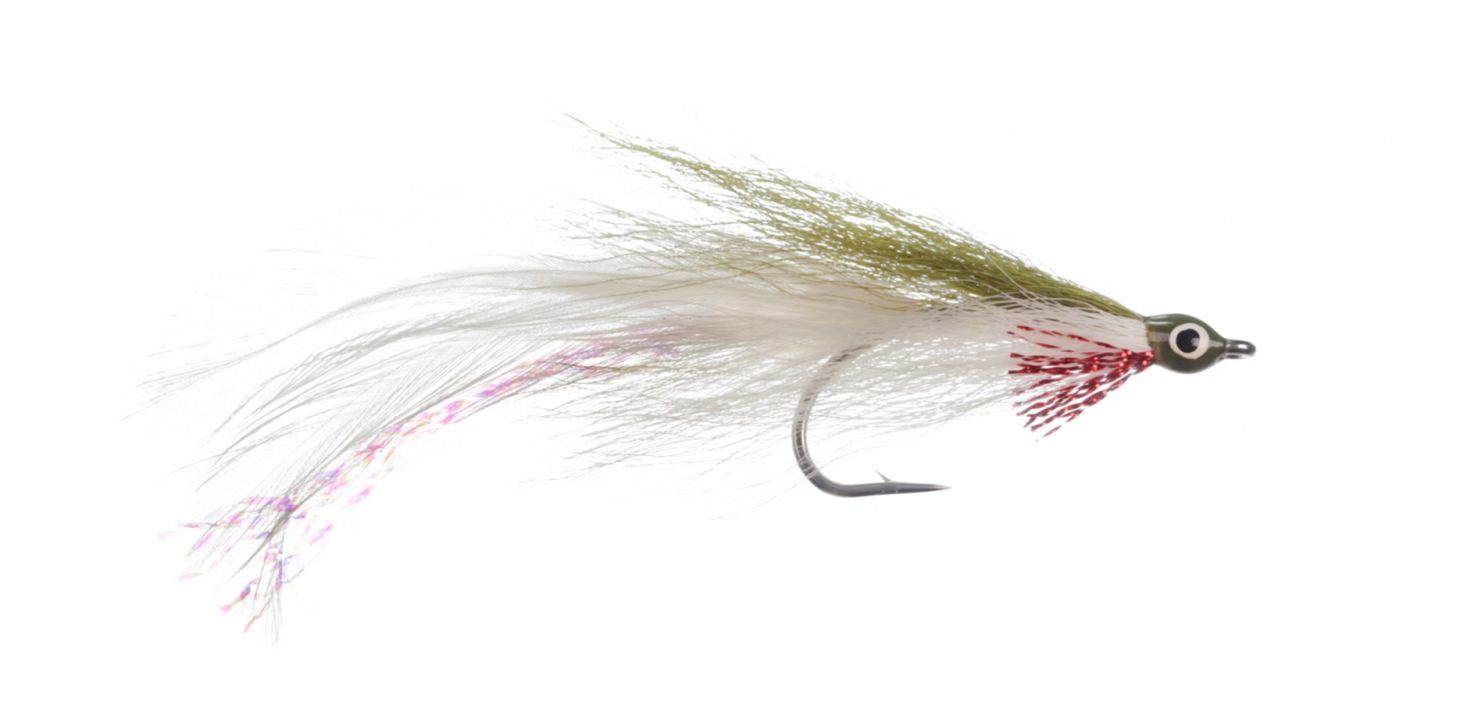
Deceiver
Target Species: Striped bass, snook, redfish
Key Features: Long feather tail, epoxy head
Like the Clouser Minnow, the Deceiver also holds its own in sweet water against targets like bass and pike. But pioneering designer and flycasting instructor, Lefty Kreh, created this pattern in the 1950s to fool his hometown striped bass on Chesapeake Bay. It has since become a go-to saltwater pattern across the globe, as it matches myriad baitfish that roam both in- and offshore. Though you can find Deceivers in a wide range of colors, white with a chartreuse back, blue back, or pink back have emerged as staples that will fool saltwater fish in any bay, ocean, or estuary on the planet.
Spoon Fly
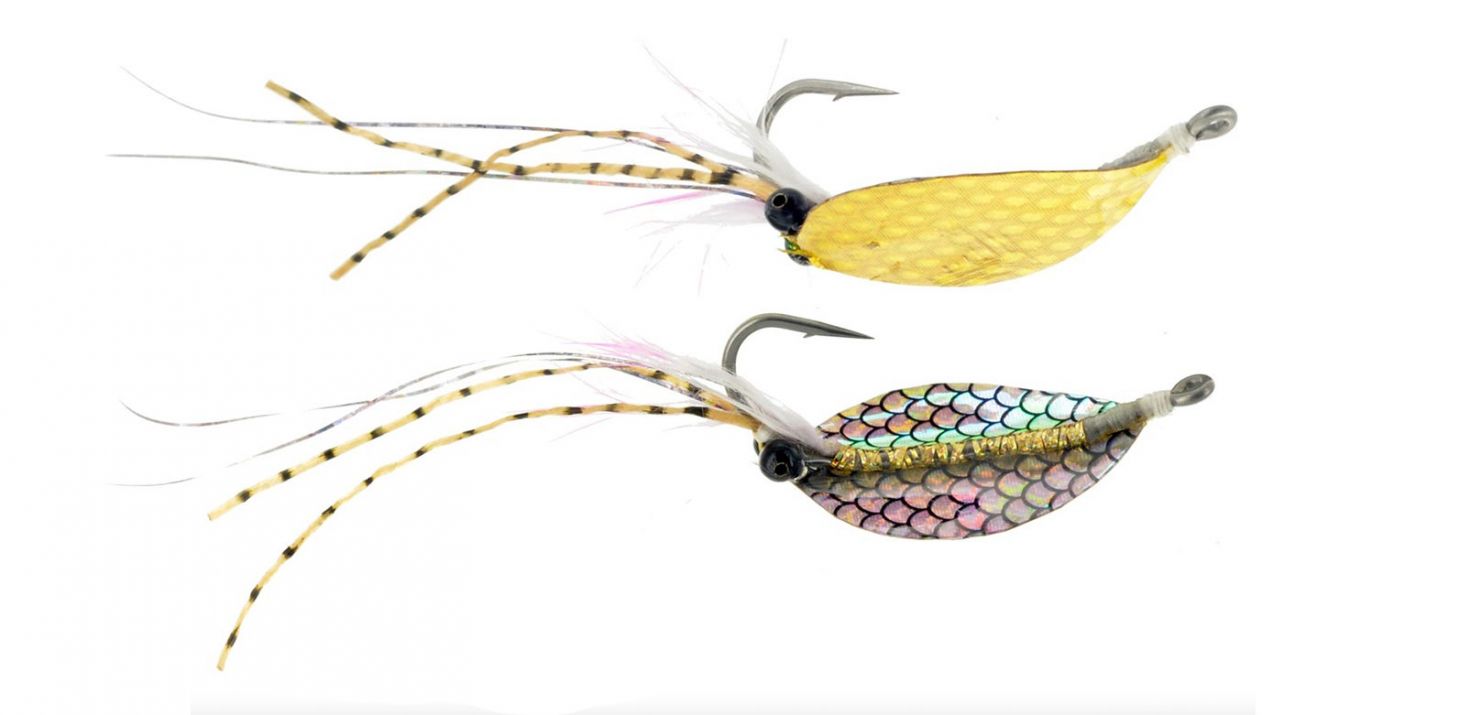
Spoon Fly
Target Species: Seatrout, redfish
Key Features: Fluttering epoxy body, short tail
The Spoon Fly elicits eye rolls from many anglers, as it straddles the line between a fly and lure. As the name suggests, spoon flies are modeled very closely after traditional metal spoons that would be cast on conventional gear. Whether you like the Spoon Fly or not, you cannot deny their potency for species like redfish and seatrout. Spoon Flies can represent anything from a small baitfish to a sand crab or tiny fleeing shrimp, and in stained water, their shine and vibration gives you a serious advantage. They wobble on the fall just like a conventional spoon, which is when they usually get hit during sight-casting situations. When stripped, they wiggle and glide from side to side, creating a nearly irresistible target for a host of inshore species.
Why Trust Us
For more than 125 years, Field & Stream has been providing readers with honest and authentic coverage of outdoor gear. Our writers and editors eat, sleep, and breathe the outdoors, and that passion comes through in our product reviews. You can count on F&S to keep you up to date on the best new gear. And when we write about a product—whether it’s a bass lure or a backpack—we cover the good and the bad, so you know exactly what to expect before you decide to make a purchase.
content_baits,-lures,-and-flies,content_fishing,content_outdoor-gear
THE 1871 CLUB

Recommended Products
Read the full article here