
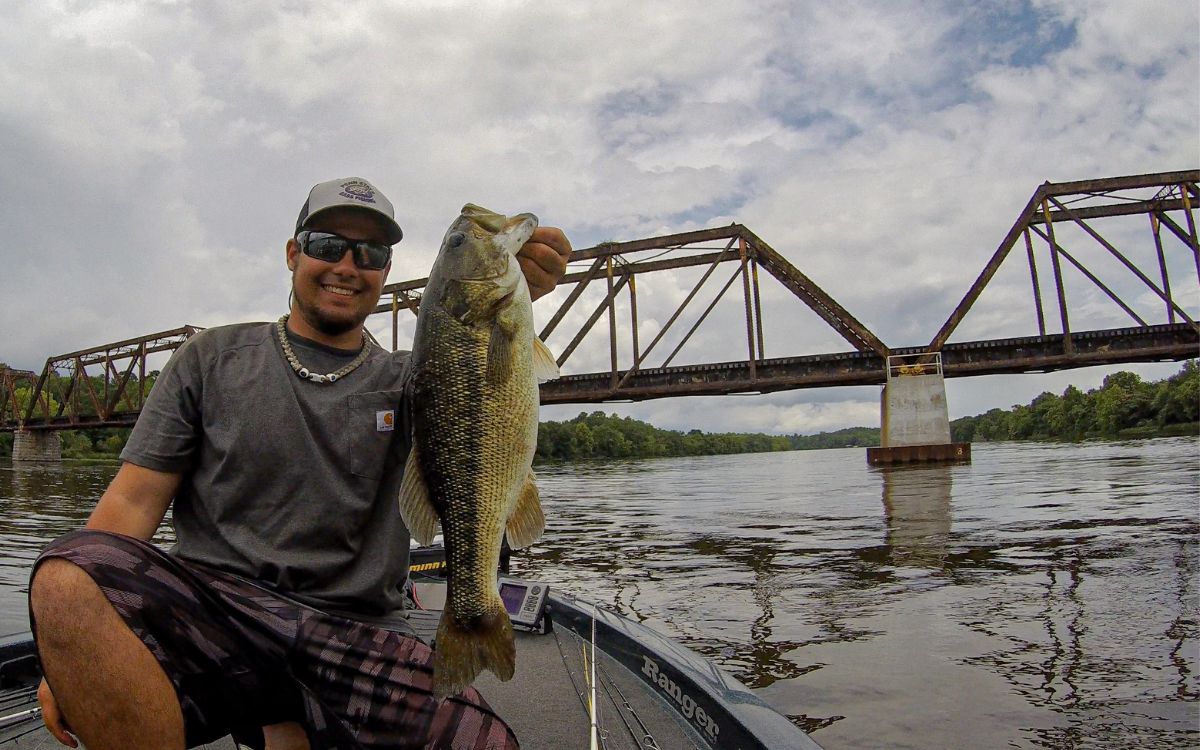
Whether you’re a bank angler or boat fisherman, there’s always an opportunity to catch fish around a bridge. That’s because each bridge system acts almost as its own ecosystem. There’s cover, shade, current, and typically plenty of forage for bass and panfish to feed on.
The other key factor that makes bridges such a haven for fish species is the changing depths. Near the bank, you’ll find shallower water that typically transitions to the channel near the middle of the bridge. This gives fish a year-round place to call home, whether they want to be tight to the bank or out in the channel waiting for some unsuspecting prey to drift past.
If you’re looking for a new hot spot to fish this summer, target the bridges on your local body of water. Here’s what you need to know about fishing a bridge this summer.
What Makes a Bridge So Good?
Fish aren’t just swimming around a bridge without a purpose, and knowing that is the first step to understanding bridge fishing. Whether you’re on a lake or a river, you need to know that a bridge will almost always have current. Even if it’s just a little bit, that current dictates how bass and panfish will stage around the bridge pillars and also the bank around the bridge.
Reading the current on a river is easy, simply look on both ends of the bridge pillars, the end that has swirling water is the down current side. This can be more difficult on a lake, but typically the wind direction will create current, or the lake will have a main channel that fills it, providing an unseen current that passes through. You may be able to see the eddy similarly to how you see it in a river, or you’ll simply have to do some quick research to see where the main feeder channel is in relation to the bridge. To fish the eddy, fish the downstream side of the bridge from the main feeder channel.
Knowing where the current creates the eddy is by far the most important thing to know if you want to effectively fish a bridge. That current break created by the bridge pillars gives bass and panfish a place to school up, stage without expending too much energy, and ambush prey that drifts right into their strike zone. Plus, over the years, the eddy will create a wash of sediment that builds up on the downstream side of a pillar, creating a hump of sorts that gives the fish added security and ambush points.
Once you’ve located the downstream side, you’re in business. From the bank, you may only be able to reach the nearest pillar, which is more than enough to get some bites. But from a boat, you’ll be able to cycle through each pillar, giving you far more chances at catching your target species. But to really load the boat, you’ll still need to make the right casts to fish these eddies effectively.
How to Fish a Bridge
You’ll have far more casting opportunities from a boat, so I’m going to lean into that while offering tidbits for the bank anglers as well. From a boat, you’ll want to position yourself downstream of the bridge, casting up into the current and working your bait back to the boat. This will create the most natural presentation and produce the most bites. If you fish against the current, most fish will be wary of the entirely unnatural look.
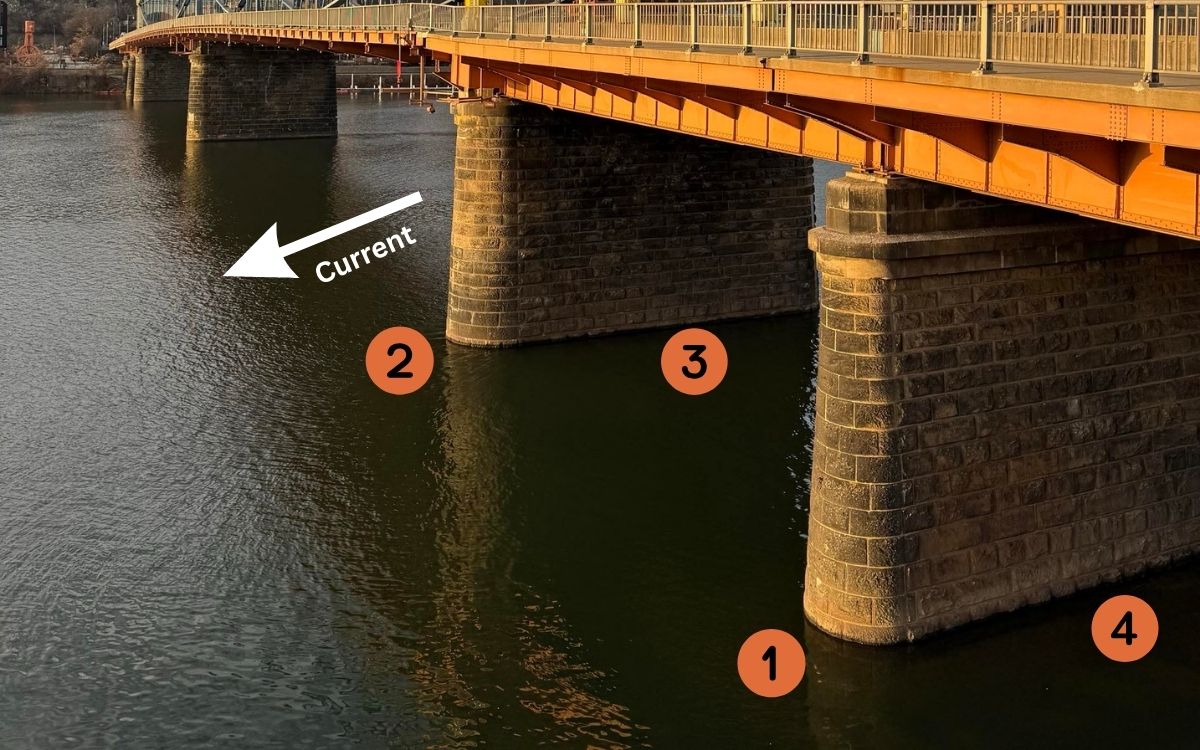
Above is a general gameplan that I use for targeting bridges. Once you’ve positioned your boat downstream, you’ll be able to cast to the eddies on the back end of the pillars. These should be your first casts, as they’re your highest odds for finding a hungry bass or panfish waiting to feed in the swirling water. If you do catch a fish on either of these casts, repeat the same cast. Don’t be surprised if you catch multiple fish on the same cast over and over, bridges can hold schools of fish all at once, making them ideal once you have the cast down.
After you’ve effectively fished out the eddy and landed a few, you can now transition to casting alongside the pillars. This will give you the chance to work your bait in the current, and then down into the eddy, providing the fish with a new look at your bait. This change in presentation can be just the trick to get a few more bites before you move on to the next pillar to repeat the process.
To target bass, you’ll likely want to fish deeper in the water column, or even along the bottom. Around a bridge, they’ll want to feed up into the water column as the current brings their meal to them. For panfish, however, you’ll want to fish high in the water column. I’ve had banner days catching crappie off of bridge pillars mere inches beneath the surface. The panfish seem to prefer the macroinvertebrates that float on the water’s surface and into the eddy, while the bass focus on larger baitfish and bottom-dwelling prey like crayfish and hellgrammites.
Tackle for Catching Bass Around Bridges
While you can use almost any rod, reel, and line setup around a bridge, I still have some favorites that I lean on whether I’m targeting bass or panfish.
Picking the Right Rod
You have a lot of options when fishing around bridges. You can cast a jig, bring a spinnerbait through the eddy, or use finesse fishing tactics like a drop shot. I typically choose the latter. I love fishing a drop shot around bridges for smallmouth and largemouth alike. With that in mind, the spinning rod I lean on for a drop shot, is a high-end option. The Megabass Destroyer P5 in a 7’2” medium with a medium-fast taper is about the best rod you can get for fishing a drop shot. It allows you to make long casts, feel the subtle bites in the current, and the taper allows you to battle the angriest smallmouth with ease.
Megabass Destroyer P5
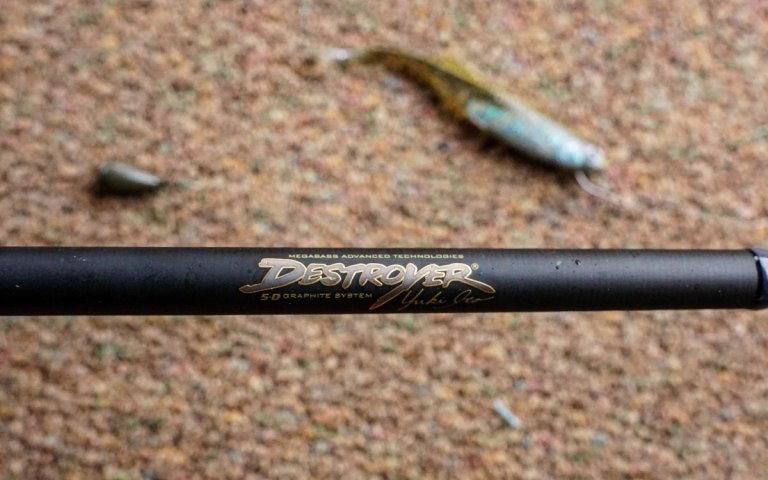
See It
Picking the Right Reel
Just like the rod, there’s a plethora of options for reels to use when fishing a bridge as well. But, since I tend to opt for a drop shot, my reel of choice is the Shimano Ultegra FD. This is a part of Shimano’s CoreSolid lineup, making it perfect for slowly working a drop shot in current scenarios like you’ll find when fishing for bass at a bridge. It offers a phenomenal drag and allows me to make incredibly long and smooth casts.
Shimano Ultegra FD
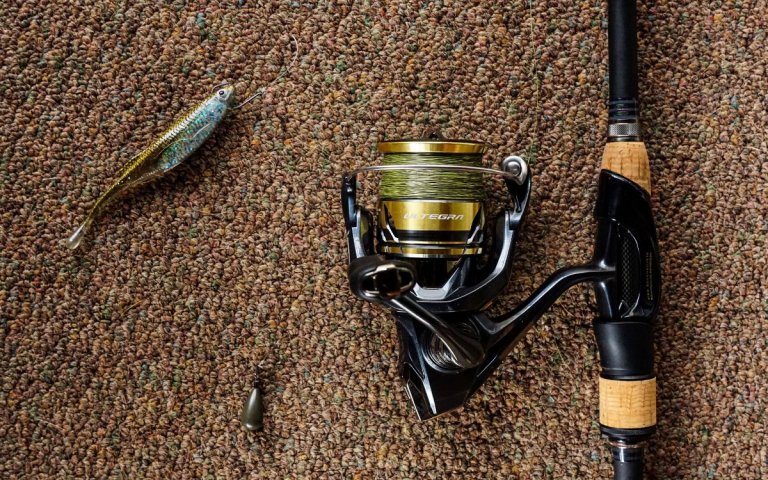
See It
Baits
Like I mentioned, the bait options you can fish a bridge with are endless. To help narrow things down a bit, my two favorite baits for fishing a bridge with a drop shot are a Berkley PowerBait Drip Minnow and a Berkley Maxscent Flat Worm. These two baits are usually enough to convince any feeding bass around a bridge to bite. As for colors, try to match the baitfish in your local waterway. Natural colors for clear water, and brighter, flashier colors for dingy water conditions.
Line
Avid bass anglers often fish spinning reels with a braid-to-fluorocarbon leader. I do the same when fishing a drop shot around a bridge. For my braided line, I like to go with 10-pound Daiwa J-Braid, but most braided lines will do the trick. As for the fluorocarbon leader, I tend to lean on the 8-pound Sunline FC.
Tackle for Catching Panfish Around Bridges
Picking the Right Rod
Targeting big panfish around a bridge requires a rod that has plenty of give, but also allows you to detect a subtle bite when there’s a bow in your line due to the current. Thankfully, I’ve found that I don’t need some crazy expensive option to land big bull bluegill and dinner plate crappie. My favorite bridge fishing panfish rod is the Shakespeare Excursion spinning rod. I like the 6’6” medium with a fast action tip. It allows me to feel light strikes on a small jig and set the hook without ripping the bait out of their mouth.
Shakespeare Excursion Spinning Rod
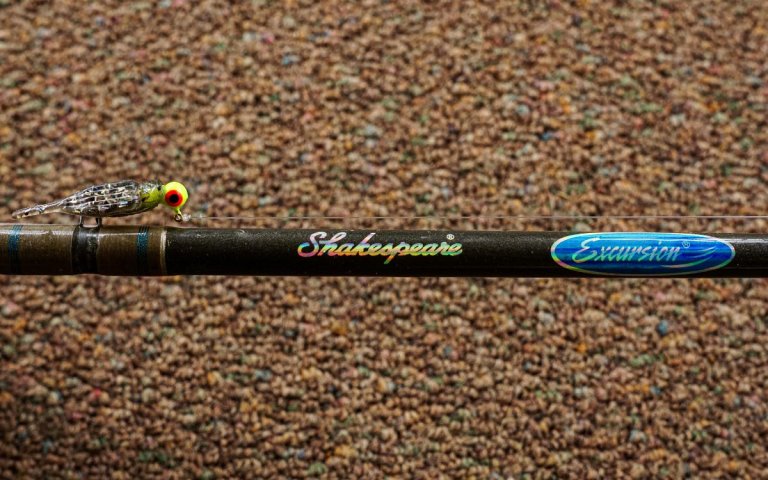
See It
Picking the Right Reel
The reel you choose for targeting panfish on a bridge is a little less imperative in my experience. You simply want something with a nice drag that allows you to gently fight a giant crappie as it pulls into the current. As a bass guy at heart, I typically use one of my 2500 size spinning reels and tie on a light-line leader. Lately, I’ve been using the Daiwa Tatula MQ LT. It’s an incredibly smooth reel with a great drag and solid handle. It’s more than enough reel for even the angriest bluegill or crappie and has yet to let me down during a day of panfishing.
Daiwa Tatula MQ LT
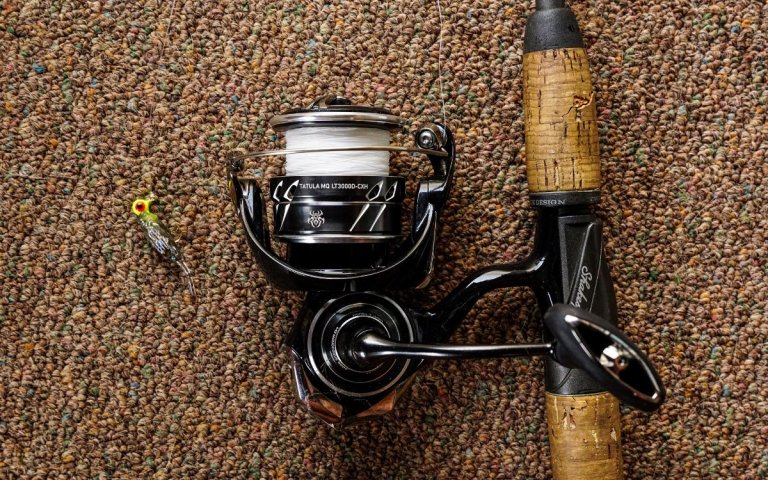
See It
Baits
The baits you can fish for panfish around a bridge are the very same baits you can fish for panfish around any type of structure. Small jigs with soft plastics or even live bait options won’t let you down. The key is finding the right weight to keep the current from washing your bait away from the feeding bluegill or crappie. For a deeper dive, check out our full list of the best crappie fishing lures and best baits for bluegills.
Line
The line you spool up can be either fluorocarbon or monofilament. Since you’re likely hooking the panfish and fighting them in open water, a 4-pound test should more than suffice. Just make sure to use a light drag and let the fish play itself out. My personal favorite panfish line is Berkley Trilene fluorocarbon due to its strength and affordability.
Final Thoughts on How to Fish a Bridge
Whether you want to fish for panfish or bass, there’s no disputing that bridges are a great place to start. No matter what time of year you’re fishing, you can pretty much bet that there will be fish around bridges. Similar to docks, they’re one of the most reliable places for anglers to target.
It’s important to remember that by tactically breaking down a bridge, you’ll be greatly improving your odds of catching multiple fish off of the bridge pillar. Remember to take your time, find the current so you can effectively fish the eddy, and you’ll find more success while fishing bridges this year.
Read the full article here