
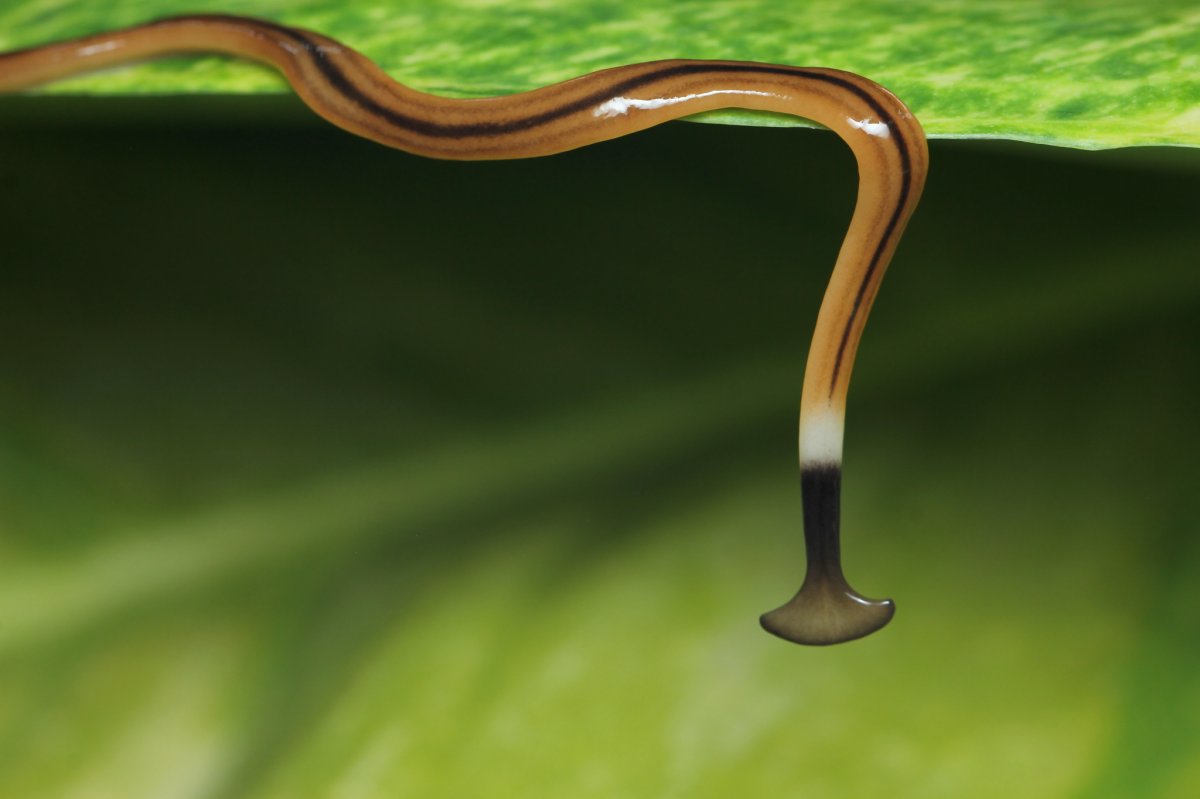
- Hammerhead flatworms are invasive and toxic. These worms, native to Asia, contain neurotoxins similar to those in pufferfish.
- Cutting them multiplies their numbers. They can regenerate from sections of their own body, so avoid cutting them.
- Safe disposal methods are crucial. Put them in a container and use salt, soapy water, sunlight, or your freezer to kill them without harming the ecosystem.
- Limited research and resources. Lack of funding and expertise hampers understanding of their ecological impact.
Bottom line: Hammerhead flatworms are invasive, toxic, and multiply when cut. Safe disposal is key, but research on these worms is limited due to funding and expertise shortages.
Sometimes, even bug researchers get creeped out.
Dr. Theresa Dellinger, an entomologist and diagnostician at Virginia Tech’s Insect Identification Lab, was in her backyard in Montgomery County, Virginia, a few years ago when she grabbed a garden planter — and “freaked out.”
“I lifted up a flower pot and the worm was underneath the flower pot,” Dellinger says, laughing now. “The space under the pot was damp and overgrown with moss. I saw it and I freaked out. I was like, ‘What is this?’ Something in the back of my mind was, ‘I am not picking this up, but where’s my phone?’”
By the time Dellinger located her phone and returned to snap a photo, the worm — a hammerhead flatworm, to be exact — had disappeared.
What Are Hammerhead Flatworms?
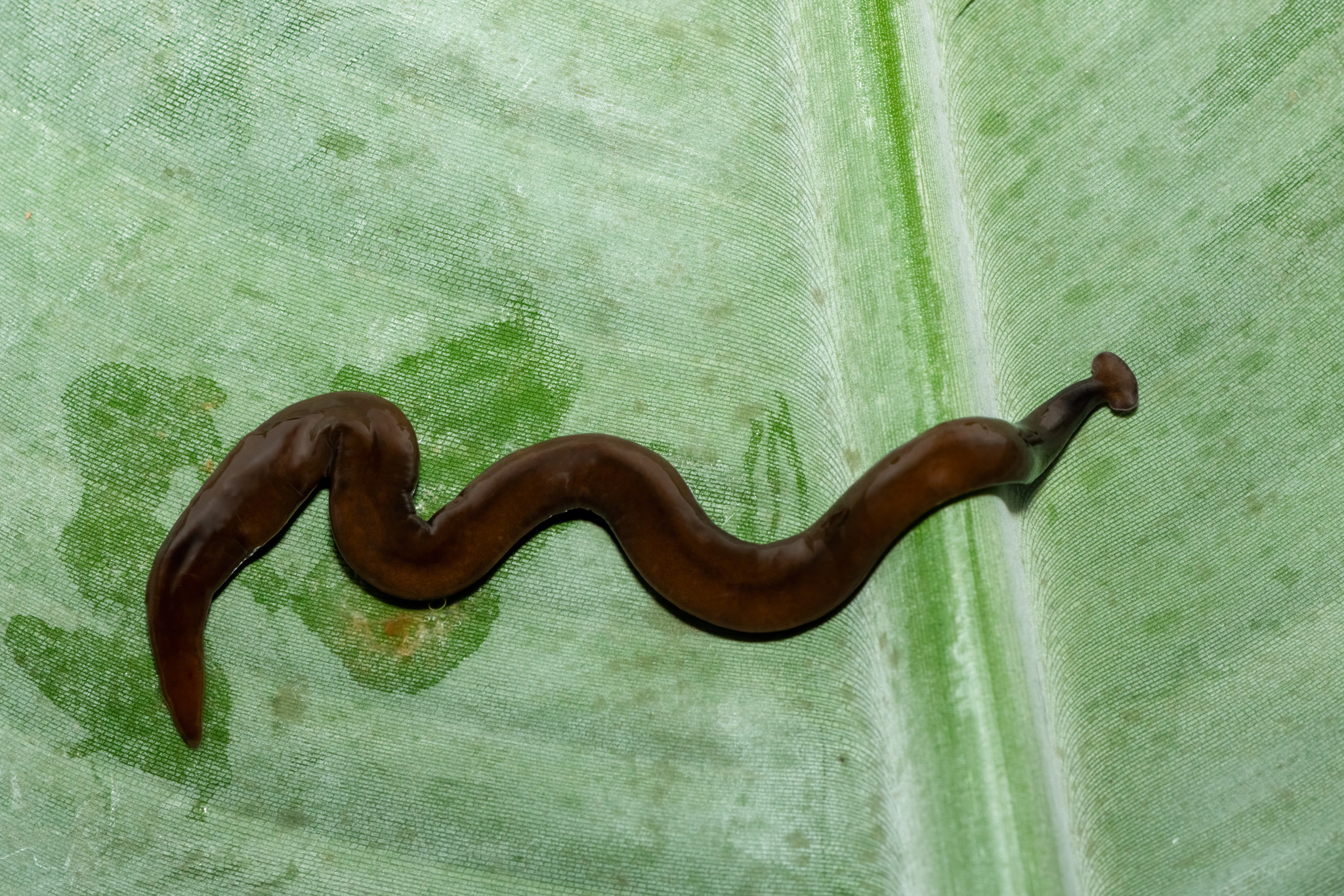
Hammerhead flatworms are a type of terrestrial worm native to Asia (genus Bipalium). Those that have made their way to the U.S. typically have a yellowish-brown striped body and can grow well over a foot long. Multiple subspecies of hammerhead flatworms exist and come in a variety of (often brilliant) colors, striped patterns, and sizes.
“It is a little shocking to see these things because some of them can be really long and skinny,” says Dellinger. “And then some of them have a real broad, shovel-like head,” which is how they get their name.
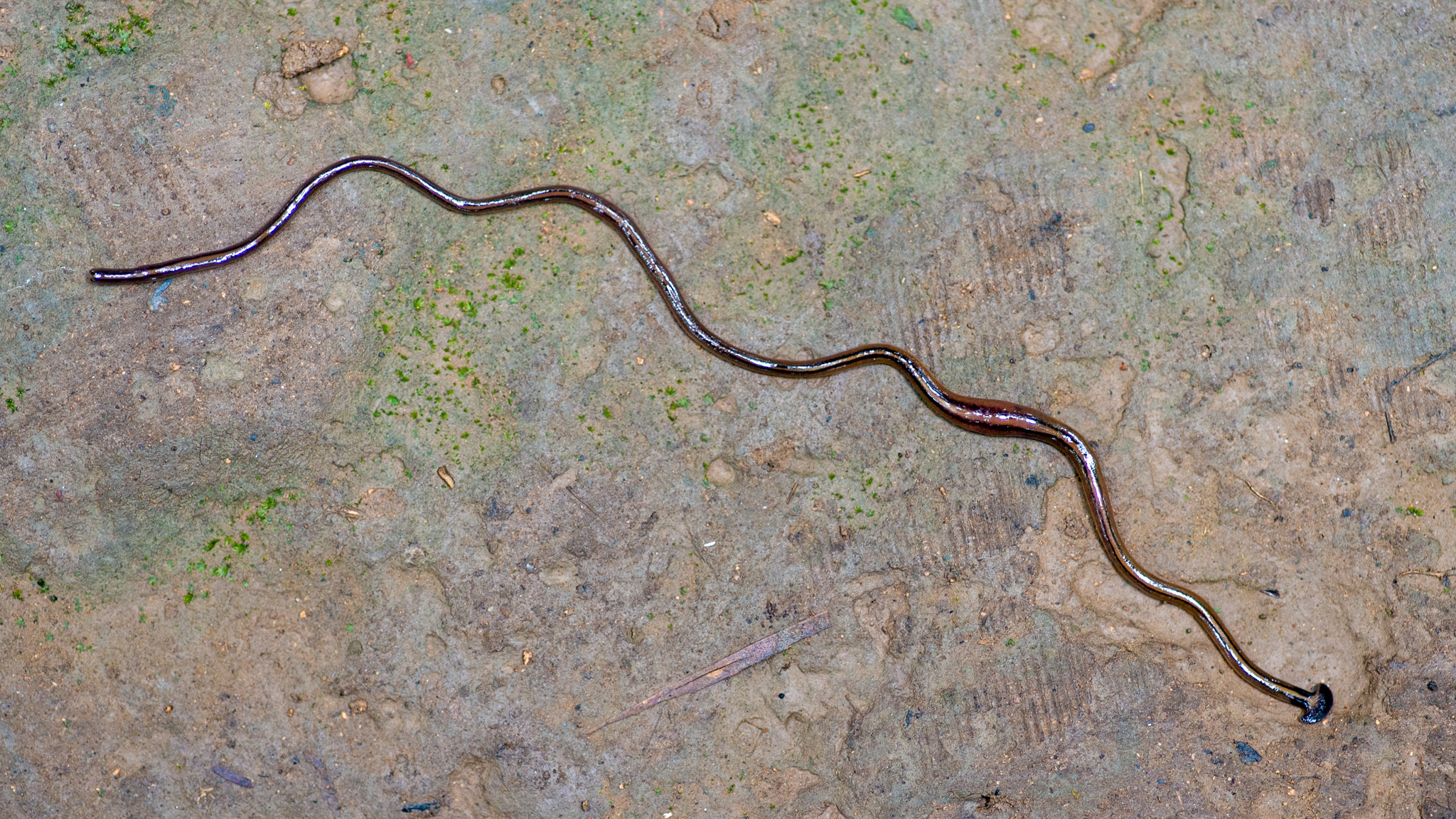
Some species of hammerhead worms have been shown to produce a neurotoxin. So if you’re handling these things, says Dellinger, use common sense.
“They can’t bite and they can’t sting, so there’s no way for them to inject it into you. But if you handled one with your bare skin on and you had a cut or an abrasion, I guess it’s possible you could get it into the wound that way,” says Dellinger. “Or even if you had gloves on and then you wiped your face with the glove, you could get it into your eyes or nose. So basically, don’t lick the worms. That’s really what we have to tell people.”
As far as she knows, no one has really been injured or hurt by hammerhead worms. (“It’s just a general rule of thumb. Don’t put the weird worm in your mouth.”) There’s a lot of unknowns about hammerhead flatworms — including the role that neurotoxin plays in its ecology.
“We don’t really know why they have this neurotoxin and it’s related to some of the neurotoxins that are found in aquatic animals. So why they’re still using the same neurotoxin, we don’t really know. But it’s probably a way for them to subdue their prey more easily. And we don’t know if all hammerhead worms have that neurotoxin or not.”
What to Do If You Find a Hammerhead Flatworm
While Dellinger doesn’t think killing hammerhead worms will beat back their numbers, she recognizes that someone with young kids or pets might feel differently.
“Knowing what I know now, if I saw one again, I would probably try to get a picture of it, but I’m not necessarily gonna kill it because I figure at this point they’re so well established that killing one isn’t necessarily going to do much. If I had small children that like to pick things up I might not leave it in the area.”
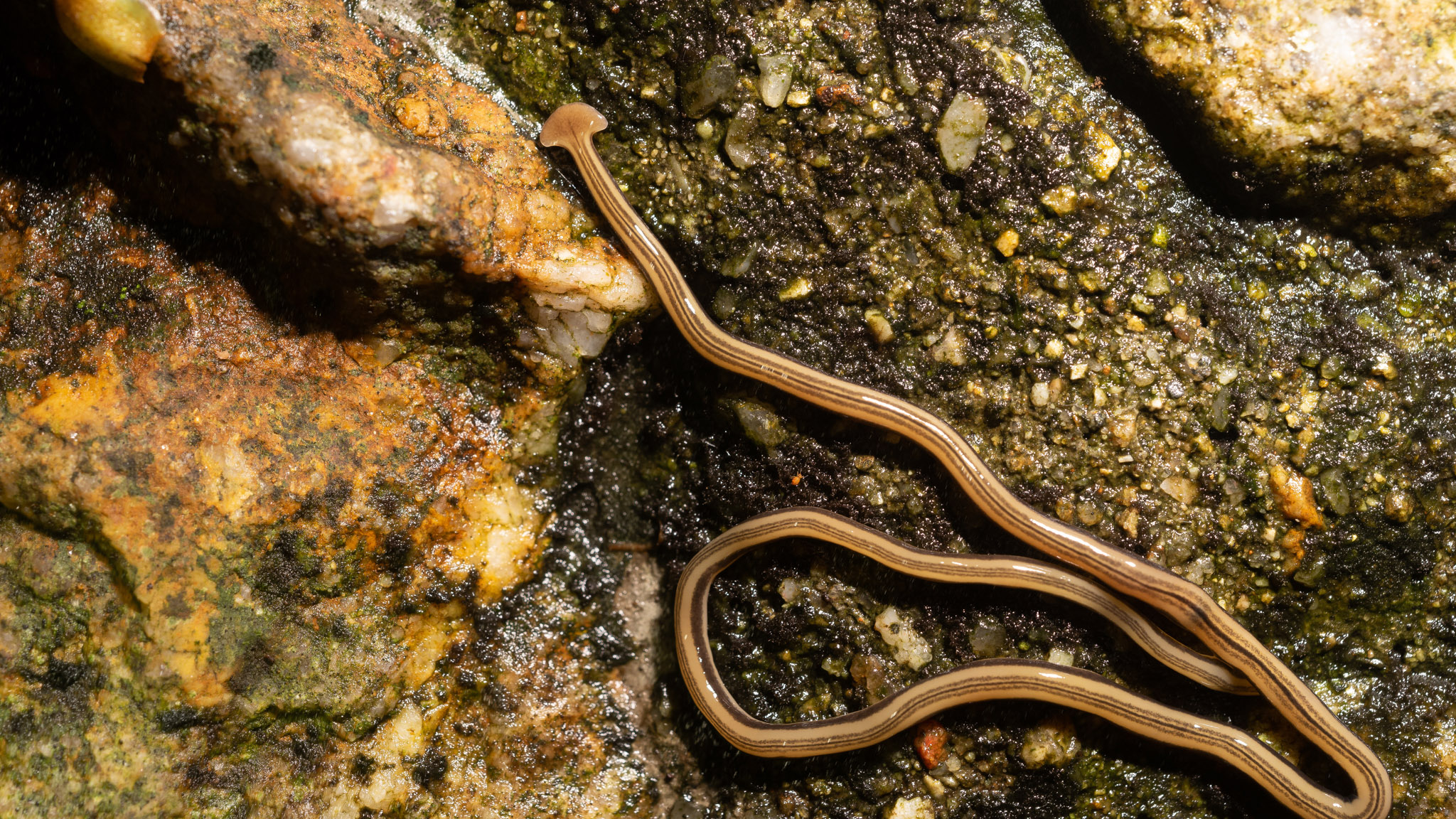
What you should not do if you decide to kill a hammerhead flatworm is pull out your pocketknife. That’s because hammerhead flatworms can regenerate from sections of its body.
“If you find a hammerhead worm, don’t cut it up because they can regenerate into new individuals. And that’s a characteristic of all the land plenarians, not just these guys. So if you feel like you need to kill the hammerhead worm, put it in something that it can’t escape from and put it in the freezer or out in the sun until the sun kills it. But don’t just chop it up into pieces and then throw those pieces into your compost pile, because you’ll probably wind up with more.”
Alternatively, you could add salt, soapy water, or hand sanitizer to the container for a quicker death. Dellinger also says not to use salt or pesticides in broad areas of your yard to kill hammerhead worms, since the collateral damage is too great.
“It’s going to kill all the other beneficial insects and invertebrates, or at least non-threatening things, that might be out in the soil. And it’ll hurt the plants if you put down enough salt,” says Dellinger. “If you see one and you have a dog that likes to eat stuff, maybe go ahead and dispose of the worm. But it’s not worth trying to treat your entire yard to just prevent hammerhead worms.”
Where Are Hammerhead Flatworms Found
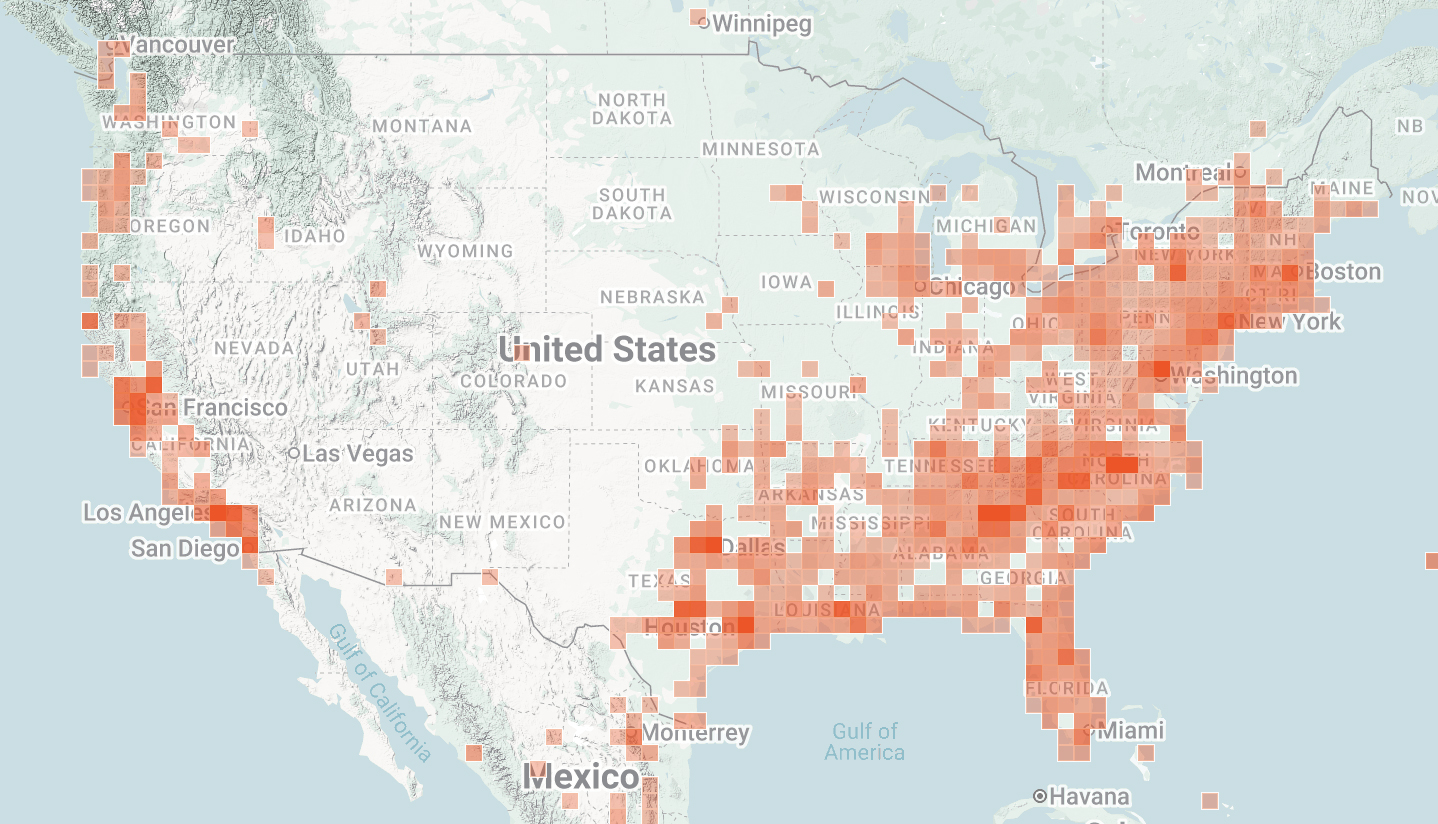
These worms don’t usually live in dry areas, but instead prefer moist organic matter like mulch, soil, garden beds, and leaf litter where their prey (other worms and mollusks, like snails) lives. They’re most commonly found in the Eastern U.S. and the Pacific Coast, though they have been spotted as far south as Texas.
Hammerhead flatworms were introduced to North America about a century ago or more, most likely through the horticultural trade in the soil of potted plants. Records documenting their presence go back to at least the 1940s, says Dellinger. In fact, they’ve been here so long no one’s really sure what our native soil looked like before their arrival or what, if any, damage they’ve done to that ecosystem.
“We don’t know a whole lot about hammerhead worms because there’s not a lot of funding to study these things,” says Dellinger. “And we don’t have anything really measurable to show that it’s a real concern” because of when they arrived.
Federal funding that supported training of taxonomists and federal laboratories have been cutting back. That’s how Dellinger (who studies insects, not invertebrates, as worms technically are) found herself fielding calls about toxic worms.
“We’re not getting new recruits to replace the people who are retiring and leaving the business,” says Dellinger. “There’s a shortage of taxonomists, and those are the people who specialize in identification of insects. And then because there aren’t many people working on things like snails and worms, we [entomologists] kind of get lumped together for all the weird things.”
Read Next: ‘My Face Started Peeling.’ This Weed Is 20 Feet Tall, Causes Chemical Burns, and Might Be in Your Local Woods
As a result, accurate estimates about how many hammerhead flatworms there are in the U.S. don’t really exist. The best resource for checking their existence in your area, says Dellinger, is iNaturalist, which uses citizen-science through user submissions to identify sightings and subspecies around the country.
Read the full article here