
Congress today took a big step toward passing the first Farm Bill since 2018 with the House approval of a package of bills that provides a safety net for the rural economy, approves public nutrition programs, and funds a suite of farm-country conservation practices.
The legislation, collectively called the Farm, Food, and National Security Act of 2026, now moves to the Senate Agriculture Committee, whose chairman, Sen. John Boozman (R-Ark) has indicated significant changes are likely to be added before the bill goes to the full Senate. Passage in the Senate requires a 60-vote threshold, so there’s likely to be amendments to win the support of Democrats in the chamber where Republicans have only a three-seat margin.
If the 2026 Farm Bill isn’t signed into law by the end of the fiscal year on Sept. 30, then the current five-year bill — which is going on its eighth year — would have to be extended by yet another year. If the 2026 version does become law, it would direct funding and federal agriculture policy through 2031.
Just getting to this point, with passage out of the House, has been contentious, says Andrew Schmidt, director of governmental affairs for Pheasants Forever and Quail Forever.
“The last time we had serious movement on a Farm Bill was in 2024, when it got out of the House Agriculture Committee but died on the floor,” says Schmidt. “We’ve gotten farther than that today with full House passage, but it’s an election year. Congress is in recess for much of August, and they’re gone for most of October. So there’s some real urgency to get this done in the next few weeks. Every day matters.”
While the House struggled with some contentious elements of the bill, the package passed on a 224-200 vote. For instance, representatives ultimately agreed to remove — for later consideration — provisions that would have expanded the use of ethanol-blended fuels and provided liability protection for pesticide manufacturers.
Schmidt says the bill is both simplified and complicated by last summer’s One Big Beautiful Bill Act, the budget reconciliation legislation that funded about 85 percent of the programs that affect national food-nutrition and ag policy. But partisan conflict that rose during that legislative battle may influence Farm Bill negotiations this summer.
Still, he says a number of provisions in the Farm Bill aren’t partisan. They’re critical for a functioning rural economy, for investments in critical wildlife habitat, and for incentivizing recreational access on farmland. Some of the funding uncertainty that has plagued farm policy was resolved in last summer’s reconciliation bill, which added agency and program funding to long-term baseline spending agreements.
“That’s a very big deal,” says Schmidt. “It not only maintains but locks in huge and permanent investments in conservation programs, so instead of one-time funding extensions that really sow uncertainty in program implementation, this now becomes baseline funding into the foreseeable future that only needs to be reauthorized — and not entirely renegotiated — by Congress every year.”
Some of the programs that have more funding certainty are the ones used every day by producers, like Environmental Quality Improvement Program (EQIP) that provides technical assistance to producers, Conservation Stewardship Program (CSP), and Agriculture Conservation Easement Program (ACEP).
The bill also levels up some program implementation with advances in technology, from using GPS and satellite mapping to promote precision farming to authorizing virtual fence technology in some grazing practices. These “cow collars” allow ranchers to remove physical fences from the landscape that sometimes impede wildlife migration.
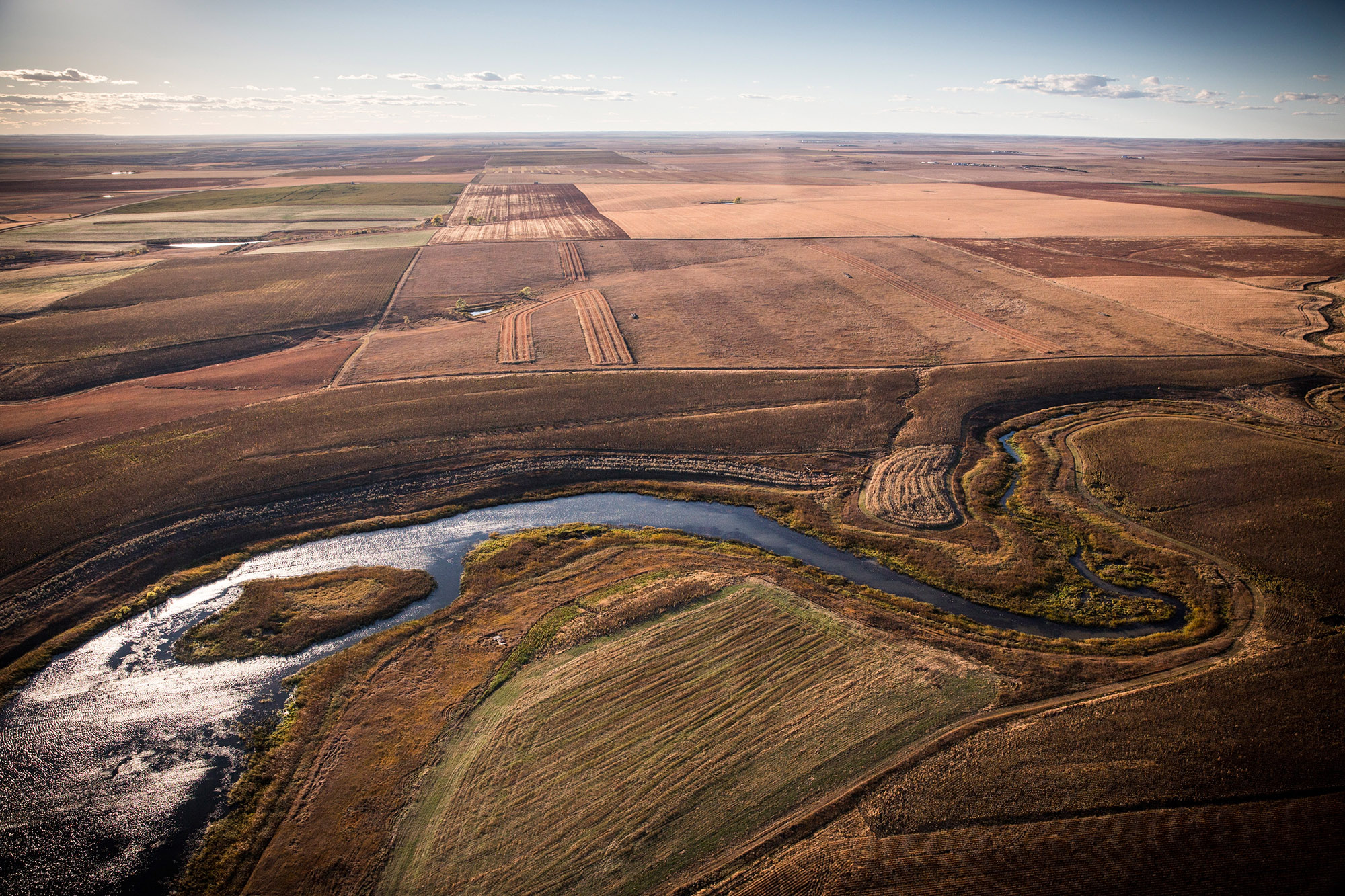
The One Big Beautiful Bill Act also restored funding for the Voluntary Public Access and Habitat Improvement Program. The National Resources Conservation Service (NRCS), which delivers many of the Farm Bill programs, last week announced $52 million is available for states and tribes to use to enroll landowners in the program that enables recreational access to participating lands.
But Schmidt says that improvements to the Conservation Reserve Program, the landmark conservation title of previous Farm Bills dating back to 1985, still need to be addressed in the 2026 version.
“What’s missing is substantive improvements to the Conservation Reserve Program,” he says. “One of the biggest reasons we need a five-year Farm Bill this year is because CRP has been living on short-term extensions for the past three years, and it’s suffered, producers have suffered, and wildlife has suffered as a result.”
Schmidt notes that, because CRP contracts are for 10- to 15-year terms, enrolling first-time producers or re-enrolling incumbent cooperators takes several months. When funding is uncertain, enrollment often takes additional months.
“Consequently, CRP sign-ups have been as late as May,” he says. “That’s just too late for producers who are planning in the winter the number of acres they’re going to farm or the amount of inputs like seed and fertilizer they need to budget for. The result has been that CRP hasn’t been a legitimate option for a lot of producers.”
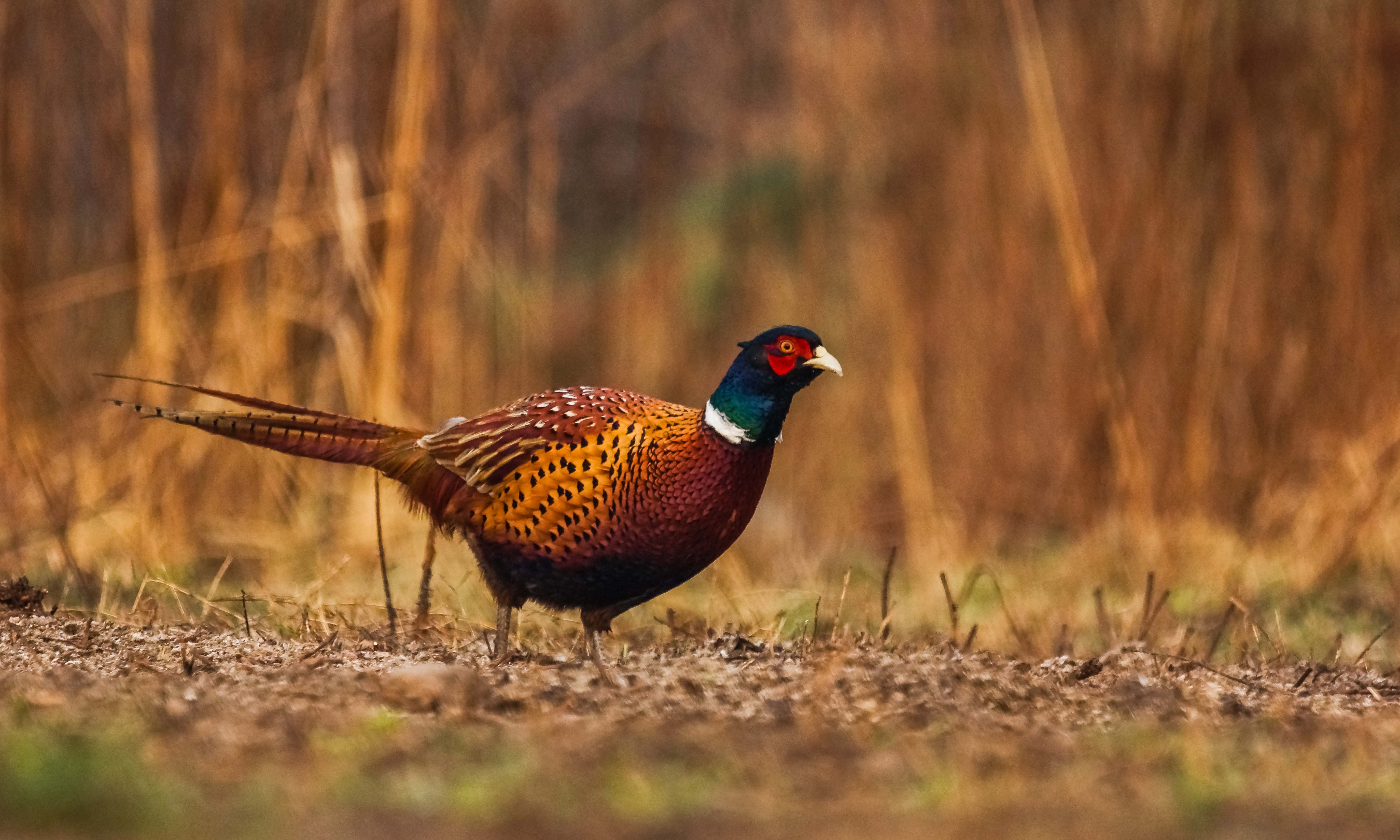
Because this Farm Bill would reauthorize CRP through 2031, it could again be an important component of farm planning and conservation benefit. A provision that raises the participation cap from $50,000 to $125,000 annually would also make it more appealing to landowners who are dealing with increasing prices of inputs, land valuation, and overall inflation. And a final provision would cost-share for mid-term management practices like prescribed burning, light tilling, and grazing on CRP lands and would cost-share for livestock grazing infrastructure investments like water development and fencing.
“Those practices enhance the conservation value of those CRP lands without asking the landowner to shoulder the entire cost” of those wider benefits, says Schmidt.
Conservation organizations like Pheasants Forever will be making the case to Senators from both parties that investments in rural economies have benefits beyond return to farmers and ranchers.
“We talk about helping producers turn red acres to green through precision conservation,” says Schmidt. “What that means in the real world is that if a farmer has an acre that loses money, maybe something like CRP can turn it into a profit center that provides assistance when you’re purchasing inputs to manage the rest of your productive acres.”
As farmers in every region of the country struggle with rising land prices, high input costs, and generational turnover, there’s increasing consideration among producers to convert their ag land to other uses.
“We need a strong farm economy, because once these lands come out of production, it does not come back,” says Schmidt. “Once it becomes a data center or a parking lot, that’s the ball game. It’s gone, and that’s not great for farm economies or for wildlife. So we need the Farm Bill to ensure that we keep working lands working, and keep producers on the land in a really tough farm economy.”
Read Next: ‘No Wolves Are Being Released in Texas,’ Officials Say After Facebook Post Sparks Panic
Now it’s up to the Senate Agriculture Committee to consider its additions to the Farm Bill. If the Senate version passes, the bill goes to a reconciliation committee of House and Senate members to hammer out differences.
Read the full article here