
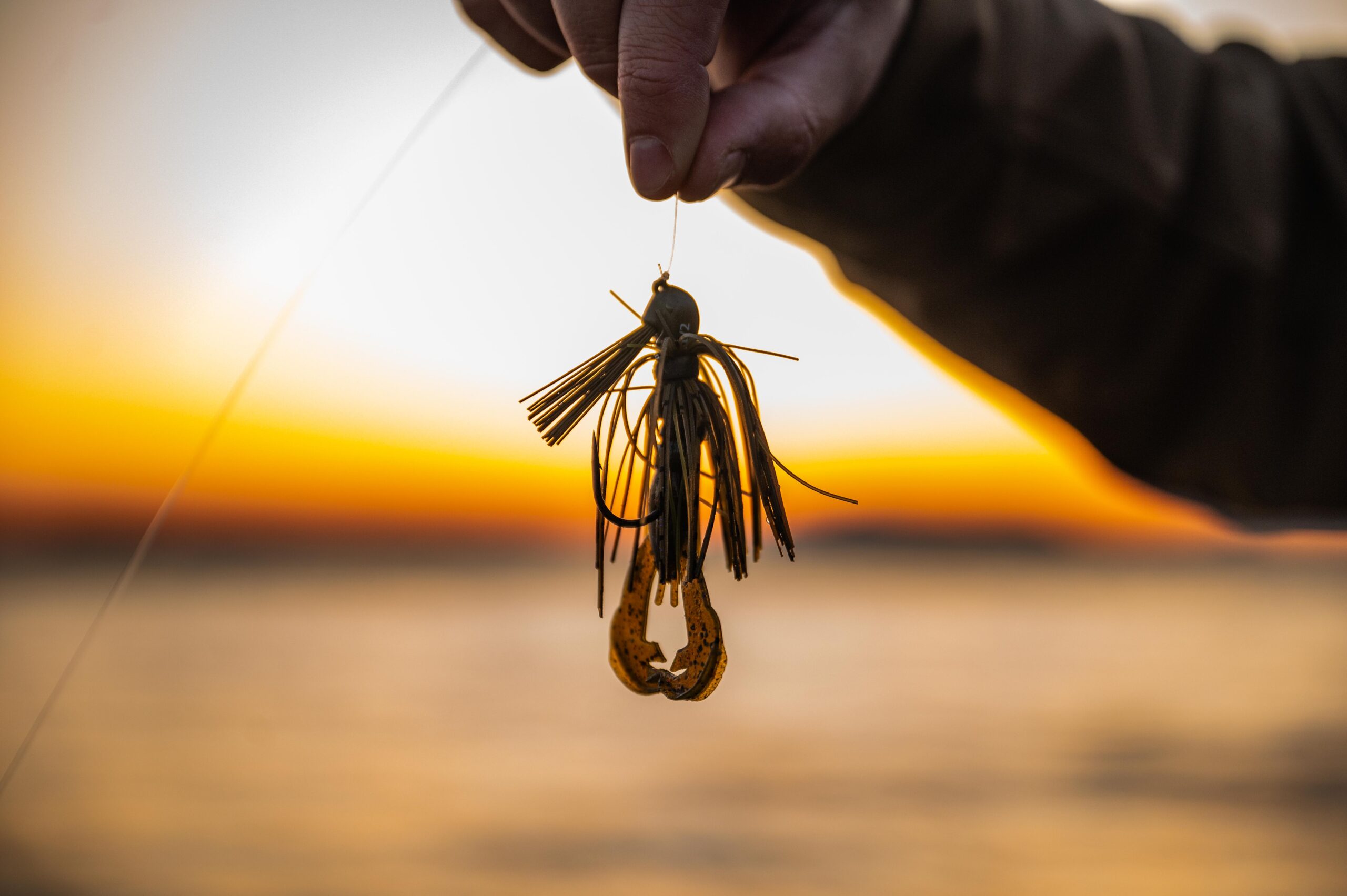
Over the years, I’ve accumulated an arsenal of bass fishing tackle tweaks. From odd ways to use a treble hook or zip-tie to jerry-rigging a spinnerbait with braided line to improve its lifespan. Taking the time to make simple modifications to baits, lures, and rigs is a great way to set yourself apart on the water. Use these five rigging hacks to gain an edge and land more bass.
1. Use a Zip Tie for a Trailer Keeper
When fishing with a buzzbait, spinnerbait, or even a vibrating jig, it’s a good idea to add a trailer hook. Adding a secondary hook to your primary hook increases the odds of hooking up with a fish that swipes at or short strikes your bait. To add a trailer hook, simply slide the main hook point through the eye of the trailer hook, ensuring that both points are facing in the same direction.
The eye of the trailer hook has to be big enough to slide onto the main hook, which means it could slide off. So, a hook keeper has to be added. There are a few products on the market to help keep these trailer hooks on your bait, but the most readily available is a small zip tie. Just slip the hook point through the back of the zip tie clicker, then cut off the excess. Now your trailer hook is secure and unable to slide past the zip tie.
2. Secure Your Jig Skirt with a Zip Tie
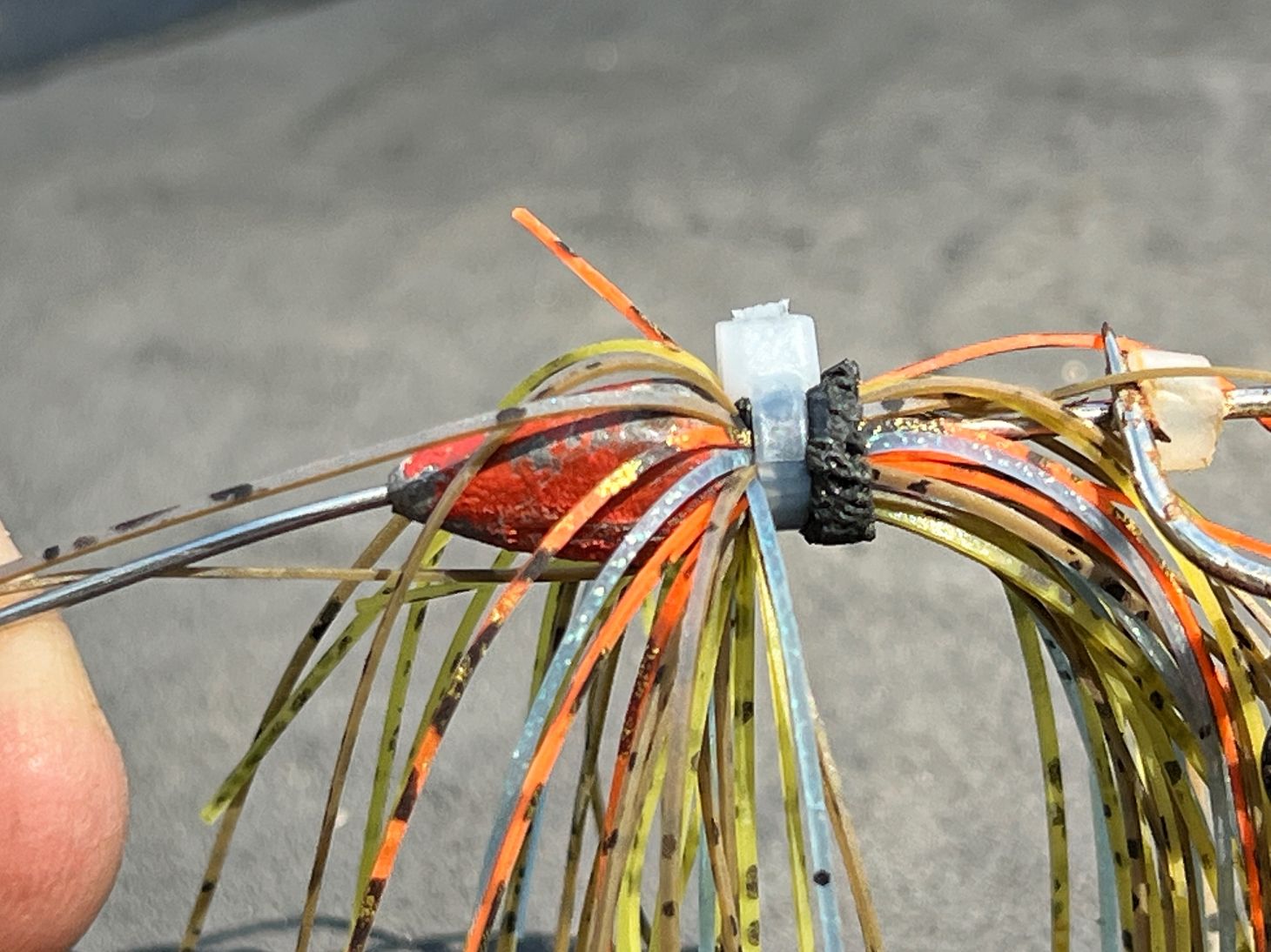
You can use a zip tie to solve another common issue with skirted baits. Over time, the rubber bands that serve as skirt collars on jigs, spinnerbaits, and buzzbaits will rot, and the skirting will fall off. To prevent this, take a small zip tie and run it around the existing skirt collar. Carefully cinch the zip tie around the collar, ensuring it is as tight as possible. Then cut off the excess zip tie. Now, even if the collar rots and falls off, you don’t have to worry about the skirt. Note: This is not necessary for hand-tied skirts that are secured with thread or wire.
3. Strengthen Your Spinnerbait Arm
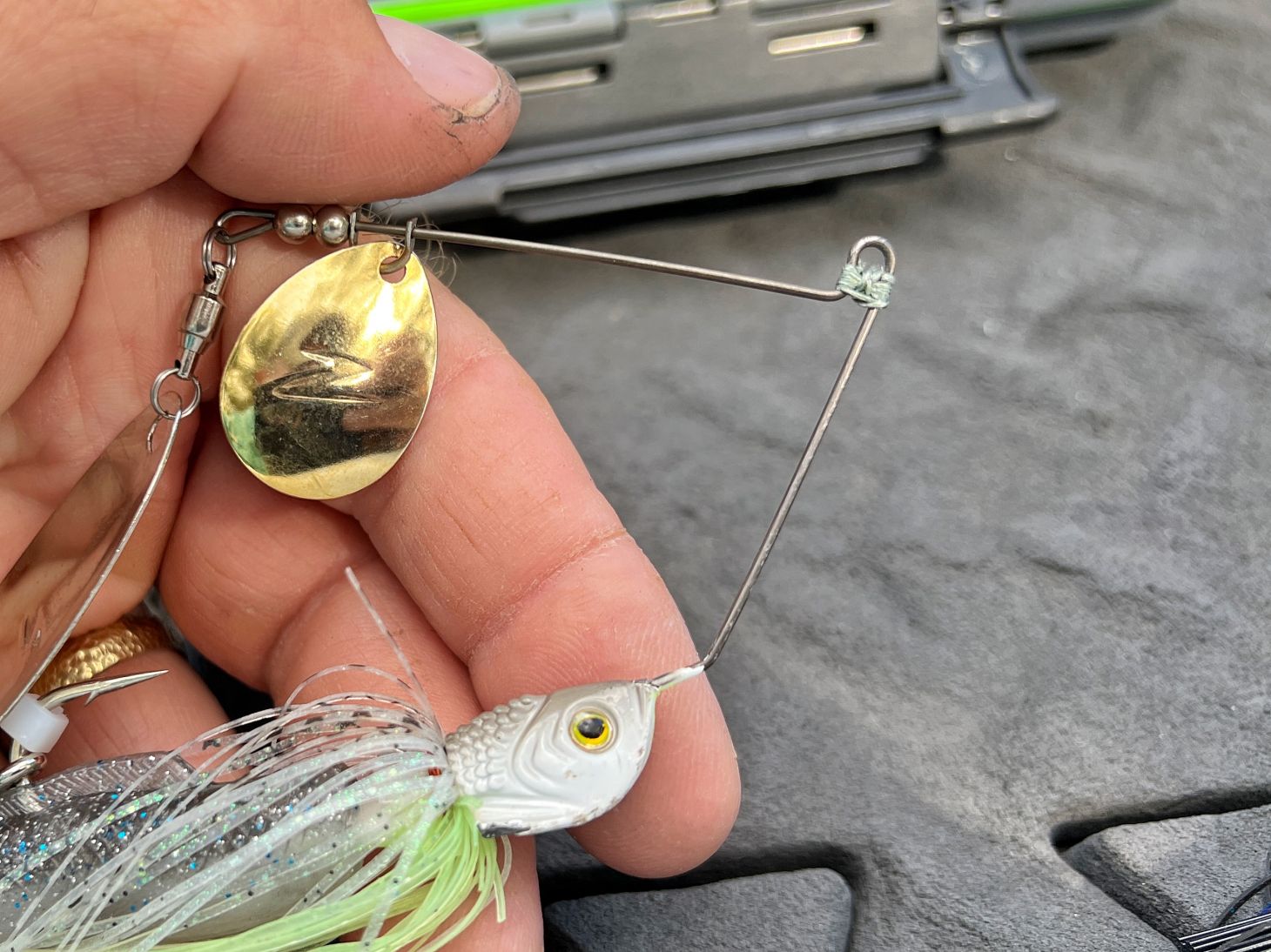
Spinnerbaits are among the most versatile baits in all of bass fishing, and they catch lunkers. However, most of these lures have one common flaw: wire arms. Over time, almost every spinnerbait on the market will break. The constant thumping of the blades and pulsing of the bait bend the wire slightly over and over, eventually causing it to break.
The real frustration is that the thinner wires often have the best action, but they are the easiest to break. To solve this problem, I started using braided line and superglue to form a line tie eye to improve the bait’s durability. Simply take a foot-long section of 30-pound braid and tie a loop knot on one end. Slide the knot over the bend in your spinnerbait arm and cinch it down. Add a drop of superglue to the knot, then start wrapping the line around the bend, sticking the tag end through the newly formed eye every couple of wraps. After 6 to 8 wraps, add another drop of superglue, then tie a couple of overhand knots to secure it, and trim the excess line. Wait a few minutes for the glue to dry before fishing. This will keep the arm from flexing and bending as much. And even if it does break, you should still be able to get your hook in, and hopefully the fish, too.
4. Add a Treble Hook to Your Fluke
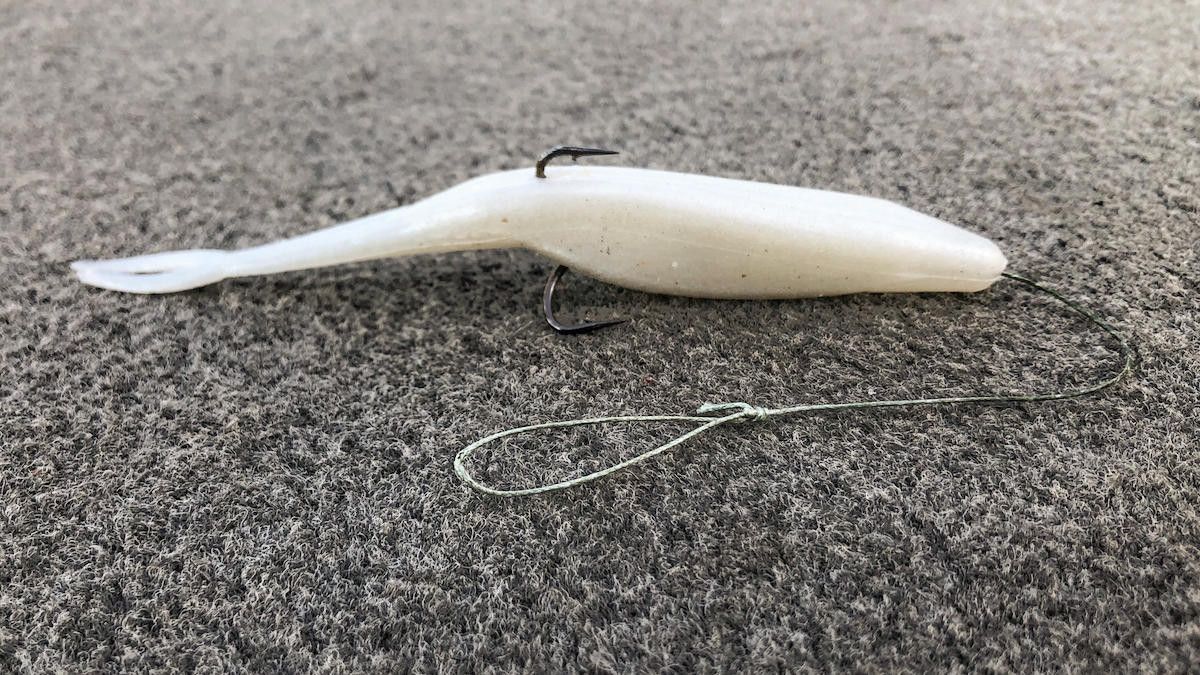
When I was around 11 years old, my dad decided to pre-rig a soft plastic jerkbait with a treble hook in the back, hoping to address an issue he was having with bass short-striking his bait. It worked. Now it’s one of my go-to bait modifications. To rig a Fluke this way, you’ll need about 12 inches of line. I use braid, but you could certainly use fluorocarbon if you like. Take the line and run it through the eye of a normal worm hook about 1/3 of the way. You will use this hook to thread the line through the bait. Run the hook through the nose of the bait the same way you normally would, but continue pulling the hook all the way through until one end of the line comes free.
Now set the worm hook aside. Take a treble hook and tie it onto the end of the line that came through the bait. Finally, anchor your treble hook toward the rear of the bait by running one hook point through the bait. Make sure you orient your hook so that the two downward hooks lie as flat as possible. You can either glue or solder the belly together to hide the line and complete the setup. But be careful, especially if you use fluoro, as the soldering tool and even the superglue can damage the line that’s tucked up in the belly. Use a clothespin to keep the belly pinched together. Once the glue dries, you can remove the pin.
5. Modify Your Buzzbait
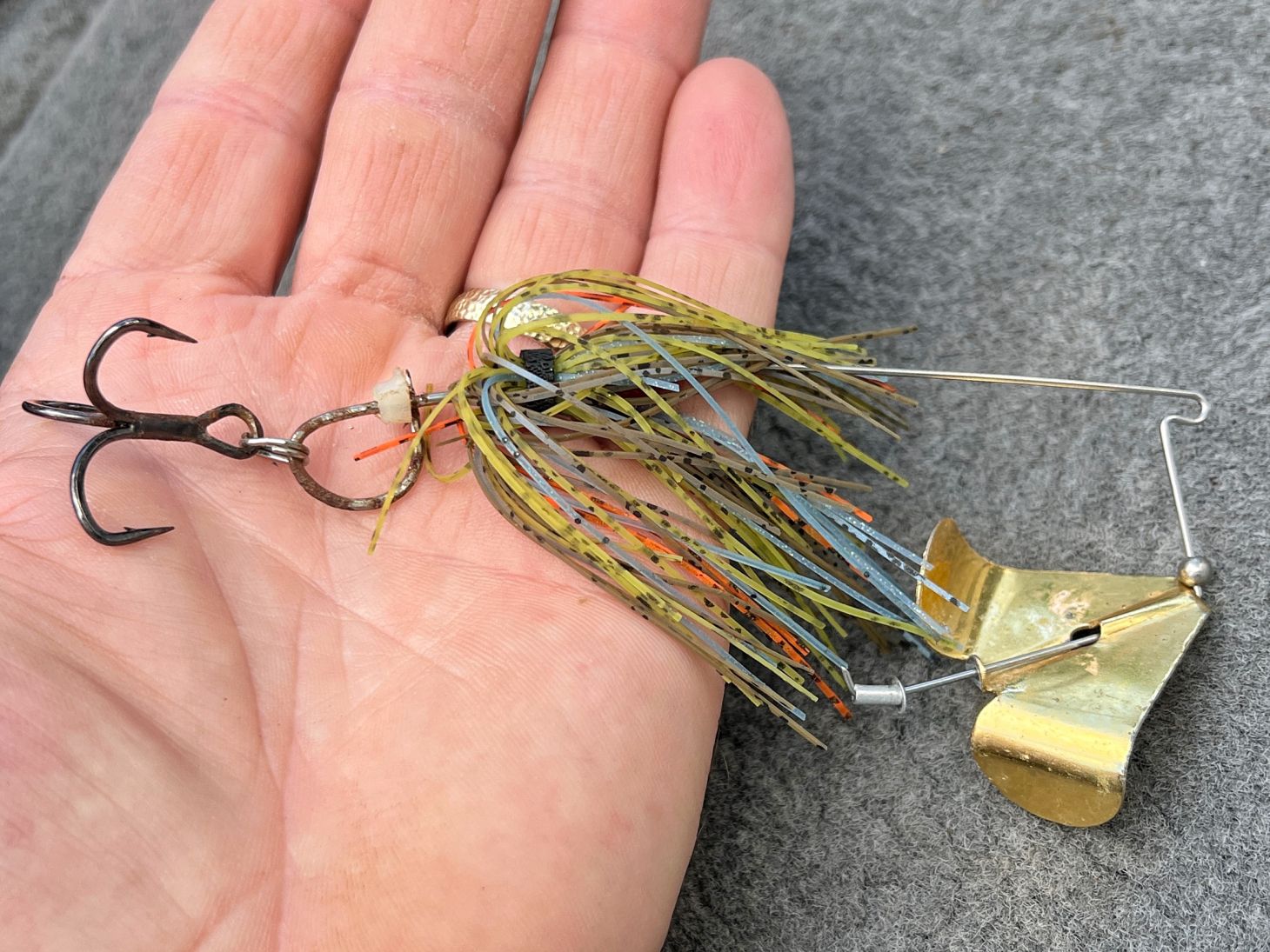
Bass are notorious for slapping at a buzzbait and not getting it good. Or, they may get the hook, but they put up such a ferocious fight along the surface that they pull free or throw the bait. Adding a treble hook to the back of a buzzbait will greatly increase your hookup and landing ratios. You can do this in one of two ways. Either add a treble hook as a trailer hook and secure it with a zip tie, or bend the main hook to form an eye, and then run the shaft through the treble hook eye (or an added split ring) and close it off using a zip tie to keep the treble from coming off. The second method is tedious, dangerous, and usually costs you a few baits before you can bend a hook without breaking it. But if you can modify your buzzbait this way, you end up with the hook close to the blade, which gives the fish less to swat at.
content_bass-fishing,content_freshwater-fishing,content_fishing,content_stories

THE 1871 CLUB

Recommended Products
Read the full article here