
We may earn revenue from the products available on this page and participate in affiliate programs. Learn more
As America’s first smokeless cartridge, introduced in 1895, the 30-30 is not just old—it’s the oldest, as modern American cartridges go. And yet it remains as effective as ever. In fact, with today’s loads, the 30-30 is a better coast-to-coast big-game cartridge than at any other time in its history. I’ve even used it on African plains game. So why not get a rifle in 30-30? Its only real limitation would be reach, as the cartridge is best used inside 200 yards. But if you know how to hunt—and shoot—getting inside 200 yards is rarely a problem. The 30-30’s combination of lethality, low recoil, and the fact that it is usually chambered in fast-handling guns is what has made it one of the most popular and trusted big-game cartridges of all time.
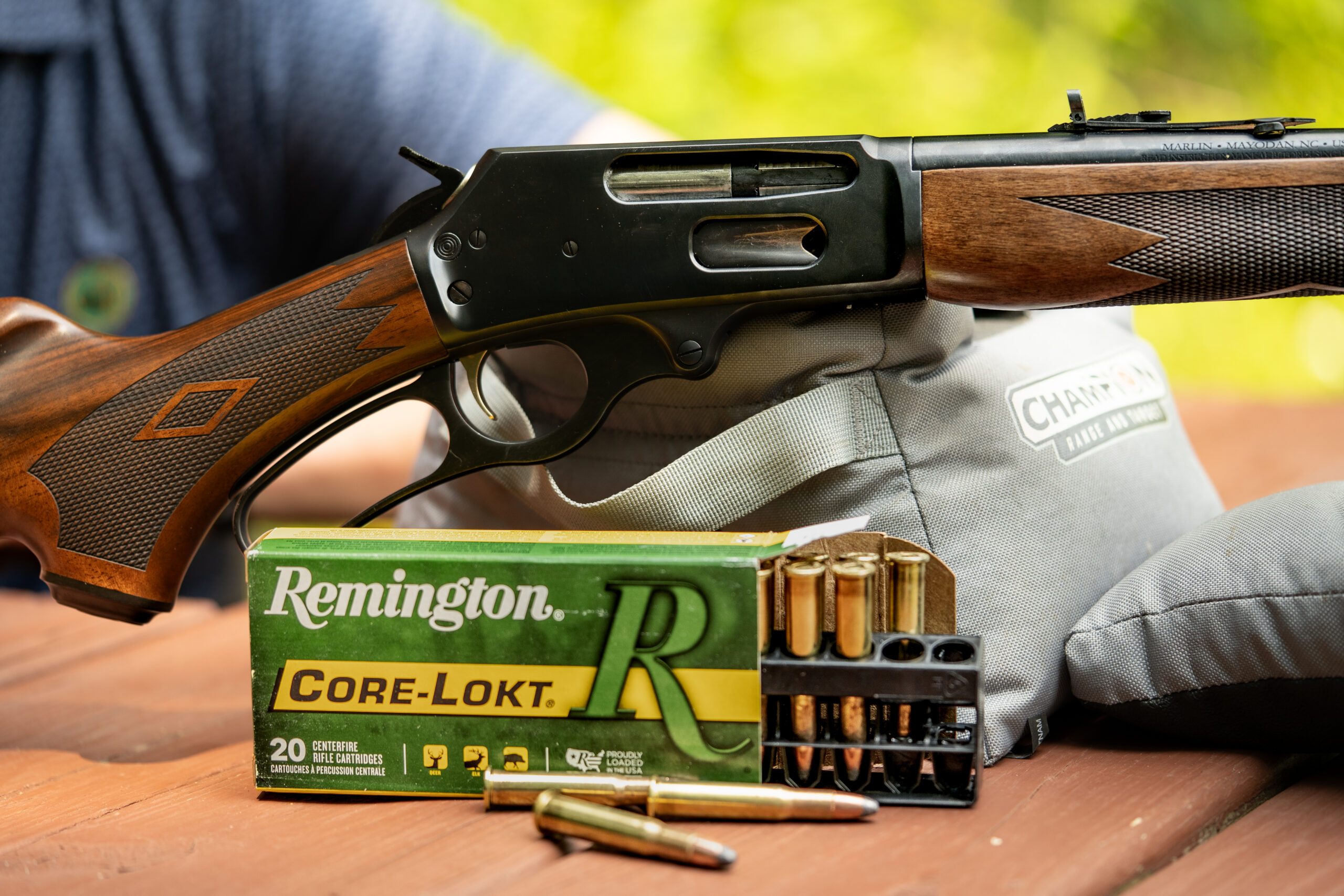
When most people think of the 30-30 Winchester, lever-action rifles pop to mind. The cartridge did, after all, get its start with the Winchester 1894. But the 30-30 has also occasionally been offered in bolt-action and single-shot rifles. With Marlin back in business under Ruger management and with Henry and Winchester cranking them out, you’ll have no problems finding a brand-new 30-30. However, there are also thousands and thousands of great used 30-30 rifles out there. It’s almost impossible to look on the Internet or visit a gun shop and not see several for sale. But before you buy, take a close look at our list of the best of the best 30-30 rifles.
Related: The 30-30 Is All You Need (If You Know How to Hunt)
Winchester Model 94
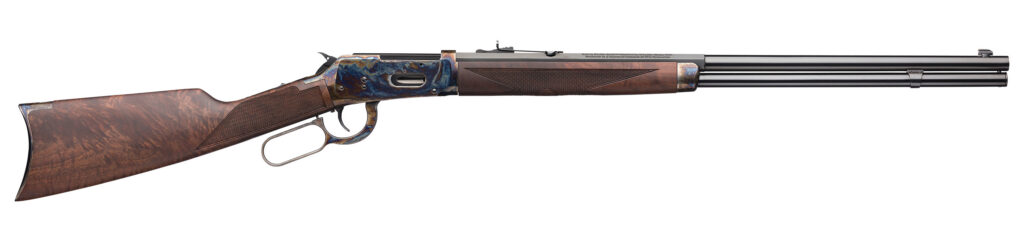
There’s no other rifle on the planet that feels and handles like a Winchester 94. Its slim and trim and it seems like it just wants to jump to your shoulder. And if it weren’t for the 94, there might not be a 30-30. The cartridge debuted with the rifle, and now it’s hard to think of a more American combination. The gun was an immediate hit. It offered fast, repetitive fire in a handy package and became so ubiquitous that it has, by now, been everywhere and done damn near everything.
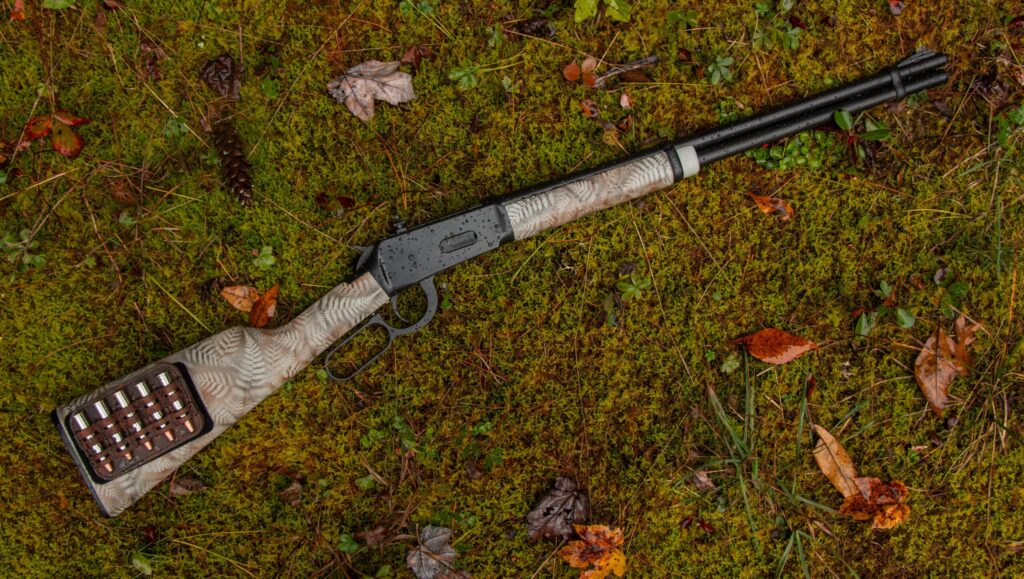
Winchester has offered Model 94s chambered for the 30-30 Winchester in countless configurations. Some were plain, some were fancy, some had short barrels, others had long barrels; millions have been sold. But in 2006, American production ceased. Now all Winchester 94s are made in Japan, but don’t let that discourage you—they are well made. Currently five versions are offered, with barrels from 20 to 24 inches and prices ranging from $1,200 to $2,500. If that’s more than you want to pay, your best option is a used 94. Excluding fancy or highly collectible pieces, prices will be between $500 and $1,500. Original Winchester 94 rifles ejected from the top of the action, which limited riflescope attachment. Later versions with what Winchester called “Angle-Eject” are much more riflescope friendly. The Winchester 94 is not the best rifle ever made, but I think it is one rifle every red-blooded American should own.
Related: Battle of the Lever Guns: Winchester vs Marlin 336
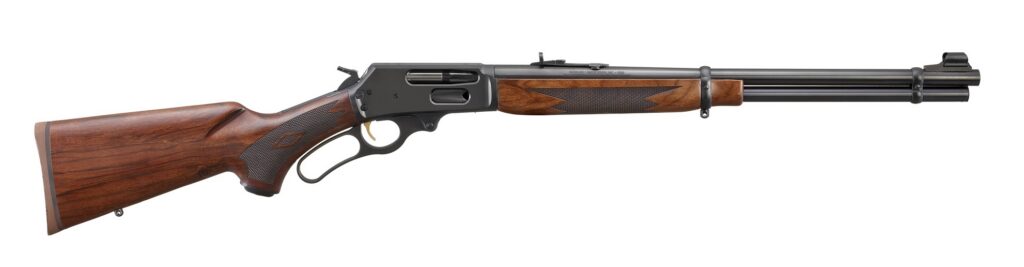
Marlin 336
Introduced in 1948, America’s other famous lever gun is the Marlin 336, which is an updated version of the Marlin Model 36. The primary difference between the Marlin 336 and the Winchester 94 is that the Marlin has always ejected from the side. This made it a natural for scope mounting. A version of the 336 known as the Model 30 Glenfield was also offered. It was essentially the same rifle with more rudimentary sights and a hardwood stock and many Glenfield’s were sold through chain department stores. When Marlin and their parent company Remington when bankrupt in 2020, production of the 336 ceased. Marlin was acquired by Ruger, which reintroduced the Model 336 in 2023.
Today Marlin is offering four Model 336 rifles in 30-30 Winchester. There is the traditional looking Classic, the short-barreled Trapper, the stainless steel and laminated wood-stocked SBL, and the modernized Dark Series. If you’re a fan of the 30-30, one of these rifles is bound to appeal to you. Of course, as with Winchester 94s, there are plenty of 336s on the used market. Depending on condition, variation, and year of manufacturer, 336 prices can range from $500 to $2,000, with “JM” marked, pre-Remington Marlins costing the most. Where deer hunting timbered ridges and brushy draws is common, you’ll find a happy and successful hunter toting a 336. That’s something that’s likely never to change.
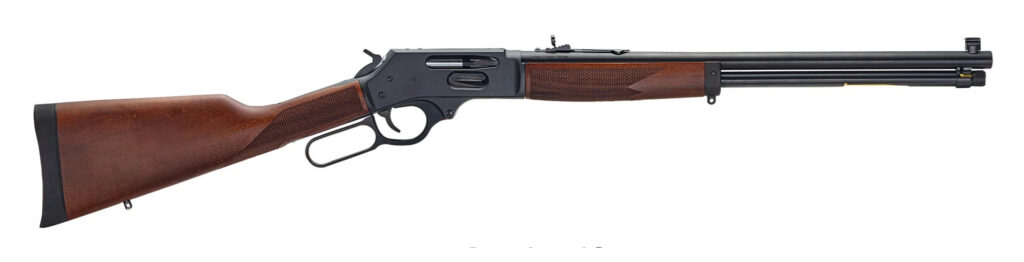
Henry Lever Action Side Gate
Like Marlin, Henry offers a wide selection of lever-action rifles in 30-30 Winchester. Henry is also America’s largest producer of lever-action rifles. Their Steel Lever Action Side Gate is the most affordable and comes in two configurations. One with a standard lever and the other has a large loop lever. Both retail for right at a grand, are drilled for scope mounts, have American walnut stocks, and lack the cross-bolt safety you’ll find on newer Marlin lever guns that traditionalist hate.
Henry lever-guns in 30-30 Winchester are also unique in that while the tubular magazine can be loaded in the traditional manner through the side gate, just as with tube-fed rimfire rifles, they can also be loaded through a port in the magazine tube. Though unnecessary, this redundancy does permit much easier and safer unloading because the cartridges do not need to be cycled through the action. Henry offers more than a dozen 30-30 lever guns with prices ranging from around a grand to almost two.

Savage 99
With the Model 99, Savage forever changed the way we would look at lever actions. Instead of a long under-barrel tubular magazine, the 99 fed cartridges from an internal under-action rotary magazine. Later, this allowed cartridges like the 250 and 300 Savage to use pointy bullets not compatible with tubular magazines. However, it was several years until those more modern rifle cartridges were available and up until then and even after, Savage 99s chambered for the 30-30 Winchester were popular.
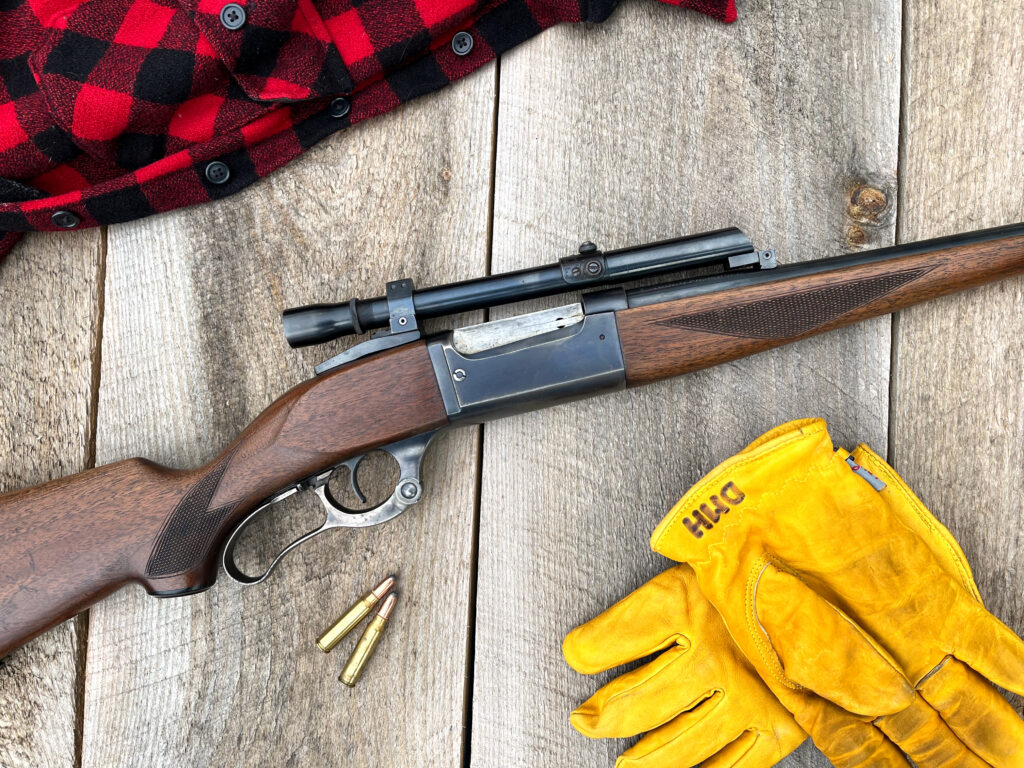
Savage 99 rifles were manufactured in an unbelievably wide variety of configurations. Some were muskets with a bayonet lug, some were Deluxe Editions with gorgeous wood, the 99E was the Economy version with a birchwood stock, and there were Featherweight and Takedown 99s. Savage ceased production of the Model 99 in 1997, and they have become favorites of collectors. If you can find one in 30-30 Winchester—and if you can afford it—it will make you a fantastic rifle and you can even handload pointy bullets to shoot in it.
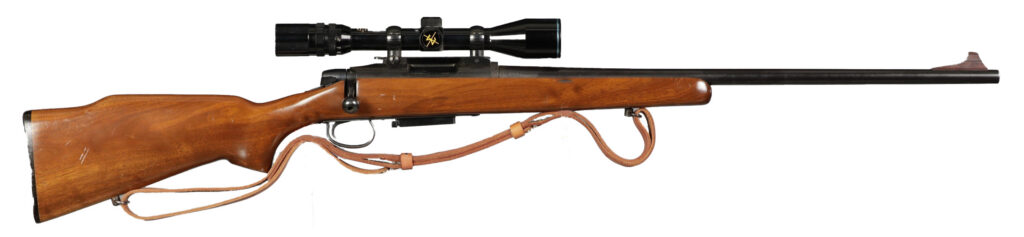
Remington Model 788
The Model 700 is Remington’s flagship bolt-action rifle, but Remington’s Model 788, which was introduced in 1967 and offered until 1983, was a much more affordable gun with a reputation for fine precision. Other than its no-frills look, with less-than-spectacular bluing and a birchwood stock, the main difference between the 788 and the 700 is the action. The 788 feeds from a three-shot detachable magazine and utilizes a bolt with rear-locking lugs. This made the bolt seem a bit sloppy during cycling. A high-school friend bought one and it was a tack-driver, but his mother thought the unusual bolt made the rifle cheap. She made him take it back.
The 788 was inexpensive—but not cheap. And it was chambered for the 30-30 Winchester from 1967 until 1970. If you want a bolt-action 30-30 Winchester, this is the rifle to look for. I’ve seen prices on used 788s in 30-30 as low as $500 and for more than $2,000 for pristine—in the box—examples. If you can find one at a reasonable price, it can be cleaned up and even tweaked a bit by a gunsmith to make a fine hunting rifle. My son shot his first deer with a customized Remington Model 788 chambered in 25-35 Winchester, which is a cartridge was based on the 30-30 Winchester.
Related: 30-30 vs 45-70: Battle of the Classic Lever Gun Cartridges

Ruger No. 1
In 1966 Ruger introduced their No. 1 single-shot rifle, which was a hammerless, Farquharson-style falling-block rifle. Since its introduction, the No. 1 has been offered in more than 50 different chamberings, including the 30-30 Winchester. With its rimmed case, the 30-30 cartridge was ideally suited to this type of action, which would also allow the use of pointed bullets, and was even strong enough for handloaders to slightly boost performance.
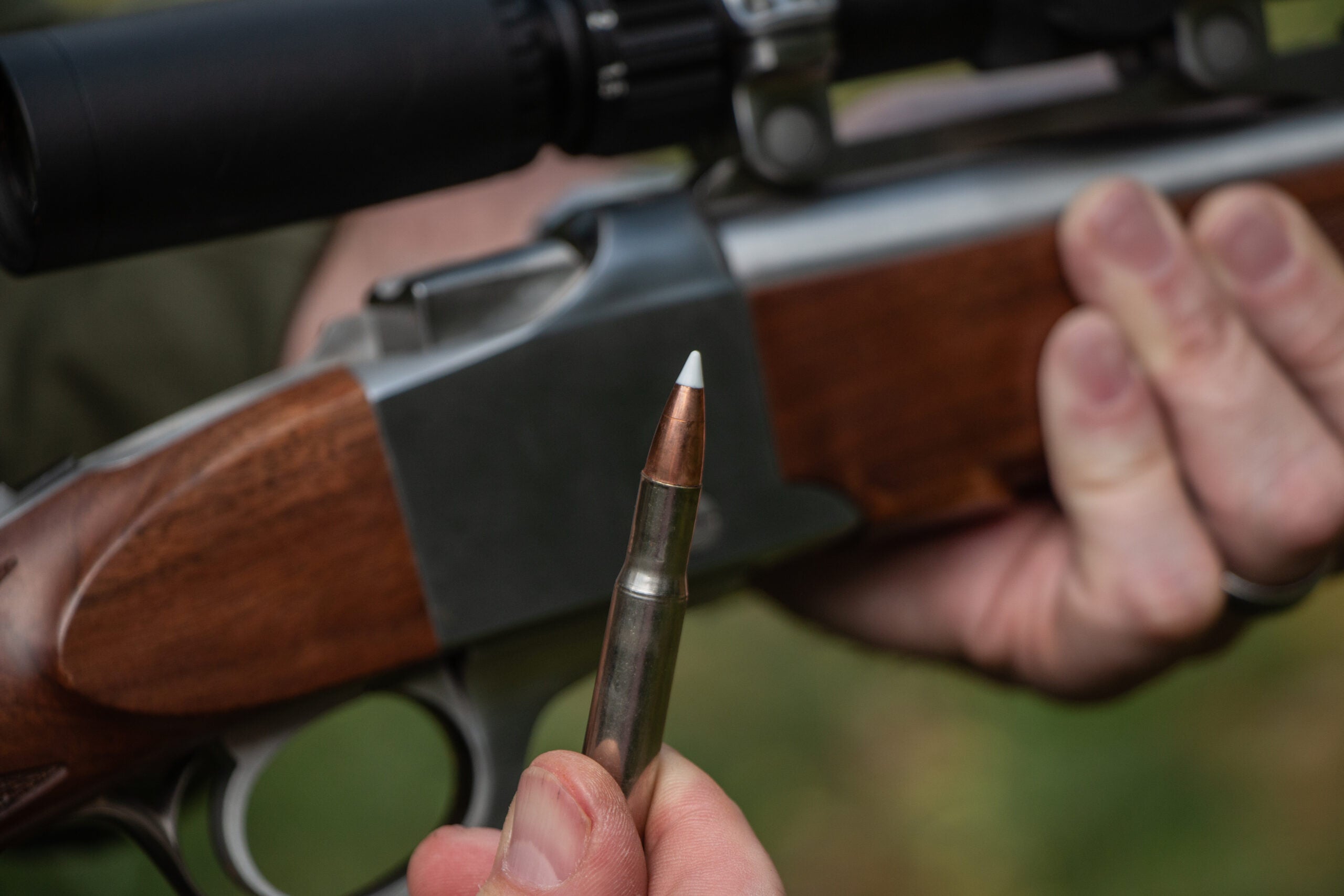
For a time, I owned a limited-edition, stainless-steel, Ruger No. 1, in 30-30. It was a gorgeous rifle and I handloaded it with 125-grain Nosler AccuBonds ahead of 33-grains of Benchmark powder. Out of the 22-inch barrel, it would do 2550 fps. Zeroed 1.5 inches high at 100 yards, I could hold dead on a deer out to 200. If I did my part, three-shot, 100-yard groups were under an inch. If you want an elegant and unusual 30-30 Winchester rifle, look no further than the Ruger No. 1. However, you’re going to have to look hard because not many were made. And if you find one in good condition, expect to pay around two-grand. These are fabulous rifles.
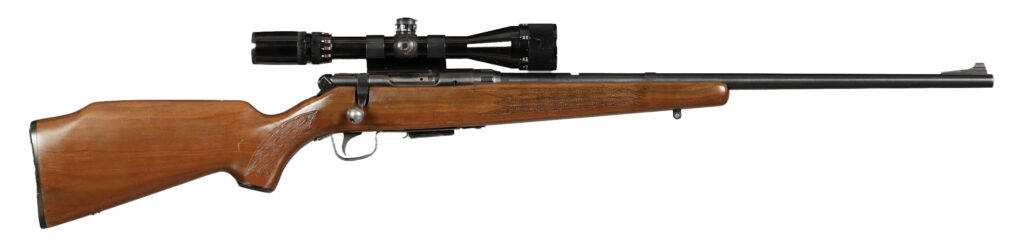
Savage Model 340
Offered in various configurations between 1950 and 1985, the 340 was a bolt-action 30-30 Winchester. It was a very utilitarian type of rifle, but some of the nicer versions came with a peep sight. To my knowledge, all 340s had a black walnut stock, and some of were drilled and tapped for a side-receiver scope mount. For a time, and possibly starting Savage’s tradition of “packaged rifles,” Savage even offered a scope mount and an inexpensive scope with some Model 340s. All 340s chambered for the 30-30 Winchester were fed from a detachable three-shot magazine, and many were sold through department stores like Sears under a different model name.
These rifles are reasonably easy to find on the used market, with prices ranging between around $400 to $700. An earlier version known as the Stevens Model 325 had a cool-looking European-style butterknife bolt handle. Though by modern standards these rifles look a bit archaic, they were well-made, and most have aged very well. The 340 offers the advantage for handloaders to use traditional spire-point bullets in the 30-30, which can increase the cartridges external and even terminal ballistics. These rifles were never thought of as attractive, but they have a good reputation in the timber. A 340 would make a great rifle for a new deer hunter.
Editor’s Note: Richard Mann’s new book, Rifle Cartridges for the Hunter: A Hunting Journal Spanning a Half-Century details 50 rifle cartridges through real hunts, practical insight, and hard-earned lessons. It is essential reading for serious hunters and riflemen who appreciate ballistic science and authentic outdoor adventure.
Why Trust Us
For more than 125 years, Field & Stream has been providing readers with honest and authentic coverage of outdoor gear. Our writers and editors eat, sleep, and breathe the outdoors, and that passion comes through in our product reviews. You can count on F&S to keep you up to date on the best new gear. And when we write about a product—whether it’s a bass lure or a backpack—we cover the good and the bad, so you know exactly what to expect before you decide to make a purchase.
content_rifles,content_guns,content_outdoor-gear

THE 1871 CLUB

Recommended Products
Read the full article here