
We may earn revenue from the products available on this page and participate in affiliate programs. Learn more
It’s a good time to be a bowhunter. Last year, I called the 2025 crop of flagship compounds the best I’d ever tested, and the fact that I’m going to sound like a broken record in 2026 should be music to your ears. Once again, the latest top-end bows are excellent across the board, and choosing between them is an exercise in nitpicking. On the other hand, nitpicking is what we do.
There are two clear trends in 2026, and the first increased options, with most companies offering multiple versions of their top bow, typically with two or more axle-to-axle lengths. Speaking of which, the other trend was the prevalence of bows offered with a 33-inch axle-to-axle measurement. I was thrilled to see this. If I had to choose one axle-to-axle length for the rest of my bowhunting days, it would be 33 inches.
Picking a winner was extremely difficult, as mentioned, but that’s why our annual compound bow test is so rigorous. I shot thousands and thousands of arrows over the course of two months in order to wring out the little details that make one bow better than another. Here is how it all shook out.
How We Test for the Best Compound Bows
The 2026 bow test was, as in years past, an invitational. If you don’t see your favorite bow builder represented, chances are they opted not to submit a bow for testing. As in years past, our 2026 bow testing goals were fairness and honesty. Compound bows are expensive, especially this year. Regardless of what brand you go with, it’s a serious investment. We get that, and we want you to help you make the best choice for you, so we’re not going to blow smoke. The review below is not sponsored content or a glorified press release. It’s the result of rigorous testing and honest evaluations. While you can and should use this bow test as a guide, it’s always best to visit your local pro shop and send arrows downrange with the compound bow model you’re considering.
Best Compound Bow Test: Parameters and Set-Up
When I received the test bows, the first thing I did was confirm the manufacturer’s specs. Then I adjusted each one, as needed, to meet my shooting specs of a 29-inch draw length and a draw weight as close to 70 pounds as possible. Then, I set up all the bows with the following accessories:
- Spot-Hogg Boonie, Spot-Hogg Fast Eddie Triple Stack, Spot-Hogg Hogg-Father Triple Stack sights
- QAD Integrate MX2 drop-away rests
- 3/16 G5 Meta Peep
- D-loop
- 28-1/4-inch Easton 5MM FMJ 340 spine/100-grain field points/467.0-grain finished weight
- Groups were shot with T.R.U. Ball’s HBC hinge and Stan’s Onnex Clicker Thumb Button releases
Best Compound Bows Test: Procedure and Scoring

After verifying all bow specs, I put 200 arrows through each bow at ranges between 20 and 50 yards to allow for string settling and stretch. Over these 200 shots, I took notes about each bow’s grip, draw cycle, transition to let-off, back wall, full-draw balance, aiming, post-shot feel, and fit and finish.
After that, I paper-tuned each bow—including bare-shaft tuning at 10, 20, 30, and 40 yards—until a dozen test arrows created a perfect bullet hole through the paper.
Next, I shot three-arrow groups at 20 and 50 yards with field points. I also shot three-arrow groups from 80 yards, which was the max test distance. I measured and averaged all the group sizes for each bow. I also shot two 5-Spot Indoor 300 rounds from 20 yards, and two outdoor 3-D rounds with 12 targets between 20 and 50 yards and 50 and 80 yards.
After testing eac bow-and-arrow combo with field tips, I tested each with 100-grain fixed-blade Exodus and Trocar broadheads to 60 yards. I shot three fixed-blade arrow groups from 20 to 60 yards and three field-point-tipped arrows head-to-head against those groups. Results were measured and recorded. I repeated the process with SEVR’s Ti 1.5 4-Blade Hybrid, Speed’s Crosscut, and G5’s T2 mechanical heads. I tested each mechanical broadhead to 60 yards against field points.

I used Competition Electronics ProChrono LTD and Garmin’s Xero C1 Pro chronographs to record three-shot speed averages. (Remember, the speed figures below are not to IBO specs; they reflect my 29-inch draw length and 70-pound draw weight, with a 467-grain arrow.) I measured noise with Reed’s Model R8050 Sound Level Meter, averaging the decibel (dB) readings of three shots. With all the results tabulated, I sat down and scored each bow on a 100-point scale in the following categories:
- Accuracy and forgiveness (20 points)
- Speed (20 points)
- Draw Cycle (10 points)
- Balance, grip, aim (10 points)
- Lack of Noise (10 points)
- Lack of Vibration (10 points)
- Fit and Finish (10 points)
Using all of that data, I picked the overall winner of F&S’s 2026 compound bow test, as well as winners in the categories that mean the most to bowhunters. Here are the results.
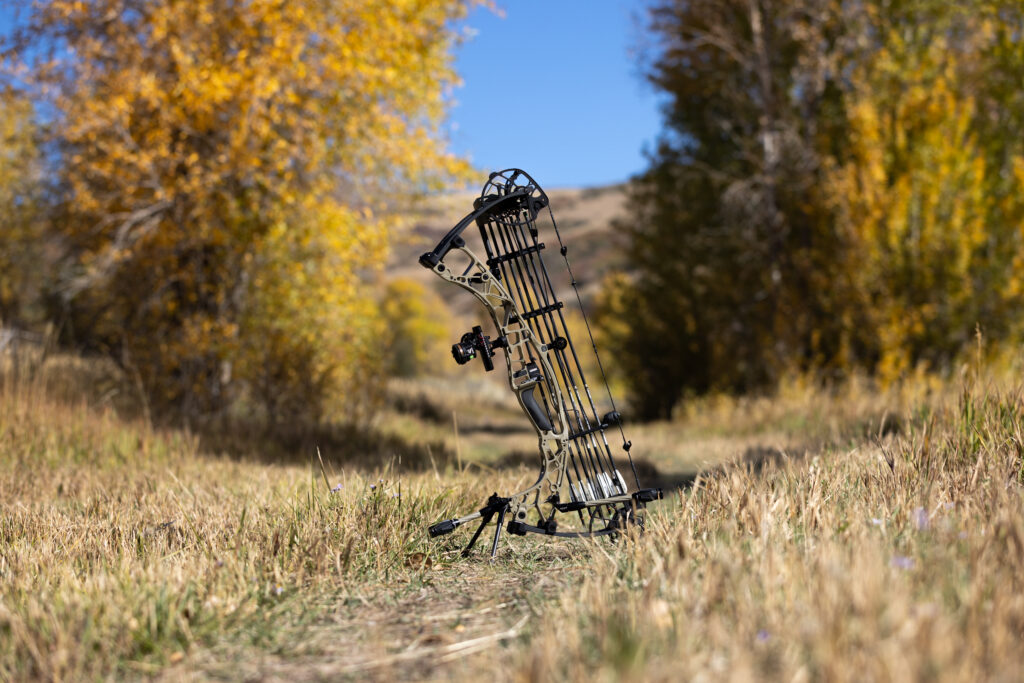
Specs
- Axle-to-Axle Length: 33-5/16″ (tested)
- Brace Height: 6-3/8″
- Weight: 4.75 lb.
- Price: $1,599
Test Results
- Speed: 285
- Final Score: 99
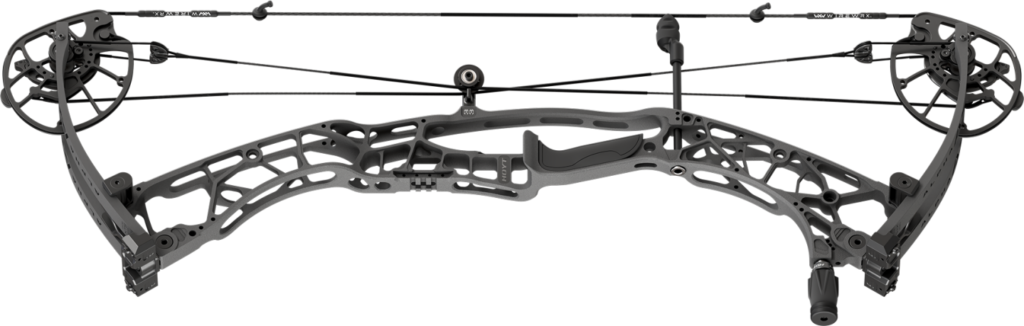
Hoyt takes its Alpha aluminum-riser bow lineup to a new level for 2026 with the AX-3, which comes in four model options: AX-3 29, AX-3 33, AX-3 33 LD (Long Draw) and AX-3 SD (Short Draw). I tested the AX-3 33. One area where Hoyt fell behind the bow-building 8-ball in 2025 was its lack of an integrated tuning system. The AX-3 line solves that issue with the company’s new XTS Tuning System. A limb—not cam—system, the XTS is simple, straightforward, and corrects right, left, high, and low tears up to 1 inch. For my money, it the best on-bow tuning system on the market right now.
Another big improvement over last year’s RX-9 is the draw cycle. The AX-3 33 draws like butter. The weight builds evenly and cleanly, and the transition to let-off settings of 75, 80, or 85 percent is silky. At full draw, the bow holds and aims extremely well. The HBX Gen 4 cams don’t want to pull you into the shot, and the back wall feel provides a slight valley (without any sponginess) that you can pull into. The bow delivers solid speed and excellent shot-to-shot consistency.
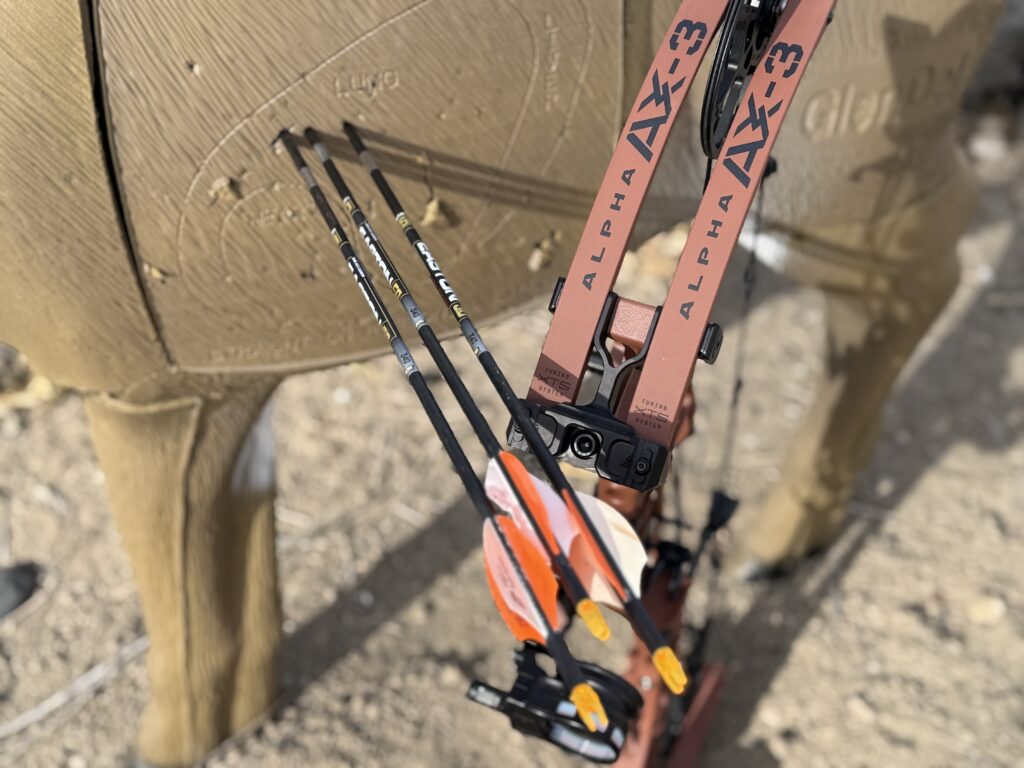
The bow’s 33-inch length between the axle pins hits a not-too-long but not-too-short, sweet spot, and the 6-3/8-inch brace helps blend speed with forgiveness. The AX-3 33 is dead in the hand at the shot and builds shooting confidence rapidly.
In the end, the Alpha AX-33 took Best Overall honors in this year test because it has the perfect blend of speed and shootablity. It gets you target quickly, helps keep your pin from dancing, and lets you pull through your shot. And it’s even quieter (62.2 dB) than last year’s RX-9 (63.1 dB). When the arrow goes, and the bow returns to static, there is no post-shot vibration. There is zero doubt in my mind that the AX-3 33 is Hoyt’s best-ever aluminum-riser compound, and it’s our top pick for 2026.
Related: Check out our expert’s full review of the Hoyt Alpha AX-3 here.
Specs
- Axle-to-Axle Length: 33″ (tested)
- Brace Height: 6.375″
- Weight: 3.75 lb.
- Price: $1,599.99
Test Results
- Speed: 271
- Final Score: 98
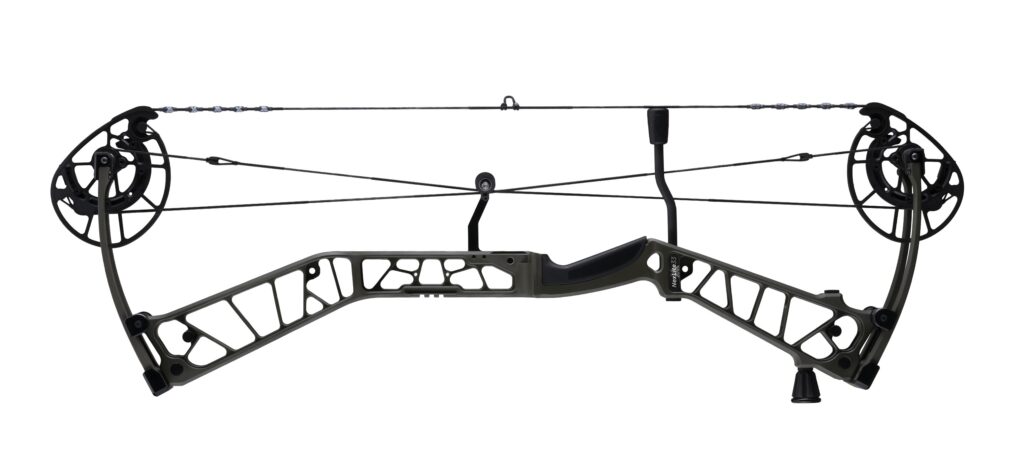
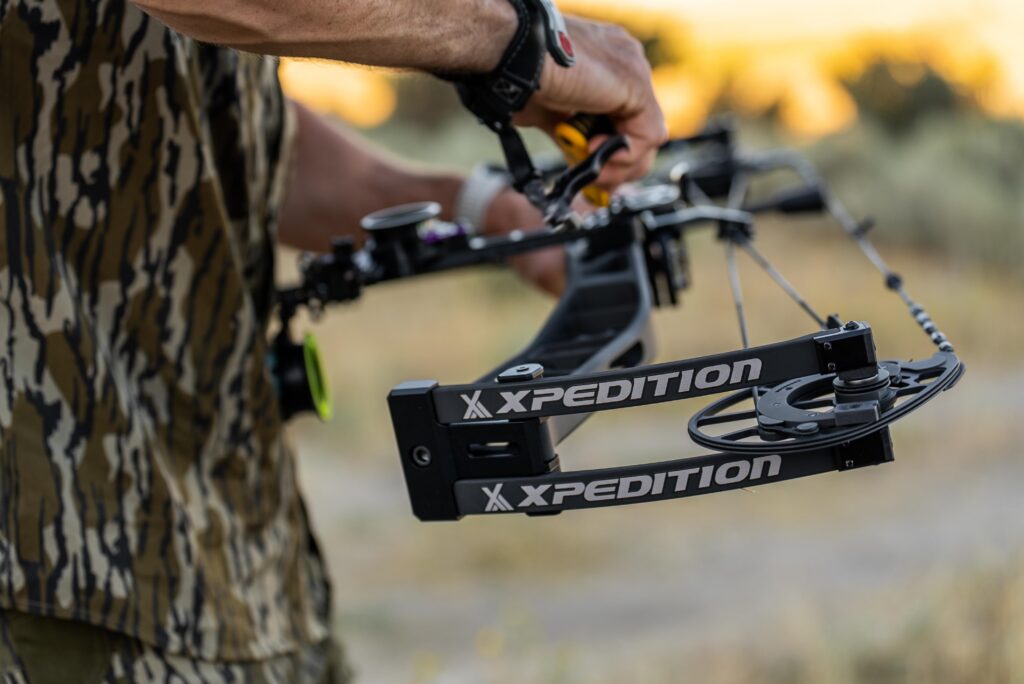
Xpedition didn’t exactly light it up in our 2025 bow test, but it’s is whole new year, and the company’s 2026 flagship, the NexLite, is one of the finest bows I’ve ever shot. It comes in 30-inch and 33-inch axle-to-axle versions, and I tested the later.
Xpedition took the best features of last year’s XLite and blended them with new technologies that improve the overall shooting experience. Made from Magnite, the 33-inch axle-to-axle NexLite weighs just 3.75 pounds. It’s the lightest bow in this year’s test, despite being one of the longest, which is remarkable. (The 30-inch NexLite 30 weighs just 3.6 pounds.) A straighter riser with more parallel limbs allows for weight customization via two front stabilizer mounting holes and a single back stabilizer mounting hole. Combined this with the new NBX Cam System, which provides draw-length adjustments in 1/4-inch increments and features a new XLok Tuning System, and you’ve got a recipe for a great hunting bow.
I love the new, thinner grip with rubber overmold. It facilitates repeatable hand placement, reduces torque, and feels great. The draw-cycle is super smooth; let-off comes with ease, and the back wall feels as good as any bow I’ve ever shot. That and the bow’s excellent balance provides incredible stability that reduces pin float and creates consistent accuracy.

The second quietest bow in the 2026 crop, the NexLite is dead in hand. When the string drops, the arrow hits behind the pin as you follow through. There is no tingle in the hand, and no post-arrow buzz or rattle to distract you.
The one thing the NexLite 33 lacks is speed. It came in second-to-last in the fps rankings, but I wouldn’t let the lack of speed influence my buying decision. It’s racked up the our second-highest overall score despite this. The NexLite 33 is one of the best bows on the market. It will fill freezers, and this is a bow I will take afield in 2026.
Related: Check out our expert’s full review of the Xpedition NexLite 33 here.
Specs
- Axle-to-Axle Length: 30″ (tested)
- Brace Height: 6″
- Weight: 3.99 lb.
- Price: $1,459
Test Results
- Speed: 295
- Final Score: 97
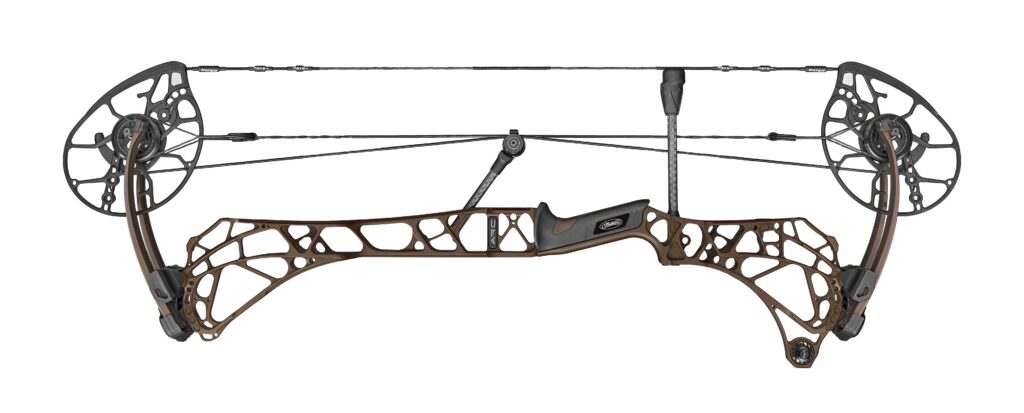
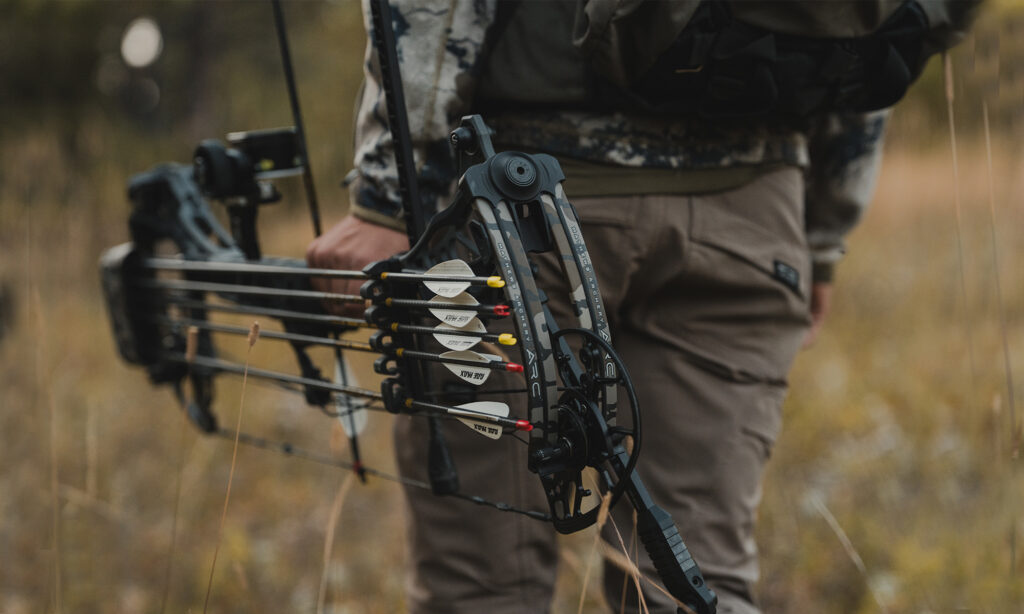
Let me say this right off the bat: The fact that a 30-inch bow took first place in our accuracy testing is astounding to me. Mathew’s new ARC comes in 30- and 34-inch models, and when they sent me the shorter one to test, I was skeptical—because I prefer a longer bow and have always shot them better. The ARC 30 defied my expectations.
Though remnants of the previous Lift and Lift X flagships remain, Mathews’ ARC features a new riser, cams, and limb assembly. At 30 inches axle-to-axle and under 4 pounds, the ARC 30 is light and maneuverable, and the new SWX-2 cam adds speed with reduced recoil. The all-new riser features a reinforced chassis that, according to Mathews, boosts strength and rigidity without adding weight. A new limb assembly creates a parallel limb path to improve feel, shot-to-shot consistency, and overall bow efficiency. The new limb cup design allowed Mathews engineers to reduce weight and, as with the riser, improve stability.
All of this clearly went into the fact that the ARC was the best-aiming bow in this year’s test. It was also the easiest to tune. After 200 arrows, the bow sent a test arrow through paper, creating a perfect tear. As good as Mathews’ on-bow Limb Shift Technology is, I didn’t have to touch it for tuning purposes.
The ARC 30’s draw-force curve is stiff—very stiff—but it puts you on target quickly. The SWX-2 cams are also twitchy. If you don’t remain super strong in the front and back, the ARC 30 will want to pull you into the shot. Speed often comes with a sacrifice. However, after 200 arrows, I got used to the draw cycle and jumpy cams.
Despite measuring just 30 inches between the axle pins, the ARC 30 holds and aims like a bow with a much longer riser. No matter how far I moved from my targets, the ARC 30 did its job as long as I stayed strong in the front and back. Arrows fly quickly and hit behind the pin, one after another.
The second fastest bow in this year’s review, the ARC 30 sent the 467-grain 5MM FMJ Max test arrow at 295 feet per second. If you opt for a heavy arrow build, the ARC 30 still provides speed. With the same arrow, the ARC 30 produced 90.26 foot-pounds of kinetic energy. And with a heavier arrow, you get quieter overall performance.
At the shot, the ARC 30 pops forward slightly in the hand, but it is remarkably quiet and produces virtually no felt recoil. The biggest problem I foresee for bowhunters is the hyper-aggressive cams. If you don’t stay strong a full draw, the ARC 30 will make you pay for it. Mathews does offer a SWX-Z Mod, which reduces speed but makes the draw cycle and back wall feel much more pleasant.
Again, the ARC 30 delivers accuracy in spades. I shot excellent 5-Spot and 3-D scores with it, and the bow is quieter than last year’s Lift X (67.5 dB). Bow noise on the ARC 30 was 64.3 dB, making it the third-quietest bow in this year’s class.
The ARC 30 is a solid choice for any bowhunting pursuit. Extra speed shrinks pin gaps and makes up for a bit of yardage error. The bow is compact and maneuverable, making it a perfect tree-stand or ground-blind hunting partner, and its lightweight build is ideal for spot-and-stalk hunters. This is another bow I will use in the field this fall.
Related: Check out our expert’s full review of the Mathews ARC 30 here.
- Axle-to-Axle Length: 33″
- Brace Height: 6” or 7”
- Weight: 4.1 lb.
- Price: $1,595
Test Results
- Speed: 271
- Final Score: 97
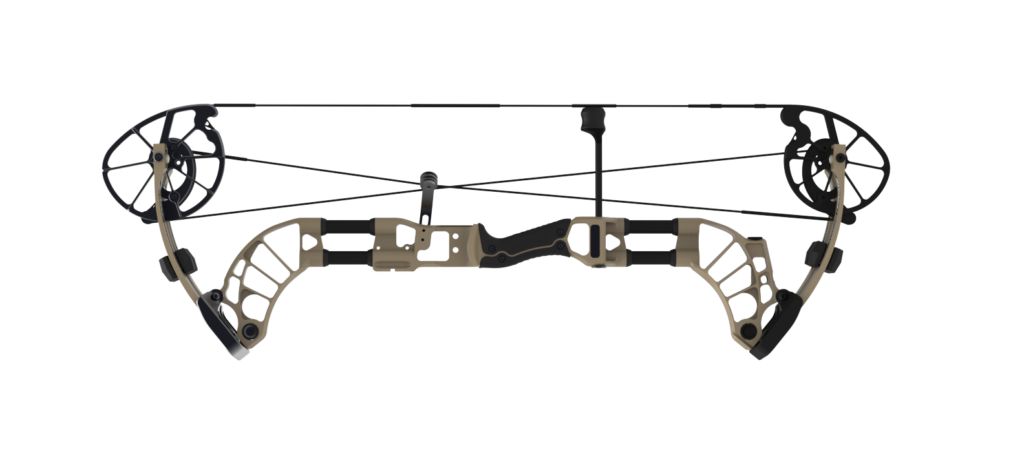
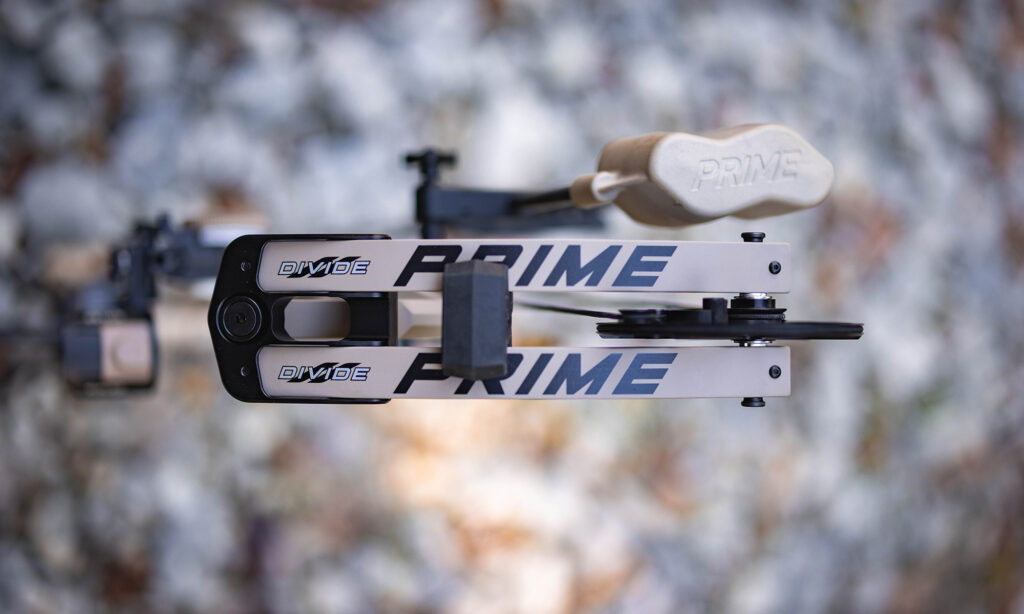
I have never pulled back a Prime bow I didn’t like, and that holds true for the 2026 Divide. Prime went the extra mile this year to give shooters loads of options in their flagship line. The Divide comes in four axle-to-axle lengths (31, 33, 35, and 37), and the 33 that I tested is available in brace heights of 6 and 7 inches, and you can choose between standard and performance mods.
As I mentioned earlier, speed doesn’t factor into my bow-buying decision, so I opted for the 7-inch brace height Divide 33 with standard modules. Prime says that the 6-inch brace height model with performance mods should give you a 7-9 fps speed jump.
The Divide aluminum/carbon riser mirrors that of the 2025 Form, but Prime engineers reduced weight with more strategic cutouts. The riser build is durable and rigid, and once you reach full draw and climb into your anchor points, this bow provides a stable hold. The draw cycle is buttery, the transition to let-off is gentle, and the Core cams aren’t jumpy.
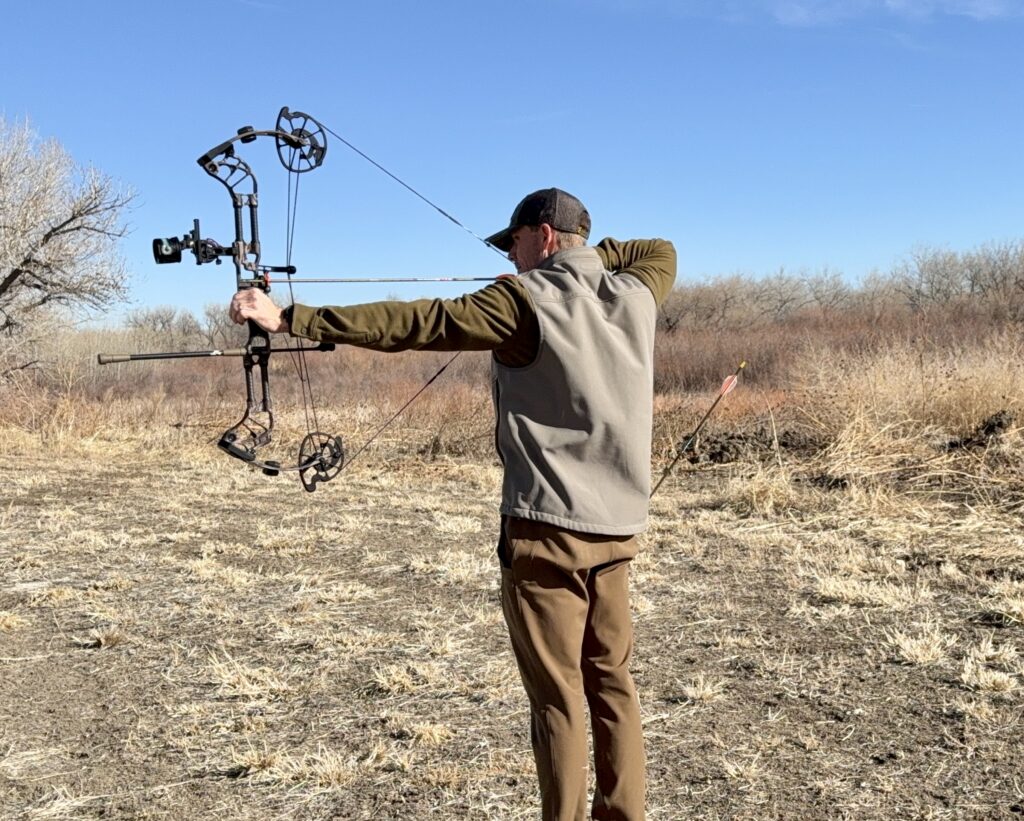
Prime’s 2025 Form won our Most Accurate award, and this year’s Divide 33 gets Best Draw Cycle. If you’re not overly concerned with speed and want a lightweight compound bow that draws with ease, holds well, and is exceptionally forgiving, you can’t go wrong with the Divide 33. This bow is well suited to just about any bowhunting pursuit. When you’re in the whitetail woods on a calm, frigid morning, wrapped in layers of clothing, you’ll appreciate having zero trouble reaching full draw when your buck wanders into range. If you’re a western roamer and the velvet mule deer of your dreams is 60 yards across a canyon, the smooth draw and dead-still hold the Divide 33 creates will help you send an arrow on target.
The fit and feel of a bow’s grip will often tell me whether we’re going to get along or not. I’m a fan of Prime’s NanoGrip. It feels great in the hand, and AeroGel Technology provides an insulated barrier between the aluminum riser and the NanoGrip. You’ll appreciate this feature on frigid days.
Once the bow was shot-in and tuned perfectly, I shot the Divide 33 with field tips, mechanical, and fixed-blade broadheads. The bow produced tight three-shot groups between 20 and 80 yards with each head, and from 30 and 40 yards, I stacked fletched arrows and bare shafts together. The bow tunes easily, and the more you shoot it, the more confident you feel.
Related: Check out our expert’s full review of the Prime Divide 33 here.

- Axle-to-Axle Length: 33″
- Brace Height: 5.25″
- Weight: 3.9 lb.
- Price: $1,999.99
Test Results
- Speed: 306
- Final Score: 96
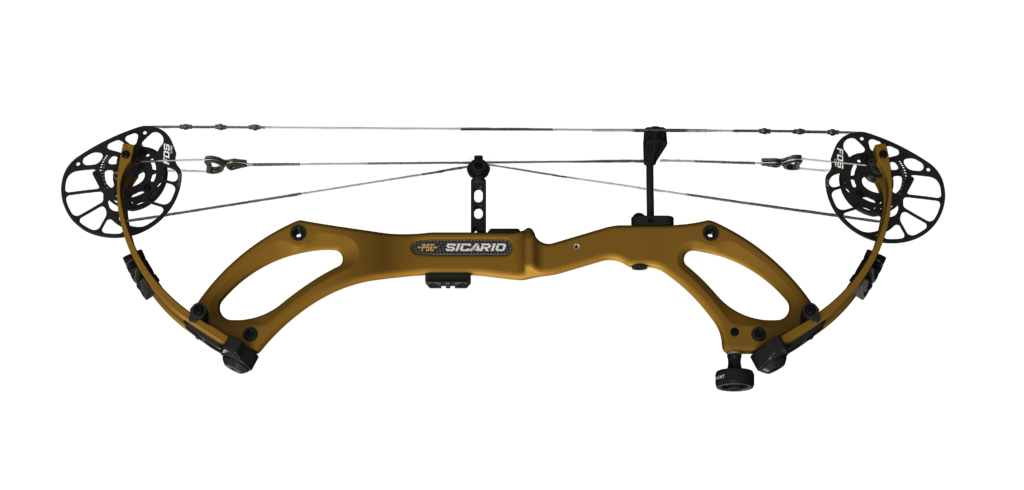
PSE’s smooth-drawing and hyper-accurate Mach 33 DS took gold in our 2025 F&S bow test, and while the Sicario doesn’t offer a repeat, it’s a compound bow that will appeal to many bowhunters, especially if what you’re after is speed.
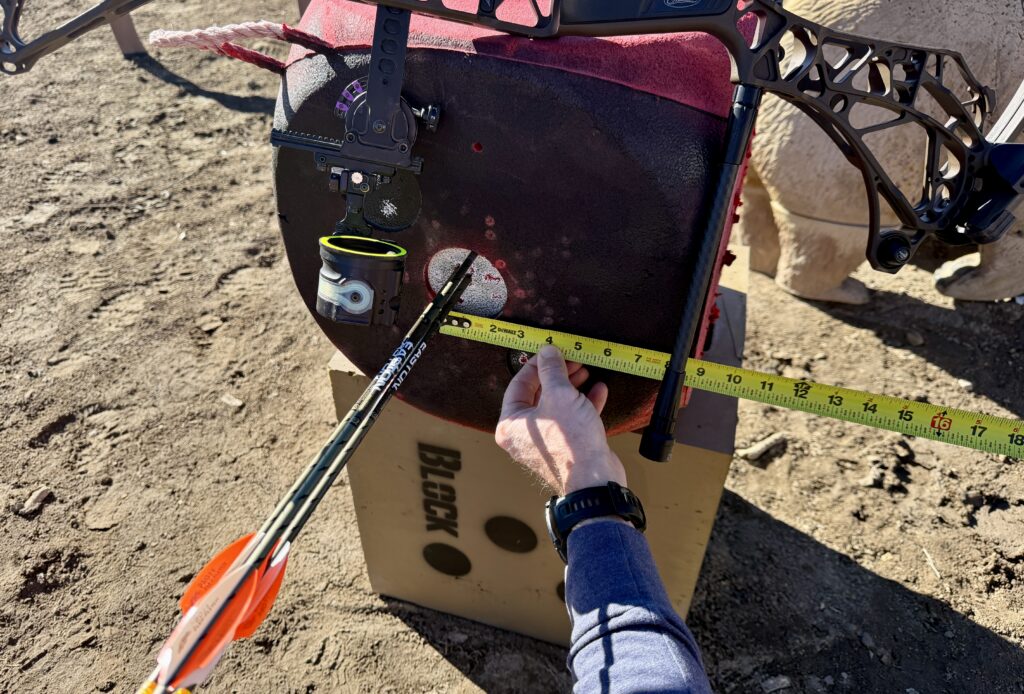
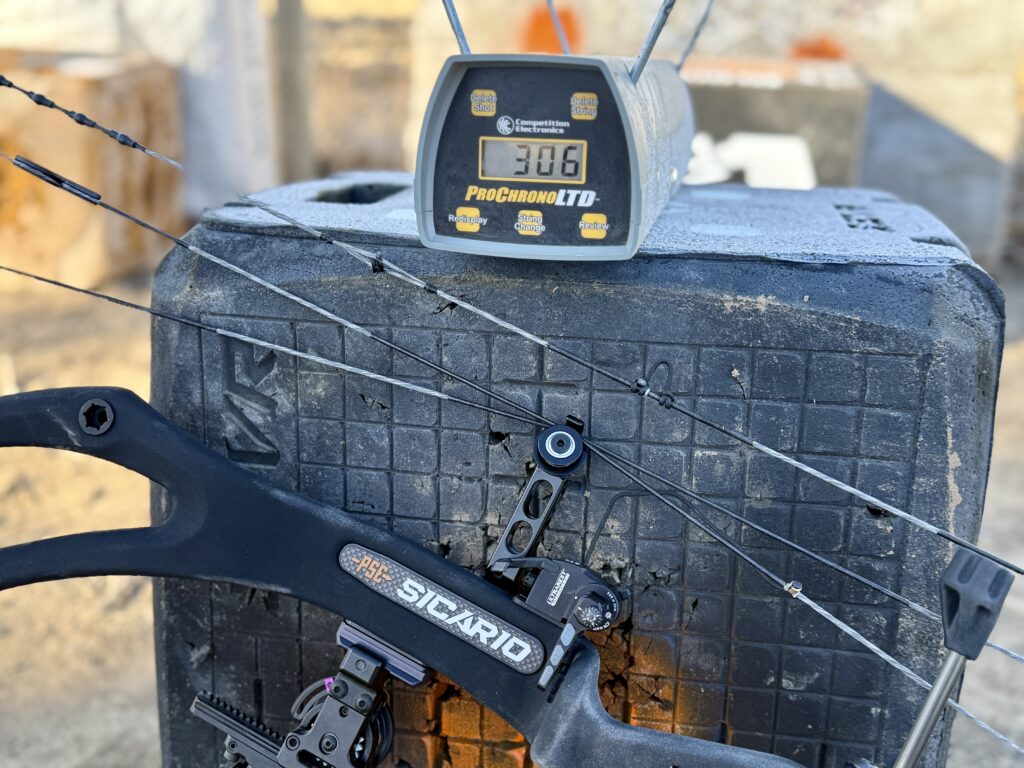
This is the fastest compound bow I’ve ever shot. With a 5-1/4-inch brace-height, the Sicario sent my hunting-weight 467-grain Easton 5MM FMJ Max shafts at 306 feet per second. My first shot into a fresh Block target with Speed’s Crosscut 100 Titanium broadhead buried to the fetch, another first for me.
Producing over 97 foot-pounds of energy, the Sicario has a stout but smooth draw cycle; you feel the weight throughout, but it isn’t unpleasant. The new FDS Cams are fiery, but at full draw, the bow doesn’t feel like you’re trying to hold back three high-strung Labradors on a leash. I shot hundreds of arrows through the Sicario, and it never tried to pull my shoulder through the riser. PSE found a great blend of speed and shootability here.
When the string drops, the bow produces a slight thud and is mostly dead in hand. Western hunters looking for a compound that shrinks pin gaps and provides room for yardage error should absolutely consider this bow. The shooting experience is nothing like the PSE flamethrowers of old, which were a challenge to shoot, and the 33-inch axle-to-axle platform ensures balance and excellent aiming.
Double-check your vane size and the position of those vanes on your arrow. The brace height is short, and you don’t want your vanes to touch the arm of your rest. I tested the Sicario from 20 to 80 yards with field points, mechanical, and fixed blade broadheads, and as long as I did my job, the Sicario delivered arrows with precision.
Related: Check out our expert’s full review of the PSE Sicario here.
Specs
- Axle-to-Axle Length: 30.5″
- Brace Height: 6.43″
- Weight: 4.09 lb.
- Price: $1,499
Test Results
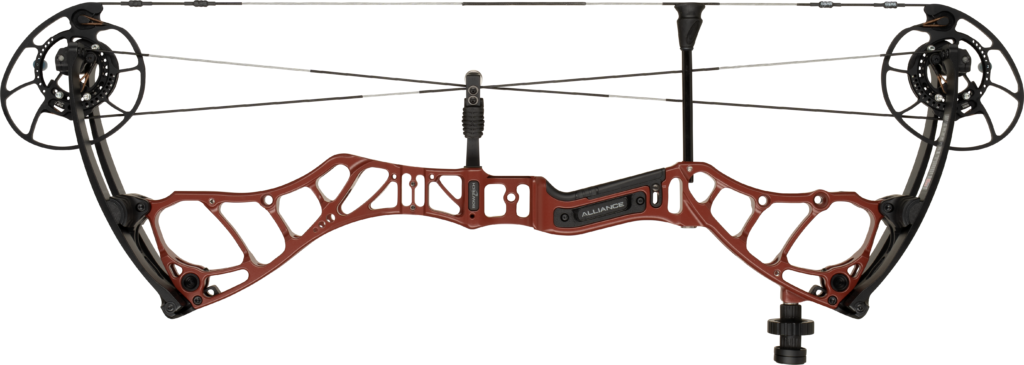
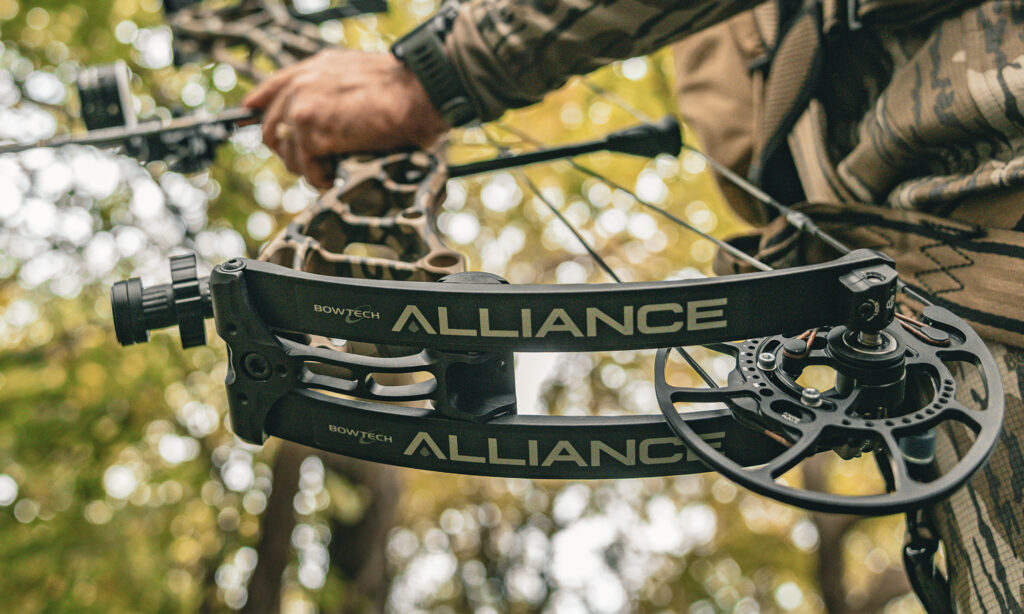
Short, lightweight, and maneuverable, Bowtech’s new Alliance is a solid compound bow for sit-and-wait whitetail hunters and western roamers that prefer to call elk close. Though the Alliance provides a smooth draw, silky let-off, and excellent back-wall feel, the bow is tipsy at full draw and doesn’t produce enough arrow speed to justify the lack of full-draw balance.
The Alliance is also heavier than other bows with the same distance between the axle pins. In theory, a slightly heavier bow should hold better at longer distances, but that wasn’t the case with the Alliance.
The bow wears an upgraded DeadLock System; Bowtech repositioned the axle assembly and added larger locking and tuning screws. Aside from Hoyt’s new XTS System, the DeadLock System is the most efficient on-bow tuning system I’ve used.
Bowtech also added upper and lower stabilizer mounts, and if you plan to shoot the Alliance beyond 60 yards, you’ll want to tinker with both stab positions and add a backbar. GripLock is back, and though the Alliance’s grip is too wide and feels too full in the hand, I like the new side plates. Machining the grip and adding side plates allowed Bowtech to remove weight without compromising riser strength.
Comfort and Performance mods are back. I opted for the Comfort mode and its 83 percent let-off. Like many compound bows in this year’s test, the Alliance provides a smooth draw cycle and excellent back-wall feel. It was a tick noisier than last year’s Proven 34, and post-shot hand shock, though minimal, is felt.
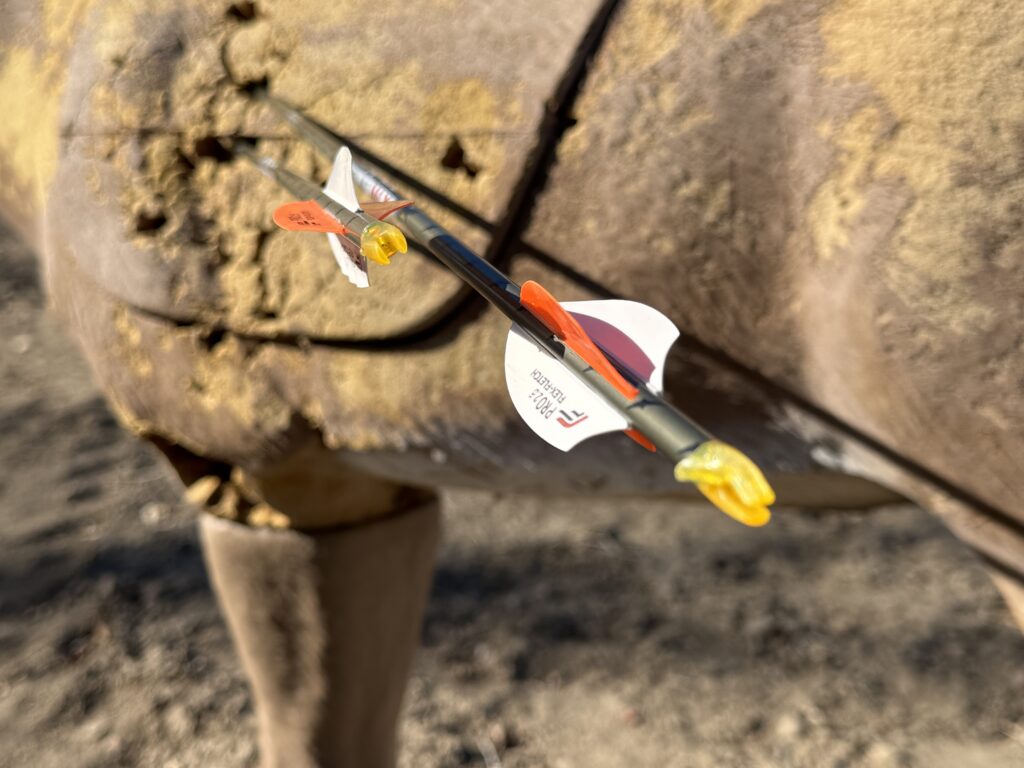
My biggest issue with the Alliance is its less-than-stable feel at full draw, which is magnified as you stretch the yardage tape. Inside of 50 yards, the bow is a shooter. The brace height is forgiving, and the Alliance is the only bow in this year’s test to deliver a Robin Hood. The distance was 45 yards, and my second arrow destroyed the nock of the first.
Though perfectly tuned, the Alliance shot the widest groups of mechanical and fixed blade broadheads at 60 yards. If you limit your shots to 50 yards, the Alliance is a solid bow choice, and you may discover that tinkering with stabilizers will increase accuracy beyond 50 yards.
Related: Check out our expert’s full review of the Bowtech Alliance here.
Why Trust Us
For more than 125 years, Field & Stream has been providing readers with honest and authentic coverage of outdoor gear. Our writers and editors eat, sleep, and breathe the outdoors, and that passion comes through in our product reviews. You can count on F&S to keep you up to date on the best new gear. And when we write about a product—whether it’s a bass lure or a backpack—we cover the good and the bad, so you know exactly what to expect before you decide to make a purchase.
content_compound-bows,content_bow-hunting,content_hunting,content_outdoor-gear

THE 1871 CLUB

Recommended Products
Read the full article here